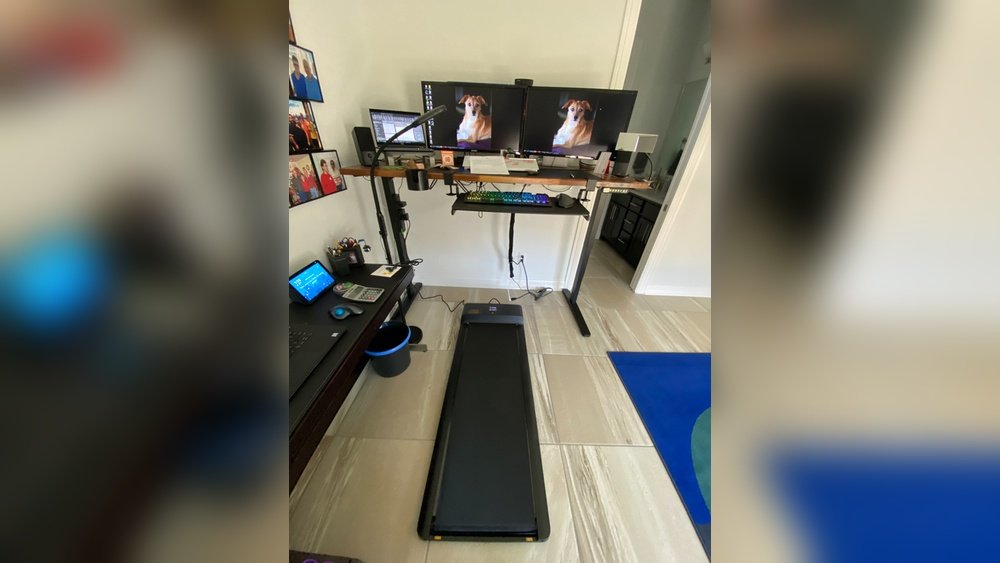
Are you wondering how long you should walk on your walking pad to get the best results? Whether you’re using it to stay active while working or just to boost your daily steps, the right walking time can make all the difference.
Walking too little might not give you the benefits you want, while walking too much could leave you tired or sore. You’ll discover the ideal walking duration tailored to your goals and lifestyle. Keep reading to find out how to make the most of your walking pad without overdoing it.
Benefits Of Walking Pads
Walking pads offer many benefits for health and daily life. They help people stay active without leaving home. These devices are easy to use and fit well in small spaces. Using a walking pad can improve both your body and mind. The following sections explain the main benefits.
Improved Health
Walking pads promote regular movement, which boosts heart health. They help burn calories and improve circulation. Using a walking pad reduces the risk of obesity and diabetes. It also strengthens muscles and joints. Regular walking lowers stress and improves mood. Even short sessions add up to better health.
Increased Productivity
Walking while working keeps the body active and awake. It helps avoid fatigue and mental blocks. Many people find they focus better during light exercise. Moving gently can spark new ideas and creativity. Walking pads allow multitasking without sitting all day. This can make work feel less tiring and more engaging.
Convenience At Home
Walking pads fit easily in homes and offices. They are quiet and take little space. You can walk anytime, no matter the weather outside. This means no need to find time or a place to walk. They are simple to start and stop. Walking pads offer an easy way to add activity to daily life.
Factors Influencing Walk Duration
Several factors affect how long you should walk on a walking pad. These factors help you decide the best duration for your walk. Knowing them ensures you get the most benefits without overdoing it.
Fitness Level
Your current fitness level is a key factor. Beginners should start with shorter walks. This helps your body adjust to the new activity. More active people can walk longer without feeling tired. Gradually increase your time as your fitness improves.
Health Conditions
Health issues can limit how long you walk. Conditions like heart problems or joint pain need careful walking plans. Always check with a doctor before starting. Walking for a shorter time may be safer in these cases. Listen to your body to avoid injury.
Daily Schedule
Your daily routine affects your walking time. Busy days may allow only short walks. On free days, you can walk longer. Try to fit walking into regular breaks. Consistency matters more than long sessions occasionally.
Recommended Walking Time
Knowing how long to walk on a walking pad helps you stay safe and healthy. Walking time depends on your fitness level and goals. Short, regular sessions can improve your stamina and mood. Too much at once may cause tiredness or injury. Choose a time that fits your body and daily routine.
Beginners
Start with 10 to 15 minutes per session. Walk at a slow, comfortable pace. Focus on getting used to the movement. Take breaks if you feel tired. Do this three to four times a week. Gradually add more time as you feel stronger.
Intermediate Users
Try walking for 20 to 30 minutes at a steady pace. Aim for five sessions each week. This level helps improve endurance and burns more calories. Mix in some slight speed changes to keep it interesting. Listen to your body and rest when needed.
Advanced Walkers
Walk for 40 to 60 minutes per session. Maintain a brisk pace that challenges your fitness. Include intervals of faster walking to boost your heart rate. You can walk daily if your body feels good. Use longer sessions to build strong muscles and stamina.
Ideal Walking Pace
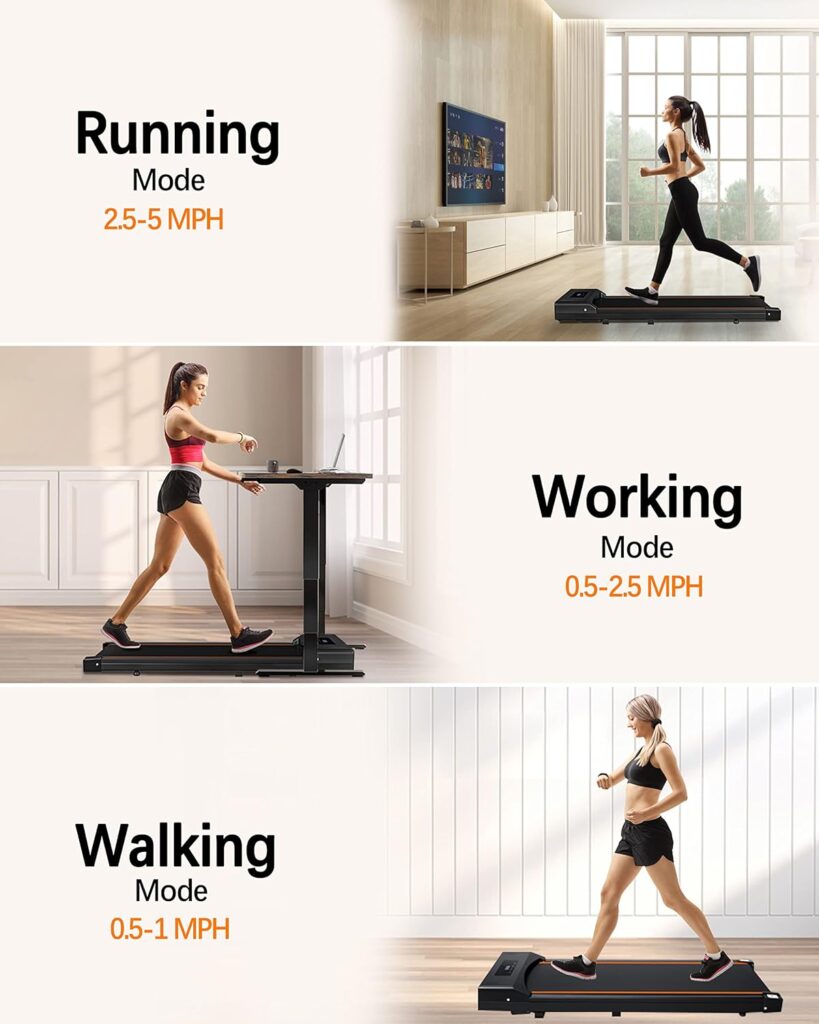
Walking at a steady, comfortable speed helps you stay active without getting too tired. Aim for 20 to 30 minutes on a walking pad daily to feel good and healthy. This pace lets your body move gently and keeps your energy up.
Finding the right pace on a walking pad helps you get the best results. Your speed affects how much energy you use and how your body feels. Choosing the best pace depends on your goals and fitness level.
Walking at the right speed keeps you comfortable and motivated. It also reduces the risk of injury and fatigue. Let’s explore three common walking paces you can try on your walking pad.
Casual Walking
Casual walking means a slow and relaxed pace. It feels easy and comfortable. You can talk without getting out of breath. This pace is good for warming up or cooling down.
Walking casually helps your body move without stress. It is ideal for beginners or people with joint pain. Try 1 to 2 miles per hour for a casual walk.
Brisk Walking
Brisk walking is faster and more active. Your heart beats quicker, but you can still talk in short sentences. This pace burns more calories and strengthens your heart.
A brisk pace usually ranges from 3 to 4 miles per hour. It improves fitness and helps control weight. Use this pace for most of your walking sessions.
Interval Walking
Interval walking mixes fast and slow speeds. You walk fast for a short time, then slow down to recover. This method boosts your stamina and burns fat faster.
Try 1 to 2 minutes of brisk walking, then 1 to 2 minutes of casual walking. Repeat several times. Interval walking adds variety and challenges your body in a healthy way.
Tips For Safe Walking Pad Use
Using a walking pad can improve health and increase daily activity. Safety is important to enjoy your walking sessions without problems. Follow simple tips to protect your body and get the best results.
Proper Footwear
Wear shoes with good support and cushioning. Avoid walking barefoot or with slippers. Proper shoes reduce the risk of injury and improve comfort. Choose shoes that fit well and have a non-slip sole.
Posture And Form
Stand straight and keep your shoulders relaxed. Look forward, not down at your feet. Swing your arms gently to maintain balance. Avoid leaning too far forward or backward. Good posture helps prevent back and neck pain.
Hydration And Breaks
Drink water before, during, and after walking. Take short breaks every 20 to 30 minutes. These pauses help your muscles relax and reduce fatigue. Listen to your body and rest when needed.
Combining Walking Pads With Workouts
Combining walking pads with workouts can boost your fitness routine. Walking pads offer a low-impact way to keep moving. Pairing them with other exercises helps target different muscles. This mix keeps your body active and balanced. You can create a simple, effective workout plan at home.
Strength Training
Use the walking pad for warm-up before strength training. Walk for 5 to 10 minutes to get muscles ready. After warming up, try bodyweight exercises like squats and push-ups. Walking on the pad between sets keeps your heart rate up. This method saves time and builds endurance alongside strength.
Stretching Routines
Walking pads help improve blood flow before stretching. Walk at a slow pace for 5 minutes to loosen muscles. After walking, perform gentle stretches for legs, hips, and back. Stretching after walking reduces muscle tightness and improves flexibility. This routine helps prevent injuries and aids recovery.
Cardio Sessions
Use the walking pad for steady cardio workouts. Walk for 20 to 30 minutes at a moderate pace to raise your heart rate. For variety, try intervals: alternate fast and slow walking. This boosts calorie burn and improves heart health. Consistent walking pad cardio supports weight loss and stamina.
Tracking Progress On Walking Pads
Tracking progress on walking pads helps keep motivation high. It shows how far you have come and what to improve next. Watching your steps, time, and speed makes exercise more rewarding. Small changes add up to big benefits over time.
Using Apps And Devices
Many walking pads connect easily to apps and devices. These tools track your steps, distance, and calories burned. They give clear feedback on your daily activity. Some apps send reminders to keep you moving. Using these tools keeps your routine on track.
Setting Goals
Set simple and clear goals for each walking session. Goals help focus your effort and measure success. Start with short times or distances and increase slowly. Write down your targets and check them often. Achieving small goals builds confidence and keeps you going.
Monitoring Improvements
Look at your progress every week or month. Notice changes in speed, endurance, or time walked. Celebrate all improvements, big or small. Tracking progress helps you understand what works best. Adjust your routine based on what you learn.
:max_bytes(150000):strip_icc()/how-long-should-you-walk-to-lose-weight-3432706-2407-8d9f311dc7cd4c1881901bee1c8daf5a.jpg)

Frequently Asked Questions
How Long Should A Beginner Walk On A Walking Pad?
Beginners should start with 10 to 15 minutes on a walking pad. Gradually increase time to build endurance and prevent injury. Consistency is key to improving fitness and comfort.
What Is The Ideal Walking Pad Duration For Weight Loss?
Aim for 30 to 60 minutes daily on a walking pad for weight loss. Combine walking with a balanced diet for best results. Longer sessions help burn more calories efficiently.
Can Walking Too Long On A Walking Pad Cause Harm?
Yes, walking excessively can cause joint strain and fatigue. Listen to your body and take breaks as needed. Proper footwear and posture reduce injury risks.
How Often Should You Use A Walking Pad Weekly?
Using a walking pad 4 to 6 times a week is ideal. This frequency supports cardiovascular health and muscle toning. Rest days help muscles recover and prevent burnout.
Conclusion
Walking on a walking pad helps improve health and fitness. Start with short sessions, about 10 to 15 minutes daily. Gradually increase time as your body adjusts. Aim for at least 30 minutes for good benefits. Listen to your body and rest when needed.
Consistency matters more than long sessions. Walking regularly keeps you active and energized. Choose a pace that feels comfortable. Enjoy the process and stay motivated to keep moving.
