
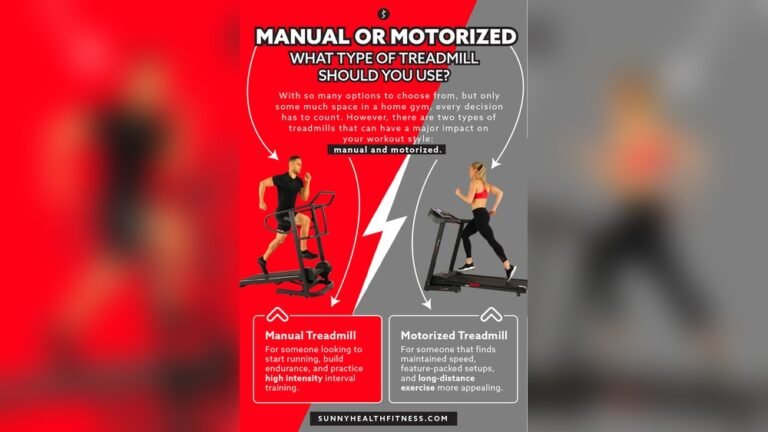
Have you ever wondered how a manual treadmill works without any electricity? If you’re looking for a simple, effective way to get your daily exercise at home, understanding this device can change the way you approach fitness.
Manual treadmills rely on your own movement to power the belt, giving you full control over your workout. You’ll discover exactly how this clever machine operates and why it might be the perfect fit for your routine. Keep reading to unlock the secrets behind manual treadmills and how they can help you stay active and healthy.

Manual Treadmill Basics
Manual treadmills offer a simple way to exercise indoors. They do not need electricity to work. Users power the treadmill by walking or running on the belt. This design makes manual treadmills lightweight and easy to move.
Understanding how a manual treadmill works helps you decide if it fits your workout needs. The basics involve its design and how it differs from motorized models.
Design And Mechanics
A manual treadmill has a curved or flat running surface. The belt moves only when you push it with your feet. There is no motor to drive the belt forward. The frame is often lighter than electric treadmills.
Some models include a flywheel to help keep the belt smooth. Resistance comes from your own effort and sometimes adjustable settings. This setup encourages better posture and muscle use.
How It Differs From Motorized Treadmills
Motorized treadmills have a motor that moves the belt automatically. You set a speed, and the machine keeps it steady. Manual treadmills rely completely on your steps to move the belt.
Electric treadmills often have more features like speed control and programs. Manual treadmills are simpler and usually cost less. They provide a more natural walking or running experience.
Without a motor, manual treadmills use less energy and make less noise. They also require less maintenance. This makes them a good choice for basic workouts and small spaces.
:max_bytes(150000):strip_icc()/VWFit-manual-treadmills-vs-motorized-treadmills-3436600-e522bc4e8dc84a9cae89bae7a62f20ba.jpg)
Operating A Manual Treadmill
Operating a manual treadmill is simple and straightforward. These treadmills do not use motors. Instead, the belt moves by your own effort. This makes them different from electric treadmills. Understanding how to start, stop, and adjust the treadmill is important. It helps you get the best workout safely and comfortably.
Starting And Stopping
To start a manual treadmill, stand on the side rails first. Place one foot on the belt. Push off gently to move the belt backward. The treadmill belt will start to turn with your steps. To stop, slow your pace gradually. Step off the belt carefully onto the side rails. Always keep your balance while starting and stopping.
Adjusting Speed And Resistance
Speed on a manual treadmill depends on your walking or running pace. Faster steps make the belt move quicker. Some manual treadmills have a resistance knob. Turn the knob to increase or decrease the belt’s resistance. Higher resistance makes it harder to move the belt. This simulates walking uphill. Adjust resistance based on your fitness level and workout goals.
Health Benefits
Using a manual treadmill offers many health benefits. It helps improve your body in several ways. You can get stronger, fitter, and burn calories effectively. This makes manual treadmills a great choice for daily exercise.
Unlike motorized treadmills, manual ones require your own power. This means your muscles work harder. The effort you put in leads to better health results over time.
Improved Cardiovascular Fitness
Walking or running on a manual treadmill raises your heart rate. This strengthens your heart and lungs. Better cardiovascular fitness means your body moves oxygen more efficiently. It also helps lower blood pressure and reduces heart disease risk.
Muscle Strength And Endurance
Manual treadmills force your legs and core to work harder. Pushing the belt with your feet builds muscle strength. Regular use improves endurance, so you can exercise longer. Strong muscles protect your joints and improve balance.
Calorie Burning And Weight Loss
Manual treadmills burn more calories than walking outside at the same speed. This happens because you control the belt movement. More effort equals more calories burned. Consistent workouts help you lose weight and stay fit.
Usage Tips
Using a manual treadmill correctly helps you get the best workout. It also keeps you safe and comfortable. Follow these tips for a smooth exercise session. Focus on good habits from the start.
Proper Posture And Form
Stand tall with your back straight. Keep your head up and eyes forward. Avoid leaning on the treadmill handles. Use your arms to balance naturally. Step evenly and smoothly on the belt. This helps prevent strain and injury.
Safe Workout Practices
Start slow to warm up your muscles. Increase speed only when ready. Keep the treadmill belt clean and free of debris. Wear proper shoes with good grip. Stop the treadmill before stepping off. Stay alert to avoid accidents.
Setting Workout Goals
Decide how long you want to walk or run. Set small goals like 10 or 15 minutes first. Gradually increase your time or speed. Track your progress to stay motivated. Clear goals help you improve steadily over time.
Maintenance And Care
Proper maintenance and care keep a manual treadmill working well for a long time. Regular attention prevents problems and ensures smooth operation. A few simple steps help the treadmill stay in good shape and safe to use.
Cleaning And Lubrication
Dust and sweat can build up on the treadmill. Wipe the belt and frame with a damp cloth often. Use mild soap and water, but avoid harsh chemicals. Keep the belt clean to reduce friction and wear.
Lubricate the treadmill belt as the manual suggests. A silicone-based lubricant works best. Apply it under the belt to help parts move smoothly. Lubrication lowers noise and prevents damage.
Checking For Wear And Tear
Look over the treadmill for signs of damage. Check the belt for cracks or fraying edges. Inspect the frame for loose bolts or rust spots. Tighten any loose parts to avoid accidents.
Test the belt’s movement regularly. It should run smoothly and stay centered. Replace the belt or parts if they show heavy wear. Early fixes save money and keep workouts safe.
Choosing The Right Manual Treadmill
Choosing the right manual treadmill is important for a good workout. Not all manual treadmills work the same. Picking one that fits your needs helps you exercise better and stay motivated. Consider a few key points before buying to make a smart choice.
Key Features To Consider
Look for a treadmill with a strong frame. It should support your weight safely. Check the belt size; a wider belt offers more comfort. The treadmill’s incline options matter. Some models have adjustable inclines to increase workout intensity. Also, see if the treadmill has a smooth, quiet belt. Easy-to-use controls help track your speed or time. Choose one with good grip to avoid slipping during exercise.
Budget And Space Factors
Manual treadmills come in different price ranges. Set a budget before shopping. Cheaper models may lack durability or features. Expensive ones offer better build and extras. Think about the space at home. Measure the area where you want to place the treadmill. Pick a model that fits well and can be stored easily. Foldable treadmills save space and are simple to move. Balance your budget with the space available for best results.
Frequently Asked Questions
How Does A Manual Treadmill Generate Resistance?
A manual treadmill uses your body weight and effort to move the belt. Resistance comes from a flywheel or magnetic system. This design requires more effort than motorized treadmills, engaging more muscles during your workout.
What Are The Main Benefits Of A Manual Treadmill?
Manual treadmills improve cardiovascular health and muscle strength. They are cost-effective and compact. You control the speed, which enhances calorie burn and workout intensity naturally.
Is A Manual Treadmill Suitable For Beginners?
Yes, manual treadmills are great for beginners. They allow easy speed control by walking or running at your pace. This helps build endurance safely without pressure from a motorized belt.
How Do Manual Treadmills Differ From Motorized Ones?
Manual treadmills don’t have a motor; they rely on your movement. Motorized treadmills have adjustable speeds and preset programs. Manual models offer more control and increased workout intensity.
Conclusion
A manual treadmill moves as you walk or run. It uses your own power, not electricity. This makes it simple and quiet to use. You control the speed with your steps. Manual treadmills are good for small spaces and basic workouts.
They help improve fitness and build strength. Understanding how they work helps you choose the right one. Try one to feel the difference yourself. Keep moving, and enjoy your exercise routine.
