
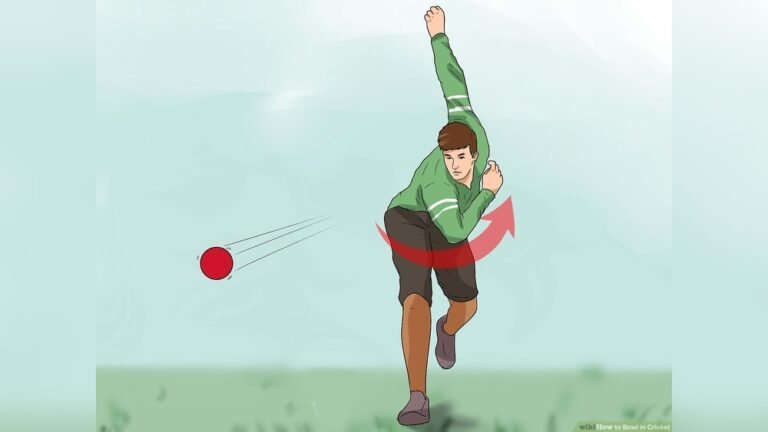
Bowling is one of the most exciting and skillful parts of cricket. Whether you watch a professional match or play with friends, bowling shapes the game’s rhythm and strategy. Many people think bowling is just about throwing the ball fast.
But in reality, it’s a mix of technique, timing, accuracy, and mental strength. If you want to understand cricket or improve your own game, learning how to bowl is essential.
This guide explains how you bowl in cricket, from the basic techniques to the small details that make a big difference. You will learn about the different bowling styles, how to grip the ball, footwork, delivery, and even common mistakes.
By the end, you’ll see why bowling is an art and a science, and you’ll have the knowledge to try it yourself—or to appreciate it when you watch your favorite players.
What Does Bowling Mean In Cricket?
In cricket, bowling is the act of delivering the ball to the batsman with the goal of getting them out or limiting their runs. A bowler runs up and releases the ball overarm, and the ball must bounce at least once before reaching the batsman (in most formats). Unlike throwing, the bowler’s arm must remain straight during the delivery.
Bowling is not just about speed. It involves movement, spin, accuracy, and tactics. The best bowlers can make the ball swing in the air, seam off the pitch, or spin sharply. This makes life difficult for the batsman and creates chances for wickets.
Types Of Bowling In Cricket
Cricket has two main types of bowlers: fast bowlers and spin bowlers. Each type requires different skills and strategies.
Fast Bowling
Fast bowlers use speed and bounce to beat the batsman. Their deliveries can be very quick, sometimes over 150 km/h (93 mph) at the professional level. Fast bowlers often aim to intimidate or surprise the batsman.
Main Fast Bowling Styles:
- Outswing: Ball moves away from the batsman after bouncing.
- Inswing: Ball moves in towards the batsman.
- Seam bowling: Ball moves unpredictably after hitting the seam on the pitch.
- Bouncers: Short-pitched deliveries that bounce high towards the batsman’s head or chest.
- Yorkers: Full-length deliveries aimed at the batsman’s feet or base of the stumps.
Spin Bowling
Spin bowlers use their fingers or wrist to spin the ball, making it change direction after bouncing. Spin bowling is usually slower, but the movement can trick even the best batsmen.
Main Spin Bowling Styles:
- Off-spin: Ball spins from off to leg side (for a right-handed batsman).
- Leg-spin: Ball spins from leg to off side.
- Googly: A leg-spinner’s delivery that spins the opposite way to a normal leg-spin ball.
- Doosra: An off-spinner’s delivery that spins the opposite way.
Below is a simple comparison of fast and spin bowling:
| Feature | Fast Bowling | Spin Bowling |
|---|---|---|
| Speed | 120–160 km/h | 70–95 km/h |
| Main Weapon | Pace & Bounce | Spin & Flight |
| Common Deliveries | Yorker, Bouncer, Swing | Off-spin, Leg-spin, Googly |
| Physical Demand | High | Moderate |
Step-by-step: How To Bowl In Cricket
Bowling well requires a series of actions done in the right order. Let’s break down the main steps:
1. Grip The Ball
How you hold the cricket ball affects how it moves. There are different grips for each bowling style.
- Fast bowling grip: Place your index and middle fingers on either side of the seam, with the thumb under the ball for support. Keep the fingers reasonably close together.
- Off-spin grip: Hold the seam across your fingers. Use your fingers to impart spin as you release.
- Leg-spin grip: Hold the ball loosely, seam across the fingers. The wrist and fingers work together to create spin.
A common mistake for beginners is gripping the ball too tightly. This reduces control and swing. Hold the ball firmly, but relaxed.
2. The Run-up
A good run-up helps you build rhythm and momentum. Fast bowlers usually take a longer run-up—sometimes 15 to 25 steps. Spin bowlers use a much shorter run-up, sometimes just a few steps.
- Start smoothly and build up speed.
- Don’t rush the last few steps.
- Keep your eyes on the target (the stumps or where you want the ball to land).
Some bowlers count their steps to keep the run-up consistent. This helps avoid overstepping, which causes a “no-ball. ”
3. Bowling Action
This is the most important part. The bowling action has three main phases:
A. Pre-delivery Stride
- Your last stride before you bowl.
- Non-bowling arm points towards the target for balance.
- Keep your body upright and aligned.
B. Delivery Stride
- Plant your front foot behind the popping crease.
- Rotate your shoulders and hips.
- Bring your bowling arm over in a straight line.
- The arm must not bend at the elbow (unlike throwing).
C. Release
- Release the ball at the highest point.
- Use your fingers and wrist for spin or swing.
- Follow through with your body, letting momentum carry you forward.
4. Follow-through
After releasing the ball, continue moving forward. Your back leg should swing through, and your body weight should stay balanced.
A strong follow-through:
- Maintains accuracy
- Reduces injury risk
- Helps bowl at a consistent speed
Key Rules For Bowling In Cricket
Cricket has strict rules for bowlers:
- No Ball: If you overstep the front crease, it’s a no-ball. The batsman cannot be out bowled, LBW, or caught off a no-ball, and the batting team gets an extra run.
- Wide Ball: If you bowl too far from the batsman’s reach, it’s a wide. One run is added to the batting team.
- Bowling Action: The arm must not bend more than 15 degrees at the elbow during delivery.
- Fielding Restrictions: In limited-overs cricket, there are rules about how many fielders can be on each side of the pitch.
Here’s a quick look at common illegal deliveries:
| Type of Fault | What Happens |
|---|---|
| No-ball (overstep) | Extra run + free hit (in limited-overs) |
| Throwing (chucking) | Illegal; bowler can be banned |
| Wide ball | Extra run; ball re-bowled |

How To Improve Your Bowling
To become a better bowler, focus on the following:
- Practice regularly: Build muscle memory and refine your technique.
- Work on accuracy: Try to hit the same spot again and again.
- Develop variations: Learn different types of deliveries to surprise batsmen.
- Study top bowlers: Watch videos of players like Jasprit Bumrah, Shane Warne, or Glenn McGrath.
- Strength and fitness: Bowling is physical. Build stamina and core strength.
A non-obvious tip: Focus on your non-bowling arm. If you use it for balance and direction, you’ll bowl straighter and with more power.
Common Bowling Mistakes And How To Avoid Them
- Overstepping the crease: This leads to no-balls. Mark your run-up and practice stopping behind the line.
- Gripping the ball too tightly: It reduces control. Keep the grip firm, but relaxed.
- Losing rhythm in the run-up: Practice your approach to develop consistency.
- Poor follow-through: This can cause loss of control and even injury. Complete your action every time.
- Ignoring line and length: Young bowlers often focus only on speed or spin. But where the ball lands is just as important.
A helpful insight: Many beginners forget to watch the batsman’s movements. By paying attention, you can adjust your line and length for better results.
Choosing The Right Ball And Equipment
The cricket ball’s condition and the type of surface you bowl on affect your performance.
- New ball: Swings more, ideal for fast bowling.
- Old ball: Spins more, helps spinners.
- Soft ball: Used in casual games, requires different grip and power.
Bowling shoes with spikes give better grip. Wear comfortable, supportive clothing to avoid injury. If you play regularly, use proper protective gear.
Bowling Tactics And Strategies
Bowling is not just about skill; it’s about outsmarting the batsman. Here are a few basic tactics:
- Set up the batsman: Bowl a few balls in the same area, then surprise them with a different delivery.
- Use field settings: Place fielders to match your bowling style and plan.
- Change pace and length: Mix slower balls and yorkers with regular deliveries.
- Exploit pitch conditions: Some pitches help swing, others help spin.
A key point beginners miss: Talk to your captain and teammates about your plans. Cricket is a team sport, and good communication leads to better results.
Physical And Mental Preparation
Bowling can be hard on the body and mind. Warm up before you bowl to avoid injuries. Stretch your arms, shoulders, and legs. Drink plenty of water.
Mentally, stay calm and focused. If you get hit for runs, don’t panic—stick to your plan. Great bowlers bounce back from mistakes by staying positive.
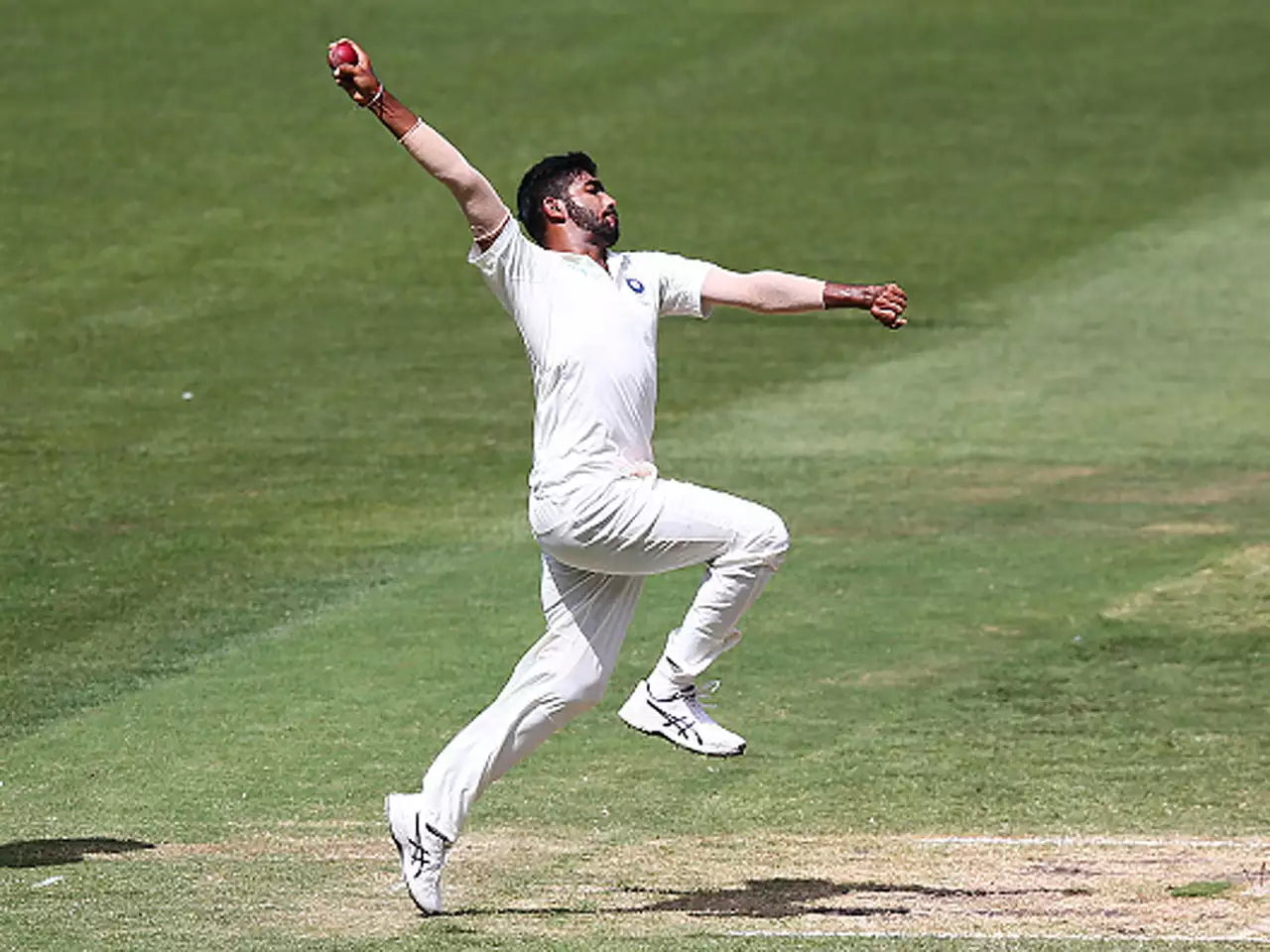
Real-world Example: Jasprit Bumrah’s Bowling
Jasprit Bumrah, a top Indian fast bowler, is famous for his unique action and deadly yorkers. He practices his run-up and delivery over and over, focusing on accuracy rather than just speed. Bumrah often bowls at the end of an innings, when batsmen are attacking.
He stays calm under pressure, uses his unusual action to confuse batsmen, and mixes up his pace cleverly.
His success shows that mastering the basics—plus a few personal tricks—can make you a world-class bowler.

Frequently Asked Questions
What Is The Difference Between Bowling And Throwing In Cricket?
Bowling means delivering the ball with a straight arm from above the shoulder. Throwing (or “chucking”) involves bending the elbow during delivery, which is illegal in cricket. Umpires can call a bowler for throwing, and repeated offenses can lead to a ban.
How Do I Bowl Faster In Cricket?
To bowl faster, work on your run-up, build leg and core strength, and improve your bowling action’s efficiency. Focus on smooth acceleration and a strong follow-through. Watch professional fast bowlers and practice regularly.
Can Left-handed Bowlers Use The Same Techniques?
Yes, left-handed bowlers use similar techniques, but their deliveries move in opposite directions to right-handers. For example, a left-arm outswinger moves away from a left-handed batsman. Some field settings and tactics may also change.
How Do I Choose Between Fast Bowling And Spin Bowling?
Consider your natural strengths. If you are strong, tall, and enjoy speed, try fast bowling. If you have good finger or wrist control and enjoy tricking batsmen, try spin. Many players experiment with both before choosing.
Where Can I Learn More About Advanced Bowling Techniques?
You can find more detailed guides and videos at the Wikipedia Bowling in Cricket page or by watching professional coaching channels online.
Bowling in cricket is a rewarding skill, whether you play for fun or hope to reach higher levels. By understanding the basics, practicing the right way, and learning from the experts, you can enjoy the challenge and excitement of sending down that perfect ball.
