
Is your garage home gym ready for winter? As temperatures drop, keeping your workout space warm and protected can be a challenge.
If you want to avoid frozen pipes, damp equipment, and chilly workouts, you need to winterize your garage gym properly. In this guide, you’ll discover simple, practical steps to keep your gym comfortable and safe all season long. Get ready to protect your gear, save energy, and stay motivated no matter how cold it gets outside.
Keep reading to find out exactly what you need to do!
Assessing Garage Insulation
Winterizing a garage home gym starts with checking its insulation. Good insulation keeps cold air out and warmth inside.
Assessing insulation helps you know what needs fixing or adding for better heat retention.
Checking Wall And Ceiling Insulation
Look at your garage walls and ceiling to see if they have insulation. Often, garages have little or no insulation in these areas.
Check for gaps, thin spots, or missing insulation layers. You can use a flashlight to spot dark or bare areas inside walls or ceilings.
Sealing Gaps And Cracks
Find cracks or gaps around windows, doors, and where walls meet the floor. These spots let cold air inside and warm air escape.
Use caulk or weatherstripping to seal these openings. Proper sealing improves insulation and keeps your gym warmer.
- Check around window frames and door edges
- Inspect where walls and floors join
- Seal any visible gaps with weatherproof materials
Insulating Garage Doors
Garage doors often have little insulation, which causes heat loss. Adding insulation here can make a big difference.
Use foam board or reflective insulation panels designed for garage doors. Attach them carefully to avoid blocking door mechanisms.
- Measure your garage door panels before buying insulation
- Choose insulation that fits your climate and budget
- Follow installation instructions to keep door function smooth

Controlling Temperature
Keeping your garage home gym warm during winter helps you exercise comfortably. Proper temperature control prevents cold air from stopping your workouts.
Using the right heating tools and safety steps keeps the space warm and safe. Good ventilation also improves air quality and temperature balance.
Choosing The Right Heater
Pick a heater that fits your garage size and gym needs. Electric heaters work well for small spaces and are easy to use.
Infrared heaters warm objects and people directly. They save energy and provide steady heat. Avoid heaters that dry the air too much.
- Match heater power to room size
- Choose electric or infrared heaters
- Look for heaters with safety features
Using Space Heaters Safely
Keep space heaters away from flammable items like cloth or paper. Place them on flat, stable surfaces to prevent tipping over.
Turn off heaters when you leave the gym or go to sleep. Use heaters with automatic shut-off features for extra safety.
- Keep at least 3 feet clear around heaters
- Do not block heater vents
- Use heaters with tip-over and overheat protection
- Never leave heaters unattended
Maintaining Proper Ventilation
Good ventilation keeps fresh air flowing and stops moisture buildup. Moisture can cause mold and damage gym equipment.
Open windows or vents slightly when using heaters. Use fans to move air and keep the room comfortable.
- Keep a small window or vent open
- Use exhaust fans if possible
- Run a fan to circulate warm air
- Check for signs of dampness regularly
Protecting Equipment
Winterizing your garage home gym helps keep your equipment safe. Cold and moisture can cause damage over time.
Taking simple steps protects your gear and extends its life through the winter months.
Covering Sensitive Gear
Cover sensitive gym gear like treadmills and ellipticals with breathable covers. This stops dust and dirt from settling.
A breathable cover prevents moisture buildup that can cause rust or mold on electronic parts.
- Use fabric covers made for gym equipment
- Avoid plastic covers that trap moisture
- Remove covers regularly to air out equipment
Preventing Moisture Damage
Moisture is a big threat to your garage gym. It can cause rust and damage to machines and weights.
Keep moisture away by using a dehumidifier or moisture absorbers in the garage.
- Place moisture absorbers near equipment
- Run a dehumidifier on cold or damp days
- Keep garage door closed to limit humidity
Storing Weights And Machines
Store weights and machines off the cold floor. Use mats or pallets to protect them from dampness.
Arrange equipment so air can move freely around it. This prevents moisture buildup and rust.
- Use rubber mats under weights and machines
- Keep heavier items on shelves or pallets
- Space equipment to allow air circulation
Improving Flooring
Winterizing your garage home gym means making the floor warm and safe. Cold floors can make workouts uncomfortable.
Good flooring helps protect your body and equipment from cold and moisture during winter.
Adding Insulated Mats
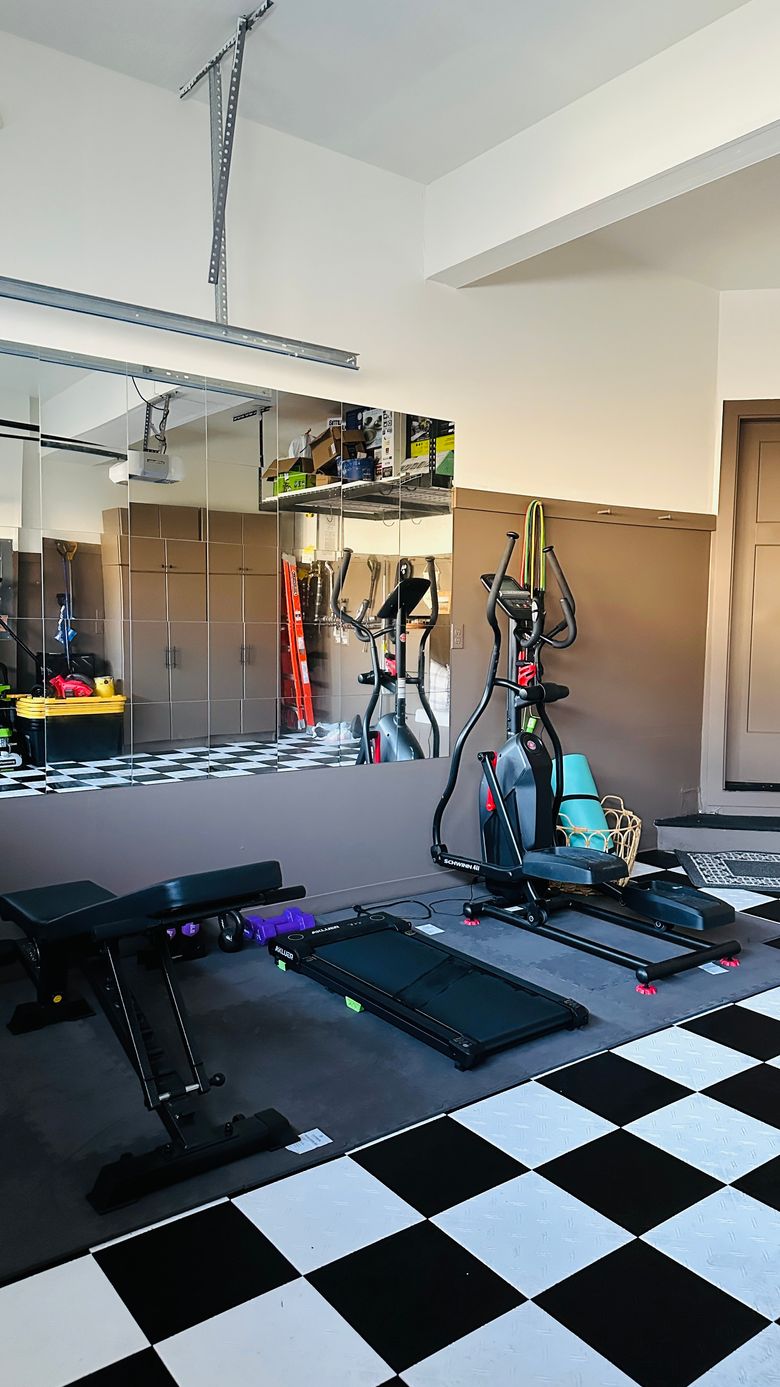
Insulated mats add a warm layer between you and the cold floor. They help keep your feet warm during workouts.
These mats also reduce noise and protect your floor from damage by gym equipment.
- Choose mats made of foam or rubber for insulation.
- Interlocking mats cover large areas easily.
- Look for mats with thickness of at least half an inch.
- Keep mats clean and dry to avoid mold.
Preventing Cold And Damp Floors
Cold floors happen when moisture and cold air seep through cracks or bare concrete. This makes your gym uncomfortable.
Sealing cracks and adding vapor barriers stop moisture from coming up through the floor.
- Use a concrete sealer on bare floors to block moisture.
- Install a vapor barrier under mats or flooring.
- Check for leaks or cracks and seal them with caulk.
- Keep the garage door closed to keep cold air out.
Lighting And Electrical Safety
Winterizing your garage home gym means making it safe and comfortable. Lighting and electrical safety are very important. Cold weather can affect your lights and outlets.
Proper lighting helps you see clearly during workouts. Safe electrical systems prevent accidents and fires in cold months.
Upgrading To Winter-ready Lighting
Choose lights that work well in cold temperatures. LED lights are good because they use less energy and stay bright in winter.
Use sealed light fixtures to keep out moisture and dust. This protects your lights from damage and keeps your gym safe.
- Install LED bulbs with a cool or neutral color
- Use fixtures rated for outdoor or damp locations
- Add extra lights to reduce shadows in dark corners
- Check timers or motion sensors for proper winter operation
Checking Electrical Outlets And Wiring
Inspect outlets and wiring to avoid shocks or shorts in cold weather. Cold can make wires brittle and outlets loose.
Look for cracks, frayed wires, or discoloration around outlets. Replace any damaged parts before winter starts.
- Test outlets with a socket tester for proper grounding
- Avoid using extension cords for long periods
- Seal gaps around outlets to keep cold air out
- Hire a professional electrician if you find serious damage

Managing Humidity
Keeping humidity low is key to protecting your garage gym in winter. High moisture can damage equipment and cause rust.
Controlling humidity also helps keep the air fresh and stops mold growth. Let’s explore how to manage moisture effectively.
Using Dehumidifiers
A dehumidifier removes excess moisture from the air. It helps keep your gym dry and comfortable during cold months.
Choose a unit sized for your garage space. Place it near areas that feel damp or where equipment is stored.
- Empty the water tank regularly
- Keep doors and windows closed while running
- Clean filters monthly to maintain efficiency
Preventing Mold And Mildew
Mold grows where moisture stays too long. It can ruin your gym walls, floors, and gear.
Use these tips to stop mold and mildew from forming in your garage gym.
- Ventilate the space by opening windows on dry days
- Wipe down sweat and spills immediately
- Use moisture-absorbing products like silica gel packs
- Check for leaks and fix them fast
- Keep gym mats and towels dry and clean
Maintaining Accessibility
Keeping your garage home gym easy to reach during winter is important. Snow and ice can block paths and make entry hard. You need to clear these obstacles to use your gym safely.
This guide helps you keep access clear and safe. Follow simple steps to clear snow and ice and ensure safe entry and exit.
Clearing Snow And Ice
Remove snow and ice from the driveway and walkway leading to your garage gym. This stops slips and falls. Use a shovel or snow blower to clear the area quickly.
Apply salt or sand on icy spots to improve grip. Check the area often after snowfalls to keep it clear and safe.
- Shovel snow away from doors and paths
- Use salt or sand to reduce ice
- Clear snow regularly after storms
- Keep tools nearby for quick cleanup
Ensuring Safe Entry And Exit
Make sure doors open easily and do not freeze shut. Check door seals and clear any ice buildup around the edges. This helps prevent damage and keeps the entrance safe.
Use mats inside and outside the door to catch water and snow. Good lighting near the entrance helps you see clearly and avoid accidents when entering or leaving.
- Keep door tracks and seals free of ice
- Use heavy-duty mats to reduce slipping
- Install bright lights near the door
- Clear clutter near the entry path
Frequently Asked Questions
What Are The First Steps To Winterize A Garage Gym?
Start by insulating walls and doors to retain heat. Seal gaps with weatherstripping to prevent drafts. Consider adding a space heater for warmth. Ensure all equipment is clean and dry to prevent rusting. Proper lighting will also help create a comfortable workout environment during shorter daylight hours.
How Can I Protect Gym Equipment In Winter?
To protect gym equipment, use covers and mats to prevent moisture damage. Regularly clean and lubricate machines to avoid rust. Maintain a consistent temperature using heaters or insulation. Store smaller equipment, like dumbbells, off the ground to prevent cold-related damage.
Consider using moisture absorbers to control humidity levels.
Is Heating Necessary For A Winter Garage Gym?
Heating is essential to maintain a comfortable workout environment. It prevents equipment from freezing and becoming damaged. Use space heaters, radiant heaters, or portable heaters for efficient heating. Ensure proper ventilation to avoid condensation. A well-heated gym also encourages regular workouts despite cold weather.
How Can I Improve Lighting In A Winter Garage Gym?
Improve lighting by installing brighter, energy-efficient LED lights. Consider adding task lighting for specific workout areas. Utilize natural light by keeping windows clean and uncovered. Mirrors can reflect light, making the space brighter. Adequate lighting enhances safety and creates a motivating workout environment during darker winter months.
Conclusion
Winterizing your garage gym protects your equipment and space. Seal cracks and add insulation to keep cold out. Use a space heater safely to maintain warmth. Cover machines to stop dust and moisture damage. Check for drafts around windows and doors.
Store weights and gear off the floor. These simple steps help you stay active all winter. Your gym stays ready, safe, and comfortable. No need to pause your workouts when cold weather arrives. Keep moving, stay strong, and enjoy your home gym year-round.
