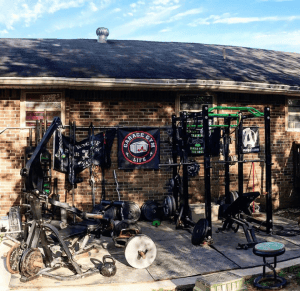
Rust on your gym equipment can turn your workout space from motivating to frustrating in no time. You want your gear to last, stay safe, and look great every time you use it.
But how do you stop rust from sneaking in and ruining your hard-earned investment? You’ll discover simple, practical steps you can take right now to keep your equipment shining and strong. Ready to protect your fitness tools and boost your workout experience?
Let’s dive in!
Causes Of Rust On Gym Equipment
Rust can damage gym equipment and make it unsafe to use. It forms when metal reacts with water and air. Understanding what causes rust helps you stop it early.
Many factors cause rust on gym gear. Some are easy to control. Let’s look at the main causes and why they matter.
Moisture And Humidity
High moisture and humidity levels create the perfect place for rust. Gym rooms often have poor ventilation. This traps moisture and makes metal wet.
When water stays on equipment surfaces, rust starts to form. Even small amounts of moisture can cause damage over time.
- Wet floors increase humidity near machines
- Condensation forms on cold metal parts
- Steam from showers or saunas adds moisture
Sweat And Body Oils
Sweat and body oils contain salt and acids. These substances speed up rust on metal surfaces. When people use gym equipment, they leave sweat behind.
Salt from sweat can eat away the metal coating. Oils can trap moisture on the surface. Both increase the chance of rust forming quickly.
- Sweat dries but leaves salt residue
- Oils create a sticky layer that traps water
- Frequent use without cleaning worsens rust risk
Poor Maintenance
Not cleaning or checking gym equipment causes rust. Dirt and grime hold moisture on metal parts. Missing small rust spots lets the problem grow.
Without regular maintenance, protective coatings wear off. This leaves metal open to air and water. Rust then spreads faster and damages the equipment.
- Skipping regular cleaning lets sweat and dirt build up
- Ignoring scratches removes protective paint or coating
- Failing to oil moving parts allows rust to form

Choosing Rust-resistant Materials
Rust can damage gym equipment and shorten its life. Choosing the right materials helps prevent rust. Using rust-resistant materials keeps equipment strong and safe.
Materials that resist rust need less care. This saves time and money on repairs. Let’s look at some good material choices for gym gear.
Stainless Steel Options
Stainless steel is very strong and does not rust easily. It has a shiny surface that resists moisture and sweat. This makes it a great choice for gym machines.
Some stainless steel types are better at resisting rust. Look for grades like 304 or 316. These types last longer in wet or humid gyms.
Powder-coated Finishes
Powder coating covers metal parts with a tough layer. This layer blocks water and air from touching the metal. It helps stop rust from forming on gym equipment.
Powder-coated finishes come in many colors. They also resist scratches better than paint. This keeps your equipment looking new for years.
- Provides a strong protective barrier
- Resists chips and scratches
- Easy to clean and maintain
- Available in many colors and textures
Plastic And Rubber Components
Plastic and rubber parts do not rust because they do not contain metal. These parts are common on grips, footrests, and covers. They add comfort and protect metal parts.
Using plastic and rubber parts reduces rust risk. They also absorb sweat and moisture. Choose high-quality plastics and rubber for long-lasting gym gear.
Daily Cleaning Habits
Keeping gym equipment clean every day helps stop rust. Rust can damage machines and make them unsafe.
Simple daily cleaning habits keep your gym equipment in good shape for longer.
Wiping Down After Use
Always wipe down gym equipment right after use. Sweat and moisture cause rust if left on metal parts.
Use a clean cloth to dry the handles, seats, and frames carefully. This removes sweat and water.
Using Appropriate Cleaning Agents
Pick cleaning agents made for gym equipment or mild soaps. These clean without harming metal or paint.
Spray the cleaner on a cloth, not directly on the machine. This avoids soaking electrical parts.
- Mild dish soap mixed with water
- Alcohol-based wipes
- Special gym equipment cleaners
Avoiding Harsh Chemicals
Do not use bleach or strong acids on gym equipment. These chemicals can strip paint and cause rust faster.
Harsh cleaners damage metal and plastic parts. Stick to gentle cleaning products to protect your equipment.
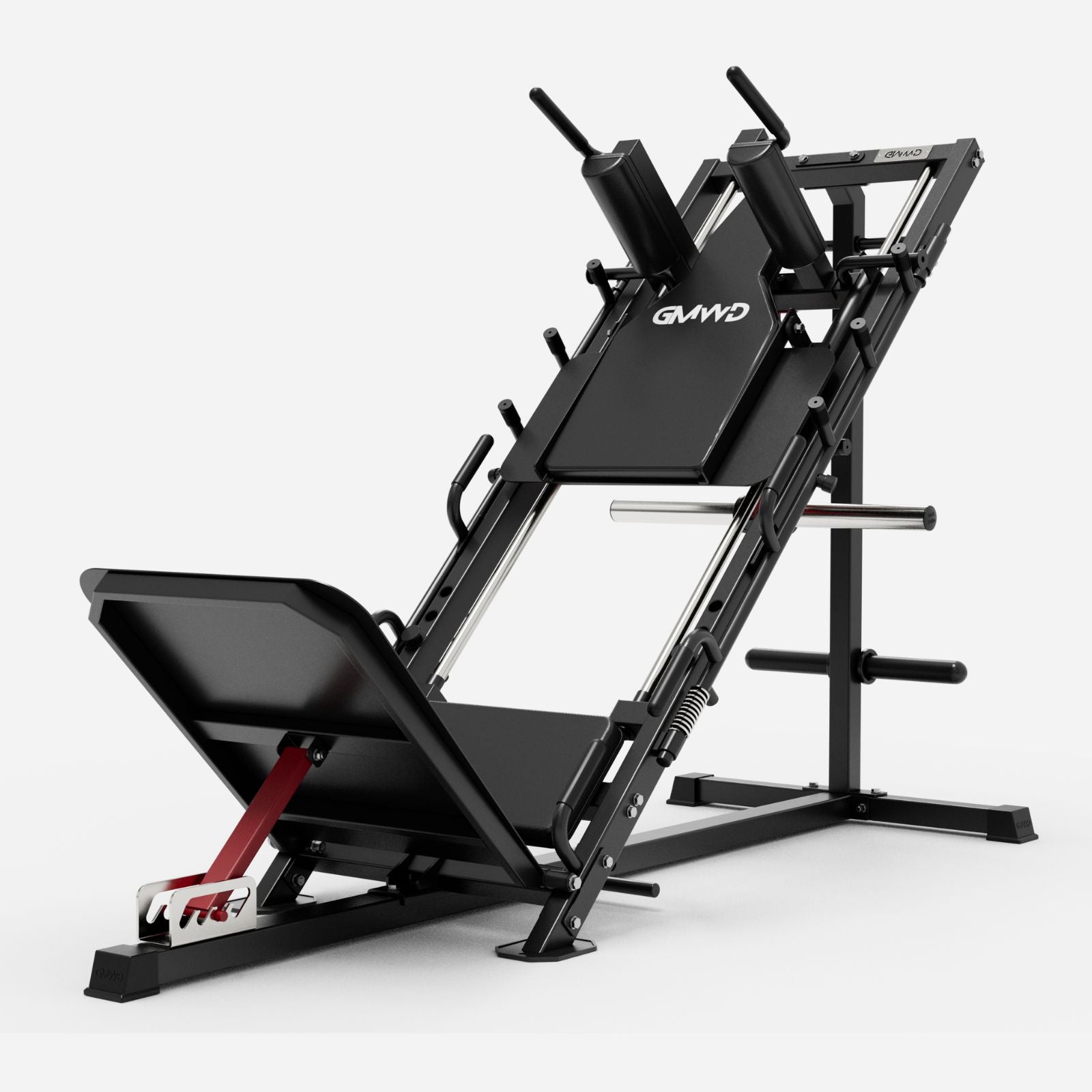
Proper Storage Techniques
Rust can damage gym equipment and shorten its life. Proper storage helps stop rust from forming. Keeping equipment dry and safe is very important.
Good storage practices protect your investment and keep your gym safe to use. Let’s look at ways to store equipment to prevent rust.
Controlling Humidity Levels
High humidity causes moisture to build on metal surfaces. This moisture leads to rust. Keep your gym area dry to stop this.
Use devices like dehumidifiers or air conditioners. These lower moisture in the air. Good airflow also helps reduce dampness.
- Install a dehumidifier in humid rooms
- Run fans to improve air circulation
- Keep windows open when weather allows
- Avoid storing equipment in basements or damp areas
Using Protective Covers
Covering gym equipment blocks dust and moisture. This keeps metal parts dry and clean. Use covers made for gym gear.
Make sure covers fit well and are breathable. This stops moisture from getting trapped inside. Remove covers often to check for rust.
- Choose waterproof but breathable covers
- Cover equipment after cleaning and drying
- Remove covers regularly to air out equipment
- Replace covers if they get wet or torn
Organizing Equipment To Avoid Damage
Proper organization prevents scratches and dents. Damaged paint or metal can rust faster. Store equipment neatly and off the floor.
Use racks or shelves to keep items separated. Do not stack heavy equipment on top of lighter pieces. Keep the area clean to avoid dirt buildup.
- Use racks for weights and bars
- Store machines with space between them
- Keep equipment off wet or dirty floors
- Clean storage areas often
Routine Maintenance Checks
Rust can damage your gym equipment and shorten its life. Regular checks help keep it safe and clean.
Doing routine maintenance stops rust from spreading and keeps your equipment working well.
Inspecting For Early Signs Of Rust
Look closely at metal parts for small rust spots. Check joints, bolts, and screws carefully.
Spotting rust early lets you clean it off before it gets worse.
- Check all metal surfaces weekly
- Use a cloth to wipe off dirt and dust
- Look under and behind equipment
Lubricating Moving Parts
Apply lubricant to joints, hinges, and other moving parts. This stops metal from rubbing and rusting.
Use the right oil or grease made for gym equipment for best results.
- Lubricate parts monthly
- Wipe off extra oil to avoid dirt buildup
- Focus on bearings, pulleys, and cables
Tightening Loose Components
Loose bolts and screws allow movement that can cause rust. Check and tighten them regularly.
Keeping parts tight stops metal from rubbing and wearing out.
- Inspect bolts and screws every two weeks
- Use the correct tools to tighten parts
- Replace worn or damaged fasteners promptly
Diy Rust Removal Methods
Rust on gym equipment can damage the metal and make machines unsafe. Removing rust quickly helps keep your gear working well. You can use easy, safe methods at home to clean rust.
This guide shows simple ways to remove rust using common items or commercial products. It also explains how to stop rust from coming back.
Using Vinegar And Baking Soda
White vinegar is acidic and breaks down rust on metal surfaces. Baking soda helps scrub rust away without scratching the equipment.
First, soak a cloth in vinegar and apply it to the rusty area. Let it sit for 30 minutes. Then, sprinkle baking soda on the spot and scrub gently with a brush or sponge. Rinse with water and dry well.
- Use white vinegar for soaking or wiping rust spots
- Apply baking soda to rust and scrub lightly
- Rinse and dry equipment after cleaning
Applying Commercial Rust Removers
Commercial rust removers are made to dissolve rust quickly. Follow the instructions on the label for safe use. Wear gloves and work in a ventilated area.
Apply the remover to the rusted metal with a cloth or brush. Let it work for the time suggested. Then wipe off the rust and clean the surface with water. Dry thoroughly to stop new rust.
- Choose rust remover suitable for gym equipment metal
- Follow all safety instructions on the product
- Remove rust and rinse surface well
- Dry equipment fully before use
Preventing Rust Return
After cleaning, protect your gym gear from rust again. Keep it dry and clean after every use. Use a cloth to wipe away sweat and moisture.
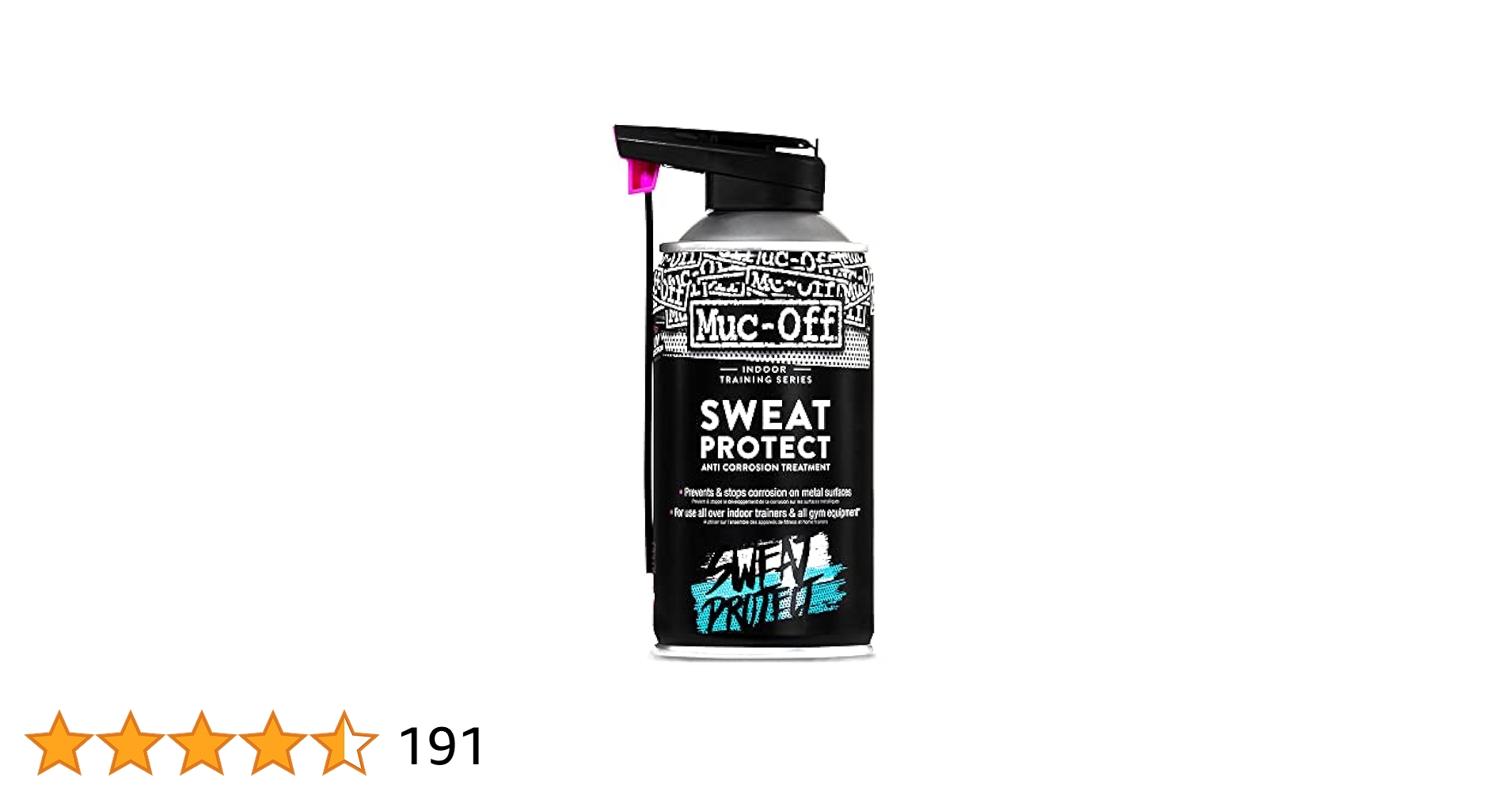
Apply a light coat of machine oil or rust protector spray on metal parts. Store equipment in a dry place. These steps help stop rust from coming back.
- Wipe down equipment to remove moisture
- Use oil or rust protection spray on metal surfaces
- Store gym gear in a dry environment
- Check regularly for early signs of rust
Frequently Asked Questions
How Often Should I Clean Gym Equipment To Prevent Rust?
Clean gym equipment at least once a week to prevent rust. Wipe down sweat and moisture promptly. Regular cleaning removes dirt and moisture, reducing rust risk effectively.
What Products Are Best To Protect Gym Equipment From Rust?
Use rust-resistant sprays, silicone-based lubricants, and mild cleaners. Avoid harsh chemicals that damage metal finishes. These products create a protective barrier and keep equipment dry.
Can Gym Equipment Rust If Stored Indoors?
Yes, indoor equipment can rust if exposed to moisture or poor ventilation. Maintain low humidity and ensure airflow to prevent rust formation indoors.
How Does Sweat Contribute To Rust On Gym Equipment?
Sweat contains salt and moisture, which accelerate metal corrosion. Wiping sweat off immediately helps minimize rust and prolong equipment life.
Conclusion
Keeping gym equipment rust-free is simple with regular care. First, clean surfaces often. Moisture invites rust. Next, use protective sprays. They add a barrier. Store equipment in dry places. Humidity speeds up rusting. Regular inspections help spot early signs of rust.
Address issues quickly. Also, use rust-resistant materials when possible. Stainless steel and aluminum are good choices. Lastly, train gym users to handle equipment properly. Proper use reduces wear and tear. With these steps, gym equipment stays in top condition. Enjoy a longer lifespan and safer workouts.
Remember, maintenance matters. Keep equipment rust-free!
