Are you ready to boost your leg strength but worried about doing the leg press wrong? Knowing how to perform a proper leg press safely is key to getting strong muscles without risking injury.
You’ll discover simple, clear steps to master the leg press machine with confidence. Whether you’re a beginner or looking to improve your form, these tips will help you protect your knees, back, and joints while maximizing your workout results. Keep reading to unlock the secrets of a safe and effective leg press that will transform your fitness routine.
Benefits Of The Leg Press
The leg press is a popular exercise for building lower body strength. It offers many benefits for fitness and health. This exercise helps develop muscles, improve endurance, and protect against injuries. Understanding these benefits can motivate you to perform the leg press properly and safely.
Muscle Groups Targeted
The leg press mainly works the quadriceps, hamstrings, and glutes. These muscles control knee and hip movements. It also activates calves and lower back muscles for support. This makes the leg press a great choice for balanced leg strength. Targeting multiple muscles helps improve overall leg power and shape.
Strength And Endurance Gains
Regular leg press exercises increase muscle strength. Stronger legs help with daily activities like walking and climbing stairs. The leg press also boosts muscular endurance. Endurance helps muscles work longer without feeling tired. This improves performance in sports and other workouts.
Injury Prevention
Building strong leg muscles protects joints and bones. The leg press strengthens muscles around the knees and hips. This support reduces the risk of injuries in these areas. Proper use of the leg press can help avoid strains and sprains. It also improves balance and stability, lowering fall risk.
Choosing The Right Equipment
Choosing the right equipment is key to performing a leg press safely. The right machine supports your body and helps prevent injury. It also makes your workout more effective. Picking the correct leg press machine depends on your fitness level and comfort. Understanding different types and features of machines helps you make a smart choice.
Types Of Leg Press Machines
There are several types of leg press machines. The most common are the horizontal, 45-degree, and vertical leg press machines. Horizontal machines have a seat that moves straight back. 45-degree machines push at an angle, which feels more natural. Vertical machines have a footplate above your body, pushing straight up. Each type targets muscles slightly differently. Choose one that feels comfortable and fits your space.
Adjusting Seat And Footplate
Proper seat and footplate adjustment is crucial. The seat should support your back fully. Your knees must bend at about a 90-degree angle at the start. Adjust the footplate so your feet sit flat and hip-width apart. This position helps spread force evenly. Avoid locking your knees at the end of the movement. Proper adjustments reduce strain and protect your joints.
Safety Features To Look For
Safety features make your leg press safer. Look for machines with adjustable safety stops. These prevent the weight from dropping too low. Check for secure handles to hold during the press. The machine should have a smooth motion without jerks. A stable base and quality build reduce the risk of tipping. Prioritize machines with clear instructions and easy controls.
Setting Up For Success
Setting up correctly is key to a safe and effective leg press. It prepares your body to work well and avoid injury. Small adjustments make a big difference in comfort and results.
Follow these steps to get ready before you start pressing.
Proper Foot Placement
Place your feet shoulder-width apart on the platform. Keep them flat and steady. Position your feet too high or too low can strain your knees or hips. Your toes should point slightly outward. This stance supports balanced muscle use and joint safety.
Body Positioning Tips
Sit back firmly against the seat. Your back must stay flat on the pad. Avoid arching or lifting your lower back. Keep your head and neck relaxed and aligned. Hold the handles to keep your upper body steady. Proper positioning reduces stress and improves power.
Selecting Appropriate Weight
Choose a weight you can press smoothly eight to twelve times. Avoid weights that feel too heavy or cause shaking. Start light to learn the motion and build strength. Increase weight gradually to prevent injury. Always listen to your body’s signals.

Step-by-step Leg Press Technique
Performing the leg press with proper technique keeps you safe and improves results. This step-by-step guide breaks down the correct way to use the leg press machine. Follow these simple steps for a strong, controlled workout.
Starting Position
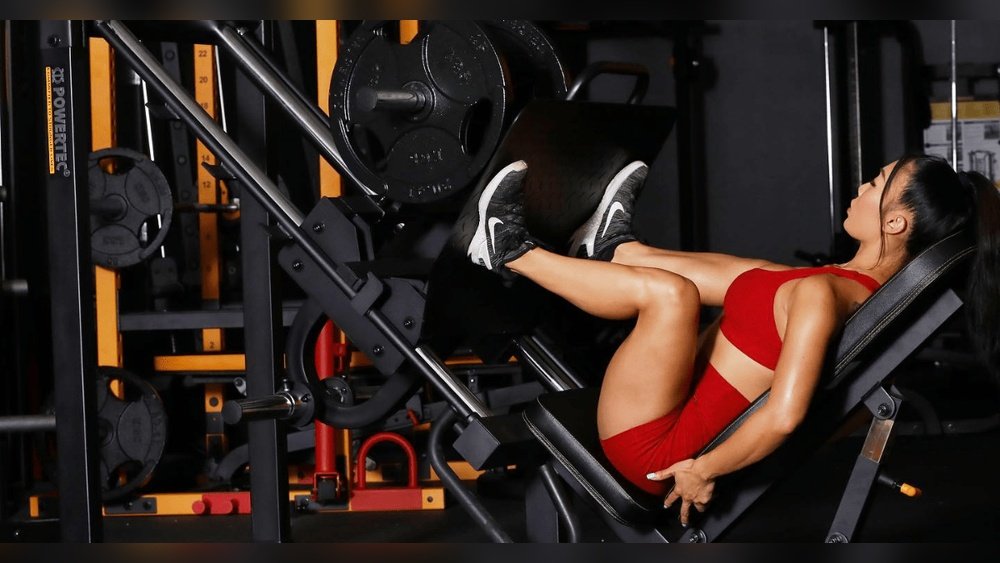
Sit on the leg press seat with your back flat against the pad. Place your feet shoulder-width apart on the platform. Keep your heels flat and your toes pointing slightly outward. Adjust the seat so your knees form about a 90-degree angle. Hold the handles on the sides to keep your upper body steady.
Controlled Movement
Push the platform away by extending your legs. Do not lock your knees at the top. Slowly bend your knees to lower the platform back down. Keep the movement smooth and steady. Avoid jerky or fast motions to protect your joints.
Breathing Patterns
Inhale deeply as you bend your knees and lower the platform. Exhale fully while pushing the platform away. Breathing steadily helps keep your muscles oxygenated. It also supports better control and strength during the exercise.
Common Mistakes To Avoid
Performing the leg press correctly is key to building strength and avoiding injury. Many people make common mistakes that reduce the exercise’s benefits and increase risk. Knowing what to avoid helps you get the most from each session. Below are frequent errors and tips to keep your leg press safe and effective.
Locking The Knees
Locking the knees at the top of the movement puts too much stress on the joints. It can cause pain or injury over time. Keep a slight bend in your knees to protect them. This also keeps the muscles engaged throughout the exercise.
Using Excessive Weight
Choosing weights that are too heavy reduces control and form. It increases the chance of strain or accidents. Start with manageable weight and increase slowly as you build strength. Focus on smooth, controlled movements instead of lifting heavy quickly.
Incorrect Foot Placement
Placing your feet too high or too low changes which muscles work and can cause knee or hip strain. Position your feet shoulder-width apart in the center of the platform. This alignment helps maintain proper form and targets the right muscle groups.
Safety Precautions During Leg Press
Safety is the top priority during the leg press exercise. Taking proper precautions helps avoid injury and improves workout results. Paying attention to your body’s signals and preparing correctly keeps you safe. Following simple steps creates a secure workout environment. Below are key safety measures for leg press training.
Warm-up Exercises
Start with light cardio to get your blood flowing. Perform dynamic stretches for your legs and hips. This increases muscle flexibility and reduces injury risk. A good warm-up prepares your muscles for the heavy load. Spend at least five to ten minutes warming up.
Spotting And Assistance
Using a spotter adds a layer of safety during heavy lifts. A spotter can help if the weight feels too much. Make sure the spotter knows how to assist properly. Some machines have safety stops—always use them. Never lift more weight than you can control.
Listening To Your Body
Pay close attention to any pain or discomfort. Stop immediately if you feel sharp pain. Muscle fatigue is normal, but pain is a warning sign. Take breaks between sets to recover. Adjust the weight or form if you feel strain in joints.
Incorporating Leg Press Into Your Routine
Adding the leg press to your workout can help build strong legs and improve overall fitness. It targets muscles like the quadriceps, hamstrings, and glutes. Using the leg press regularly can support better balance and increase lower body strength. Planning how to include it in your routine is important for good results and safety.
Frequency And Volume
Train legs with the leg press two to three times a week. Keep sessions spaced out to allow muscle recovery. Start with light weights and 2 to 3 sets of 10 to 12 reps. Gradually increase weight or sets as strength improves. Avoid overdoing it to prevent injury or fatigue.
Balancing With Other Exercises
Include other leg exercises like squats, lunges, and calf raises. These moves target muscles that the leg press may miss. Balance your workout by working different muscle groups. This approach helps avoid muscle imbalances and enhances overall strength. Stretch before and after to keep muscles flexible.
Progress Tracking Tips
Keep a workout journal or use an app to log your leg press sessions. Record weight, sets, and reps each time. Note how your legs feel after workouts. Track progress every week or two to see strength gains. Adjust your routine based on your recorded progress for best results.


Frequently Asked Questions
How Do I Position My Feet On The Leg Press?
Place your feet shoulder-width apart on the platform. Keep toes slightly pointed out. This positioning ensures balanced muscle engagement and reduces knee strain during the exercise.
What Is The Correct Knee Angle During Leg Press?
Bend your knees to about 90 degrees or slightly less. Avoid locking your knees at the top. This protects your joints and maximizes muscle activation safely.
How Much Weight Should I Use On Leg Press?
Start with a manageable weight that allows 10-12 reps with good form. Gradually increase as strength improves. Avoid heavy weights that cause poor form or pain.
How Do I Avoid Lower Back Injury During Leg Press?
Keep your back flat against the seat pad throughout the movement. Avoid arching or lifting your hips. This maintains spine alignment and prevents strain.
Conclusion
Performing the leg press safely protects your muscles and joints. Always start with light weights to avoid injury. Keep your back flat against the seat during each press. Controlled movements work muscles better and reduce strain. Don’t lock your knees at the top of the press.
Breathe steadily and focus on proper form throughout. Consistency and patience bring the best results over time. Stay mindful and enjoy the benefits of strong legs.
