
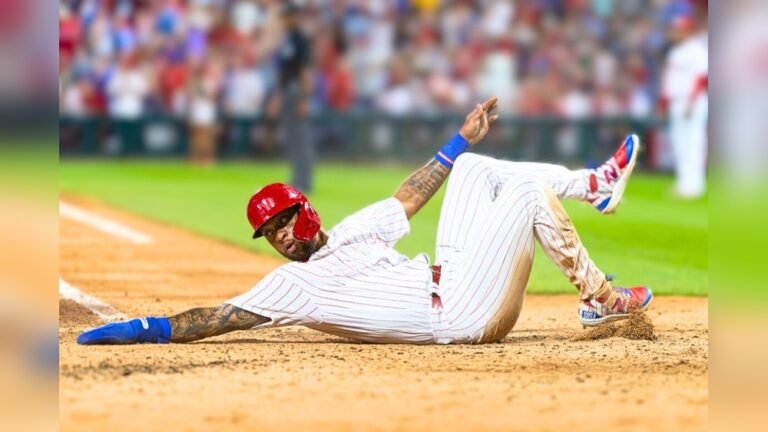
Sliding into bases is one of the most exciting moments in baseball. Players dive, glide, and sometimes tumble, all to reach a base before being tagged out. But behind these fast movements is careful practice, technique, and safety measures. Learning how to slide safely is not just about speed.
It’s about avoiding injury, understanding the right movements, and knowing when to use each type of slide. Whether you’re new to baseball or curious about how professionals master this skill, this article explains every detail.
Why Sliding Matters In Baseball
Sliding is more than just a way to reach a base. It helps players avoid tags, improves their chances of staying safe, and sometimes even changes the outcome of a game. Coaches teach sliding early because it prevents injuries and boosts performance. Without proper sliding, players risk hurting their ankles, knees, or hands. Safe sliding also shows respect for teammates and the game itself.
Types Of Baseball Slides
Players use different slides based on the situation. Each slide has its own purpose and safety concerns.
| Slide Type | Main Use | Safety Tips |
|---|---|---|
| Feet-first slide | Most common, used for all bases | Keep legs straight, avoid twisting |
| Head-first slide | Used for quick reach to base | Protect hands and face, keep elbows up |
| Hook slide | Avoid tag by sliding to side | Turn hips, use one leg to touch base |
| Pop-up slide | Quickly stand after sliding | Use momentum to rise, avoid knee strain |
Feet-first Slide
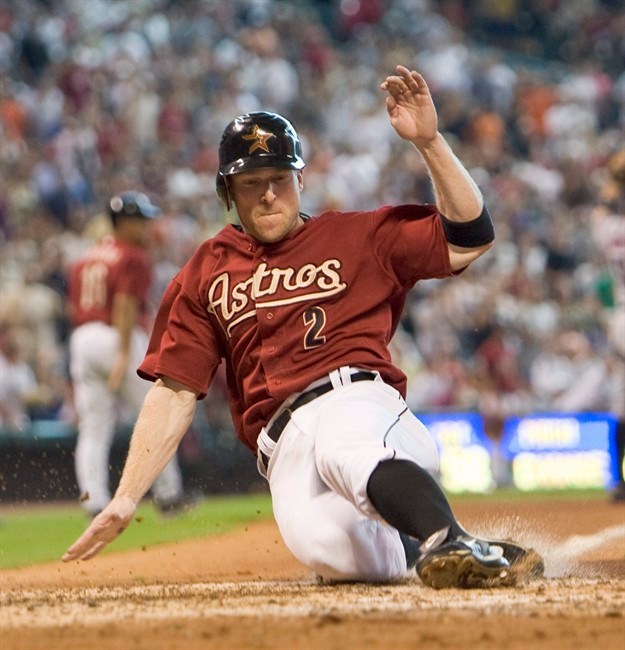
This is the classic slide. Players sit back, legs extended, and use the momentum to reach the base. The feet-first slide is safest for beginners. It prevents head and hand injuries, but players must keep their ankles locked and avoid twisting.
Head-first Slide
This slide lets players reach the base quickly with their hands. It looks dramatic but can be risky. To stay safe, players keep their heads up, arms extended, and fingers curled. Coaches stress the importance of not leading with the face.
Hook Slide
The hook slide is used to avoid tags. Players approach the base from an angle, swinging one leg around to touch the base while the body moves past. This slide takes more practice and is often used at second or third base.
Pop-up Slide
A pop-up slide lets players slide and then stand up quickly. This is useful when the play isn’t over or when a throw is coming. Players use their momentum to push off and rise, reducing the risk of getting stepped on by defenders.
Safe Sliding Techniques
Learning to slide safely is a step-by-step process. Coaches break it down into clear instructions and repeat drills often.
Step-by-step Feet-first Slide
- Start with a jog: Players approach the base at a controlled speed.
- Lower the body: Bend knees and sit back, keeping the chest upright.
- Extend legs: Both legs go forward, with ankles locked and toes up.
- Lean back: The body’s weight shifts to the buttocks and hips.
- Touch base with foot: One foot makes contact with the base, never the knees.
- Use hands for balance: Hands are raised for balance, not for bracing.
Step-by-step Head-first Slide
- Approach at speed: Running fast helps create momentum.
- Dive forward: Players push off with their legs, arms extended.
- Keep head up: Looking ahead prevents facial injury.
- Curl fingers: This protects the fingers and hands from getting jammed.
- Slide on chest and stomach: The body stays low to the ground.
Common Mistakes Beginners Make
- Bracing with hands: Many try to stop with their hands, leading to wrist injuries.
- Twisting knees: Twisting legs during the slide can cause sprains.
- Sliding too early: Timing is key. Sliding too far from the base slows players down.
- Sliding too late: This risks missing the base or colliding with defenders.
Equipment For Safe Sliding
Baseball players use special gear to keep sliding safe. The right equipment prevents scrapes, bruises, and more serious injuries.
Sliding Mitts
A sliding mitt is a padded glove worn on one hand. It protects fingers and wrists during head-first slides. Many professional players use them now, especially after seeing hand injuries rise.
Baseball Pants
Players wear durable pants with extra padding. This protects the thighs, hips, and knees during slides. Material matters—a tough fabric lasts longer and reduces friction burns.
Cleats
Baseball cleats give players traction. But they must be careful not to catch the base with the cleats, which can twist ankles. Coaches teach players to slide with toes up, not pointed.
Knee And Elbow Pads
Some players use knee pads and elbow pads, especially during practice. This is common for youth leagues, where safety is a bigger concern.
| Equipment | Main Protection | Who Uses It Most |
|---|---|---|
| Sliding mitt | Hands and fingers | Head-first sliders |
| Baseball pants | Hips, thighs, knees | All players |
| Knee/elbow pads | Knees, elbows | Youth, beginners |
| Cleats | Feet, traction | All players |

Drills And Training Methods
Practicing slides is not just about repeating the movement. Coaches use drills to build muscle memory, confidence, and safety.
Dry Sliding Drills
Players start by sliding on grass or turf without bases. This helps them learn the movement without the risk of hitting a hard base. Coaches often set up cones to mark where players should start their slide.
Sliding Pad Drills
A sliding pad is a soft, cushioned mat placed on the field. Players run and slide onto the pad, focusing on technique. This reduces friction burns and lets players practice over and over.
Base Target Drills
In this drill, coaches place a base or marker and challenge players to hit it with their foot or hand. Timing and accuracy are key. Players learn when to start their slide and how to aim for the base.
Pop-up Slide Practice
Players practice sliding and then quickly standing up. Coaches time them to see how fast they can rise. This drill builds agility and helps players avoid collisions.
Hook Slide Obstacle
To practice hook slides, coaches place objects near the base to simulate defenders. Players must slide around the obstacle and touch the base with one leg.
Statistics And Injury Data
Sliding is one of the main causes of injury in youth baseball. According to the American Academy of Pediatrics, about 10% of baseball injuries are related to sliding, with most being minor scrapes, but some causing broken bones or ligament tears.
Head-first slides are more risky. Professional players have seen hand injuries increase by 30% over the past decade. This is why sliding mitts have become more popular.
A study from the NCAA found that feet-first slides lead to fewer injuries, especially for beginners. Coaches often teach this slide first before moving to advanced techniques.
| Slide Type | Injury Rate | Common Injuries |
|---|---|---|
| Feet-first | Low | Bruises, scrapes |
| Head-first | High | Hand, wrist fractures |
| Hook slide | Medium | Knee sprains |
| Pop-up slide | Low | Minor bumps |

Coaching Tips For Safe Sliding
Coaches play a big role in teaching safe sliding. They focus on technique, timing, and awareness.
- Emphasize technique over speed: Speed comes with practice, but safe form is always first.
- Demonstrate every slide: Coaches show slides themselves before letting players try.
- Use visual cues: Mark spots on the field where players should begin their slide.
- Monitor weather and field conditions: Wet fields increase risks. Coaches adjust drills if the ground is slippery.
- Encourage communication: Players should listen for base coaches and teammates to know when to slide.
Advanced Sliding Strategies
Once players master basic slides, they learn advanced strategies to boost their game.
Reading The Defense
Players watch defenders for cues. If a baseman moves to block the base, a hook or pop-up slide may be safer. Reading the defense helps avoid collisions.
Timing The Slide
Experienced players know exactly when to start their slide. Too early or too late can mean the difference between safe and out. Practicing timing with game scenarios builds confidence.
Using Sliding For Stealing Bases
When stealing bases, sliding is critical. Players must decide which slide will avoid the tag. Head-first slides are common for steals, but only if players are confident and protected.
Recovery After Sliding
Standing up quickly after a slide keeps players ready for the next play. Coaches teach players to finish slides smoothly, avoiding awkward positions.
Non-obvious Insights
Many beginners miss these details:
- Sliding is mental as well as physical: Players must decide in a split second which slide to use. Practice builds this decision-making skill.
- Conditioning matters: Strong core muscles help players control their slide. Weak muscles lead to awkward landings and higher injury risk.
Frequently Asked Questions
How Do Players Know Which Slide To Use?
Players choose their slide based on the situation, the position of defenders, and their own comfort. Coaches teach players to read the field and adjust. Feet-first slides are safest, but head-first slides are faster when reaching a base is critical.
Are Sliding Mitts Required For All Players?
Sliding mitts are not required, but many professionals use them, especially for head-first slides. They protect hands and fingers. Youth leagues may encourage them, but most safety comes from good technique.
How Can Beginners Avoid Injuries While Sliding?
Beginners should focus on feet-first slides, use proper equipment, and listen to coaches. Starting with dry drills and pads builds confidence and reduces risk. Never brace with hands or twist knees.
What Is The Best Way To Practice Sliding At Home?
Practicing sliding at home can be done on grass with old pants and pads. Use cones as targets, and focus on form. Avoid sliding on hard surfaces. Watching videos from MLB.com can help understand technique.
Can Sliding Technique Change Depending On Field Conditions?
Yes, sliding changes with weather and ground type. Wet fields require more caution, as players can slide too far or lose control. Coaches adjust drills based on conditions, and players learn to adapt their speed and timing.
Sliding into bases is a skill that takes time and careful practice. Using the right techniques, equipment, and drills, baseball players can master safe sliding and enjoy the game without unnecessary risks. Good sliding protects players, keeps games fair, and adds excitement to every play.
Whether you’re just starting or aiming to improve, remember that safety and smart practice are the foundation of every great slide.
