

Are you wondering if walking on a treadmill can really help you lose weight? You’re not alone.
Many people want an easy and effective way to burn calories without intense workouts. The good news is, walking on a treadmill might be exactly what you need. But how much weight can you actually lose? And what’s the best way to use the treadmill to reach your goals?
Keep reading, because we’re breaking down everything you need to know to make your treadmill time count and see real results.

Treadmill And Weight Loss Connection
The connection between treadmills and weight loss is clear and simple. Walking or running on a treadmill burns calories. Burning more calories than you eat causes weight loss. A treadmill offers a controlled way to exercise daily. It helps maintain consistent activity regardless of weather or time.
Treadmill workouts fit different fitness levels. Beginners can start with slow walking. Advanced users can try jogging or running. The treadmill also allows adjusting speed and incline. This variation increases calorie burn and strengthens muscles. Staying active on a treadmill supports fat loss and improves health.
How Treadmill Exercise Burns Calories
Calories burn through movement and effort. The treadmill requires you to move your legs constantly. This movement uses energy from calories stored in your body. The faster or harder you work, the more calories burn. Adding incline makes your muscles work more. This increases calorie burn and helps lose weight faster.
Benefits Of Walking Vs. Running On A Treadmill
Walking is easier on joints and good for beginners. It still burns calories and improves heart health. Running burns more calories in less time. It also builds stronger muscles and endurance. Both walking and running help lose weight. Choose the one that fits your fitness and comfort level.
Tips For Maximizing Weight Loss On A Treadmill
Consistency is key. Exercise at least 3 to 5 times weekly. Increase your treadmill speed or incline gradually. Try interval training by switching fast and slow paces. Use good posture to avoid injury. Combine treadmill workouts with a balanced diet for best results.
Calories Burned Walking On Treadmill
Walking on a treadmill is a popular way to burn calories. It helps many people lose weight. The number of calories burned depends on several factors. These include speed, duration, and your body weight. Understanding how many calories you burn can motivate you to stay active.
Calories Burned Based On Speed
Walking faster burns more calories. At a slow pace, around 2 miles per hour, you burn fewer calories. Increasing speed to 3.5 or 4 miles per hour raises calorie burn. Even small changes in speed can make a difference.
Effect Of Walking Duration
Longer walks burn more calories. A 30-minute walk burns fewer calories than a 60-minute walk. Consistency is key. Regular treadmill sessions add up to significant calorie loss over time.
Impact Of Body Weight On Calorie Burn
Heavier people burn more calories walking at the same pace. For example, a person weighing 180 pounds burns more than someone weighing 130 pounds. This happens because moving more weight uses more energy.
Incline And Calories Burned
Walking on an incline increases calorie burn. The treadmill simulates uphill walking. This requires more effort and energy. Even a small incline can boost calorie use.
Best Walking Speeds For Fat Burn
Choosing the right walking speed on a treadmill can make a big difference in burning fat. The speed affects how many calories you burn and how hard your body works. Walking too slow may not burn enough calories. Walking too fast can be hard to keep up for long. Finding a good pace helps you burn fat efficiently and stay safe.
Different speeds serve different purposes. Some speeds focus on warming up. Others target fat burning or improving endurance. Knowing these speeds helps you plan your treadmill workouts better. It also keeps your exercise interesting and effective.
Slow Pace: 2 To 3 Mph
This speed is perfect for beginners or warm-ups. It is easy to maintain and helps your body get moving. At this pace, your body burns calories mainly from fat. Walking slowly for a long time can still help you lose weight. It is gentle on your joints and muscles.
Moderate Pace: 3 To 4 Mph
This speed burns more calories than a slow pace. It raises your heart rate to a moderate level. Your body uses a mix of fat and carbohydrates for energy. Walking at this speed for 30 to 60 minutes helps improve fitness. It is a good pace for steady fat loss.
Brisk Pace: 4 To 5 Mph
This pace is fast and challenging. It increases your heart rate and breathing. Your body burns a higher number of calories per minute. Walking briskly helps lose fat quickly. It also builds endurance and tones muscles. This speed works well for interval training on a treadmill.
Incline Settings And Impact
Adjusting the treadmill incline increases effort and burns more calories. Walking uphill engages more muscles, helping with weight loss. Small changes in incline can make workouts harder and more effective.
Understanding Treadmill Incline Settings
Incline settings change the slope of the treadmill belt. Walking uphill burns more calories than walking on flat ground. Even a small incline increases workout intensity. This makes your body work harder without running.
Adjusting the incline helps target different muscle groups. It activates your calves, glutes, and thighs more effectively. This leads to better muscle tone and higher calorie burn. Incline walking also improves cardiovascular fitness.
How Incline Affects Weight Loss
Using incline can speed up weight loss. The body uses more energy to move uphill. This means more calories burned during the same time. Incline workouts can help break through weight loss plateaus.
Incline walking boosts metabolism after exercise. This helps burn calories even after your workout ends. It also reduces the risk of joint pain. The incline lowers impact compared to running but increases effort.
Choosing The Right Incline Level
Start with a low incline if new to treadmill walking. A 1-2% incline feels like a slight uphill walk. Increase incline gradually to avoid muscle strain. Listen to your body and adjust as needed.
Mix incline levels for variety and challenge. Use intervals of flat and inclined walking. This keeps workouts interesting and effective for weight loss. Consistency and effort matter more than steep inclines.
Duration And Frequency Tips
Walking on a treadmill can help with weight loss. The time you spend walking and how often you do it matters a lot. Choosing the right duration and frequency makes your efforts more effective.
Short walks might not burn enough calories. Long sessions can improve fat loss and fitness. Consistency is key to seeing good results over time.
Recommended Duration For Treadmill Walking
Start with 20 to 30 minutes per session. This is enough to boost your metabolism. Gradually increase to 45 minutes or more. Longer walks burn more calories and fat. Avoid very long sessions at first to prevent injury.
Ideal Frequency For Weight Loss
Walk at least 4 to 5 times a week. Regular exercise helps maintain calorie burn. Skipping days lowers the overall effect. Rest days are important for muscle recovery. Aim for a balance between activity and rest.
Tips For Staying Consistent
Set a daily walking schedule. Choose the same time to build habit. Track your progress to stay motivated. Mix treadmill walking with other exercises. Small changes lead to big results over time.
Combining Treadmill With Diet
Combining treadmill exercise with a healthy diet boosts weight loss results. Walking on a treadmill burns calories, but diet controls calorie intake. Together, they create a calorie deficit needed for weight loss.
Exercise alone may not lead to significant weight loss without proper nutrition. A balanced diet supports your energy levels and helps your body burn fat efficiently. Both treadmill walking and diet work best as a team.
Creating A Calorie Deficit
Weight loss happens when you burn more calories than you eat. Walking on a treadmill increases calorie burn. Eating fewer calories helps deepen the calorie deficit. This deficit forces your body to use stored fat for energy.
Track your food intake and treadmill workouts. Adjust your calories and exercise to maintain a steady weight loss pace.
Choosing Nutritious Foods
Eat whole foods rich in nutrients to fuel workouts. Vegetables, fruits, lean proteins, and whole grains support muscle repair and energy. Avoid processed foods high in sugar and fat. These foods add extra calories without benefits.
Good nutrition improves workout performance and recovery. It helps you stay consistent with treadmill walking.
Timing Meals Around Workouts
Eating before treadmill sessions provides energy for exercise. A small snack with carbs and protein works well. After walking, eat a balanced meal to aid muscle recovery. Proper timing can boost your stamina and fat loss.
Stay hydrated before, during, and after treadmill workouts. Water helps maintain energy and supports metabolism.
Interval Walking For Faster Results
Interval walking on a treadmill mixes fast and slow walking periods. This method burns more calories than steady walking. It also boosts your metabolism for hours after exercise.
Short bursts of speed raise your heart rate. Then, slower walking helps you recover. This pattern challenges your body and improves fitness quickly.
What Is Interval Walking?
Interval walking means changing your speed regularly. Walk fast for 1 minute, then slow for 2 minutes. Repeat this cycle several times during your workout.
This style makes treadmill walking more effective for weight loss. It is easy to adjust based on your fitness level.
Benefits Of Interval Walking
It burns more fat than steady walking. It increases endurance and muscle strength. You can do it in less time but get more results.
Interval walking also helps keep workouts interesting. This reduces boredom and helps you stay consistent.
How To Start Interval Walking On A Treadmill
Begin with a warm-up of slow walking for 5 minutes. Then speed up for 30 seconds to 1 minute. Slow down for 1 to 2 minutes. Repeat for 15 to 30 minutes.
Adjust speed and time based on your comfort and goals. Finish with a cool-down walk to relax your muscles.
Avoiding Common Mistakes
Avoiding common mistakes helps you lose weight faster on a treadmill. Many people walk but miss key steps. These errors can slow progress or cause injury. Fixing these habits makes treadmill walking more effective and safe.
Not Using Proper Walking Form
Good posture improves calorie burn and reduces pain. Keep your head up and shoulders relaxed. Swing your arms naturally to boost movement. Avoid slouching or leaning forward. Step with your heel first, then roll to your toes.
Walking Too Slowly
Slow walking burns fewer calories. Aim for a brisk pace that raises your heart rate. You should feel warm but still able to talk. Increasing speed slightly can make a big difference in weight loss.
Skipping Warm-up And Cool-down
Start with a slow walk to warm muscles. End your session by walking slowly to cool down. This prevents soreness and injury. Your body adapts better to exercise with proper warm-up and cool-down.
Ignoring Interval Training
Walking at the same speed wastes potential fat burn. Mix fast and slow walking intervals. This pushes your body to burn more calories. Try 1-2 minutes fast, then 2 minutes slow. Repeat several times during your workout.
Not Tracking Progress
Without tracking, it’s hard to see improvement. Use a treadmill display or app to record time, distance, and speed. Set small goals each week. Tracking keeps you motivated and focused on weight loss.
Tracking Progress Effectively
Tracking progress helps keep weight loss goals on track. It shows how well walking on a treadmill works for you. Without tracking, it is hard to see real results. Small changes can be missed.
Good tracking gives clear feedback. This helps adjust workouts to burn more calories. It also keeps motivation high. Seeing progress boosts confidence and keeps you moving forward.
Using A Fitness App
Fitness apps record your treadmill walks automatically. They track distance, speed, and calories burned. Some apps also log heart rate and steps. These details give a full picture of your workout. Check your progress daily or weekly.
Apps often show charts and graphs. These visuals make it easy to understand trends. They highlight improvements and areas to work on.
Keeping A Workout Journal
A workout journal is a simple way to track progress. Write down your treadmill time, speed, and feelings each session. Note any changes in weight or energy levels. This record helps spot patterns over time.
Journals encourage consistency. Writing about your progress makes workouts feel more real. It helps you stay responsible to your goals.
Measuring Body Changes
Weight loss is more than numbers on a scale. Measure waist, hips, and chest regularly. Clothes fitting better shows real change. Track these measurements alongside treadmill workouts.
Body changes often come before big weight shifts. This keeps you motivated even if scale numbers stay steady.
Additional Benefits Of Treadmill Walking
Walking on a treadmill does more than just help with weight loss. It offers many other health benefits. These benefits improve overall fitness and mental well-being. Here are some key advantages of treadmill walking beyond burning calories.
Improves Heart Health
Walking on a treadmill strengthens the heart. It helps lower blood pressure and bad cholesterol. This reduces the risk of heart disease. Regular treadmill walking keeps your heart strong and healthy.
Boosts Mood And Reduces Stress
Exercise releases feel-good chemicals in the brain. Treadmill walking can reduce anxiety and stress levels. It helps clear your mind and improves sleep quality. A short walk on the treadmill lifts your mood quickly.
Enhances Joint Flexibility
Walking keeps joints moving and flexible. Treadmill walking is gentle on knees and hips. It helps reduce stiffness and pain. This makes daily activities easier and less painful.
Supports Better Balance And Coordination
Walking regularly improves your balance. The treadmill challenges your body to stay steady. It helps prevent falls, especially in older adults. Better coordination means safer movement every day.
Easy To Customize Workouts
Treadmills allow you to adjust speed and incline. This lets you control workout intensity. You can start slow and increase difficulty over time. This keeps your exercise routine fresh and effective.
Frequently Asked Questions
Does Walking On Treadmill Burn Belly Fat?
Walking on a treadmill helps burn calories, which reduces overall body fat, including belly fat. Consistent walking combined with a healthy diet enhances fat loss and improves metabolism effectively.
How Long Should I Walk On Treadmill Daily?
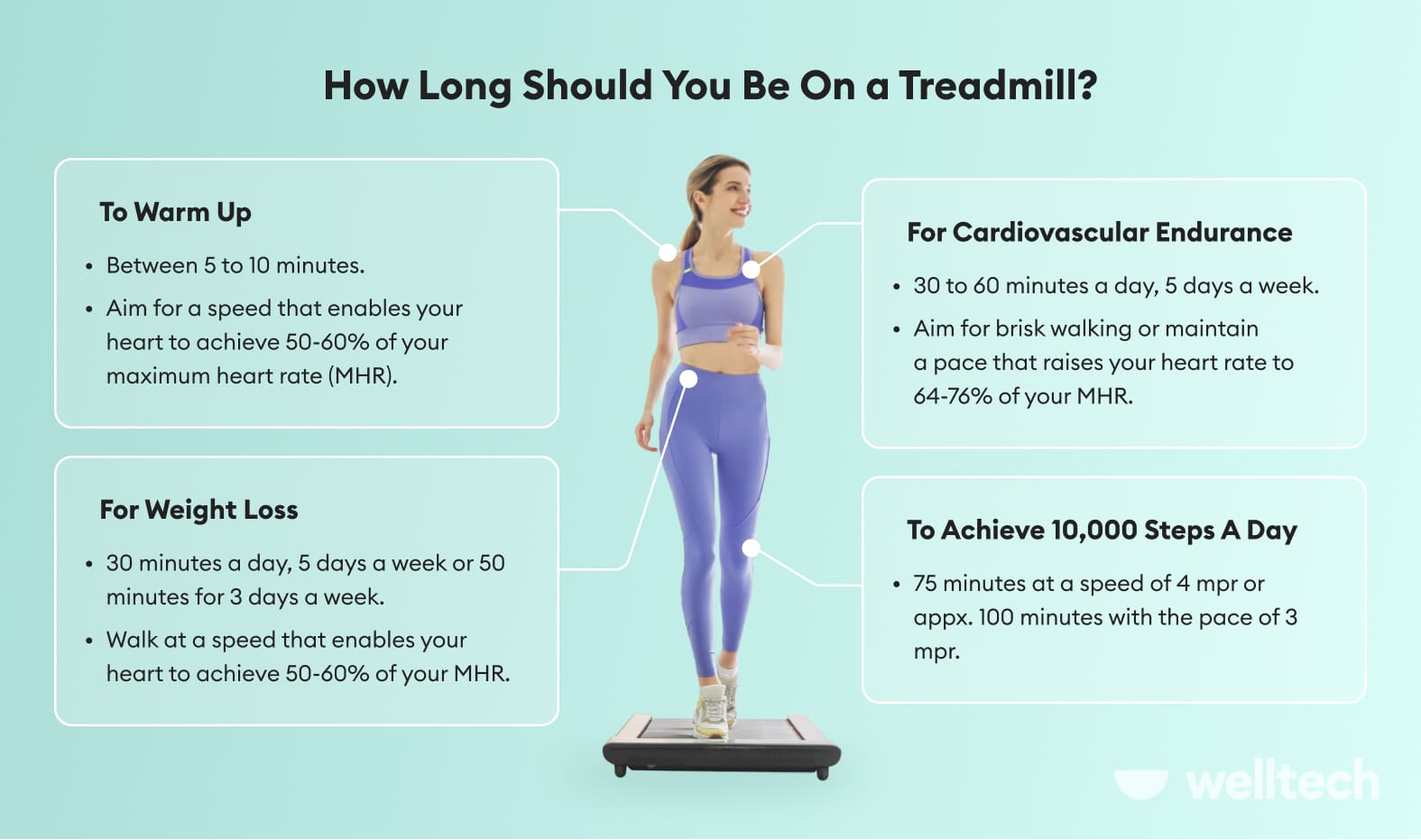
Walking 30 to 60 minutes daily on a treadmill is ideal for weight loss. Consistency and moderate intensity help maximize calorie burn and improve cardiovascular health.
Can Treadmill Walking Replace Running For Weight Loss?
Yes, treadmill walking can replace running for weight loss. It is low-impact, easier on joints, and still burns significant calories when done regularly and at a brisk pace.
What Speed Is Best For Weight Loss On Treadmill?
A brisk walking speed of 3. 5 to 4. 5 mph is effective for weight loss. This pace raises heart rate, burns calories, and improves endurance without causing excessive strain.
Conclusion
Walking on a treadmill can help you lose weight effectively. It burns calories and improves your heart health. Consistency matters more than speed or distance. Combine walking with a healthy diet for best results. Small steps every day add up to big changes.
Stay patient and keep moving forward. Weight loss is a journey, not a quick fix. Enjoy the process and celebrate your progress.
