
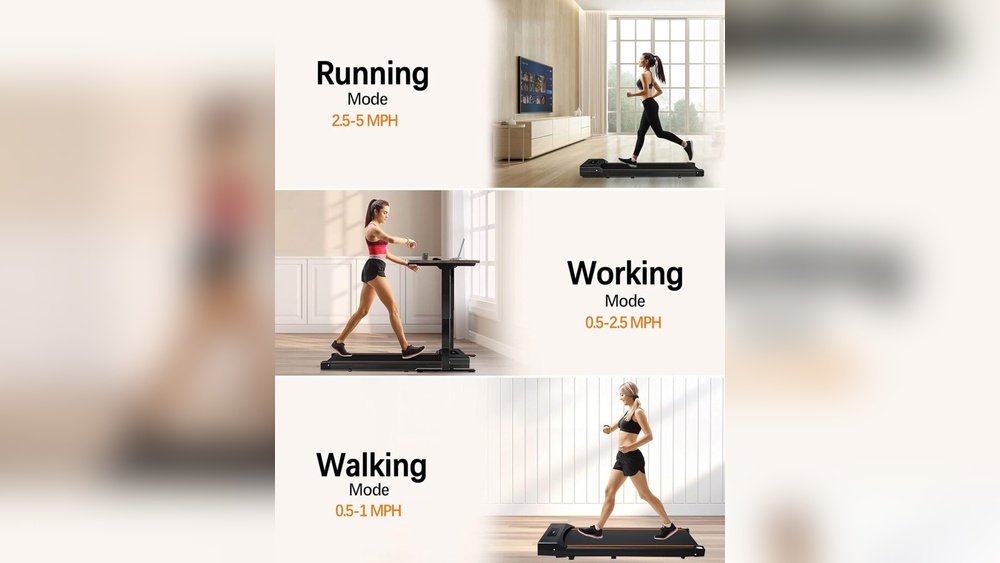
Have you ever wondered if you can run on a walking pad? If you’re looking for a convenient way to stay active indoors, this question might be on your mind.
You want to get more out of your walking pad, but is it safe and effective to run on it? Keep reading to discover the surprising truth and find out how you can make the most of your walking pad for your fitness goals.
Your next workout could be easier than you think.
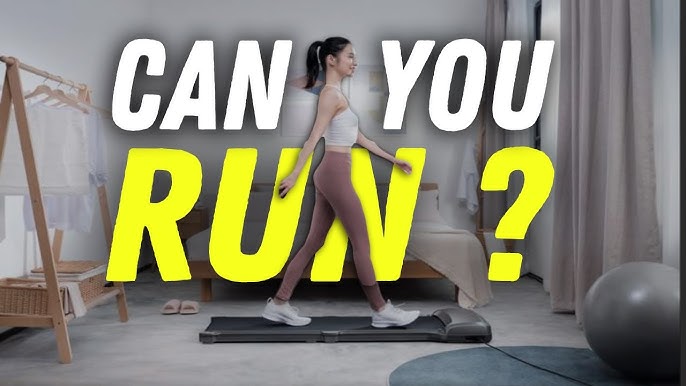
Walking Pads Explained
Walking pads are compact machines designed for indoor walking exercises. They offer a simple way to stay active at home or work. These devices are smaller than traditional treadmills and focus on slow walking speeds. Many people wonder if you can run on a walking pad and how it works.
Design And Features
Walking pads have a slim, foldable design. They fit easily under desks or beds. Most models come with a quiet motor for smooth movement. The surface is shorter and narrower than regular treadmills. Speed controls are simple, usually with buttons or a remote. Some walking pads have safety features like automatic stop sensors. They are lightweight and easy to move around.
Common Uses
People use walking pads for light exercise while working or watching TV. They help increase daily steps without leaving the house. These machines suit those who want gentle workouts, not intense running. Walking pads also help improve circulation and reduce sitting time. Many use them in offices to stay active during long work hours. They provide a convenient option for low-impact fitness routines.
Running Vs Walking Pads
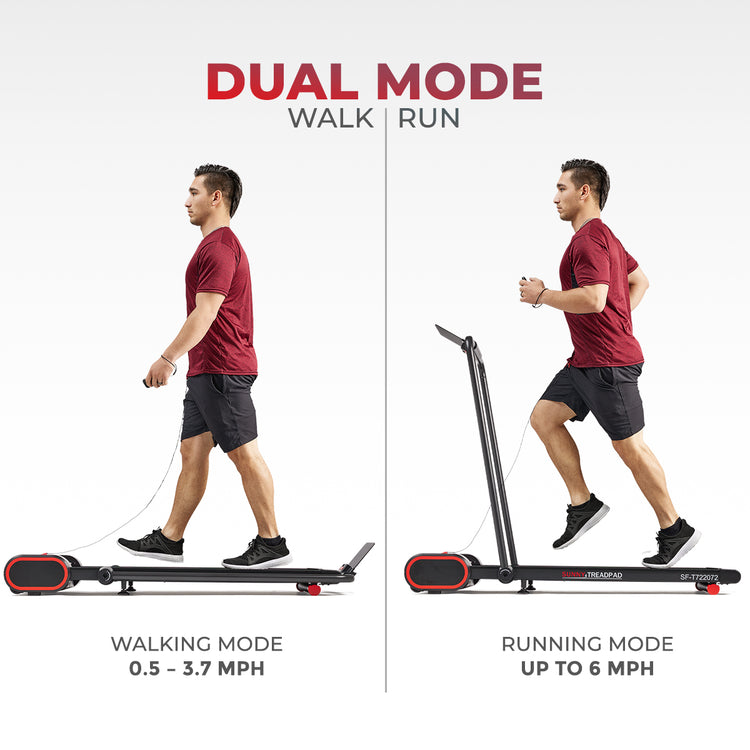
Walking pads and running pads serve different purposes. Both provide ways to exercise indoors. Choosing the right one depends on your exercise style and goals. Understanding their differences helps you pick the best option.
Speed And Motor Capacity
Walking pads usually have lower top speeds. They often reach up to 3 to 4 miles per hour. Running pads can go much faster, up to 10 miles per hour or more. The motor on a running pad is stronger. It supports faster movement and longer use without overheating.
Belt Size And Surface Area
Walking pads have smaller belts. They often measure around 16 to 18 inches wide and 40 inches long. Running pads have larger belts for safer strides. Their belts can be 20 inches wide or wider and 50 inches long. More surface area gives more comfort and stability while running.
Weight Limits
Walking pads usually support lighter weights. They may hold up to 220 pounds comfortably. Running pads are built for more weight and impact. Many support 250 pounds or more. Choosing a pad with the right weight limit is important for safety and durability.
Safety Factors For Running
Running on a walking pad raises important safety concerns. These devices are mainly made for walking, not running. Understanding safety factors can help prevent injuries and make your experience better. This section highlights key points to consider for safe running on a walking pad.
Stability And Balance
Walking pads have a smaller surface than treadmills. This limits your space and can affect your balance. Running fast requires more control. The risk of slipping or falling increases without strong stability. Always check the pad’s design and your footing before running.
Shock Absorption
Shock absorption helps protect your joints from impact. Walking pads usually have less cushioning than running treadmills. Running hard on a pad may strain your knees and ankles. Look for models with good padding if you plan to run. This reduces stress on your body and lowers injury chances.
Injury Risks
Running on a walking pad can cause injuries if not done carefully. The belt speed and size might not suit running needs. Sudden trips or falls are common risks. Start slow and increase speed gradually. Use proper running shoes and maintain good posture to avoid harm.
Choosing The Right Walking Pad
Choosing the right walking pad is important for safe and effective use. Not all walking pads support running well. You must pick one that fits your needs and space. This section helps you understand what to check before buying a walking pad.
Key Specifications To Check
Check the motor power. Higher power means better speed and stability. Look for the maximum speed limit. Running needs a higher speed than walking. Also, check the belt size. A longer and wider belt gives more room for running steps. The weight capacity is important too. It must support your body weight safely.
Brand Comparisons
Some brands focus on walking only. Others allow light running. Compare popular brands for features like speed, size, and noise level. See if the walking pad has extra functions like remote control or app connectivity. These can make use easier. Price varies a lot between brands. Choose a brand that offers good quality within your budget.
User Reviews
Read user reviews to learn real experiences. Users often share if they could run on the walking pad comfortably. Look for comments about durability and motor strength. Note any common problems like belt slipping or noise. Reviews help you avoid models with frequent issues. Choose models with mostly positive feedback.
Tips For Running Safely On A Walking Pad
Running on a walking pad can be a good workout. It needs care and safety to avoid injuries. Follow these tips to run safely and enjoy your exercise.
Proper Footwear
Wear shoes made for running. They protect your feet and give good support. Avoid soft or worn-out shoes. Proper footwear helps prevent slips and pain.
Warm-up And Stretching
Start with a light warm-up. Move your legs gently to get blood flowing. Stretch your calves, hamstrings, and quads. Warm muscles reduce the risk of injury.
Pacing And Posture
Keep a steady pace that feels comfortable. Do not run too fast on the walking pad. Stand tall with your back straight. Look forward, not down. Good posture helps balance and breathing.
Alternatives To Running On Walking Pads
Walking pads are great for light exercise and walking indoors. Running on them is often not safe or practical. The belt is smaller and slower than a treadmill. This can make running tricky or risky.
Many runners want to keep up their pace indoors. Luckily, there are several good alternatives. These options offer more space and control for running.
Traditional Treadmills
Traditional treadmills have wider and longer belts. They allow running at different speeds safely. Most models have adjustable settings for incline and speed. This helps simulate outdoor running conditions. Many runners use treadmills for steady workouts. They provide support and reduce impact on joints.
Outdoor Running
Running outside is free and natural. It offers fresh air and varied scenery. Outdoor running uses different muscles due to uneven surfaces. This can improve strength and balance. It also adds mental benefits like stress relief. Weather may affect your run, but it keeps exercise interesting.
Other Home Cardio Options
Other home cardio machines can help improve fitness. Stationary bikes and ellipticals offer low-impact workouts. Jump ropes and step platforms boost heart rate quickly. These options fit small spaces and require little setup. They provide variety and keep exercise fun.
Frequently Asked Questions
Can You Safely Run On A Walking Pad?
Yes, you can safely run on some walking pads designed for light running. Check the speed limit and surface size before running.
What Speed Can A Walking Pad Handle?
Most walking pads support speeds up to 6 mph. Running requires a pad with at least 5 mph speed capacity.
Is Running On A Walking Pad Effective Exercise?
Running on a walking pad offers good cardiovascular benefits. It helps burn calories and improves endurance if done regularly.
Can Running Damage A Walking Pad?
Running may cause wear if the pad isn’t designed for it. Use a running-specific model to avoid damage.
Conclusion
Running on a walking pad is possible but comes with limits. These devices work best for walking or light jogging. The belt size and speed may not suit intense runs. Using a walking pad for running can still help stay active indoors.
Always check the device’s guidelines before trying to run. Safety matters most to avoid injury. Choose the right equipment for your workout goals. Keep your pace steady and listen to your body. Simple steps lead to better fitness every day.
