

Are you wondering if it’s safe to get a deep tissue massage while breastfeeding? You’re not alone.
Many new moms want relief from muscle tension but worry about how massage might affect their baby or milk supply. Imagine easing that tightness and stress without any guilt or fear. You’ll discover what experts say about deep tissue massage during this special time and learn how to enjoy the benefits safely.
Keep reading to find out everything you need to know before booking your next massage.

Benefits Of Deep Tissue Massage
Deep tissue massage offers many benefits for the body and mind. It targets deeper muscle layers and helps ease tension. This type of massage can be gentle yet effective for breastfeeding mothers. It supports healing and promotes overall wellness during this special time.
Muscle Relief And Relaxation
Deep tissue massage works on tight muscles and knots. It reduces pain caused by muscle strain. Mothers often feel relief in their back, neck, and shoulders. This massage helps muscles relax deeply. It can improve posture and ease discomfort from holding a baby.
Stress Reduction
Stress levels can be high during breastfeeding. Deep tissue massage lowers stress hormones in the body. It promotes calmness and mental clarity. The massage encourages the release of feel-good chemicals. This helps mothers feel peaceful and refreshed.
Improved Circulation
Better blood flow supports healing and energy. Deep tissue massage boosts circulation in muscles and tissues. It helps remove toxins and brings nutrients to cells. This process can speed up recovery after childbirth. Good circulation also supports milk production for breastfeeding.
Is Deep Tissue Massage Safe While Breastfeeding?
Many new mothers ask if deep tissue massage is safe while breastfeeding. The concern is understandable. Breastfeeding is a delicate time, and mothers want to avoid anything that might harm their baby or affect milk supply.
Deep tissue massage targets the muscles and tissues beneath the surface. It can relieve tension and pain. But safety during breastfeeding depends on several factors. Here, we explore the effects, risks, and when to avoid this type of massage.
Effects On Milk Supply
Deep tissue massage usually does not reduce milk supply. Gentle massage can even help relax the mother, which may improve milk flow. Stress can lower milk production, so easing muscle tension might help maintain supply.
Be cautious with strong pressure. Intense massage might cause stress or discomfort. Always listen to your body and communicate with your massage therapist about your breastfeeding status.
Potential Risks To Mother And Baby
Deep tissue massage is generally safe but not risk-free. The pressure used can sometimes cause bruising or soreness. These issues may increase stress, which might affect milk production indirectly.
Mothers with certain health conditions should be careful. Infection, inflammation, or broken skin at the massage area can pose risks. Babies can be sensitive if the mother feels pain or discomfort.
When To Avoid Massage
Avoid deep tissue massage if you have fever or infection. Also, skip it if you feel very tired or unwell. Do not get a massage on areas with recent surgery or injury.
Speak to your doctor before booking a massage if you have health concerns. Some conditions need special care during breastfeeding. Always choose a therapist experienced with postpartum and breastfeeding mothers.
Precautions For Nursing Mothers
Breastfeeding mothers need special care when choosing a deep tissue massage. The body is healing and adjusting to new changes. Certain steps help keep both mother and baby safe during the massage. These precautions reduce risks and improve comfort.
Choosing A Qualified Therapist
Select a therapist trained in prenatal and postnatal care. They understand the body changes during breastfeeding. A skilled therapist knows which techniques are safe. This reduces the chance of injury or discomfort. Always ask about their experience with nursing mothers.
Communicating Your Needs
Tell the therapist about your breastfeeding status. Share any pain or tension areas you want to focus on. Mention any allergies or sensitivities you have. Clear communication helps the therapist adjust pressure and style. It ensures a relaxing and safe massage experience.
Avoiding Certain Pressure Points
Some pressure points can cause unwanted effects. Points near the breasts, abdomen, and lower back may stimulate milk flow or contractions. A trained therapist will avoid these areas. This precaution helps prevent discomfort and ensures safety for mother and baby.
Safe Massage Techniques During Breastfeeding
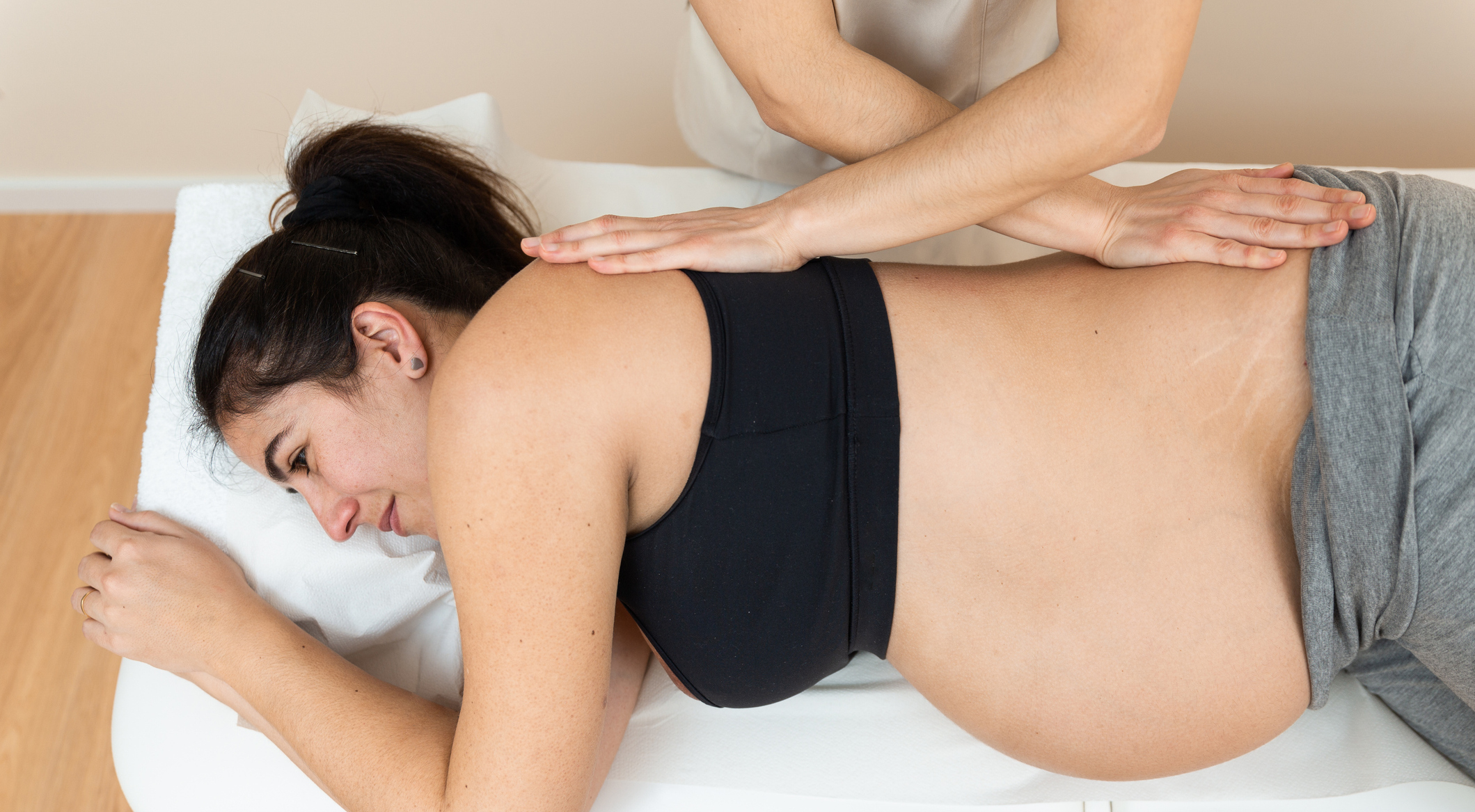
Safe massage techniques during breastfeeding help protect both mother and baby. A gentle touch supports relaxation without causing discomfort. Knowing which methods to use keeps the experience pleasant and secure. Understanding pressure, target areas, and timing makes a big difference.
Gentle Vs. Deep Pressure
Gentle pressure suits most breastfeeding mothers better. Deep pressure can stress muscles but may cause soreness. Soft, slow movements help reduce tension without risk. Listen to your body; stop if you feel pain. A calm, light massage helps you feel safe.
Target Areas To Focus On
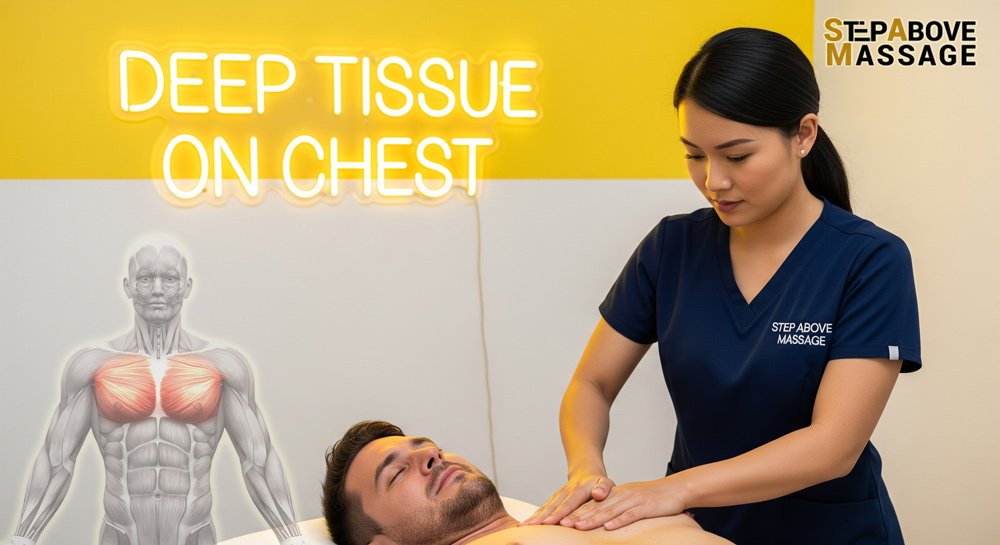
Focus on the neck, shoulders, and upper back. These areas often hold tension from breastfeeding positions. Avoid the chest and abdomen to prevent discomfort. Massage hands and feet to promote relaxation. Targeting safe zones supports muscle relief and comfort.
Duration And Frequency
Keep sessions short, about 15 to 20 minutes. Longer massages may cause tiredness or strain. Schedule massages once or twice a week for best results. Regular, brief sessions help maintain muscle ease. Always rest well after each massage.
Alternative Therapies For Nursing Mothers
Nursing mothers often seek safe ways to relax and ease body tension. Alternative therapies offer gentle options for comfort and stress relief. These methods support well-being without affecting breastfeeding. Understanding these choices helps mothers care for themselves safely.
Swedish Massage
Swedish massage uses light to moderate pressure. It helps relax muscles and improve blood flow. This massage style avoids deep pressure that may cause discomfort. Therapists focus on gentle strokes and slow movements. Swedish massage can reduce stress and promote calmness. It suits nursing mothers who want mild relief.
Aromatherapy Considerations
Aromatherapy uses essential oils to enhance relaxation. Some oils are safe for nursing mothers, while others are not. Avoid strong or unknown oils that may affect milk supply. Lavender and chamomile are usually safe choices. Always check with a healthcare provider before using aromatherapy. Use oils in small amounts to minimize risks.
Self-massage Tips
Self-massage lets mothers control pressure and timing. Focus on areas like shoulders, neck, and hands. Use gentle circular motions with your fingers. Warm oil or lotion can make massage easier. Take short breaks and breathe deeply during massage. Self-massage supports relaxation and can be done anytime.
Signs To Stop Massage Immediately
Knowing when to stop a deep tissue massage while breastfeeding is very important. Some signs show that the massage might not be good for you or your baby. Pay close attention to your body and your baby’s reactions during the massage. Stop the massage immediately if you notice any of the following signs.
Physical Discomfort
Feeling pain or sharp aches during the massage is a bad sign. Massage should not hurt or cause soreness. If your muscles feel too tight or tender, tell the therapist. Stop the massage if you feel dizzy, nauseous, or very tired. These feelings mean your body is stressed.
Changes In Milk Supply
Notice any drop or increase in your milk supply after massage. Sudden changes can affect your baby’s feeding. If your milk feels different or your breasts hurt more, pause the massage sessions. Watch for any lumps or swelling in your breasts. These issues may need medical advice.
Adverse Baby Reactions
Watch how your baby behaves after your massage. If your baby becomes fussy, refuses to feed, or shows unusual sleep patterns, stop the massage. Some babies react to stress or changes in the mother’s body. These signs mean the massage might be affecting your baby.
Frequently Asked Questions
Can Breastfeeding Mothers Safely Get Deep Tissue Massages?
Yes, breastfeeding mothers can safely get deep tissue massages. However, they should inform the therapist about breastfeeding to avoid pressure on sensitive areas. Gentle techniques around the chest and shoulders are preferable to ensure comfort and safety.
Does Deep Tissue Massage Affect Milk Supply?
Deep tissue massage does not typically affect milk supply. It may even help reduce stress, which can improve milk production. Always consult your healthcare provider if you have concerns about massage and breastfeeding.
When Is The Best Time To Get A Massage While Breastfeeding?
The best time for a massage is after breastfeeding or pumping. This ensures the breasts are less full and more comfortable during the massage. Scheduling massages between feeding sessions helps avoid discomfort.
Are There Massage Techniques To Avoid While Breastfeeding?
Yes, avoid deep pressure directly on the breasts or abdomen. Focus on areas like the back, shoulders, and neck. Always communicate with your massage therapist about any discomfort or concerns during the session.
Conclusion
Getting a deep tissue massage while breastfeeding can be safe. Talk with your doctor and massage therapist first. They can guide you on what is best. Avoid strong pressure on your chest area. Focus on areas like your back and shoulders.
Listen to your body and stop if it feels uncomfortable. Taking care of yourself helps you care for your baby. A gentle massage can ease tension and boost relaxation. Choose a therapist who understands breastfeeding needs. Your comfort and safety come first.
