
Are you wondering if you can really build muscle with a home gym? Maybe you’ve hesitated to invest time and money because you’re not sure it will work.
The truth is, you don’t need fancy equipment or a crowded gym to get stronger and see real results. You’ll discover how to make the most of your home gym setup, the key exercises that actually build muscle, and the simple habits that can turn your space into a powerful muscle-building zone.
Keep reading, because your best body could be closer than you think.
Benefits Of Home Gym Workouts
Building muscle at home is possible with the right workout plan. A home gym lets you exercise anytime you want.
Many people find home workouts helpful for staying consistent. You do not need to travel to a gym.
Flexibility And Convenience
Home gyms allow you to work out whenever it fits your schedule. You can exercise early or late without limits.
No waiting for machines or classes means you can focus on your muscle-building routine. This saves time and effort.
Cost-effectiveness
Setting up a home gym can cost less than a gym membership over time. You buy equipment once and use it many times.
Home workouts remove extra costs like travel, parking, and gym fees. This helps you save money while building muscle.
Privacy And Comfort
Working out at home lets you exercise in private. You can focus on your workout without feeling self-conscious.
Your home gym is a comfortable space. You control the temperature, music, and equipment setup to suit your needs.
Essential Equipment For Muscle Building
Building muscle at home is possible with the right tools. A home gym can help you stay fit and strong.
Choosing essential equipment helps you target different muscle groups effectively. You do not need a lot of space or expensive machines.
Free Weights And Dumbbells
Free weights and dumbbells are basic tools for muscle building. They allow you to perform many exercises for your arms, chest, back, and legs.
Using free weights helps improve balance and strength. You can increase weight as you get stronger.
- Dumbbells come in various weights for different exercises
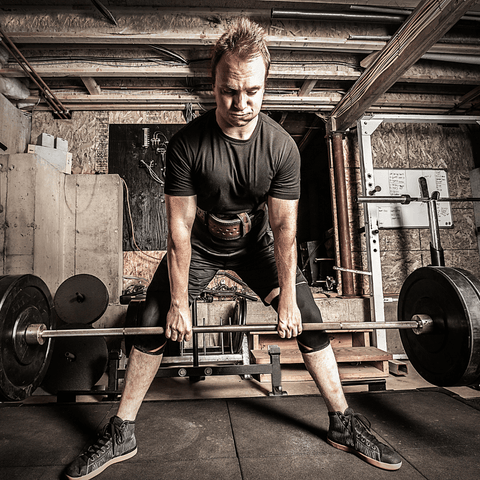
- Barbells are good for heavy lifting like squats and deadlifts
- Free weights improve muscle coordination and growth
Resistance Bands
Resistance bands are light and portable tools for muscle building. They provide tension to your muscles during exercises.
Bands come in different resistance levels. You can use them for warm-ups or full workouts.
- Good for strength training and flexibility
- Easy to store and carry anywhere
- Can be used to target many muscle groups
Adjustable Benches And Racks
Adjustable benches help you perform many weight exercises safely. You can change the angle to target different muscles.
Racks hold your weights and keep your space organized. They also support exercises like squats and presses.
- Adjustable benches offer flat, incline, and decline positions
- Racks help with lifting heavier weights safely
- Both improve workout variety and safety
Bodyweight Tools
Bodyweight tools use your own weight to build muscle. These include pull-up bars, dip stations, and push-up handles.
These tools are simple but effective. They help you build strength without heavy equipment.
- Pull-up bars strengthen your back and arms
- Dip stations target chest and triceps
- Push-up handles reduce wrist strain and increase range
Effective Home Workout Routines
Building muscle at home is possible with the right workout plans. You do not need a lot of equipment to get stronger.
Here are some workout routines that work well in a home gym setting. These routines help target different muscle groups and improve fitness.
Full-body Strength Training
Full-body workouts train all major muscles in one session. This helps build muscle evenly and saves time.
You can use dumbbells, resistance bands, or your body weight for these exercises. Focus on compound movements like squats and push-ups.
- Squats
- Push-ups
- Deadlifts with dumbbells
- Plank holds
- Overhead press
Split Training Plans
Split training divides workouts by muscle groups on different days. This lets muscles rest and grow stronger.
For example, work on upper body one day and lower body the next. This approach helps increase workout focus and muscle growth.
- Day 1: Chest, shoulders, and triceps
- Day 2: Back and biceps
- Day 3: Legs and core
High-intensity Interval Training
High-intensity interval training (HIIT) mixes short bursts of hard work with rest. This builds muscle and burns fat fast.
You can use bodyweight exercises or light weights. Keep the intensity high and rest short for best results.
- Jump squats for 30 seconds
- Rest for 15 seconds
- Push-ups for 30 seconds
- Rest for 15 seconds
- Burpees for 30 seconds
- Rest for 15 seconds
- Repeat 3-4 times
Nutrition Tips To Support Muscle Growth
Building muscle at home needs more than just workouts. Good nutrition is key to see results. Eating right helps your muscles grow stronger and recover faster.
Focus on what you eat to support your training. Protein, meal timing, and supplements all play a role in muscle gain.
Protein Intake Guidelines
Protein is the building block for muscle. Aim to eat enough protein every day to repair and grow muscle fibers. A good rule is to eat about 1.6 to 2.2 grams of protein per kilogram of body weight.
Choose lean meats, eggs, dairy, beans, and nuts. Spread protein intake evenly across meals for best results.
- Chicken breast, turkey, and lean beef
- Fish like salmon and tuna
- Eggs and low-fat dairy products
- Plant proteins such as lentils and chickpeas
Meal Timing And Frequency
Eating protein regularly helps your body build muscle all day long. Try to eat every 3 to 4 hours. This keeps your muscles fueled and ready to grow.
Have a protein-rich meal or snack after your workout. This helps repair muscle and boosts recovery.
- Eat 3 to 5 meals or snacks daily
- Include protein in every meal
- Have a meal with carbs and protein within 1 hour after training
Supplements For Muscle Gain
Supplements can help fill gaps in your diet. Protein powders are an easy way to increase protein intake. Creatine is another popular supplement that may improve strength and muscle size.
Remember, supplements work best with a solid diet and workout plan. Always choose quality products and follow the recommended doses.
- Whey or plant-based protein powders
- Creatine monohydrate
- Branched-chain amino acids (BCAAs) for recovery
Tracking Progress At Home
Building muscle at home is possible with the right tools and mindset. Tracking your progress helps you stay focused and see real results.
By keeping track of your workouts and strength, you can adjust your plan to improve over time. This guide shows how to track progress effectively.
Recording Workouts
Write down each exercise, the weight used, and the number of sets and reps. This helps you remember what you did and plan your next session.
Use a notebook or a fitness app to keep your workout records organized. This makes it easy to check your progress and stay motivated.
- Note the date of the workout
- Record exercises, sets, reps, and weights
- Track rest times between sets
- Include any changes or difficulties
Measuring Strength Gains
Tracking strength gains shows if your muscles are getting stronger. Test your max weight or how many reps you can do regularly.
Keep a simple record of these tests. Compare the numbers every few weeks to see if you improve or need to change your approach.
- Test your maximum weight for key exercises
- Count the max reps with a set weight
- Note improvements or plateaus
- Use photos or measurements to see physical changes
Adjusting Plans Based On Results
Use your progress records to change your workout plan. If you stop gaining strength, change exercises or increase weight.
Adding variety and increasing difficulty helps muscles grow. Adjust rest days and workout length to fit your recovery and goals.
- Increase weight or reps gradually
- Try new exercises to target different muscles
- Change workout frequency if needed
- Rest more if you feel tired or sore

Common Challenges And Solutions
Building muscle at home is possible but comes with some challenges. These challenges can slow progress if not managed well.
Understanding common problems helps you find simple solutions. This guide covers motivation, space limits, and avoiding plateaus.
Motivation And Consistency
Staying motivated is hard without a gym environment. Consistency is key to building muscle, even at home.
Set clear goals and create a workout schedule. Tracking progress keeps you focused and motivated.
- Write down your workout days and times
- Use a journal to record sets and reps
- Celebrate small improvements
- Find a workout buddy or online group
Limited Space And Equipment
Home gyms often have less space and fewer tools. This can limit the variety of exercises you do.
Focus on bodyweight exercises and a few key pieces of equipment. Use creative ways to add resistance.
- Use resistance bands for strength training
- Try push-ups, squats, and lunges for muscle work
- Use household items as weights
- Keep the workout area tidy to save space
Avoiding Plateaus
Muscle growth slows when workouts become too easy. This is called hitting a plateau.
Change your workout routine often. Increase difficulty by adding reps, sets, or resistance.
- Switch exercises every few weeks
- Increase weight or resistance gradually
- Try different workout styles like circuits or supersets
- Rest well to allow muscle recovery

Frequently Asked Questions
Can I Build Muscle Effectively With A Home Gym?
Yes, you can build muscle with a home gym. Consistent workouts and proper equipment are key. Focus on progressive overload and compound exercises to maximize muscle growth at home.
What Equipment Is Essential For A Home Gym?
Essential home gym equipment includes dumbbells, resistance bands, a bench, and a pull-up bar. These tools allow varied workouts targeting all muscle groups effectively.
How Often Should I Train At Home To Build Muscle?
Train 3 to 5 times a week for optimal muscle growth. Ensure proper rest between sessions to allow muscle recovery and prevent injury.
Can Bodyweight Exercises Build Muscle At Home?
Yes, bodyweight exercises like push-ups, squats, and planks can build muscle. Increase difficulty by adjusting reps, sets, or exercise variations.
Conclusion
Building muscle at home is possible with dedication. Home gyms offer flexibility and convenience. Choose the right equipment for your goals. Focus on consistency and proper form. Create a balanced workout routine. Include strength and resistance exercises. Progress over time by increasing intensity.
Nutrition also plays a key role. Eat enough protein and healthy foods. Stay motivated with regular goals. Track your progress to see improvement. Home gyms can be effective for muscle growth. Stay committed and patient. Results will come with time and effort.
Anyone can achieve their fitness goals at home.
