Are you thinking about adding kettlebells to your workout? Before you start swinging, it’s important to know if kettlebells can cause injury.
You want to get stronger and fitter, but the last thing you need is to end up hurt. This article will help you understand the risks and how to avoid them. Keep reading to protect your body and make the most of your training.
Your safety and progress depend on it.

Common Kettlebell Injuries
Kettlebell workouts are effective but can lead to injuries if done incorrectly. Common kettlebell injuries often happen due to poor form or lifting too heavy. These injuries affect different parts of the body. Understanding these common injuries helps avoid pain and setbacks.
Focus on proper technique and controlled movements to stay safe. Here are some usual kettlebell injuries to watch out for.
Shoulder Strains And Sprains
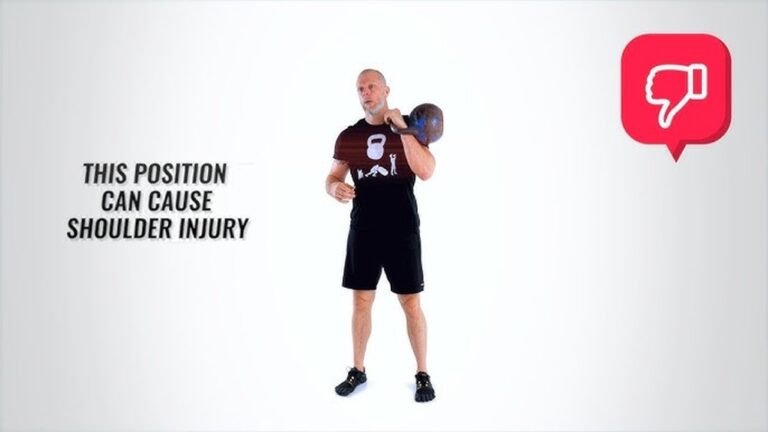
Shoulder injuries occur from sudden jerks or improper lifting angles. The shoulder joint is sensitive and can easily get strained. Overuse or poor warm-up increases the risk. Pain and limited movement are common signs. Rest and gentle stretching help recovery.
Lower Back Pain
Lower back pain results from bad posture or lifting too much weight. Twisting the spine incorrectly strains muscles and ligaments. Weak core muscles add to the problem. Pain may feel sharp or dull and worsen with movement. Strengthening core and using correct form prevents this injury.
Wrist And Hand Injuries
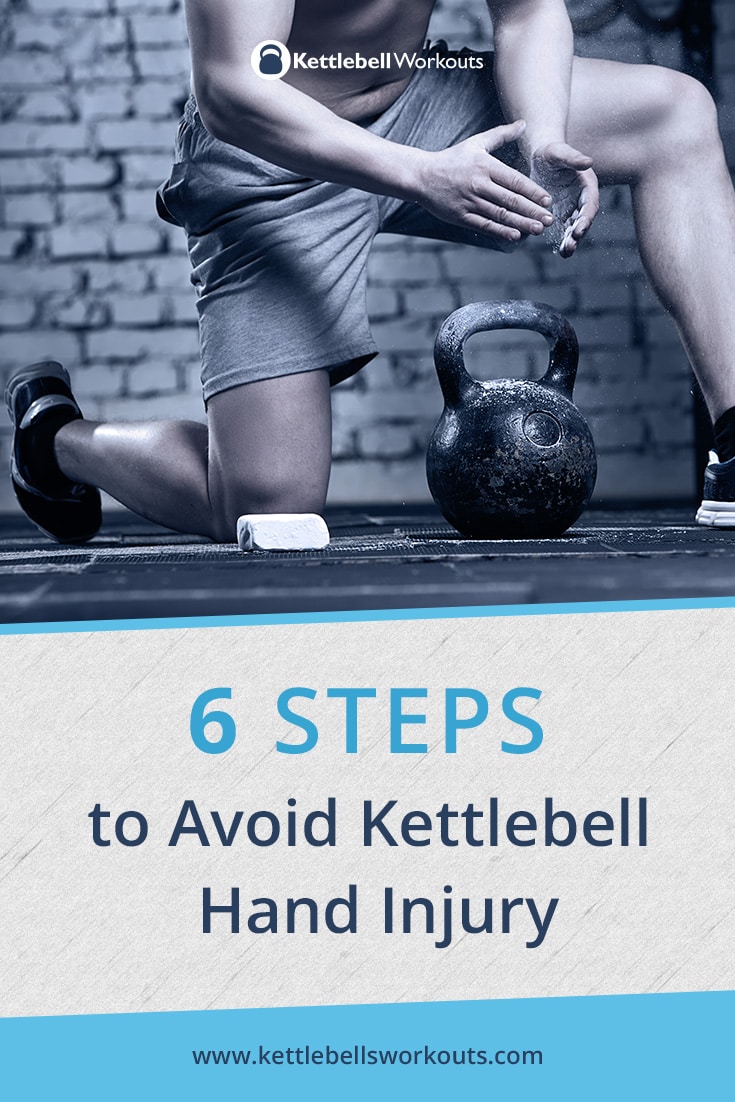
Wrists and hands take a lot of pressure during kettlebell swings and lifts. Incorrect grip or sudden drops cause sprains and bruises. Swelling and tenderness show injury. Using wrist supports and practicing grip techniques reduce risks.
Knee And Joint Stress
Knees suffer from repetitive bending and twisting motions in kettlebell exercises. Joint stress causes pain and inflammation over time. Weak leg muscles and poor foot placement worsen the issue. Proper stance and gradual training lower the chance of injury.
Factors Increasing Injury Risk
Injuries from kettlebell workouts often happen due to certain risk factors. Understanding these factors helps keep your training safe and effective.
Many of these risks come from how you prepare and perform your exercises. Paying attention to these details lowers the chance of injury and improves your results.
Poor Form And Technique
Using the wrong form strains muscles and joints. Incorrect movements can cause pain in the back, shoulders, or wrists. Learning proper technique reduces injury risk significantly. Starting with lighter weights helps you focus on form.
Using Excessive Weight
Lifting weights that are too heavy puts extra stress on your body. It forces your muscles and joints to work harder than they should. This can lead to strains, sprains, and other injuries. Choose a weight that matches your current strength level.
Lack Of Warm-up
Skipping warm-up leaves muscles stiff and less flexible. Cold muscles are more likely to get injured. A simple warm-up increases blood flow and prepares your body for exercise. Spend five to ten minutes warming up before kettlebell training.
Overtraining And Fatigue
Training too often without rest causes fatigue and weakens muscles. Tired muscles cannot support joints properly. This raises the chance of injury during kettlebell swings or lifts. Rest days and proper sleep are essential for recovery.
Safe Kettlebell Practices
Safe kettlebell practices help prevent injuries and improve workout results. Using the right methods keeps your body protected. Focus on form and control to avoid strain. These simple steps make kettlebell training both safe and effective.
Proper Grip And Stance
Hold the kettlebell firmly but not too tight. Your grip should feel secure without causing tension. Stand with feet shoulder-width apart for balance. Keep your knees slightly bent and back straight. This stance supports your movements and protects joints.
Controlled Movements
Move the kettlebell slowly and with purpose. Avoid fast or jerky motions that cause loss of control. Focus on smooth, steady swings and lifts. Controlled movements reduce stress on muscles and tendons. Always listen to your body’s signals during exercise.
Progressive Weight Increase
Start with a light kettlebell to learn the form. Increase weight gradually as strength improves. Avoid jumping to heavy kettlebells too quickly. Gradual progress helps muscles adapt safely. This approach lowers the risk of injury and builds confidence.
Rest And Recovery
Allow your body time to rest after workouts. Muscles need recovery to grow stronger and heal. Avoid training the same muscles every day. Proper rest prevents overuse injuries and fatigue. Balance workout days with relaxation for best results.
Choosing The Right Kettlebell
Choosing the right kettlebell is key to safe and effective workouts. A kettlebell that fits your strength and style lowers injury risk. Picking the best one helps you train with good form. This section covers tips to select the right kettlebell for your needs.
Weight Selection Tips
Select a kettlebell weight that matches your current strength level. Beginners should start light to learn correct movements. Too heavy kettlebells cause poor form and increase injury risk. Choose a weight you can lift with control for 10 to 15 reps. Gradually increase weight as your strength improves.
Kettlebell Shape And Handle
Look for a kettlebell with a smooth, rounded handle. The handle should fit your hand comfortably and allow a firm grip. A thicker handle can be harder to hold for small hands. Choose a shape that balances well during swings and lifts. Good balance reduces strain on wrists and arms.
Material And Durability
Opt for kettlebells made from solid, durable materials like cast iron. Durable kettlebells resist cracks and damage over time. Check for smooth surfaces to avoid hand injuries or blisters. Some kettlebells have coatings to protect floors and improve grip. A well-made kettlebell lasts longer and feels safer.
When To Seek Professional Guidance
Kettlebell training can be very effective and fun. Yet, it carries risks if done without care. Knowing when to seek professional guidance can keep you safe and improve your results. Professionals can help with technique, prevent injuries, and support recovery if needed.
Certified Trainers And Coaches
Certified trainers know the right kettlebell techniques. They teach proper form to avoid common mistakes. Trainers can create workouts that match your fitness level. They watch your movements and correct errors immediately. This reduces the risk of injury during your sessions.
Injury Prevention Programs
Some trainers offer injury prevention programs. These programs focus on strengthening muscles and improving flexibility. They include exercises to protect joints and tendons. Following such programs reduces strain from kettlebell workouts. Staying consistent helps you train safely and confidently.
Rehabilitation After Injury
In case of injury, seek help from rehabilitation experts. Physical therapists guide recovery with tailored exercises. They ensure healing without causing more damage. Rehab professionals teach safe kettlebell use after injury. Returning to training with proper care lowers the chance of re-injury.

Frequently Asked Questions
Can Kettlebells Cause Injury If Used Incorrectly?
Yes, improper kettlebell use can cause injuries. Poor form, lifting too heavy, or sudden movements increase risk. Proper technique and gradual progression reduce injury chances.
What Are Common Kettlebell Injuries?
Common kettlebell injuries include wrist sprains, lower back strain, and shoulder injuries. These usually result from bad posture or overexertion. Correct form and warm-up help prevent these issues.
How To Prevent Kettlebell Injuries During Workouts?
To prevent injuries, focus on proper technique, start with light weights, and warm up before training. Also, listen to your body and avoid overtraining. Consistency and gradual intensity increase are key.
Is Kettlebell Training Safe For Beginners?
Yes, kettlebell training is safe for beginners if done with guidance. Learning correct form and starting with lighter weights minimizes injury risks. Beginners should consider professional coaching or instructional videos.
Conclusion
Kettlebell workouts can be safe with the right approach. Start slow and learn proper form first. Avoid lifting weights that feel too heavy. Listen to your body and stop if you feel pain. Use a coach or follow trusted guides for help.
Injuries happen mostly from poor technique or rushing. Training smart reduces risks and helps you gain strength. Stay focused and patient during your kettlebell journey. Safety always comes before pushing harder. Keep these tips in mind for a healthy workout.
