Are you wondering if the leg press machine can help with your physical therapy? You’re not alone.
Many people ask if this popular gym equipment is safe and effective for recovery. Using the leg press correctly might speed up your healing and strengthen your muscles, but doing it wrong could cause setbacks. You’ll discover when and how to use the leg press machine as part of your therapy safely.
Keep reading to find out if this could be the key to improving your recovery journey.
Leg Press Machine Basics
The leg press machine is a common tool in gyms and physical therapy clinics. It helps people build strength in their legs safely. Understanding how this machine works is key to using it well. Knowing which muscles it targets can guide your therapy or workout plan.
Using the leg press machine can improve muscle control and support joint recovery. It offers a controlled movement that reduces the risk of injury. This makes it a popular choice for many in physical therapy.
How The Machine Works
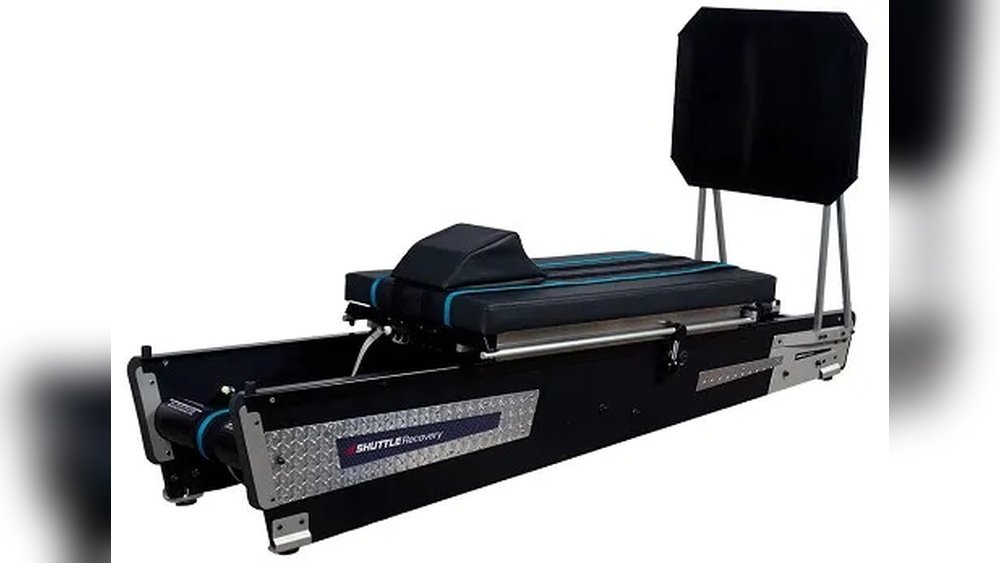
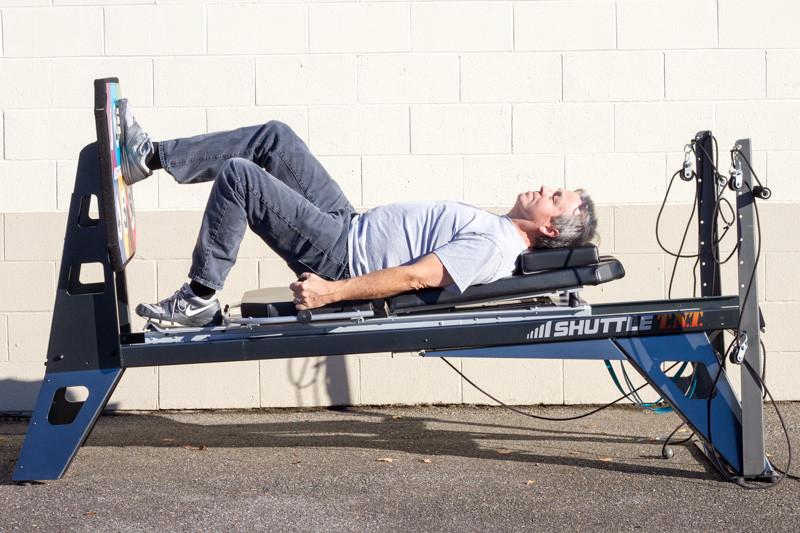
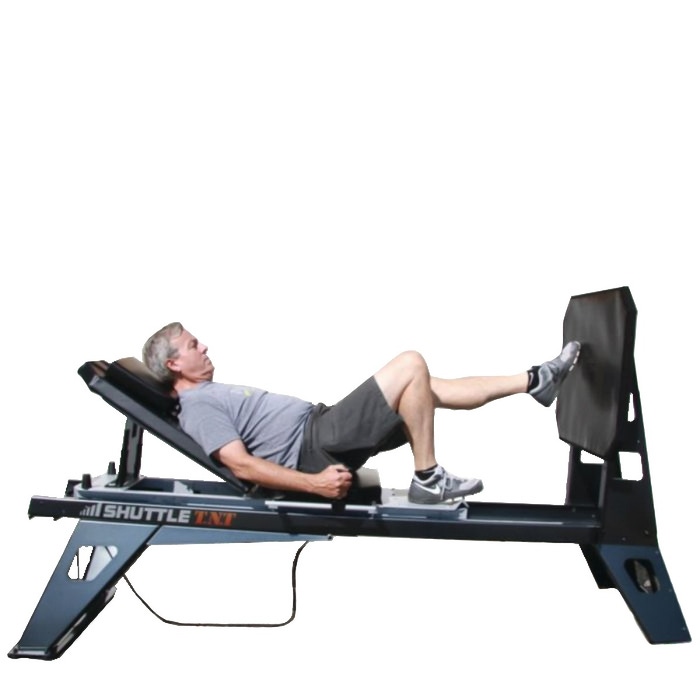
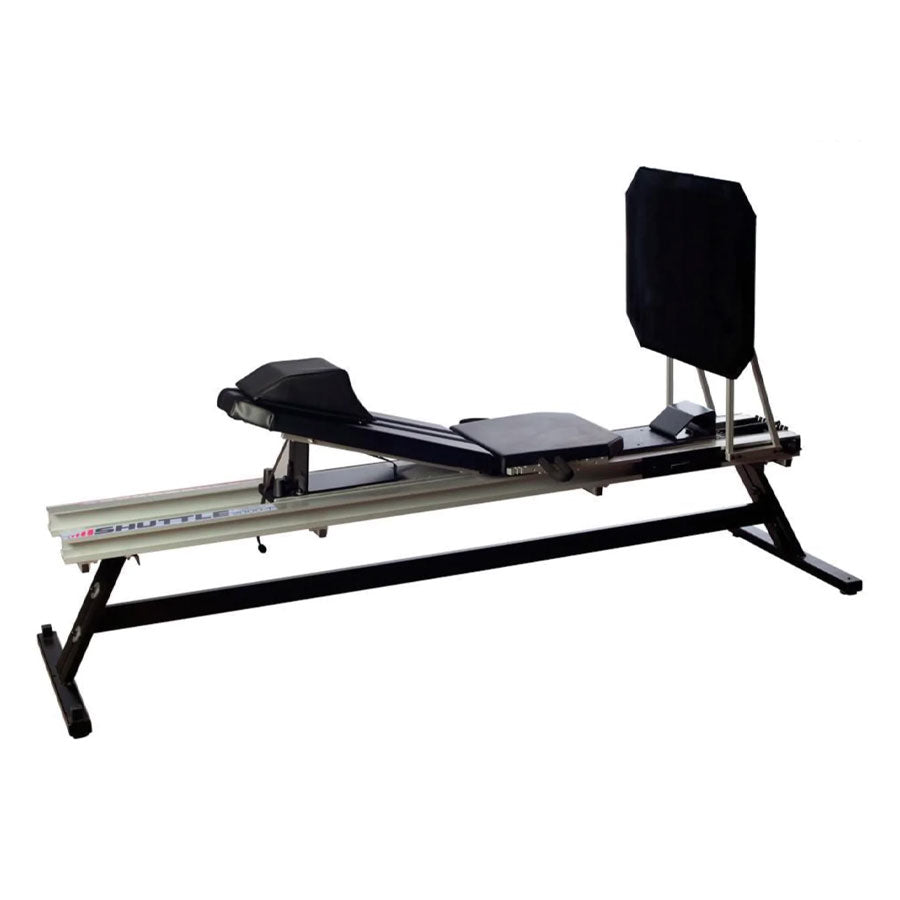
The leg press machine works by pushing a weighted platform away with your legs. You sit on a seat with your back supported. Your feet press against the platform. Pushing the platform straightens your legs. Then you slowly bend your knees to return to the start. The machine controls the movement path to keep it smooth and safe.
Muscle Groups Targeted
This machine mainly targets the quadriceps, the muscles on the front of your thighs. It also works the gluteus muscles in your hips. The hamstrings at the back of your thighs get exercise too. The calves assist in the movement as well. This mix helps build strength and stability in your legs.
Benefits For Physical Therapy
Using a leg press machine can help a lot in physical therapy. It supports safe and steady recovery. Patients can rebuild strength and improve leg movement. The machine offers features that match therapy needs well.
Here are some key benefits of the leg press machine for physical therapy.
Controlled Movement And Stability
The leg press machine guides your legs through a set path. This control lowers the chance of injury during exercises. It keeps movements smooth and steady. Patients gain confidence using a stable platform. This control helps muscles and joints heal properly.
Adjustable Resistance Levels
The machine allows you to change the resistance. You can start with very low weight. This prevents strain on weak muscles. Resistance can increase as strength returns. This feature fits different stages of recovery. It helps build muscle safely and gradually.
Potential Risks And Precautions
Using a leg press machine for physical therapy has benefits but also risks. Knowing these risks helps keep therapy safe and effective. Taking precautions lowers chances of injury and helps recovery go smoothly.
Common Injuries To Avoid
Poor use of the leg press can cause knee pain and muscle strain. Overloading the weight may hurt joints or ligaments. Locking the knees fully at the end of a press can stress the joints badly. Sudden or fast movements might lead to muscle tears. Avoiding these common mistakes reduces injury risks.
Proper Form And Technique
Always keep your feet flat on the platform. Maintain a controlled, steady speed during each press. Do not lock your knees when extending your legs. Keep your back firmly against the seat for support. Breathe out while pushing and breathe in while returning. Following these steps protects your body and improves results.
When To Use Leg Press In Therapy
The leg press machine can be a helpful tool in physical therapy. Knowing when to use it is important for safe and effective recovery. It supports building strength and improving movement in the legs. The timing depends on the injury and healing stage. Proper use avoids strain and speeds up healing.
Therapists decide the right time based on each person’s condition. The machine helps target specific muscles without putting too much pressure on joints. Using it at the right stage improves muscle control and stability. Below are key points about suitable conditions and stages of rehabilitation.
Suitable Conditions
The leg press works well for certain injuries and problems. It suits knee pain, ligament injuries, and muscle weakness. People with hip or thigh injuries may also benefit. It helps regain strength after surgery on the lower body. Those with arthritis sometimes use it to improve joint function. The machine allows controlled motion, reducing injury risk.
Stages Of Rehabilitation
Early stages focus on gentle movement and healing. The leg press may be used with light weight or no weight. This supports range of motion without stress. Mid stages increase weight and reps to build strength. The machine helps regain muscle balance and endurance. Later stages use higher resistance for full recovery. It prepares muscles for daily activities and sports. Proper guidance ensures safe progress through each phase.
Expert Recommendations
Experts play a key role in guiding leg press machine use for physical therapy. Their advice ensures safety and effectiveness during recovery. Listening to professionals helps avoid injury and promotes healing.
Physical therapists evaluate each person’s condition before recommending exercises. They tailor routines to fit specific needs and limits. This personalized approach leads to better results and comfort.
Physical Therapist Advice
Physical therapists suggest starting with low resistance on the leg press. They watch your form closely to prevent strain. Gradual increases in weight help build strength without harm.
Therapists also check for pain or discomfort during exercises. If pain occurs, they adjust the routine immediately. This careful monitoring protects injured muscles and joints.
Customization For Individual Needs
Each person recovers differently, so therapy must fit individual needs. Experts adjust the machine settings like seat angle and foot placement. This customization targets the right muscles safely.
Therapists also set time and repetition limits based on progress. They change the plan as you get stronger or heal. This flexible method supports steady improvement without setbacks.
Alternatives To Leg Press Machine
Using a leg press machine is not the only way to strengthen your legs during physical therapy. Many alternatives help build muscle safely and effectively. These options suit different injury types and recovery stages. They also allow more natural movement patterns and can be done at home or in a clinic.
Other Strengthening Exercises
Bodyweight exercises like squats and lunges help strengthen leg muscles. They improve balance and coordination without heavy equipment. Wall sits and step-ups also target the same muscle groups as the leg press. These exercises allow controlled motion and reduce joint stress. Physical therapists often recommend them early in rehab.
Using Resistance Bands And Free Weights
Resistance bands provide adjustable tension for leg strengthening. They are lightweight and easy to carry anywhere. Bands help activate muscles gently and safely. Free weights, like dumbbells, add more challenge as strength improves. Both tools encourage functional movement and muscle control. They also support gradual progress in therapy sessions.
Tips For Safe Use At Home
Using a leg press machine at home for physical therapy can help improve strength safely. Careful steps keep you safe and support healing. Follow these simple tips for the best results.
Setting Up The Machine Correctly
Place the leg press on a flat, stable surface. Check all bolts and parts are tight. Adjust the seat to fit your height and leg length. Your knees should bend at a 90-degree angle. Use light weights at the start. This reduces strain on muscles and joints. Wear proper shoes to avoid slipping. Keep your back flat against the seat during use.
Monitoring Progress And Pain
Track how many repetitions you complete each session. Note any discomfort or pain during or after exercise. Stop immediately if sharp pain occurs. Mild soreness is normal but should fade quickly. Use a journal to record your feelings and progress. Share this information with your physical therapist regularly. Adjust the workout intensity based on your comfort and advice.
Frequently Asked Questions
Can A Leg Press Machine Aid Physical Therapy Recovery?
Yes, a leg press machine can help physical therapy recovery. It strengthens leg muscles safely with controlled motion. Always use proper form and consult your therapist before starting.
Is Leg Press Safe During Knee Rehabilitation?
Leg press is generally safe for knee rehab if done with low resistance. It helps build strength without stressing the joint. Your therapist will guide the correct technique and weight.
How Often Should I Use A Leg Press In Therapy?
Frequency depends on your therapy plan. Usually, 2-3 times per week is recommended. Follow your therapist’s advice to avoid overuse and ensure steady progress.
Can Leg Press Improve Mobility After Injury?
Yes, leg press exercises improve leg strength and mobility post-injury. They support joint stability and muscle endurance, aiding functional recovery when performed correctly.
Conclusion
The leg press machine can help with physical therapy in many cases. It strengthens muscles and supports joint recovery. Always check with a therapist before starting exercises. Proper form and weight control are very important. Using the machine safely reduces the risk of injury.
This tool can be part of a healing plan. Consistency and patience will bring better results. Remember, each person’s therapy needs are different. Stay focused and follow your therapist’s advice closely. Small steps can lead to big improvements over time.
