Are you curious if reverse leg press exercises can fit into your workout routine? You might be wondering whether this move is safe, effective, or even right for your fitness goals.
Understanding how reverse leg presses work and what benefits they offer can help you decide if you should give them a try. Keep reading to discover everything you need to know to make the best choice for your legs and overall strength.
What Is Reverse Leg Press
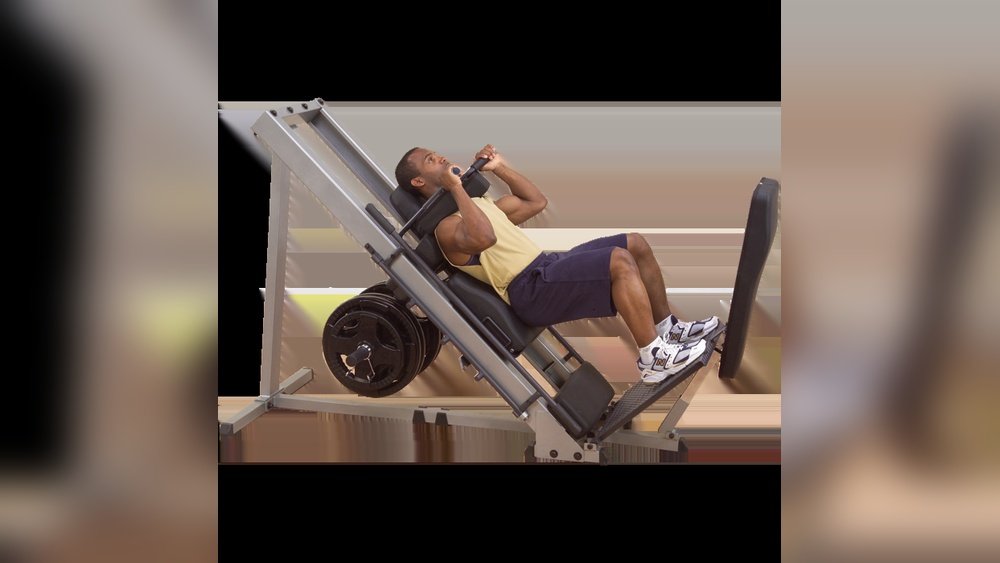
The reverse leg press is a strength exercise that targets the lower body. It works muscles like the hamstrings, glutes, and calves. Unlike the regular leg press, the foot placement and movement direction change.
This exercise involves pushing the platform away using the heels and the back of the legs. It helps build muscle balance and improve overall leg strength. The reverse leg press also reduces stress on the knees compared to the standard version.
How Does The Reverse Leg Press Work?
You sit on the leg press machine facing the platform. Place your feet higher and closer to the top edge. Push the platform away by extending your legs backward. Keep your knees slightly bent at the start.
The movement focuses more on the hamstrings and glutes than the quads. It promotes better muscle activation in the backside of your legs. Controlled motion is important to avoid injury and maximize benefits.
Muscles Targeted By Reverse Leg Press
The reverse leg press works several key muscles. The main targets are the hamstrings at the back of your thighs. The glute muscles also get a strong workout. Calves play a role in stabilizing during the press.
This exercise helps balance muscle development between the front and back of the legs. It can aid in improving posture and athletic performance. Stronger hamstrings reduce the risk of common leg injuries.
Equipment Needed For Reverse Leg Press
A standard leg press machine is used for this exercise. It must allow foot placement on the upper part of the platform. Some machines have adjustable foot plates to fit different exercises.
No extra weights or special gear are required beyond the machine. Proper setup ensures safe and effective movement. Always check the machine settings before starting your workout.
Muscles Targeted
The reverse leg press is a unique exercise that works different muscles than the regular leg press. It changes the angle of movement. This shift targets muscles in new ways. Understanding which muscles get worked helps you use this exercise better.
This move mainly focuses on your lower body. It helps build strength and balance. It also improves muscle shape and stability. Let’s look at the key muscles involved.
Quadriceps
The quadriceps are the big muscles at the front of your thighs. Reverse leg press activates these muscles strongly. They help straighten your knee during the push. Strong quads improve walking, running, and jumping.
Hamstrings
Hamstrings sit at the back of your thighs. This exercise stretches and works them differently. The reverse motion puts more emphasis on hamstrings than the normal leg press. Strong hamstrings support knee movement and protect joints.
Gluteus Maximus
The gluteus maximus is your main buttock muscle. It powers hip extension and helps with balance. The reverse leg press hits this muscle well. This builds strength for climbing stairs and standing up.
Calves
Your calf muscles help with foot movement and ankle stability. The reverse leg press involves calves for pushing motion. This improves calf strength and endurance. Strong calves reduce injury risk during sports.
Core Muscles
The core includes your abs and lower back. Reverse leg press requires core stability to keep balance. Engaging the core protects your spine. It also improves overall body control during workouts.
Benefits Of Reverse Leg Press
The reverse leg press offers unique benefits for your lower body workout. It targets muscles differently than the regular leg press. This exercise helps build strength and balance in your legs. It also supports joint health and lowers injury risk. Many trainers suggest adding reverse leg press to your routine.
Here are some key benefits of doing reverse leg press exercises.
Improved Muscle Balance
Reverse leg press works muscles that regular leg press often misses. It activates the hamstrings and glutes more. This creates better muscle balance between the front and back of your legs. Balanced muscles improve posture and movement. It also helps reduce muscle tightness and stiffness.
Enhanced Joint Stability
The exercise strengthens the muscles around your knees and hips. Stronger muscles support these joints better during movement. This added stability lowers the chance of joint pain and injury. It helps maintain healthy joints as you age.
Increased Lower Body Strength
Reverse leg press builds power in the back of your legs. The hamstrings and glutes become stronger and more active. This strength boosts your performance in sports and daily activities. It also helps improve your running and jumping ability.
Reduced Injury Risk
By improving muscle balance and joint stability, injury risk decreases. Stronger muscles protect your knees and hips from strain. This can prevent common injuries like strains and sprains. Reverse leg press supports safer workouts and better recovery.

Who Should Try It
The reverse leg press is a unique exercise that targets muscles differently than the traditional leg press. It can be useful for various groups of people. Understanding who should try it helps you decide if this exercise fits your fitness plan.
Beginners
Beginners can benefit from the reverse leg press. It helps build leg strength without too much strain. This exercise supports learning proper muscle control. Start with light weights to avoid injury. It also improves balance and coordination for new exercisers.
Athletes
Athletes often try the reverse leg press to improve performance. It focuses on the hamstrings and glutes more than regular presses. This helps with speed and power in sports. It is useful for training muscle groups that need extra work. Many athletes include it in their strength routine.
Rehabilitation Patients
Rehabilitation patients can use the reverse leg press under guidance. It helps strengthen muscles after injury or surgery. This exercise allows controlled movement and reduces joint stress. It supports recovery by improving muscle balance. Always follow a professional’s advice during rehab training.
Common Mistakes To Avoid
Reverse leg press exercises can improve your leg strength and balance. Avoiding common mistakes helps you get the best results safely. Small errors can cause pain or slow progress. Focus on proper form and control to stay safe and effective.
Pay attention to how you move and the muscle groups you use. This keeps your workout efficient and lowers the risk of injury.
Incorrect Foot Placement
Placing your feet too high or too low on the platform changes muscle focus. Keep your feet centered to target the right muscles. Keep toes slightly pointed out for better stability.
Using Too Much Weight
Heavy weights can cause poor form and strain joints. Start with lighter weights and increase slowly. Controlled movement is better than heavy, fast reps.
Locking The Knees
Fully locking knees at the top puts stress on the joints. Stop just before your legs are straight. Keep a small bend to protect your knees.
Not Controlling The Movement
Dropping the weight quickly reduces muscle engagement and risks injury. Lower the platform slowly and push with steady force. Control builds strength and improves balance.
Neglecting Core Engagement
Ignoring your core makes your lower back vulnerable. Tighten your abdominal muscles during the exercise. This support helps maintain good posture and prevents strain.
Step-by-step Guide
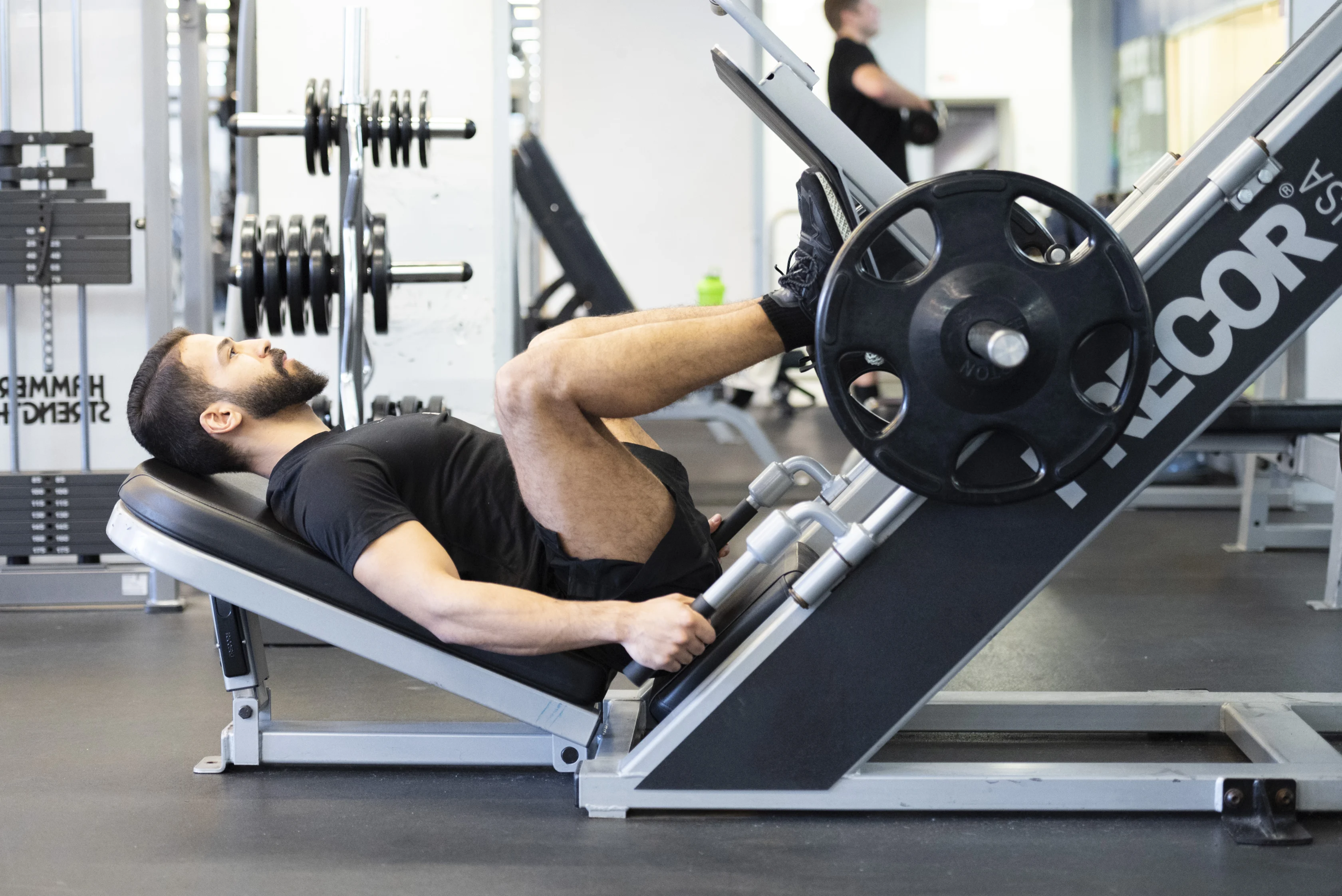
Performing reverse leg press exercises requires proper technique. This step-by-step guide helps you perform the exercise safely and effectively. Follow each step carefully to avoid injury and get better results.
Setting Up The Machine
Start by adjusting the seat and backrest. Sit comfortably with your back against the pad. Make sure the machine is clean and free of obstructions. Load the right amount of weight. Avoid using too much weight at first.
Proper Foot Placement
Place your feet shoulder-width apart on the platform. Position your toes slightly pointing outward. Your heels should press evenly on the platform. This placement targets the right muscles during the exercise.
Executing The Movement
Push the platform away using your heels. Extend your legs without locking your knees. Slowly return to the starting position. Keep your movements controlled and smooth throughout. Avoid jerky or fast motions to prevent injury.
Breathing Techniques
Inhale deeply before pushing the platform. Exhale slowly as you extend your legs. Maintain steady breathing during the exercise. Proper breathing helps control your movement and supports muscle effort.
Tips For Best Results
Getting the best results from reverse leg press exercises requires smart techniques. These tips help you build strength safely and effectively. Follow them for steady progress and fewer risks.
Start With Light Weights
Choose light weights at first to learn the proper form. This reduces the chance of injury. Focus on smooth and controlled movements before adding more weight.
Maintain Controlled Movements
Move slowly and steadily during each repetition. Avoid jerky or fast motions that can strain muscles. Controlled movements help target the right muscles and improve balance.
Combine With Other Exercises
Mix reverse leg presses with squats, lunges, or leg curls. This strengthens all parts of your legs evenly. A balanced workout prevents muscle imbalances and supports joint health.
Listen To Your Body
Pay attention to how your body feels. Stop if you feel sharp pain or discomfort. Rest when needed to allow muscles to recover and grow stronger.
Safety Precautions
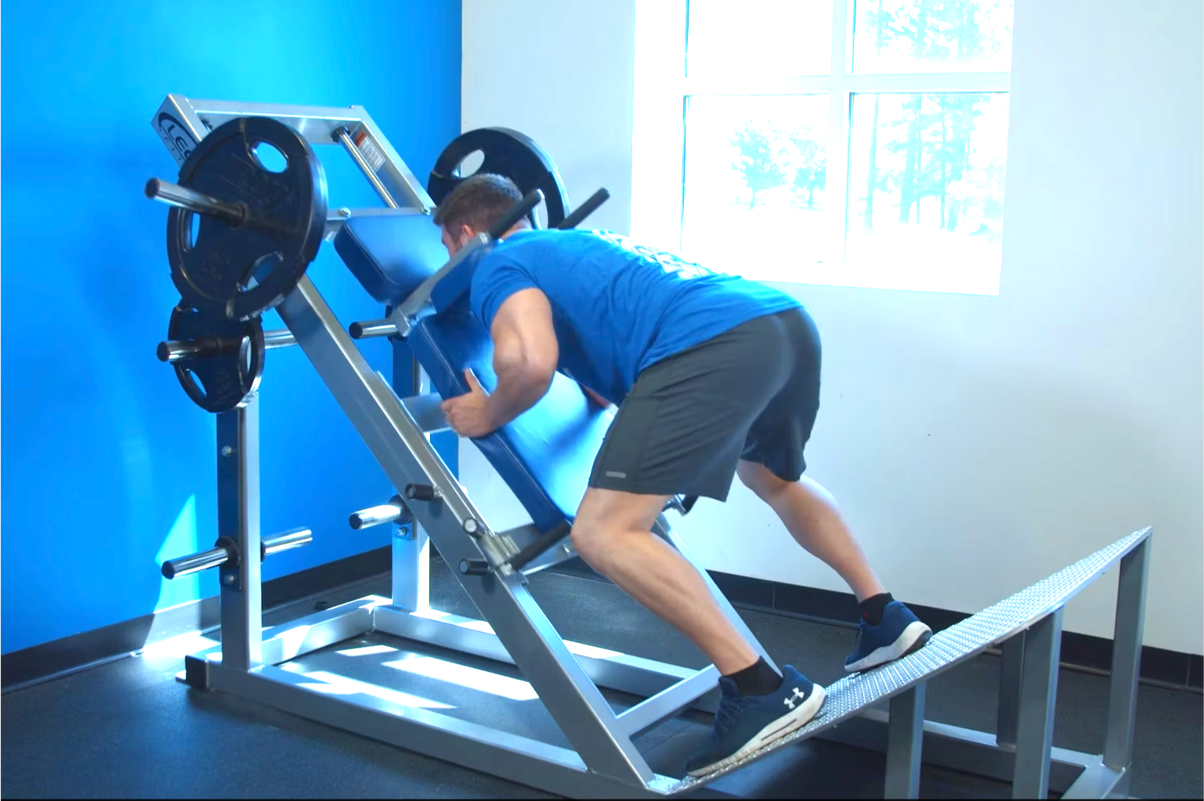
Safety is very important when doing reverse leg press exercises. This move puts stress on your legs and back. Taking proper care can help avoid injuries. Always prepare your body and use the right technique.
Proper Warm-up
Start with light cardio or stretching. Warm muscles handle pressure better. Spend 5 to 10 minutes warming up. This reduces the chance of strains or pulls.
Correct Foot Placement
Place feet firmly on the platform. Keep them shoulder-width apart. This helps balance and control. Wrong placement can cause knee pain or slips.
Start With Low Weight
Use low weight to learn the movement. Increase weight slowly over time. Heavy weights without practice increase injury risk. Focus on form before adding load.
Maintain Proper Form
Keep your back flat against the seat. Avoid locking your knees at full extension. Controlled movements prevent joint stress. Keep your core tight for stability.
Use Safety Stops
Check if the machine has safety stops. Set them to limit range of motion. This prevents the sled from moving too far. Safety stops protect your knees and hips.
Listen To Your Body
Stop if you feel sharp pain. Mild discomfort is normal, sharp pain is not. Pain signals something is wrong. Rest or consult a professional if pain persists.
Frequently Asked Questions
What Muscles Does Reverse Leg Press Target?
Reverse leg press mainly targets the hamstrings, glutes, and calves. It also engages the quadriceps and lower back. This variation shifts focus from the front to the back of your legs. It helps improve muscle balance and strengthens your posterior chain effectively.
Is Reverse Leg Press Safe For Beginners?
Yes, reverse leg press is generally safe for beginners. Start with light weights and proper form to avoid injury. It is important to control the movement slowly. Beginners should consult a trainer to learn correct technique before increasing intensity.
How Does Reverse Leg Press Differ From Regular Leg Press?
Reverse leg press involves pushing the platform with your heels, not toes. This changes muscle activation, emphasizing hamstrings and glutes more. Regular leg press focuses on quadriceps by pushing with toes. Both exercises complement each other for balanced leg development.
Can Reverse Leg Press Help With Knee Pain?
Reverse leg press can reduce knee strain compared to traditional leg press. It places less pressure on the knee joint by engaging hamstrings and glutes. However, consult a healthcare professional before exercising with knee pain. Proper form is crucial to avoid injury.
Conclusion
Reverse leg press exercises can be a good way to strengthen your legs. They work different muscles than the regular leg press. You can try them if your body feels comfortable. Start with light weight to avoid injury. Listen to your body and stop if you feel pain.
Mixing exercises helps your muscles grow stronger. Remember to keep good form for best results. Stay consistent and patient for progress. Your legs will thank you later.
