
Are you looking to strengthen your glutes and hamstrings but aren’t sure if a hyperextension bench is the right tool? You might have seen this equipment at the gym and wondered if it really targets those muscle groups effectively.
Understanding how to use it correctly can make a big difference in your workout results. Keep reading to discover how hyperextension benches work, why they might be the secret to unlocking stronger, more defined glutes and hamstrings, and how you can maximize their benefits for your fitness goals.

How Hyperextension Benches Work
Understanding how hyperextension benches work helps reveal their benefits. These benches support your body during back extension exercises. They allow you to bend forward and then lift your upper body back up. This movement targets specific muscles in your lower body and back. Proper use ensures you engage the right muscles safely and effectively.
Design And Mechanics
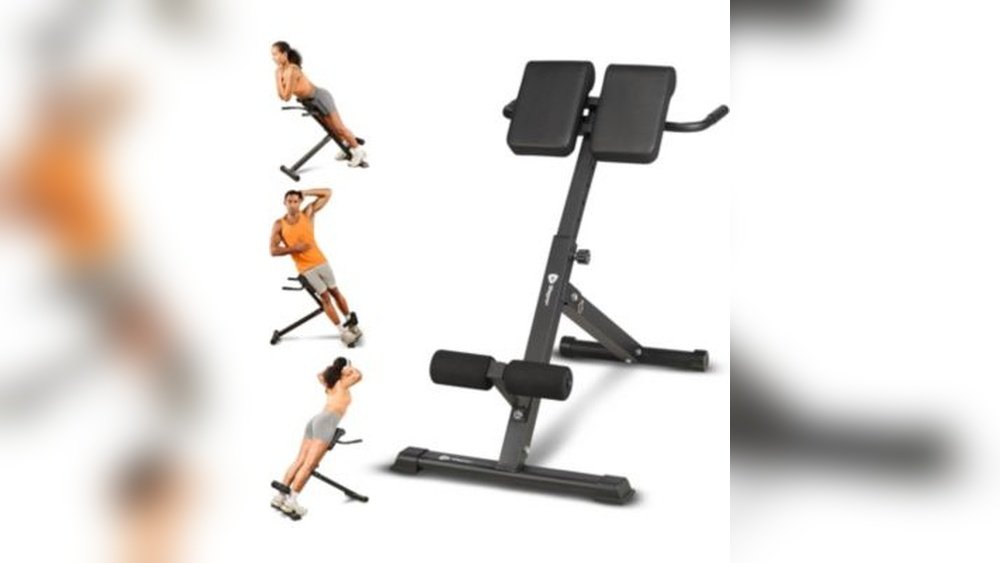
Hyperextension benches have a padded support for your hips. They also include foot holders to keep your legs steady. The bench angle varies but generally supports a natural bending motion. This design lets your upper body move freely while your lower body stays fixed. It creates a controlled environment for bending and lifting movements.
The mechanics focus on isolating the lower back, glutes, and hamstrings. Your hips act as a pivot point during the exercise. This pivot allows your torso to bend forward and then return upright. The fixed position of your legs stops unwanted movement. This setup helps maintain proper form and reduce injury risk.
Muscle Activation During Exercise
During the exercise, the glutes and hamstrings activate strongly. These muscles contract to lift your torso back up. The lower back muscles also engage to stabilize your spine. This combined effort helps improve strength and endurance in these areas.
The movement stretches the hamstrings when bending forward. Then, it contracts them during the lift. The glutes work hard to extend the hips and support the motion. Proper execution ensures these muscles receive maximum activation.
This muscle activation pattern makes hyperextension benches effective. They focus on strengthening the glutes, hamstrings, and lower back. Using the bench regularly can improve muscle tone and reduce injury risk.
Glutes And Hamstrings Engagement
Hyperextension benches can work the glutes and hamstrings well. These muscles help extend the hips and bend the knees. Using the bench correctly can activate these muscles. This makes it a useful exercise for strengthening the back of the body.
Proper form is key to targeting the glutes and hamstrings. The movement should come from the hips, not the lower back. This focus helps engage the right muscles and reduces injury risk.
Role Of Glutes In Hyperextensions
The glutes help extend the hips during hyperextensions. They contract to lift the upper body from the bench. Strong glutes improve posture and support the lower back. They also help with powerful movements like jumping and running.
Activating the glutes properly makes the exercise more effective. It prevents the lower back from doing too much work. This focus builds strength in the hips and back.
Hamstring Involvement And Benefits
The hamstrings work to bend the knees and extend the hips. During hyperextensions, they assist the glutes in lifting the body. Strong hamstrings improve leg strength and balance. They also reduce the risk of injuries in sports and daily activities.
Training hamstrings on the hyperextension bench helps build muscle endurance. It supports better movement patterns and overall leg power.
Exercise Variations For Targeting
Hyperextension benches are versatile tools for strengthening the lower body. Changing the exercise style can shift the focus between muscles. Different variations target the glutes and hamstrings in unique ways. Exploring these options helps maximize workout results.
Standard Back Extensions
Standard back extensions mainly work the lower back muscles. They also engage the glutes and hamstrings, but less strongly. Keep your body straight and bend only at the hips. This movement activates the hamstrings and glutes gently. It is great for beginners or warming up.
Weighted Hyperextensions
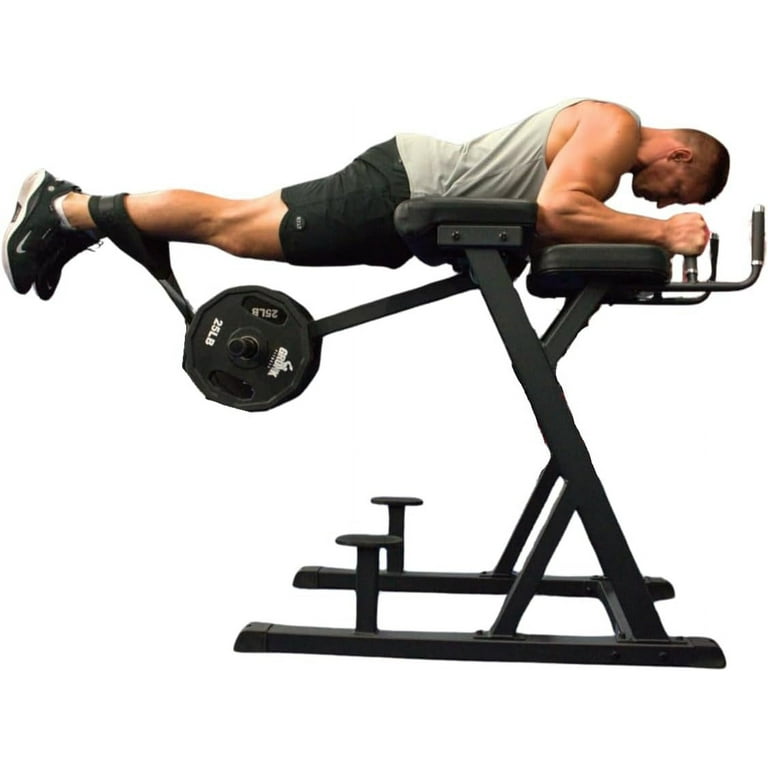
Adding weight increases the challenge on glutes and hamstrings. Hold a plate or dumbbell close to your chest. This forces your muscles to work harder during the lift. Weighted hyperextensions build more strength and muscle size. Use lighter weights at first to maintain good form.
Single-leg Modifications
Single-leg hyperextensions improve balance and target muscles individually. Lift one leg off the bench while performing the movement. This variation places more load on each glute and hamstring separately. It helps fix muscle imbalances and improves stability. Start slowly and increase reps as you get stronger.
Common Mistakes To Avoid
Using a hyperextension bench can help target your glutes and hamstrings well. Avoiding common mistakes is key to getting results and staying safe. Many people make errors that reduce the exercise’s effectiveness or cause injury. Focus on good habits to protect your body and improve your workout.
Incorrect Form And Risks
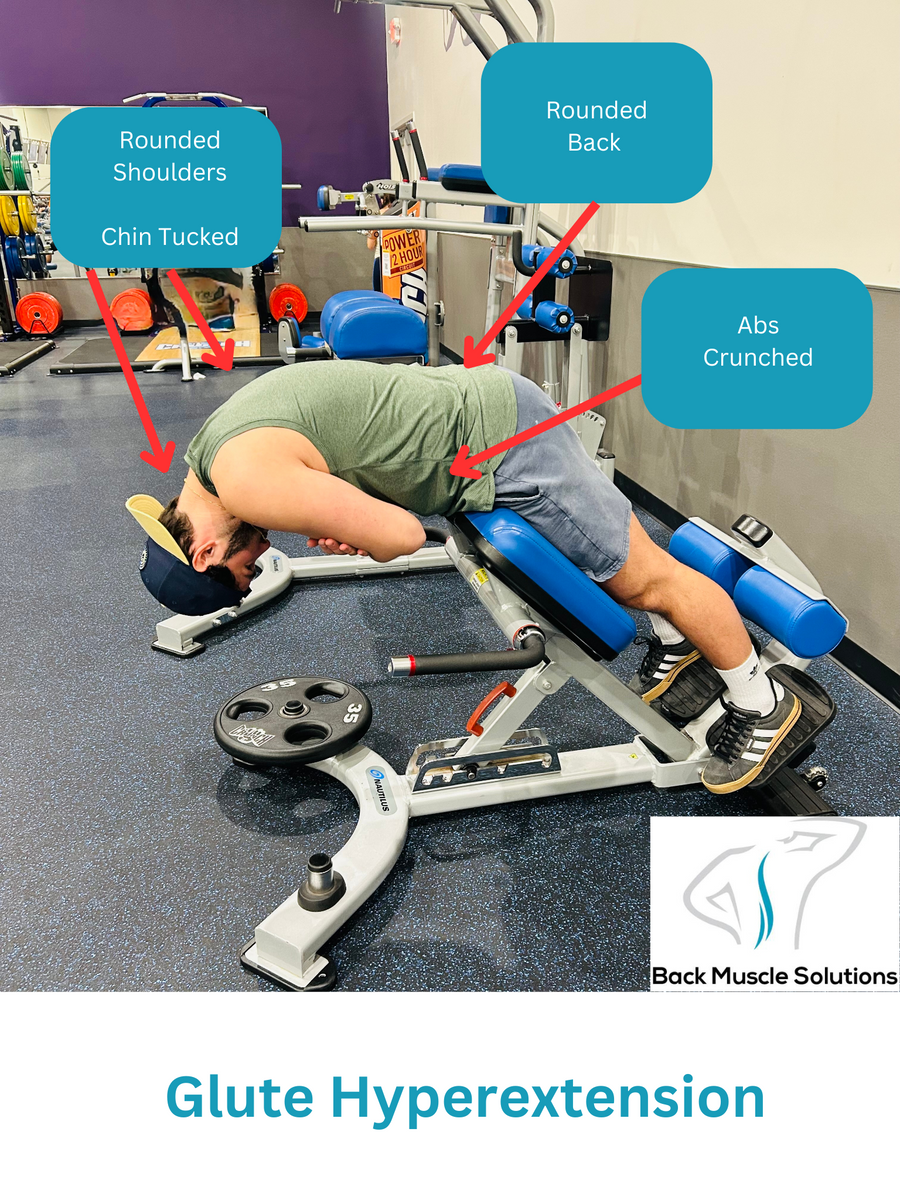
Poor form on a hyperextension bench can hurt your back. Leaning too far forward or rounding your spine puts stress on your lower back. Keep your body straight and your core tight. Avoid jerky movements or bending at the hips incorrectly. Good form ensures the glutes and hamstrings do the work, not your lower back.
Overextension And Strain Issues
Overextending your back causes muscle strain and pain. Stop when your body is in a straight line. Pushing beyond this point stresses your spine and muscles. Move slowly and control every motion. Avoid fast, uncontrolled movements that lead to injury. Listen to your body and stop if you feel discomfort.
Complementary Exercises For Strength
Complementary exercises help build strength alongside hyperextension bench workouts. They target the glutes and hamstrings in different ways. Using a variety of moves can improve muscle balance and growth. This approach reduces the risk of injury and boosts overall fitness.
Adding these exercises ensures a full and effective workout plan. It also keeps your routine fresh and challenging.
Deadlifts And Hip Thrusts
Deadlifts are powerful for building hamstring and glute strength. They engage multiple muscles and improve posture. Hip thrusts focus more on the glutes. This move helps increase hip power and shape. Both exercises complement hyperextension bench work well.
Glute Bridges And Lunges
Glute bridges activate the glutes with less strain on the back. They are great for beginners and injury recovery. Lunges add balance and coordination to your routine. They work the glutes, hamstrings, and thighs. These exercises enhance strength and muscle control.
Tips For Maximizing Results
Maximizing results on a hyperextension bench takes focus and smart effort. Small changes can make a big difference in targeting glutes and hamstrings effectively. Following key tips helps improve strength and shape faster. These tips also reduce the risk of injury and keep workouts efficient.
Proper Warm-up Techniques
Start with a light warm-up to prepare muscles. Gentle stretching helps increase blood flow to glutes and hamstrings. Perform dynamic movements like leg swings or walking lunges for five to ten minutes. Avoid rushing into heavy sets. Warming up reduces stiffness and improves range of motion. This makes each hyperextension set more effective.
Progressive Overload Strategies
Gradually increase the difficulty of your exercises. Add small weights or resistance bands over time. Increase the number of repetitions slowly, not all at once. Track your progress to know when to push harder. Progressive overload helps muscles grow stronger and firmer. It also prevents plateaus in your workout routine.
Frequently Asked Questions
Can Hyperextension Benches Effectively Target Glutes?
Yes, hyperextension benches effectively target glutes by engaging them during the upward motion. This exercise strengthens and tones glute muscles, improving hip extension and overall lower body strength.
Do Hyperextension Benches Work Hamstrings Well?
Hyperextension benches work hamstrings by activating them during the bending and straightening phases. This exercise builds hamstring strength, enhances flexibility, and supports injury prevention through controlled motion.
How To Maximize Glute And Hamstring Activation?
To maximize activation, maintain proper form and control movement speed. Adjust bench angle and add resistance like weights to increase muscle engagement and workout intensity.
Are Hyperextension Benches Safe For Beginners?
Yes, hyperextension benches are safe for beginners when used with correct form and moderate intensity. Start slow, avoid overextension, and gradually increase difficulty to prevent injury.
Conclusion
Hyperextension benches can help work glutes and hamstrings well. They focus on the lower back but also engage these muscles. Using the right form makes a big difference in results. Adding variety with other exercises improves strength and balance. Start slow and increase intensity safely to avoid injury.
Consistency is key for building strong glutes and hamstrings. Keep your workouts regular and pay attention to your body. This simple tool can be a helpful part of your fitness routine.
