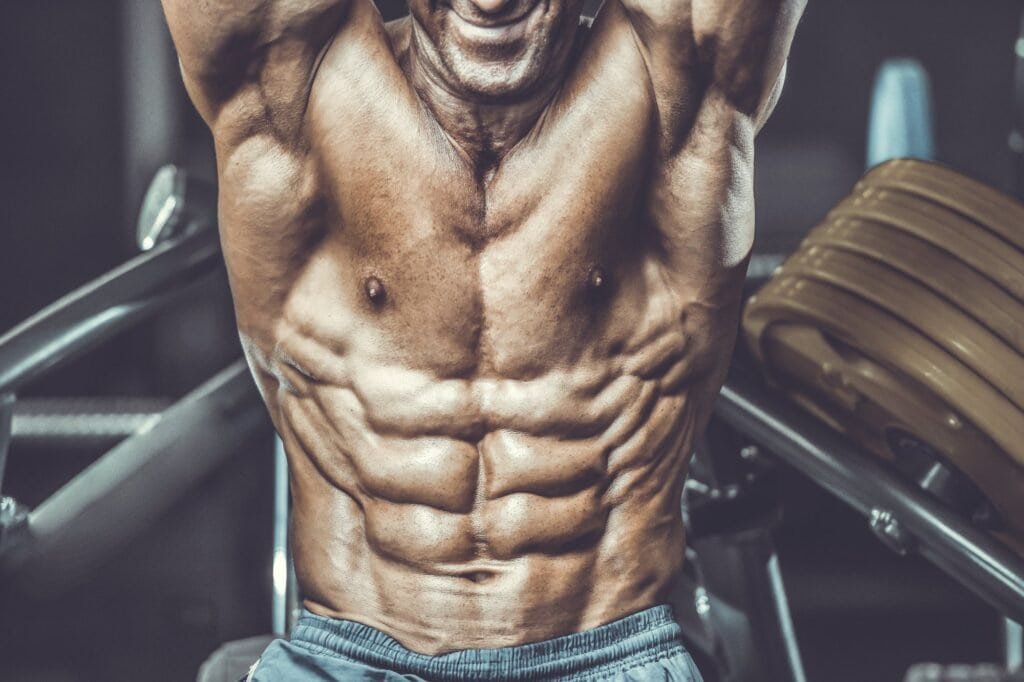
Have you ever looked in the mirror and wondered, “Can anyone get 6 pack abs?” You’re not alone. Those defined, chiseled muscles seem like the ultimate fitness goal.
But is it really possible for you to achieve that look? What if I told you it’s not just about luck or genetics? You’ll discover the truth behind building six-pack abs and whether they’re truly within your reach. Keep reading, because what you learn here could change the way you approach your fitness goals forever.
Myths About Six-pack Abs
Many people want six-pack abs and believe it is easy to get them. There are many myths about how to develop visible abs.
This article explains common myths about six-pack abs and what really affects their appearance.
Genetics And Abs
Your genes play a big role in how your abs look. Some people have abs that show more easily than others.
Genetics affect muscle shape, size, and where your body stores fat. Not everyone can get the same six-pack.
Spot Reduction Reality
Many believe doing many sit-ups burns belly fat. This idea is called spot reduction. It is not true.
You cannot lose fat in just one area by exercising that part. Fat loss happens all over the body.
- Fat loss needs a calorie deficit from diet and exercise
- Full body workouts help reduce fat better than focused exercises
- Spot training builds muscle but does not remove fat in one spot
Age And Abs Development
Age affects how easy it is to get six-pack abs. Muscle loss and fat gain happen as you get older.
Older adults may need more effort with diet and exercise to see abs. Still, it is possible with patience.

Key Factors For Six-pack Abs
Many people want six-pack abs. Getting them takes more than just exercise. You need to focus on certain key factors.
Understanding these factors helps you plan better workouts and diet. Let’s look at the main points.
Body Fat Percentage
Six-pack abs show best when body fat is low. Fat covers the muscles, hiding them from view.
Men usually need to reduce body fat below 12%. Women need to go below 20% to see abs clearly.
- Lower body fat reveals muscle definition
- Cardio helps burn fat
- Strength training also supports fat loss
Muscle Development
Strong abdominal muscles make your six-pack more visible. You need to build muscle with exercises.
Focus on core workouts like crunches, planks, and leg raises. Work your abs at least three times a week.
- Train all parts of your abs
- Use proper form to avoid injury
- Increase intensity gradually
Nutrition’s Role
Nutrition controls your body fat and muscle growth. Eating the right foods helps you get six-pack abs.
Eat more protein and fewer processed foods. Drink plenty of water and avoid sugary drinks.
- Protein helps muscle repair and growth
- Vegetables and fruits provide vitamins
- Limit sugar and unhealthy fats
Effective Workout Strategies
Getting six-pack abs takes more than just doing crunches. You need a plan that includes different exercises. This helps build muscle and reduce fat.
Below are some workout strategies that help you get closer to visible abs.
Core Strengthening Exercises
Strong core muscles make your abs stand out. Focus on exercises that work all parts of your core. This includes the upper abs, lower abs, and obliques.
Try to do these exercises regularly to build a solid foundation.
- Planks hold your body in a straight line to build endurance
- Crunches target the upper abdominal muscles
- Leg raises focus on the lower abs
- Bicycle crunches work the obliques on the sides
Cardio For Fat Loss
Six-pack abs show up when body fat is low. Cardio helps burn calories and reduce fat. This makes your muscles more visible.
Choose cardio exercises that raise your heart rate for at least 20 minutes.
- Running or jogging helps burn many calories
- Jump rope improves heart health and coordination
- Swimming works the whole body and burns fat
- High-Intensity Interval Training (HIIT) alternates fast and slow movements
Strength Training Benefits
Strength training builds muscle all over your body. More muscle means a higher metabolism. This helps burn fat even when you rest.
Include strength exercises to support your core and improve your overall shape.
- Weight lifting increases muscle size and strength
- Bodyweight exercises like push-ups and squats build muscle without equipment
- Stronger muscles improve posture and balance
- Muscle growth helps keep fat off your belly
Nutrition Tips For Defined Abs
Getting six-pack abs takes more than exercise. Nutrition plays a big role in showing your muscles. Eating the right foods helps reduce fat and build muscle.
Good nutrition gives your body energy and supports muscle growth. Here are some key tips to help you eat for defined abs.
Balanced Macronutrients
Your body needs three main macronutrients: protein, carbs, and fats. Each one helps your abs look their best. Protein builds muscle, carbs give energy, and fats support body functions.
Balance these nutrients to keep your body strong and lean. Avoid eating too much of one type and too little of another.
- Eat lean proteins like chicken, fish, and beans
- Choose whole grains and vegetables for carbs
- Include healthy fats from nuts, seeds, and olive oil
Hydration Importance
Water helps your body work well and keeps your skin tight. Drinking enough water can make your abs more visible. It also helps digestion and muscle recovery.
Try to drink water throughout the day. Avoid sugary drinks that add extra calories and can hide your abs.
- Drink at least 8 cups of water daily
- Drink more if you exercise or sweat a lot
- Avoid soda and high-sugar drinks
Meal Timing And Frequency
Eating at regular times helps control hunger and keeps energy steady. Smaller, frequent meals can support metabolism and reduce fat storage.
Try not to skip meals. Eating balanced meals every 3-4 hours keeps your body fueled for workouts and recovery.
- Eat breakfast within an hour of waking
- Have balanced meals every few hours
- Include protein in each meal to build muscle
Lifestyle Habits Impacting Abs
Getting six-pack abs is not just about exercise. Your daily habits play a big role too. How you sleep, handle stress, and stay consistent matters a lot.
These lifestyle habits affect your body’s ability to build and show abs. Let’s explore some key habits that help or hurt your progress.
Sleep And Recovery
Sleep is very important for muscle growth and fat loss. When you sleep well, your body repairs muscles and balances hormones.
Without enough sleep, your body stores more fat and feels tired. This makes workouts less effective for abs.
- Aim for 7 to 9 hours of sleep each night
- Keep a regular sleep schedule
- Create a calm, dark place to sleep
Stress Management
Stress causes your body to release a hormone called cortisol. High cortisol can lead to fat gain, especially around the belly.
Managing stress helps keep your hormone levels balanced. This supports fat loss and muscle definition in your abs.
- Practice deep breathing or meditation
- Take breaks and relax regularly
- Stay active with light exercise
Consistency And Patience
Getting visible abs takes time and steady effort. You need to keep eating healthy and exercising regularly.
Results do not happen overnight. Being patient and consistent is key to reaching your goal.
- Follow a balanced diet every day
- Exercise your abs and whole body often
- Track your progress but stay patient

Common Challenges And Solutions
Getting six-pack abs is a goal for many people. It takes hard work and smart choices. There are challenges that can slow progress.
Understanding these challenges helps you find solutions. This guide covers common problems and ways to overcome them.
Plateaus In Progress
Plateaus happen when your progress stops even if you work hard. Your body gets used to the same workout and diet. This causes no change in muscle or fat.
To break a plateau, change your routine. Try new exercises or adjust your diet. Small changes can restart progress.
- Increase workout intensity or duration
- Change the type of exercises
- Adjust calorie intake and protein levels
- Rest more to allow muscle recovery
Injury Prevention
Injuries can stop your fitness journey. Poor form or too much strain causes injury. It can take weeks to heal and lose progress.
Prevent injury by warming up and using correct form. Listen to your body and avoid pushing too hard. Rest is important too.
- Always warm up before workouts
- Use proper technique for exercises
- Increase workout load slowly
- Take rest days to recover
- Use equipment correctly
Motivation Maintenance
Staying motivated is hard over time. You may feel tired or bored. This can cause you to stop working toward your goal.
Keep motivation by setting small goals. Celebrate progress and vary your workouts. Support from friends helps too.
- Set clear, small goals to track progress
- Change exercises to keep workouts fun
- Work out with friends or groups
- Reward yourself for milestones
- Remember why you started
Tracking Progress And Adjustments
Getting six-pack abs takes time and effort. Tracking your progress helps you see what works and what needs change.
Adjusting your workouts and diet based on progress keeps you moving toward your goal.
Measuring Body Fat
Body fat percentage tells you how much fat you carry. Lower body fat helps abs show clearly.
You can measure body fat using scales, calipers, or professional tests. Track these numbers every few weeks.
- Use the same tool each time for consistency
- Measure at the same time of day
- Record and compare results over time
Progress Photos
Photos show visible changes that numbers may miss. Take pictures every 2-4 weeks in similar lighting and poses.
Compare photos to see how your body changes. This can motivate you to keep going or adjust your plan.
- Wear the same clothes or no clothes
- Use the same background and light
- Take front, side, and back shots
Adjusting Workouts And Diet
If progress slows, change your workout or diet. Add more intensity or adjust calories as needed.
Track how your body reacts. Small changes keep your muscles growing and fat dropping.
- Increase workout difficulty over time
- Eat enough protein for muscle repair
- Reduce extra calories if fat loss stalls
- Rest well to help recovery

Frequently Asked Questions
Can Anyone Get Six-pack Abs Naturally?
Yes, anyone can develop six-pack abs naturally with the right diet, consistent exercise, and proper rest. Genetics affect ease but don’t prevent it.
How Long Does It Take To Get Six-pack Abs?
Time varies based on starting point, diet, and workout. Typically, visible abs appear in 3 to 6 months with dedication.
What Exercises Are Best For Six-pack Abs?
Core-focused exercises like planks, crunches, and leg raises effectively build abdominal muscles. Combine with cardio and strength training for best results.
Does Diet Impact Six-pack Abs Development?
Absolutely. A clean, balanced diet with a calorie deficit reduces body fat, revealing abdominal muscles more clearly. Nutrition is crucial.
Conclusion
Achieving six-pack abs is possible for most people. Consistency is key. Regular exercise and a healthy diet help. Everyone’s body is different, so results vary. Patience and persistence make a big difference. Set realistic goals. Celebrate small victories along the way.
Remember, it’s not just about looks. Health and fitness matter more. Don’t compare yourself to others. Focus on personal progress. Stay motivated and positive. You can achieve your fitness goals. It just takes time and effort. Believe in yourself and keep pushing forward.
The journey is worth it.
