
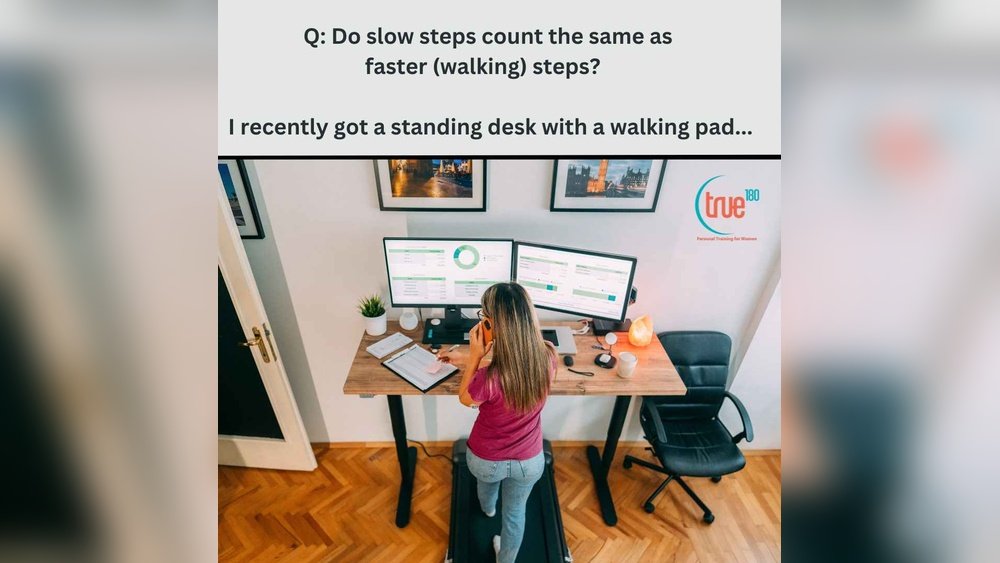
Are you curious if your walking pad can track steps as you move? Knowing how many steps you take can boost your motivation and help you reach your fitness goals.
But not all walking pads come with built-in step tracking, and it can be confusing to figure out what your device really measures. You’ll discover how walking pads work, whether they can count your steps accurately, and what tools you can use to keep track of your progress.
Keep reading to find out how to make every step count!
How Walking Pads Measure Steps
Walking pads are popular for indoor exercise and step tracking. Understanding how they measure steps helps users trust the data. Step counting relies on smart technology and sensors inside the device. These parts work together to detect and record every step you take.
Built-in Sensors And Technology
Walking pads have built-in sensors that detect movement. These sensors include accelerometers and gyroscopes. They sense the speed and direction of your steps. The sensors are small and fit inside the walking pad. They collect data as you walk or run.
Motion Detection Methods
The sensors use motion detection to track each step accurately. They detect when your foot hits the walking surface. The pad measures vibrations or pressure changes from your movement. This helps count steps without extra devices. The pad filters out false signals for better accuracy.
Data Processing Algorithms
After collecting data, walking pads use algorithms to process it. These algorithms analyze patterns to identify real steps. They remove noise caused by small movements or shaking. The software calculates total steps and displays the count. This process ensures reliable step tracking every time.
Accuracy Factors For Step Tracking
Step tracking accuracy on a walking pad depends on several key factors. These factors influence how well the device counts each step. Understanding them helps users set realistic expectations.
Sensor Sensitivity
Sensors detect movement to count steps. High sensitivity means the sensor picks up small movements easily. Low sensitivity may miss steps or count too few. Some walking pads use accelerometers or gyroscopes to measure motion. The quality and calibration of these sensors affect accuracy.
User Movement Patterns
Each person walks differently. Stride length, speed, and walking style change step detection. Smooth, consistent walking improves tracking. Erratic or slow steps can confuse sensors. Hand movements and body posture also impact results. The walking pad’s step counter adapts better to normal walking patterns.
Surface And Environment Effects
The type of surface under the walking pad matters. Uneven or soft surfaces may cause false readings. Vibrations or external movements nearby can affect sensor signals. Indoor environments with steady conditions help maintain accuracy. Outdoor use may reduce step tracking precision due to changing terrain.
Comparing Walking Pads With Traditional Trackers
Walking pads have grown in popularity as a new way to stay active indoors. They offer a different experience than traditional step trackers. Comparing walking pads with classic trackers helps you see their unique benefits and limits. This guide looks at three common types of trackers and how walking pads match up.
Wrist-based Trackers Vs Walking Pads
Wrist-based trackers count steps using sensors on your wrist. They track all your daily movement. Walking pads focus mainly on steps taken while walking on the device. Wrist trackers can also monitor heart rate and sleep. Walking pads do not track health data but give accurate step counts during use.
Smartphone Apps Vs Walking Pads
Smartphone apps use your phone’s motion sensors to count steps. They work anywhere you carry your phone. Walking pads count steps only when walking on them. Apps may miss steps if the phone is not on your body. Walking pads provide consistent step tracking during indoor walking sessions.
Wearable Devices And Walking Pads
Wearable devices include smartwatches and fitness bands. They track steps, calories, and other health metrics all day long. Walking pads focus on step count during exercise on the pad. Wearables offer a full health picture. Walking pads give a reliable step count for indoor walking times.
Improving Step Tracking On Walking Pads
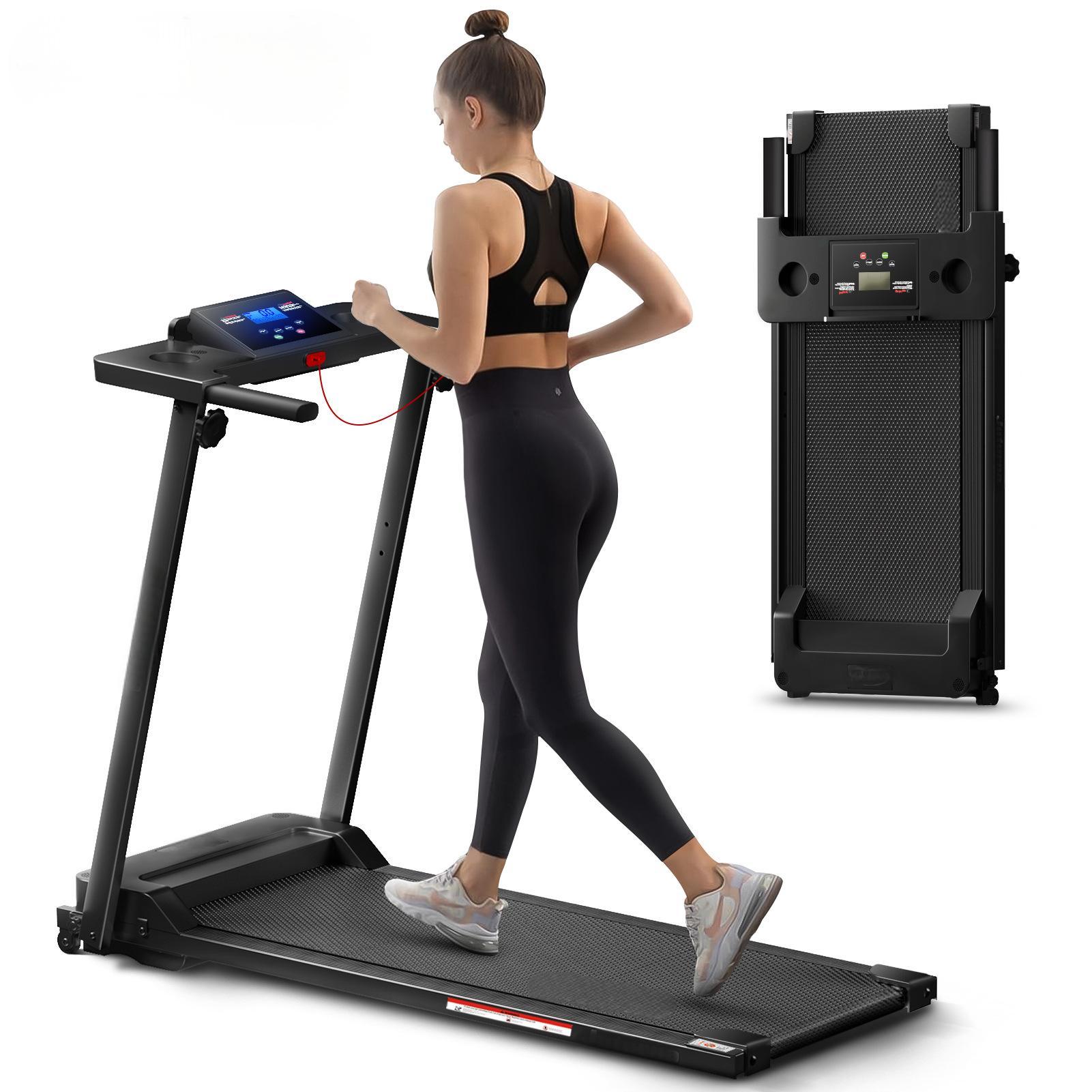
Improving step tracking on walking pads helps you get accurate fitness data. Better tracking shows real progress and keeps you motivated. Small changes can make a big difference in step counts.
Focus on how you set up and use your walking pad. This ensures the device counts every step correctly. Follow these tips for better step tracking results.
Calibration Tips
Calibrate your walking pad before first use. Follow the manufacturer’s instructions carefully. Proper calibration helps the device measure steps accurately. Repeat calibration if you move the walking pad to a new location. This resets the sensors and improves tracking precision.
Maintaining Device Sensors
Clean sensors regularly to remove dust and dirt. Use a soft cloth and gentle cleaner. Avoid water or harsh chemicals on sensors. Clear sensors detect steps better and avoid errors. Check sensors for damage and replace if needed. Well-maintained sensors give reliable step counts.
Optimizing Walking Form
Walk naturally with a steady pace on the pad. Keep your feet close to the belt surface. Avoid dragging or lifting feet too high. Smooth, even steps help sensors track better. Maintain good posture to support consistent walking. Correct form improves step accuracy and comfort.
Common Issues And Troubleshooting
Using a walking pad to track steps is helpful, but some users face common issues. These problems can affect the accuracy and overall experience. Knowing how to fix them makes using the device easier and more reliable.
Inconsistent Step Counts
Step counts may vary due to sensor sensitivity or user movement. Some walking pads miss small steps or count extra ones. Uneven walking or shifting weight can cause errors. To fix this, stand firmly and walk smoothly. Calibrate the device if the option is available.
Connectivity Problems
Many walking pads connect to apps via Bluetooth or Wi-Fi. Connection may drop or fail to pair correctly. Distance between devices or interference can cause this. Restarting both devices often restores the link. Keep the app and device close during use for better connection.
Software Updates And Bugs
Software updates can improve features but may bring bugs. Bugs sometimes cause step tracking to freeze or reset. Check for the latest update from the manufacturer regularly. Reinstall the app or reset the walking pad to clear errors. Contact support if problems continue after updates.

Choosing The Right Walking Pad For Accurate Tracking
Choosing the right walking pad is key for accurate step tracking. Not all walking pads track steps the same way. Some use sensors, while others connect to apps for better data. Accuracy depends on the quality of the device and its features. Understanding different brands and models helps find the best fit. Comparing features and reading user reviews gives a clearer picture. This guide helps pick a walking pad that tracks steps well and meets your needs.
Top Brands And Models
Top brands offer reliable walking pads with step tracking. Brands like Xiaomi, UREVO, and Goplus have popular models. Xiaomi’s WalkingPad A1 Pro is known for smooth tracking. UREVO models often include Bluetooth syncing to apps. Goplus walking pads combine compact design with step counters. Choosing a brand with good support and updates matters. Check if the model fits your space and walking style. Quality brands tend to provide more accurate step data.
Feature Comparison
Step tracking features vary across walking pads. Some devices count steps mechanically using sensors on the belt. Others use accelerometers or gyroscopes for more precise tracking. Bluetooth connectivity helps sync data to mobile apps. Apps may show detailed stats like distance, calories, and time. Look for adjustable speed settings to match your pace. Noise level and size also affect user experience. Compare battery life if the pad is cordless. Features like remote control add convenience but may not affect tracking accuracy.
User Reviews And Feedback
User reviews reveal real-world step tracking performance. Many buyers share how accurate their walking pads track steps. Look for reviews mentioning syncing issues or false step counts. Positive feedback often highlights ease of use and app reliability. Negative reviews may warn about sensor faults or slow updates. Pay attention to comments on build quality and customer service. Reviews help avoid models with common problems. They also provide tips for better tracking accuracy from experienced users.
Frequently Asked Questions
Can A Walking Pad Accurately Track My Steps?
Yes, many walking pads have built-in sensors that accurately track your steps. They use motion detection technology to count each step you take while using the device.
Do Walking Pads Sync Step Data To Apps?
Some walking pads can sync step data to companion apps via Bluetooth. This helps you monitor your daily activity and progress easily on your smartphone.
Are Walking Pad Step Counts Reliable For Fitness Tracking?
Walking pad step counts are reliable for general fitness tracking. However, minor variations may occur compared to dedicated pedometers or fitness trackers.
Can I Use A Walking Pad Without Tracking Steps?
Yes, you can use a walking pad solely for exercise without tracking steps. Step tracking is an optional feature on many models.
Conclusion
A walking pad can help you keep track of your steps daily. Most models have built-in step counters or connect to apps easily. Tracking steps motivates you to move more and stay active. It also helps monitor your progress over time.
Choose a walking pad that fits your needs and budget. Remember, staying consistent matters more than perfect tracking. Small steps lead to big health benefits. Walking pads offer a simple way to add exercise indoors. Keep walking, keep tracking, and enjoy better health every day.
