Are you looking to boost your squat strength but wondering if the leg press machine can help? You’re not alone.
Many fitness enthusiasts ask whether using a leg press can make their squats stronger and more powerful. Understanding how these two exercises connect could change the way you train and accelerate your progress. Keep reading to discover the surprising ways a leg press machine might impact your squat—and what you need to know to get the best results for your workouts.

Leg Press Basics
The leg press machine is a popular tool in many gyms. It helps people build leg strength safely. This machine supports your back and guides your legs through a pressing motion. Many ask if it can improve squat strength. Understanding the basics of the leg press is key to answering this.
The leg press focuses on large muscles in the legs. It allows controlled movement and steady resistance. This makes it a good choice for beginners and advanced lifters. Knowing how it works and the types available helps you use it well.
How It Targets Muscles
The leg press mainly works the quadriceps. These are the muscles on the front of your thighs. It also engages the glutes and hamstrings. The pushing action strengthens these muscles together. Your calves get some work too, but less than other muscles. The machine keeps your back stable, so legs do most work.
Different Types Of Leg Press Machines
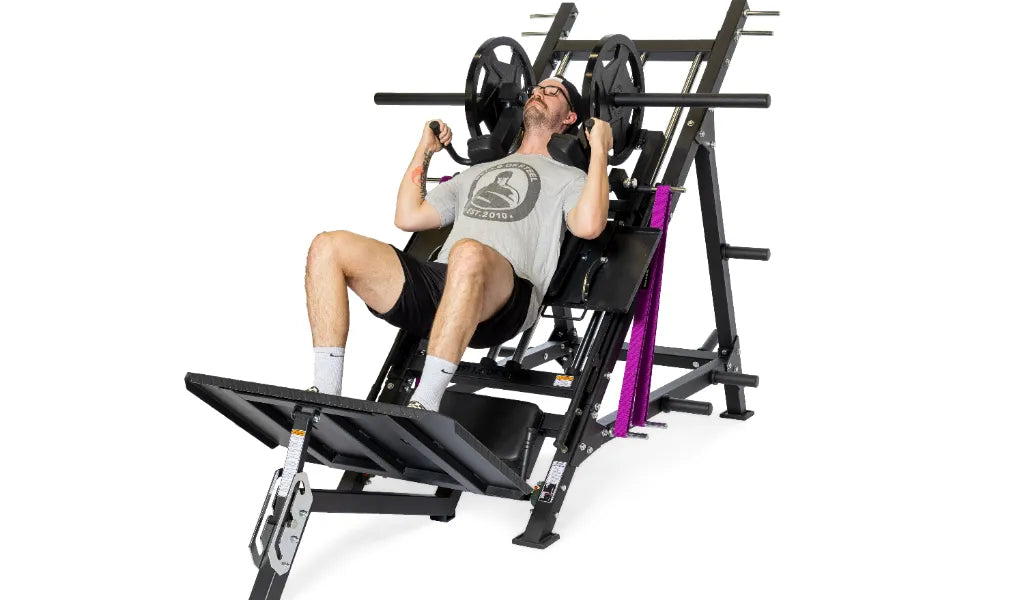
There are several types of leg press machines. The most common is the horizontal leg press. You push a platform away while sitting down. Another type is the 45-degree leg press. It offers a slight angle to the movement. The vertical leg press has you push weight straight up. Each type changes how muscles work slightly. Choose one that fits your comfort and goals.

Squat Strength Factors
Squat strength depends on many factors working together. Building power in the right muscles and using good form are very important. Mobility also plays a big role in how well you can squat. Understanding these factors helps you improve your squat safely and effectively.
Each part affects your ability to lift heavier weights and avoid injury. Let’s explore the key muscles used in squats and why technique and mobility matter.
Key Muscles For Squats
The squat uses many muscles in your lower body. The quadriceps are the main muscles in the front of your thighs. They help extend your knees during the squat. Your glutes, or butt muscles, provide power and help with hip movement. The hamstrings, at the back of your thighs, support knee flexion and hip extension. Your core muscles keep your body stable and protect your spine. Strong muscles in these areas improve squat performance and reduce injury risk.
Role Of Technique And Mobility
Good squat technique ensures the right muscles work properly. Proper form keeps your knees and back safe. Poor technique can limit strength and cause pain. Mobility in your hips, knees, and ankles allows a full squat depth. Limited mobility forces you to compensate, which may lead to injury. Practicing good form and improving joint mobility helps you squat better and lift more weight.
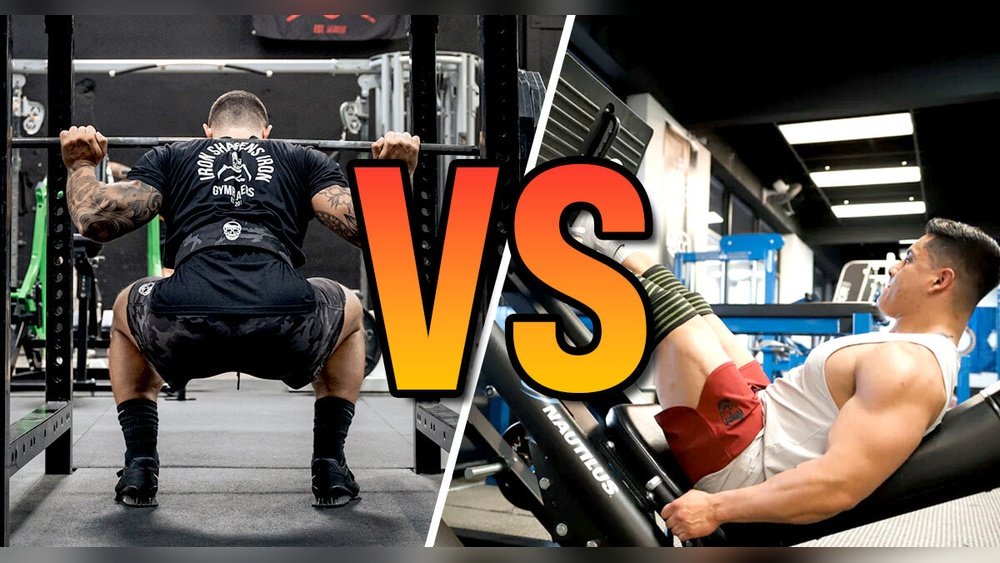
Leg Press Vs Squat
The leg press machine and the squat are two popular exercises for leg strength. Both target the lower body but work in different ways. Understanding their differences helps decide which fits your fitness goals best. Below, we compare their muscle activation and movement patterns.
Muscle Activation Comparison
The squat activates many muscles at once, including quads, hamstrings, glutes, and core. It requires balance and stability, which engages more muscle groups. The leg press focuses mainly on the quads and glutes. It reduces the need for balance since the machine supports your back. Squats generally build more overall muscle strength and coordination.
Movement Pattern Differences
Squats mimic natural body movements like sitting and standing. They allow free movement in multiple directions. This improves joint flexibility and balance. The leg press has a fixed path. The machine guides your legs up and down. It limits ankle, knee, and hip movement. This reduces the risk of injury but also lowers functional strength gains.
Benefits Of Leg Press For Squats
The leg press machine offers several benefits that can help improve your squat strength. It targets key muscles used in squats, helping build power and endurance. Using the leg press regularly can support your squat technique and overall performance.
Here are some important benefits of the leg press for squats.
Building Quad Strength
The leg press focuses on your quadriceps, the large muscles at the front of your thighs. Strong quads are essential for pushing up from the squat position. The machine allows you to add weight safely, helping your quads grow stronger over time. This strength translates well into deeper and more powerful squats.
Improving Muscle Endurance
Leg press workouts often involve higher repetitions. This trains your muscles to last longer during exercise. Better muscle endurance means you can perform more squat reps without feeling tired quickly. Endurance is key for athletes and anyone who does multiple sets or heavy squats.
Reducing Joint Stress
The leg press supports your back and reduces pressure on your knees. This lowers the risk of joint pain or injury compared to some squat variations. It allows you to build strength while protecting your joints. This makes the leg press a good option for beginners or those recovering from injury.
Limitations Of Leg Press
The leg press machine is popular for building leg muscles. It offers a safe way to lift heavy weights. Many use it to try and improve their squat strength. Yet, this machine has clear limits. Understanding these limits helps set realistic goals.
Using only the leg press can slow progress in squats. The machine does not engage all the muscles used in a squat. It also changes the way your body moves. These factors reduce the transfer of strength to squatting.
Lack Of Core Engagement
The leg press does not work your core muscles much. Squats need strong core muscles for balance and support. Without using your core, you miss key strength gains. The machine supports your back, so your core stays inactive. This limits your overall strength development.
Limited Functional Transfer
The leg press moves in a fixed path. Squats require more control and balance. The machine does not train stabilizer muscles well. It also does not mimic real-life movements fully. This makes it harder to carry over strength to squats. Free-weight exercises offer better functional training.
Integrating Leg Press Into Training
Integrating the leg press machine into your training can support squat strength development. It targets similar muscles like the quads, hamstrings, and glutes. This helps build strength in a controlled way and reduces injury risk. Using the leg press allows focused work on pushing power and muscle endurance. It also offers a break from the balance demands of squats. This makes it a useful tool for lifters at any level.
Careful planning ensures the leg press complements, not replaces, squat work. Adjust volume and intensity for balanced progress. Tracking results helps identify what works best for your body. Here are some tips to get started.
Best Practices For Gains
Start with moderate weight and focus on proper form. Use full range of motion to engage muscles fully. Aim for 8 to 12 reps per set for strength and muscle growth. Rest 60 to 90 seconds between sets to recover well. Increase weight gradually as strength improves. Avoid locking your knees at the top to protect joints. Consistency matters more than heavy loads at first. Mix leg press sessions with other leg exercises for balance.
Combining With Squat Variations
Pairing leg press with squat variations boosts overall leg strength. Front squats target quads and core differently than back squats. Bulgarian split squats improve balance and single-leg power. Use leg press on days between squat workouts to reduce fatigue. This allows you to train legs more often without overtraining. Swap squat types weekly to keep muscles adapting. Leg press helps maintain strength when squats feel too hard. It also aids recovery from minor injuries by lowering load on the spine.
Real-life Results
Real-life results show how the leg press machine can affect squat strength. Many people want to know if using this machine helps improve their squat. Experiences from athletes and scientific studies give clear insight into this question.
Athlete Experiences
Athletes often use the leg press machine to build leg muscles. Some report stronger squats after regular leg press training. The machine targets the quads, hamstrings, and glutes. These muscles are important for squats. Athletes say the leg press helps them lift heavier weights safely. It allows controlled movement without balance worries. Some notice better squat form and depth after leg press workouts. Others use it for recovery from injuries. Overall, many athletes find the leg press a useful tool to support squat strength.
Scientific Studies
Research shows mixed but promising results for leg press impact on squats. Studies find leg press training increases leg muscle size and strength. This can help improve squat performance. One study found leg press exercises improved squat max weight over weeks. Another study showed muscle activation patterns in leg press and squats overlap. But squats also engage the core and lower back more. These areas need extra training beyond leg press. Combining leg press with squats offers better overall strength gains. Science supports leg press as part of a balanced leg workout to boost squats.
Tips To Maximize Squat Strength
Maximizing squat strength requires more than just heavy lifting. A smart plan helps build power and avoid injury. Focusing on key strategies can speed progress and improve results. Here are practical tips to help increase your squat strength effectively.
Progressive Overload Strategies
Progressive overload means gradually increasing weight or reps over time. This challenges muscles to grow stronger. Start with manageable weights and slowly add small amounts. Track your progress to know when to increase load. Use different squat variations to target muscles differently. This keeps workouts fresh and effective. Consistency is key. Train regularly but avoid rushing weight jumps. Proper form must come first to prevent injury. Combine heavy days with lighter recovery sessions for balance.
Mobility And Recovery
Good mobility improves squat depth and technique. Stretch hips, ankles, and hamstrings before workouts. Mobility exercises reduce stiffness and increase range of motion. Recovery helps muscles repair and grow stronger. Rest days are as important as training days. Use foam rolling or massage to ease tight muscles. Sleep well to support muscle recovery. Hydrate and eat protein-rich foods for muscle health. Avoid overtraining to prevent fatigue and injury. Balance training with rest for steady strength gains.
Frequently Asked Questions
Can Leg Press Machines Directly Increase Squat Strength?
Leg press machines target similar muscles as squats, mainly quads and glutes. They can improve leg strength but lack core engagement. So, while helpful, they don’t directly increase squat strength as effectively as free-weight squats do.
How Often Should I Use Leg Press For Better Squats?
Using the leg press 2-3 times weekly can aid squat strength. Ensure proper form and moderate weights to avoid overtraining. Combine with squats for balanced leg development and improved overall performance.
Does Leg Press Improve Squat Technique Or Form?
Leg press machines do not improve squat technique or form. Squat form requires balance, core strength, and flexibility, best trained with actual squats. Use leg press as a supplemental exercise, not a replacement.
Can Leg Press Help With Squat Injury Recovery?
Yes, leg press can aid squat injury recovery by allowing controlled, supported leg strengthening. It reduces spinal load, making it safer during rehab. Always consult a professional before starting leg press post-injury.
Conclusion
The leg press machine can help build leg muscles. Stronger legs often lead to better squat performance. It targets muscles used in squats, like quads and glutes. Still, it cannot replace proper squat practice. Combining leg press with squats gives the best results.
Consistent training and good form matter most. Use the leg press as a helpful tool. Stay patient and keep working hard. Improvement takes time and effort. Your squat strength will grow step by step.
