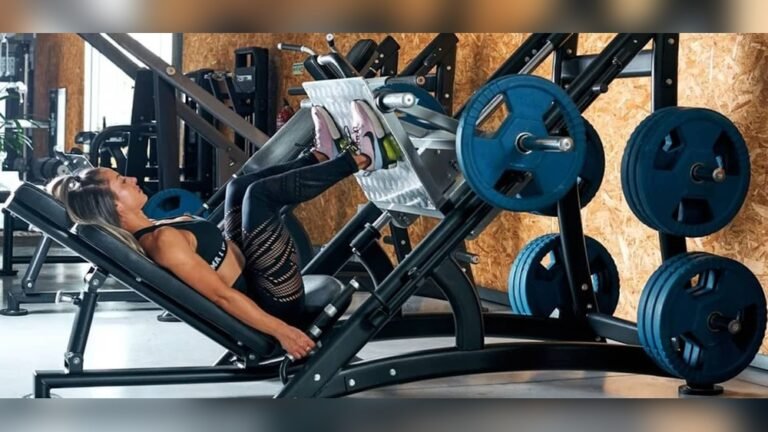
Are you wondering if leg press machines are really worth your time at the gym? You might have seen people using them and asked yourself, “Do they actually help build strong legs?” Whether you’re a beginner or someone looking to switch up your workout, understanding how leg press machines work can make a big difference in reaching your fitness goals.
Keep reading, and you’ll discover the surprising benefits and some important things to watch out for—so you can decide if this machine deserves a spot in your routine.
Leg Press Machine Basics
The leg press machine is a common tool in many gyms. It helps build leg strength safely. This machine targets muscles like the quadriceps, hamstrings, and glutes. Understanding its basics can help you use it better and avoid injury.
Using the leg press correctly improves muscle tone and endurance. It suits beginners and experienced lifters. Let’s explore how the leg press machine works and the types available.
How It Works
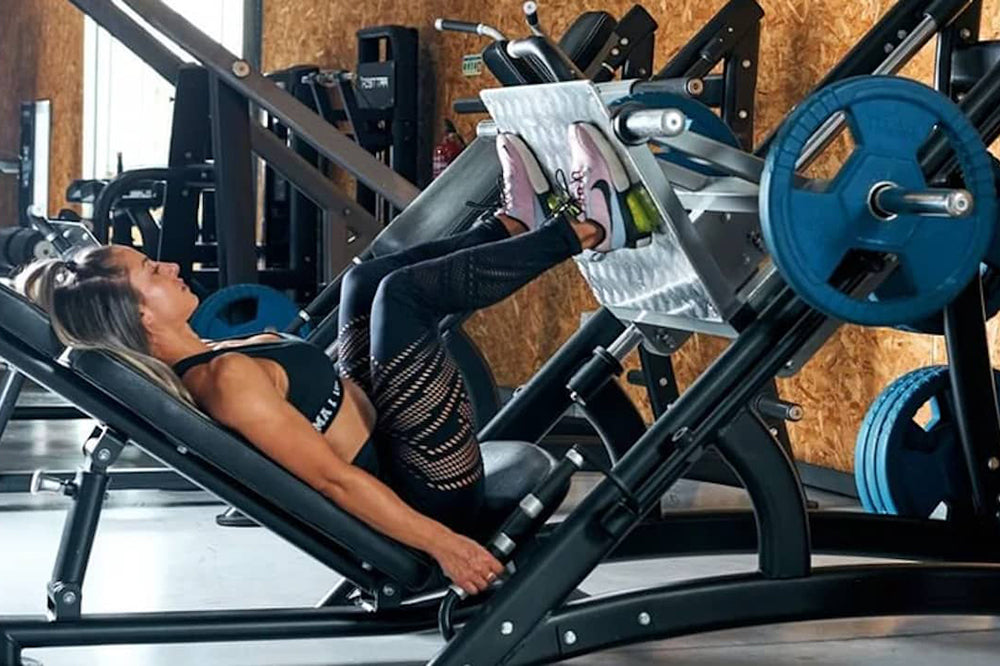
The leg press machine lets you push weight using your legs. You sit or lie down with your feet on a platform. Pressing the platform moves the weights. This action trains leg muscles through controlled movement.
The machine guides your legs to move in a fixed path. This support reduces stress on joints. You can adjust the weight to match your strength. It also helps keep balance during exercise.
Types Of Leg Press Machines
There are several types of leg press machines. The most common are the horizontal, 45-degree, and vertical leg press. Each type changes the angle and position of your body.
The horizontal leg press has a seat and a platform in front. It is easy to use and good for beginners. The 45-degree leg press is angled back for a stronger workout. The vertical leg press requires you to push straight up. It demands more control and strength.

Key Benefits
Leg press machines offer several important benefits. They help build strength safely and effectively. Many people use them to improve muscle tone and joint health. These machines also support better balance and stability during movement. Understanding the key benefits helps you decide if leg press exercises suit your fitness goals.
Muscle Building
The leg press targets major leg muscles like the quadriceps, hamstrings, and glutes. It allows controlled weight lifting to increase muscle size and strength. Users can adjust the resistance to match their fitness level. This makes it easier to progress without risking injury. Regular use promotes stronger, more defined legs.
Joint Support
Leg press machines provide support to knees and hips during exercise. The machine guides leg movement, reducing strain on joints. This is helpful for people with joint pain or arthritis. It allows safe strengthening without putting too much pressure on sensitive areas. Improved muscle strength also protects joints in daily activities.
Improved Stability
Using a leg press helps improve balance and stability. Stronger leg muscles support better body control and posture. This can reduce the risk of falls, especially in older adults. The exercise trains muscles to work together smoothly. Stability gains make everyday movements easier and safer.
Comparing Leg Press To Squats
Comparing the leg press to squats helps you understand their benefits and limits. Both exercises target the legs but work muscles differently. Choosing the right exercise depends on your goals and physical condition.
Muscle Activation Differences
Squats activate more muscles throughout the body. They work the quads, hamstrings, glutes, and core. Squats also engage stabilizer muscles to keep balance. This makes squats a full-body workout.
The leg press mainly targets the quads and glutes. It isolates these muscles without much core involvement. This limits overall muscle activation but allows focused leg strength training.
Safety Considerations
Squats require proper form to avoid injury. Poor technique can strain the back or knees. Beginners may find squats challenging without supervision.
The leg press offers more support and control. It reduces stress on the lower back and knees. This makes it safer for people with joint problems or beginners.
Common Mistakes To Avoid
Leg press machines are effective, but many make mistakes that reduce results and cause injury. Avoiding common errors helps you train safely and efficiently. Understanding these mistakes improves your workout.
Incorrect Foot Placement
Placing your feet too high or low changes which muscles work. Too high shifts focus to hips and glutes. Too low stresses knees more. Keep feet shoulder-width apart in the middle of the platform. This position targets quads evenly and protects joints.
Overloading Weight
Adding too much weight is a common error. Heavy loads increase injury risk and reduce control. Start with lighter weights to learn the movement. Increase weight gradually as you gain strength. Controlled reps are better than heavy, sloppy ones.
Poor Form
Bad form limits muscle growth and causes pain. Avoid locking your knees at the top. Keep a slight bend to protect joints. Lower the platform slowly until your knees reach 90 degrees. Maintain a steady, smooth pace. Focus on muscle tension, not speed.
Tips For Effective Workouts
Using the leg press machine correctly makes your workout more effective. Small changes in your routine can bring better results. Focus on setup, reps, and variations to target muscles well. Follow these tips for safe and strong leg workouts.
Proper Setup
Adjust the seat so your knees are at a 90-degree angle. Keep your back flat against the pad. Place your feet shoulder-width apart on the platform. Avoid locking your knees at the top of the movement. Start with a light weight to check your form.
Rep And Set Recommendations
Do 3 to 4 sets with 8 to 12 reps each. Choose a weight that makes the last reps hard but doable. Rest for 60 to 90 seconds between sets. Focus on slow, controlled movements. This helps build muscle and prevents injury.
Incorporating Variations
Change your foot position to target different muscles. Try placing feet higher to work glutes and hamstrings. A lower foot position hits the quads more. Use single-leg presses to improve balance and strength. Vary your routine every few weeks to avoid plateaus.
Who Should Use Leg Press Machines
Leg press machines fit many types of fitness users. They help build leg strength safely. Different people use leg press machines for various reasons. Knowing who benefits most helps choose the right workout.
Beginners
Beginners find leg press machines easy to use. The guided movement supports proper form. It lowers the risk of injury. Beginners can build leg muscles without balance worries. This machine offers a good start for leg training.
Injury Recovery
People recovering from leg injuries use leg press machines. The controlled motion helps avoid strain. It strengthens muscles gently and steadily. It allows safe muscle rebuilding after injury. Physical therapists often recommend it for rehab.
Advanced Lifters
Advanced lifters use leg press machines for extra strength. It helps target specific leg muscles deeply. They can add more weight than with free weights. It serves as a complement to squats and lunges. It supports muscle growth and endurance.
Safety Precautions
Using a leg press machine can boost your strength safely if you take the right steps. Safety precautions protect your muscles and joints. They also help you avoid pain and injury. Paying attention to how you use the machine is important. The right preparation and technique make every workout better.
Warm-up Routines
Start with light exercises to prepare your legs. Simple moves like leg swings or walking help. Warm muscles respond better to pressure and weight. Spend at least five minutes warming up before using the machine. This reduces stiffness and lowers injury risk. It also improves your overall performance during the workout.
Avoiding Common Injuries
Use the correct seat position to protect your knees and back. Keep your feet flat on the platform. Do not lock your knees at full extension. Avoid lifting weights that feel too heavy. Stop if you feel sharp pain or discomfort. Focus on slow, controlled movements. These habits reduce strain and prevent common injuries like strains and sprains.

Frequently Asked Questions
Are Leg Press Machines Effective For Building Leg Muscles?
Yes, leg press machines effectively target quads, hamstrings, and glutes. They allow controlled, heavy resistance to build strength and muscle size safely.
Can Leg Press Machines Replace Squats Completely?
No, leg press machines complement squats but don’t replace them. Squats engage more stabilizer muscles and improve functional strength and balance.
Are Leg Press Machines Safe For Knee Joints?
Leg press machines are generally safe if used with proper form. Avoid locking knees and use moderate weight to prevent joint strain.
How Often Should I Use A Leg Press Machine?
Using a leg press machine 2-3 times weekly suits most fitness goals. Allow rest days between sessions for muscle recovery and growth.
Conclusion
Leg press machines help build strong legs safely and effectively. They support your back and guide your movement well. Many people find them easy to use, even beginners. These machines target muscles like quads, hamstrings, and glutes. They fit well in most workout routines.
Remember to use proper form and avoid heavy weights at first. Consistency matters more than lifting too much. Leg press machines offer a good option for leg strength and muscle growth. Try them and see how your legs improve over time.
