
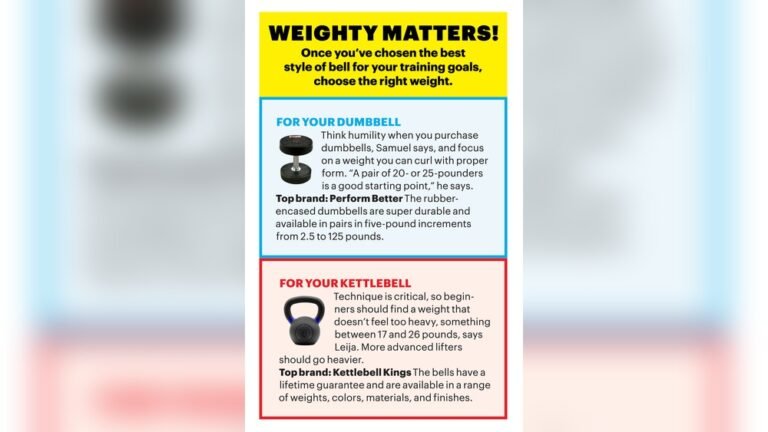
Are you wondering whether kettlebells or dumbbells are the better choice for your workouts? Choosing the right equipment can make a big difference in how quickly you see results and how much you enjoy exercising.
Both kettlebells and dumbbells have their strengths, but which one fits your fitness goals best? You’ll discover the key benefits and differences between the two, so you can make an informed decision and get the most out of every workout.
Keep reading to find out which tool will help you build strength, burn fat, and stay motivated longer.

Kettlebells Vs Dumbbells
Kettlebells and dumbbells are popular tools for strength training. Each offers unique benefits and challenges. Understanding their differences helps you choose the right one for your workout.
Design And Grip Differences
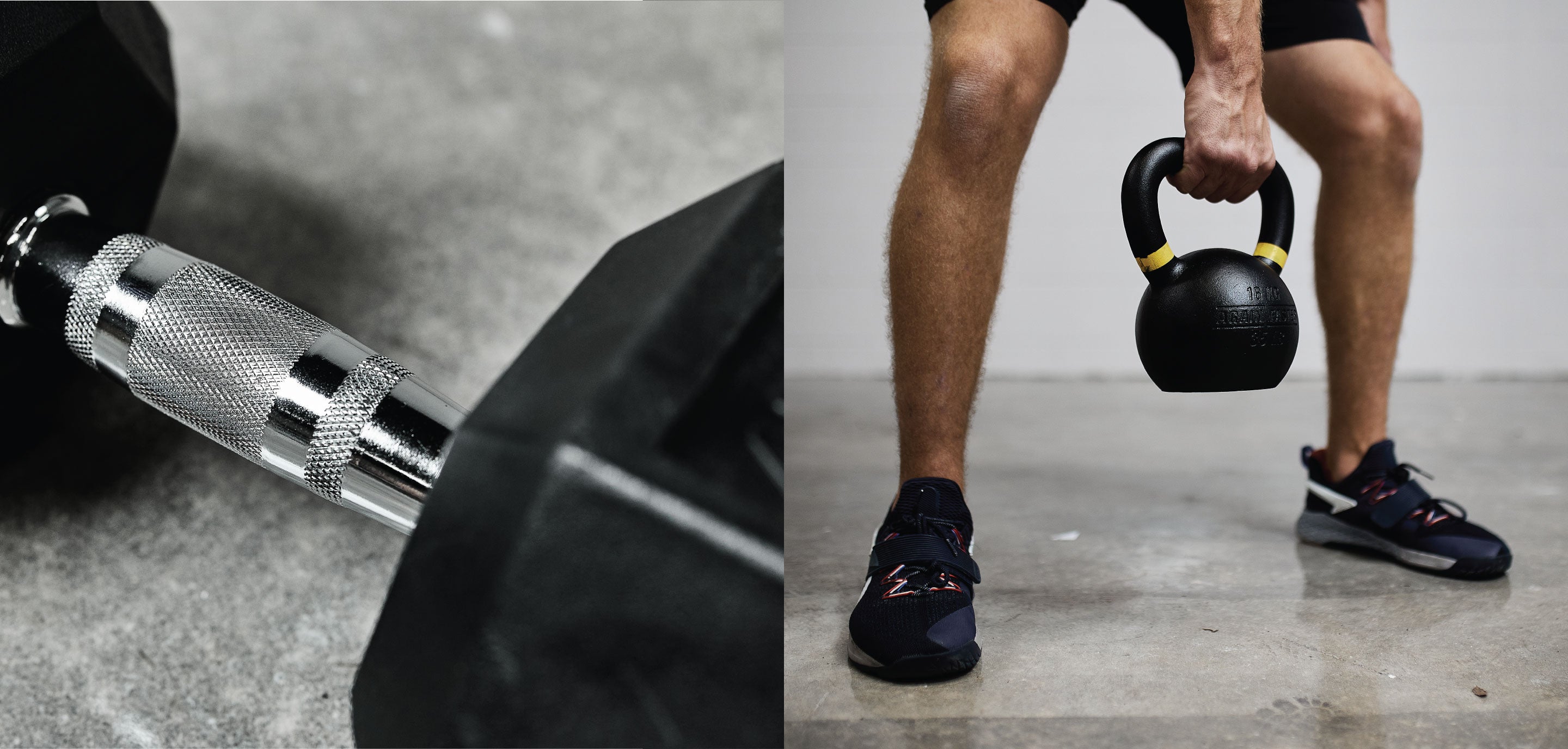
Kettlebells have a round ball shape with a single handle on top. This design allows a swinging motion during exercises. The handle is thick and wide, which helps grip with both hands.
Dumbbells have a straight handle with weights on each end. The handle is thinner and easier to hold with one hand. Their shape limits swinging but is good for controlled, steady lifts.
Weight Distribution Impact
Kettlebell weight is off-centered, which challenges your balance and core muscles. This uneven weight forces your body to stabilize during movements. It improves coordination and functional strength.
Dumbbells have even weight on both sides of the handle. This balance allows precise control during exercises. It helps target specific muscles without extra effort to stabilize.
Exercise Variety
Exercise variety is key for a balanced workout routine. Different tools offer different types of movements. This helps target many muscle groups and keeps workouts interesting. Kettlebells and dumbbells each have unique strengths. Knowing which exercises suit each can improve your training results.
Movements Suited For Kettlebells
Kettlebells work well for dynamic, swinging movements. Swings build power in your hips and core. Turkish get-ups improve balance and full-body strength. Kettlebell snatches and cleans develop explosive speed. These exercises often involve fluid motion and coordination. They help improve endurance and flexibility.
Movements Suited For Dumbbells
Dumbbells are great for controlled, isolated exercises. Bicep curls and tricep extensions focus on arm muscles. Dumbbell presses target the chest and shoulders. Rows and deadlifts strengthen your back and legs. They allow precise weight adjustments for strength gains. Dumbbells work well for slow, steady muscle building.
Muscle Activation
Muscle activation means how many muscles work during an exercise. It shows how much effort your body uses. Different tools like kettlebells and dumbbells activate muscles in different ways. Understanding this helps choose the right tool for your workout goals.
Full-body Engagement With Kettlebells
Kettlebell exercises often use swinging and dynamic moves. These moves make many muscles work together. Your core, legs, arms, and back all activate at once. This full-body effort improves strength and balance. It also burns more calories because of the intensity. Kettlebells require coordination and control, which increases muscle activation.
Targeted Muscle Training With Dumbbells
Dumbbells focus more on specific muscles. You can isolate muscles like biceps or shoulders easily. This helps build strength in one area at a time. Dumbbells allow slow, controlled movements. This control helps target muscles deeply. They are great for muscle shaping and correcting imbalances. Dumbbells activate fewer muscles at once but with more focus.
Functional Fitness Benefits
Kettlebells and dumbbells both improve fitness, but in different ways. Functional fitness means training that helps in daily activities. It builds strength, balance, and coordination. Kettlebells often mimic natural body movements. This helps the body work as a unit. Dumbbells focus more on isolated muscle groups. Each tool offers unique benefits for functional fitness.
Improving Coordination And Balance
Kettlebells challenge your balance more than dumbbells. Their shape and handle require control during exercises. Swinging or pressing a kettlebell forces your body to stabilize. This improves coordination between muscles and joints. Many kettlebell moves engage your core and lower body. This leads to better posture and balance in daily life. Dumbbells are less dynamic and offer less challenge in balance.
Strength And Isolation Focus
Dumbbells target specific muscles with isolated movements. This helps build strength in particular areas. Exercises like bicep curls or tricep extensions focus on one muscle. Kettlebells, by contrast, work multiple muscles together. They combine strength, endurance, and power training. Dumbbells allow precise control of weight and form. Both tools build strength but serve different workout goals.
Safety And Injury Risks
Safety is key when using kettlebells or dumbbells. Both tools can cause injuries without proper care. Understanding risks helps you train smart and avoid harm. Focus on correct form and controlled movements to stay safe.
Common Mistakes With Kettlebells
Kettlebells require unique handling. Many users swing them too fast. This loss of control can cause accidents. Poor grip or bad posture leads to wrist and back pain. Beginners often ignore warm-ups, increasing injury chances. Dropping kettlebells can also hurt feet or damage floors.
Injury Prevention With Dumbbells
Dumbbells offer more control during exercises. Use weights that match your strength. Avoid jerky or sudden moves to protect joints. Keep wrists straight and core tight. Warm up muscles before lifting. Always check your grip and stance to reduce risks. Slow, steady reps help avoid muscle strains.
Workout Efficiency
Workout efficiency means getting the best results in less time. Choosing the right tool can save minutes and boost your progress. Kettlebells and dumbbells both offer unique ways to train. Understanding their benefits helps you decide which suits your fitness goals.
Time-saving Kettlebell Routines
Kettlebells combine strength and cardio in one move. Swinging, snatching, and cleaning work many muscles at once. These exercises increase heart rate and build muscle fast. You can complete a full-body workout in 20 minutes. This saves time without losing workout quality.
Kettlebells also improve balance and coordination. Their design forces your body to stabilize during exercises. This adds extra challenge and burns more calories. Perfect for busy people who want efficient, intense workouts.
Dumbbell Training For Muscle Building
Dumbbells isolate muscles better for focused strength training. You can target specific areas like biceps or chest. This helps build muscle size and shape effectively. Dumbbells allow controlled, steady movements to avoid injury.
They work well for progressive overload, adding weight gradually. This method is key for muscle growth. Dumbbell exercises suit people who want to gain muscle mass. They take a bit more time than kettlebell routines but offer precise muscle control.
Cost And Accessibility
Cost and accessibility are important factors when choosing between kettlebells and dumbbells. Both have benefits, but their prices and ease of access differ. Understanding these points helps you make a smart choice for your fitness needs.
Pricing Comparison
Kettlebells often cost more than dumbbells. A single kettlebell can be expensive, especially heavier ones. Dumbbells usually come in pairs and have a lower price per weight unit. Adjustable dumbbells offer more weight options at a lower cost than buying many kettlebells. For beginners, dumbbells are often cheaper and provide good value.
Availability And Space Requirements
Dumbbells are widely available in most stores and online shops. They come in many shapes and sizes, making them easy to find. Kettlebells are less common but still available at sports stores and online. Space-wise, kettlebells take up less room because you need fewer pieces. Dumbbells require more storage, especially if you buy many sets. Small living spaces may benefit from kettlebells for saving space.
Choosing The Right Tool
Choosing the right workout tool matters a lot for your fitness journey. Kettlebells and dumbbells both offer unique benefits. Picking the right one depends on your needs and how you want to train. Understanding your goals and fitness level helps make the best choice.
Using the correct tool can improve your results and reduce injury risk. Some exercises work better with kettlebells. Others suit dumbbells more. Sometimes, mixing both tools brings the best of both worlds.
Goals And Fitness Levels
Your fitness goals guide your tool choice. Kettlebells often help with strength, endurance, and cardio. They build power and improve balance. Dumbbells focus more on muscle isolation and strength building. Beginners might find dumbbells easier to handle. Advanced users can benefit from kettlebells’ dynamic moves.
Consider your fitness level. Start light and increase weight gradually. Choose the tool that fits your current ability. This lowers injury risk and builds confidence.
Combining Both For Maximum Results
Using kettlebells and dumbbells together boosts workout variety. Each tool targets muscles differently. Switching between them challenges your body in new ways. This helps avoid workout plateaus and keeps training fun.
Mixing tools also improves overall fitness. Kettlebells enhance cardio and coordination. Dumbbells build focused strength and muscle size. Combine both to create a balanced routine. Your body stays strong, flexible, and fit.
Frequently Asked Questions
What Are The Main Benefits Of Kettlebells Over Dumbbells?
Kettlebells improve grip strength, coordination, and explosive power better than dumbbells. Their unique shape allows dynamic, swinging movements that enhance functional fitness and cardio conditioning.
Can Kettlebells Replace Dumbbells In Strength Training?
Kettlebells can replace dumbbells for many exercises, especially dynamic and full-body movements. However, dumbbells remain better for isolated muscle training and strict form exercises.
Which Is Safer For Beginners, Kettlebells Or Dumbbells?
Dumbbells are generally safer for beginners due to easier control and simpler movements. Kettlebells require proper technique to avoid injury during swinging exercises.
Do Kettlebells Offer Better Fat-burning Than Dumbbells?
Yes, kettlebell workouts combine strength and cardio, boosting metabolism and fat loss more effectively than traditional dumbbell routines.
Conclusion
Kettlebells and dumbbells each offer unique benefits for fitness. Kettlebells build strength and improve balance with dynamic moves. Dumbbells allow controlled, steady exercises for muscle growth. Choosing depends on your goals and workout style. Both tools can improve your fitness if used right.
Try both to see which fits you best. Keep moving and enjoy your exercise journey. Fitness success comes from consistency and effort.
