When it comes to strengthening your lower back, you might be wondering which method is best for you: hyperextension benches or floor back extensions. You want results, but also safety and comfort during your workout.
Choosing the right option can make a big difference in how effective your routine is—and how motivated you feel to keep going. You’ll discover the pros and cons of each exercise, so you can decide which one fits your needs and goals perfectly.
Keep reading to find out which choice will help you build a stronger, healthier back faster.
Hyperextension Benches Explained
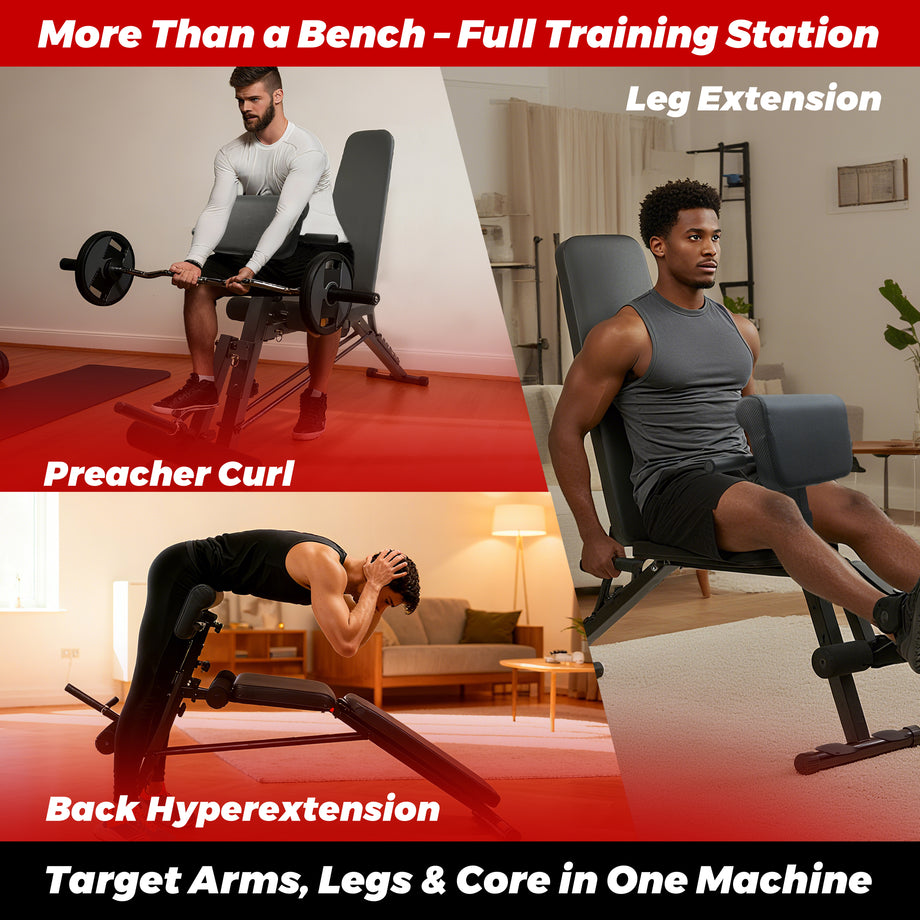
Hyperextension benches are popular tools for strengthening the lower back. They help you perform back extension exercises safely and effectively. These benches support your body and target the muscles along your spine.
Many people wonder if hyperextension benches are better than floor back extensions. Understanding their design and benefits can help you decide which suits your workout needs.
Design And Features
Hyperextension benches have a padded platform to lie on. They include adjustable footrests to secure your legs. The bench allows a controlled range of motion during exercises. Its design helps prevent injury by supporting your body properly.
Types Of Hyperextension Benches
There are several types of hyperextension benches. Some are flat benches with fixed angles. Others have adjustable angles for different difficulty levels. You can also find Roman chairs, which offer more support and stability. Each type suits different workout spaces and goals.
Benefits For Back Training
Using a hyperextension bench targets lower back muscles effectively. It improves core strength and posture. The bench also reduces strain on the spine during exercises. Training with this bench builds endurance and prevents back pain. It offers a safer alternative to floor back extensions.
Floor Back Extensions Basics
Floor back extensions are a simple exercise to strengthen the lower back. They need no special equipment. You can do them anywhere, making them very convenient.
This exercise helps improve posture and reduce back pain. It is often part of beginner workout routines. Learning the basics is important to perform it correctly and safely.
How To Perform
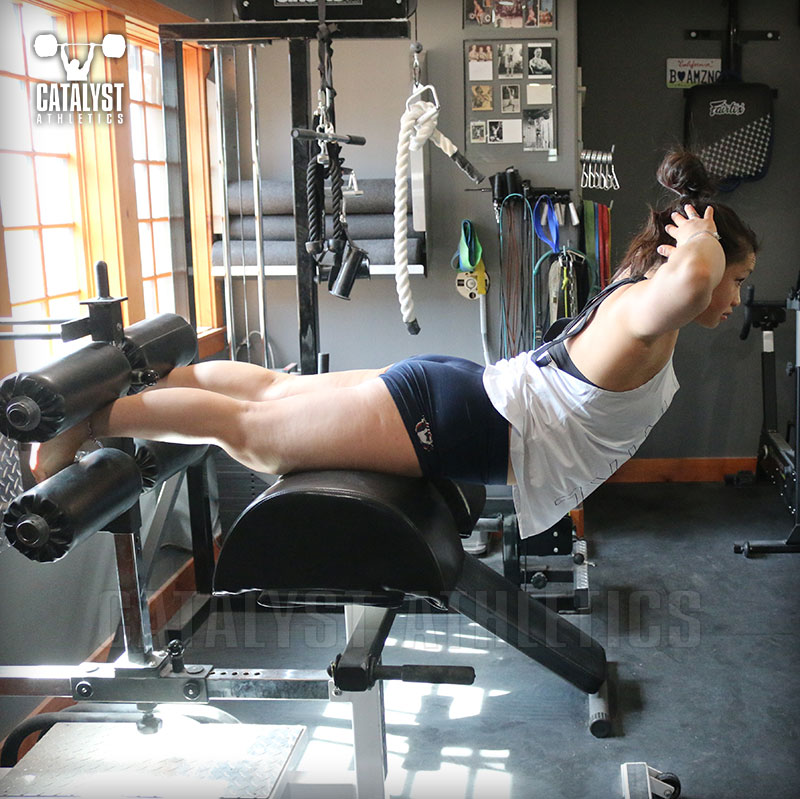
Lie face down on the floor with your legs straight. Place your hands behind your head or at your sides. Slowly lift your chest off the floor using your back muscles. Hold the position for a second. Lower your body back down with control. Repeat for several reps.
Muscles Targeted
Floor back extensions mainly work the lower back muscles. They also engage the glutes and hamstrings. These muscles support your spine and hips. Strengthening them helps with daily movements and balance.
Advantages Of Floor Exercises
Floor back extensions require no equipment and little space. They reduce the risk of injury by limiting pressure on the spine. This exercise suits beginners and those recovering from injury. It also improves core stability and posture over time.
Performance Comparison
Comparing hyperextension benches and floor back extensions reveals key differences in how each affects workout performance. Both target the lower back muscles but do so with distinct mechanics. Understanding these differences helps choose the best option for individual fitness goals. Here is a detailed look at their performance aspects.
Range Of Motion
Hyperextension benches allow a greater range of motion. The design supports the hips while the upper body moves freely. This enables deeper bending and stronger muscle stretch. Floor back extensions have a limited range. The floor blocks full downward movement. This limits how far the muscles stretch and contract. More range means better muscle engagement and flexibility over time.
Muscle Activation
Benches activate the lower back muscles intensely. They also engage the glutes and hamstrings more. The body position on the bench encourages stronger muscle contractions. Floor extensions mainly target the lower back. Other muscles work less during the exercise. For balanced muscle activation, benches offer a slight edge. This helps build stronger, more stable backs.
Safety And Injury Risk
Hyperextension benches provide better support and control. The padded surfaces reduce strain on joints. The fixed position helps maintain proper form. This lowers the risk of injury during exercise. Floor back extensions can cause strain without support. The head and neck may bend awkwardly. Beginners risk overextending or using wrong form. Benches offer safer conditions for all skill levels.
Convenience And Accessibility
Convenience and accessibility play a big role in choosing between hyperextension benches and floor back extensions. Both have their own benefits, but some factors affect how easy they are to use and fit into your routine. These include space, cost, and portability. Understanding these can help you pick the best option for your workout.
Space Requirements
Hyperextension benches need more room. They are larger and must stay in one place. You need a clear area to use them safely. Floor back extensions require very little space. You just need a flat surface or a mat. This makes floor exercises easier for small homes or apartments.
Cost Factors
Hyperextension benches can be expensive. Prices vary but many cost more than simple floor workouts. You pay for the frame and padding. Floor back extensions cost nothing extra. You only need your body and a mat. This makes floor exercises budget-friendly and accessible to everyone.
Portability
Hyperextension benches are heavy and hard to move. They stay in one spot most of the time. Floor back extensions are very portable. You can do them anywhere, indoors or outdoors. This freedom suits people who travel or do workouts in different places.
Suitability For Different Fitness Levels
Choosing between hyperextension benches and floor back extensions depends on your fitness level. Both exercises target your lower back muscles but differ in difficulty and support. Knowing which suits your current strength can help prevent injury and improve results.
Beginners
Beginners benefit from hyperextension benches due to added support. The bench stabilizes your body, making it easier to control movement. This reduces the risk of straining your lower back. Floor back extensions may feel too challenging at first. Starting with the bench builds confidence and strength safely.
Intermediate Users
Intermediate users can choose either method based on preference. The bench allows added weight or reps for more challenge. Floor back extensions improve core stability and balance. Switching between both can prevent workout boredom. Both options develop stronger muscles at this stage.
Advanced Athletes
Advanced athletes often prefer floor back extensions for greater core engagement. Adding resistance bands or weights increases difficulty further. Hyperextension benches still help with isolated lower back work. Combining both exercises creates a balanced routine. This approach targets muscles from different angles effectively.

Common Mistakes And Tips
Common mistakes can reduce the benefits of hyperextension benches and floor back extensions. Understanding these errors helps improve safety and results. Simple tips can boost your workout quality and protect your body from injury.
Form And Technique
Maintaining proper form is key for both exercises. Avoid arching your back too much. Keep your movements slow and controlled. Use your lower back muscles, not momentum, to lift your body. Align your neck with your spine to prevent strain. Incorrect form can cause pain and limit gains.
Avoiding Strain
Overextending can stress your lower back and cause injury. Stop the movement before you feel pain. Do not lock your knees or hips tightly. Warm up your muscles before starting the exercise. Use a comfortable range of motion. Rest between sets to reduce fatigue and strain.
Maximizing Effectiveness
Focus on slow, steady reps for better muscle engagement. Add light weights to increase challenge gradually. Breathe deeply and steadily during each repetition. Mix both bench and floor exercises for balanced strength. Consistency and patience bring the best results. Track your progress to stay motivated.
Which Option Fits Your Goals?
Choosing between a hyperextension bench and floor back extensions depends on your fitness goals. Each option offers unique benefits. Picking the right one helps you train smarter and safer.
Consider what you want to achieve before making a choice. Your goal can guide you to the best exercise method.
Strength Building
Hyperextension benches allow for a greater range of motion. They add resistance easily using weights. This helps build strong lower back muscles faster. The bench supports your body well, reducing injury risk. Floor back extensions work too but offer less intensity. For serious strength gains, benches are better.
Rehabilitation
Floor back extensions suit rehabilitation better. They put less strain on your spine and muscles. This gentle movement helps improve flexibility and healing. Hyperextension benches may be too intense for early rehab stages. Always consult a professional before starting rehab exercises.
General Fitness
For general fitness, both options work fine. Floor back extensions are simple and require no equipment. You can do them anywhere, making them very convenient. Hyperextension benches add variety and challenge to workouts. Choose based on what fits your routine and space.
Frequently Asked Questions
Are Hyperextension Benches Safer Than Floor Back Extensions?
Hyperextension benches provide better support and reduce injury risk. They stabilize your body, allowing controlled movement. Floor back extensions lack support, increasing strain on your lower back and spine during exercise.
Which Method Builds Stronger Lower Back Muscles Faster?
Hyperextension benches typically build strength faster due to increased resistance options. They allow a greater range of motion and added weights. Floor back extensions are effective but often less intense without equipment.
Can Beginners Use Hyperextension Benches Safely?
Yes, beginners can safely use hyperextension benches with proper guidance. Start with bodyweight only and focus on form. Gradually increase intensity to avoid strain and build strength effectively.
Is Floor Back Extension Good For Home Workouts?
Floor back extensions are excellent for home workouts. They require no equipment and improve lower back strength. However, they may be less challenging than using a hyperextension bench.
Conclusion
Choosing between hyperextension benches and floor back extensions depends on your needs. Benches offer more support and allow deeper movement. Floor exercises need no equipment and can be done anywhere. Both work your lower back and core muscles effectively. Think about your space, budget, and comfort.
Try each method to see which feels best. Consistency matters most for building strength and avoiding injury. Keep your goals clear and enjoy your workouts. Simple steps lead to strong, healthy backs.
