Image source: Web (Bing) / dutchessscubadiving.com (Web image (fair-use with source credit))

Today's Exclusive Deals
Limited-time Exclusive Deals. Check current discount on Amazon.
Check Price on Amazon As an Amazon Associate I earn from qualifying purchases.How long does it take to learn scuba diving? That's the big question on everyone's mind before they dip their toes into the underwater world. You're probably curious if it's a weekend commitment or something that requires months of dedication.
The good news is that becoming a certified diver is more accessible than you might think.
Our research confirms that for most people, achieving basic scuba certification can fit into a relatively short timeframe. Official training programs, like the Open Water Diver course from major agencies, follow structured curricula. Per PADI standards, for instance, the Open Water Diver course typically requires completion of knowledge development, confined water dives, and open water dives, with a common timeline of 3 to 5 days.
This allows you to gain the fundamental skills needed for safe recreational diving.
Quick Answer
Learning scuba diving certification usually takes 3 to 5 days. This timeframe covers the essential knowledge development, confined water skill practice, and open water dives. Your personal learning pace, the frequency of training sessions, and instructor quality can influence the exact duration.
Most dive training agencies outline a standard curriculum for an Open Water Diver certification.
The Actual Time Commitment for Scuba Certification
Becoming a certified scuba diver isn't just about showing up; it's a structured learning process designed to build your confidence and safety underwater. The standard Open Water Diver course, offered by agencies like PADI, SSI, and NAUI, breaks down into three main components that dictate the overall time investment. Understanding these parts is key to knowing how long it'll truly take you to get certified.
Knowledge Development: More Than Just Reading Books
This is where you learn the "why" and "how" of scuba diving. You'll cover essential topics like dive physics, physiology, equipment, safety procedures, and environmental awareness. Traditionally, this was done through classroom lectures and textbooks.
Today, many agencies offer online learning modules, which you can often complete at your own pace before even getting in the water. This section can take anywhere from 4 to 12 hours of study, depending on whether you choose self-study or in-person sessions. Some divers find it takes a bit longer to truly absorb all the information, especially if they're not used to technical study.
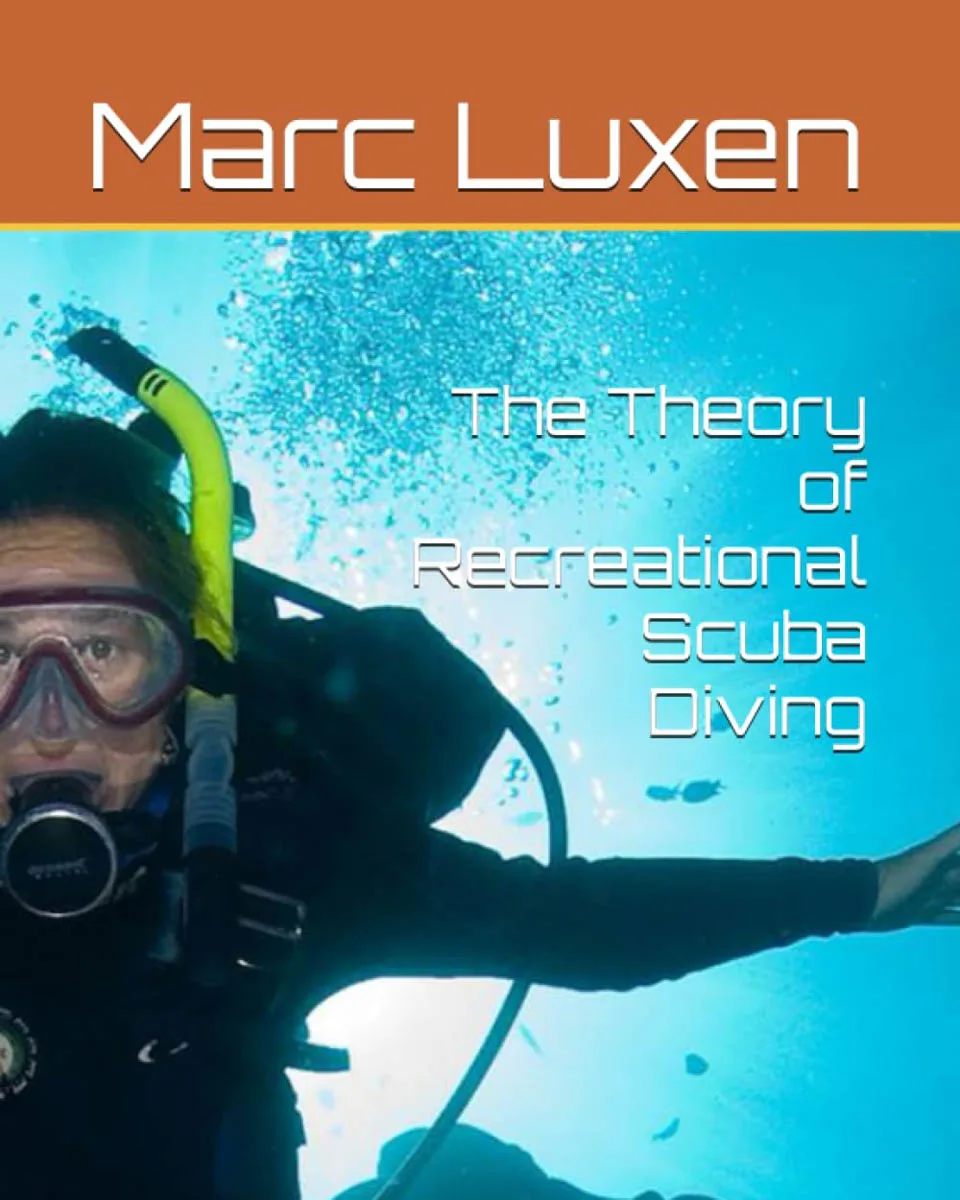
Image source: Web (Bing) / thescubanews.com (Web image (fair-use with source credit))
Confined Water Dives: Mastering Skills in the Pool
This is where theory meets practice. You'll head to a swimming pool or a body of water with pool-like conditions to learn and practice fundamental scuba skills. These include things like assembling your gear, clearing your mask, recovering your regulator, and performing buoyancy control.
You'll typically complete around five confined water dives, each building on the last. Each dive session can last an hour or two, including gear setup and debrief. This phase is critical for building muscle memory and comfort with your equipment before you hit the open ocean.
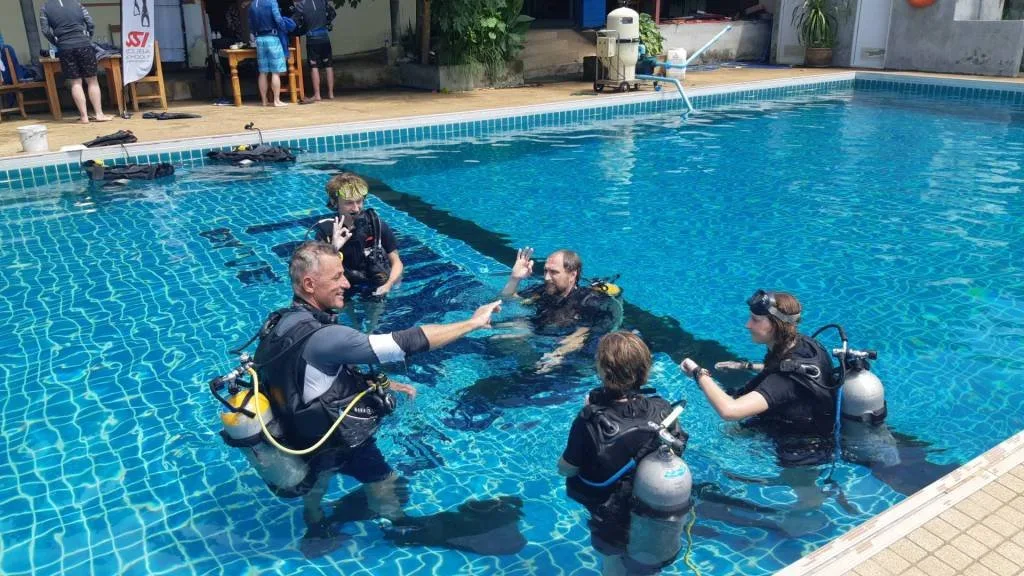
Image source: Bing (Web (fair-use with source credit))
Open Water Dives: Putting It All Together
This is the exciting part, applying your new skills in a real-world dive environment! You'll usually complete four open water dives over two days, typically at a local dive site like a lake or the ocean. These dives are designed to simulate actual diving conditions and require you to demonstrate the skills you learned in confined water.
You'll be supervised by your instructor, who will guide you through everything from entering and exiting the water to navigating and practicing skills in a more challenging environment. This usually spans a full weekend.
What Influences Your Learning Pace?
So, you've seen the typical timeline, but what makes one person certify in 3 days while another takes a full week? A few key factors play a big role in how quickly you'll master the skills and feel comfortable underwater. It’s not just about clocking hours; it’s about genuine understanding and confidence.
Instructor Quality and Class Size
The person guiding your training makes a massive difference. A good instructor is patient, clear, and knows how to tailor their teaching to different learning styles. They can spot your developing issues early and offer targeted feedback.
Small class sizes also mean more one-on-one attention. If your instructor has to manage 10 students versus 2, you’re likely to get less personalized guidance, which can slow down your progress. Our research at dive training centers indicates that classes with 4 or fewer students generally result in quicker skill acquisition for participants.
Your Personal Comfort and Aptitude
Let's be real, not everyone is a natural water baby. If you're already comfortable in and around water, you'll likely pick up skills faster. Anxiety about being underwater, breathing through a regulator, or simply the feeling of being submerged can add extra time.
It’s not a race, and if you need a little longer to feel relaxed, that's perfectly okay. Many dive centers allow students to join an extra pool session or even another open water dive day if they're struggling with specific skills. That's part of the flexibility that allows for individual needs.
Frequency of Training Sessions
How often you train directly impacts how quickly you retain information and skills. If you can dedicate a solid block of consecutive days, like a full 3-5 day course, you'll likely progress faster. Your skills and knowledge stay fresh in your mind.
Spreading your training out over weeks or months, with only one session per weekend, means you might need more time to re-familiarize yourself with what you learned previously. For instance, taking one pool session every Saturday might mean you're reviewing the same concepts multiple times. This is a common issue for those with busy work schedules.
Real-World Scenarios: Timelines in Action
To give you a clearer picture, let's look at how different schedules play out for getting your Open Water Diver certification. The time it takes isn't just about the course structure itself, but how you fit it into your life and what your goals are.
The Weekend Warrior: Compressed Certification
This is probably the most common approach for people who want to learn to dive quickly. Many dive shops offer intensive courses that pack everything into a long weekend, usually Friday through Sunday, or Saturday and Sunday with an additional day. This format typically involves completing the knowledge development online beforehand, then dedicating Saturday and Sunday to pool dives and the first two open water dives.
The remaining two open water dives are usually done on Monday or the following weekend. It’s efficient but requires a significant time commitment over a short period.
- Friday: Knowledge Development completion (if not done online) and first pool sessions.
- Saturday: Pool sessions and Open Water Dives 1 & 2.
- Sunday: Open Water Dives 3 & 4.
The Leisurely Learner: Spaced-Out Sessions
Some people prefer a more relaxed pace, perhaps due to work commitments or wanting to gradually build their comfort in the water. This might involve doing the online knowledge development over a couple of weeks, followed by pool sessions one evening a week for a few weeks, and then spreading the open water dives across a couple of weekends. While this takes longer overall, some divers find it less stressful and allows for deeper assimilation of skills.
You might complete your certification over the course of 2-4 weeks this way.
- Week 1: Online Knowledge Development, 1-2 evening pool sessions.
- Week 2: Remaining pool sessions, possibly Open Water Dives 1 & 2.
- Week 3/4: Complete Open Water Dives 3 & 4.
Challenges Faced: When It Takes Longer
Sometimes, factors beyond your control can extend the timeline. Unpredictable weather is a big one; if conditions are poor for open water dives (high winds, rough seas, poor visibility), your training dives might be postponed. Also, if you find certain skills particularly challenging and need extra practice, your instructor might recommend additional pool time or even another dive day.
Some dive training agencies do have time limits for completing courses once started. For example, PADI's eLearning knowledge development typically expires after 12 months, meaning you'd need to complete the water portions within that timeframe.
Common Hurdles and How to Clear Them
Even with a clear timeline in mind, learning to scuba dive can present a few common challenges. Knowing what these are beforehand, and how to address them, can smooth out your learning curve significantly. It's all about being prepared and understanding that these are normal parts of the learning process for many new divers.
Overcoming Water Anxiety
It's completely normal to feel a bit nervous about breathing underwater or being in deep water for the first time. Many people experience this. The key is gradual exposure and building trust in your gear and your training.
Your instructor will guide you through exercises designed to build confidence, like learning to clear a flooded mask while keeping your regulator in. Taking the course at a pace that feels comfortable for you is crucial. If you’re generally anxious, consider a private lesson or a smaller class to get more individual attention and build your confidence slowly.
Understanding Dive Theory
The physics and physiology behind scuba diving can be complex. Concepts like pressure changes, gas laws, and nitrogen narcosis are essential for safety. If you find the theoretical side challenging, don't get discouraged.
Utilize the online learning options if available, and don't hesitate to ask your instructor to re-explain concepts in different ways. Taking notes and actively quizzing yourself can help solidify the information. Many dive centers also offer refresher courses for those who feel they need a quick review before their certification dives.
Equipment Familiarization
Scuba gear looks and feels quite different from anything you use daily. Getting used to the weight of the tank, the feel of the mask, the mouthpiece of the regulator, and how to operate your buoyancy control device (BCD) takes practice. This is precisely what the confined water dives are for.
Pay close attention during gear setup and familiarization sessions. Ask questions about each piece of equipment and its function. The more hands-on time you get with the gear during your training, the more comfortable you'll become using it on your own as a certified diver.
Is Scuba Diving Certification Worth the Time?
Absolutely. The time invested in learning to scuba dive pays dividends in incredible experiences and a new perspective on the world. Once you have your certification, you unlock access to a vast underwater realm previously unseen.
It's not just about checking a box; it's about gaining a life skill that can lead to amazing adventures. The skills you learn are foundational for exploring coral reefs, shipwrecks, and diverse marine life responsibly.
The Dive Experience Unlocked
Think about seeing a school of colorful fish dart by, or watching a sea turtle glide effortlessly through the water. These are moments that certification opens up. You'll gain the ability to explore over 70% of our planet in a way few people ever do.
Many divers report that the sense of calm and wonder experienced underwater is a significant stress reliever and a unique form of recreation. It's a chance to disconnect from daily life and immerse yourself in a completely different environment. As of 2026, advanced diving equipment like specialized cameras allow for even more immersive underwater documentation.
Safety First: Why Proper Training Matters
While the joy of exploration is a huge draw, the emphasis on safety during your certification course is paramount. You're learning to manage your life support system and navigate a foreign environment. Proper training ensures you understand potential risks, how to manage them, and what to do in an emergency.
This is why organizations like Divers Alert Network (DAN) continually stress the importance of adhering to safety protocols taught during certification. Your certification card is your ticket to the underwater world, but the knowledge and skills are your real safety net.
Frequently Asked Questions About Scuba Learning Time
How long does the PADI Open Water Diver course typically take?
PADI's Open Water Diver course is generally completed within 3 to 5 days. This includes all required knowledge development, confined water dives, and open water dives.
Can I get scuba certified in just a weekend?
Yes, many dive centers offer "weekend warrior" courses that can get you certified in 3 days, often by having you complete the theory online beforehand. This requires a concentrated commitment over those days.
What if I’m a slow learner? Will it take me longer?
It’s not uncommon for some individuals to need more time to feel comfortable with certain skills. Most dive instructors are flexible and can arrange extra pool time or additional dives if needed, though this may incur extra costs.
Does the time of year affect how long it takes to get certified?
The season can impact dive training, primarily due to weather. Rough seas or poor visibility might delay open water dives. In colder climates, you might also need to factor in time for specific cold-water gear, which can add a layer of complexity.
Is there a time limit to finish my scuba certification after starting?
Yes, most dive training agencies have a time limit for completing the certification process. For example, PADI eLearning knowledge development typically expires after 12 months. It's best to complete the entire course within a few weeks to a couple of months for optimal skill retention.
How long does it take to learn advanced scuba diving skills?
Learning advanced skills, such as those in an Advanced Open Water Diver course, is generally quicker than initial certification. These courses usually involve 5 specialized dives and can often be completed in 2-3 days, building upon your foundational Open Water Diver knowledge.
Your Path to Becoming a Certified Diver
Learning to scuba dive is a rewarding journey that opens up incredible new experiences. While the standard Open Water Diver certification typically takes between 3 to 5 days, your personal learning style, available time, and comfort level with the water can influence this. The key is choosing a reputable dive center and instructor who prioritize your safety and understanding.
Don't rush the process if you need a little extra time to master a skill or feel truly comfortable. The goal is to become a safe and confident diver, ready to explore the underwater world. Once certified, a whole new dimension of travel and adventure awaits, from tropical reefs to sunken historical sites.
With your certification in hand, you'll be ready to plan your first official dive trip.