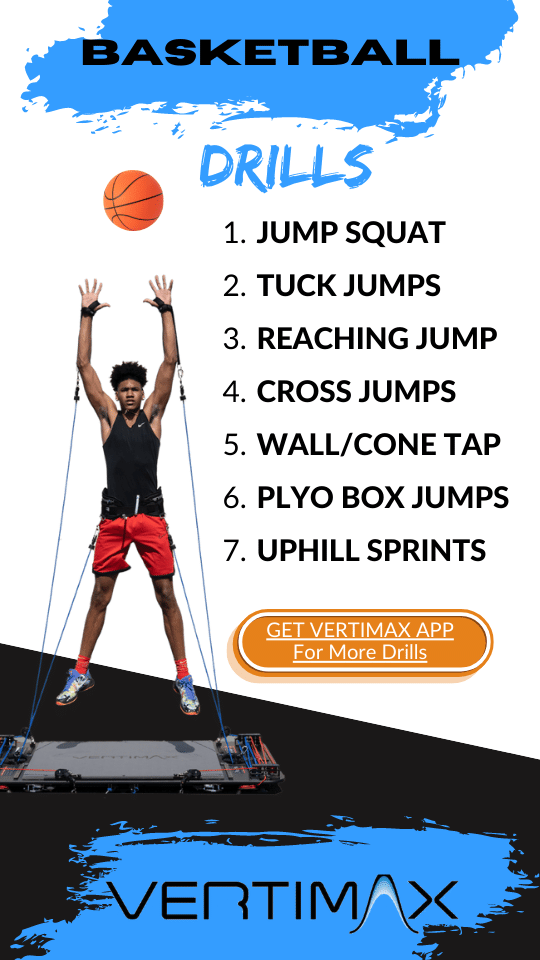
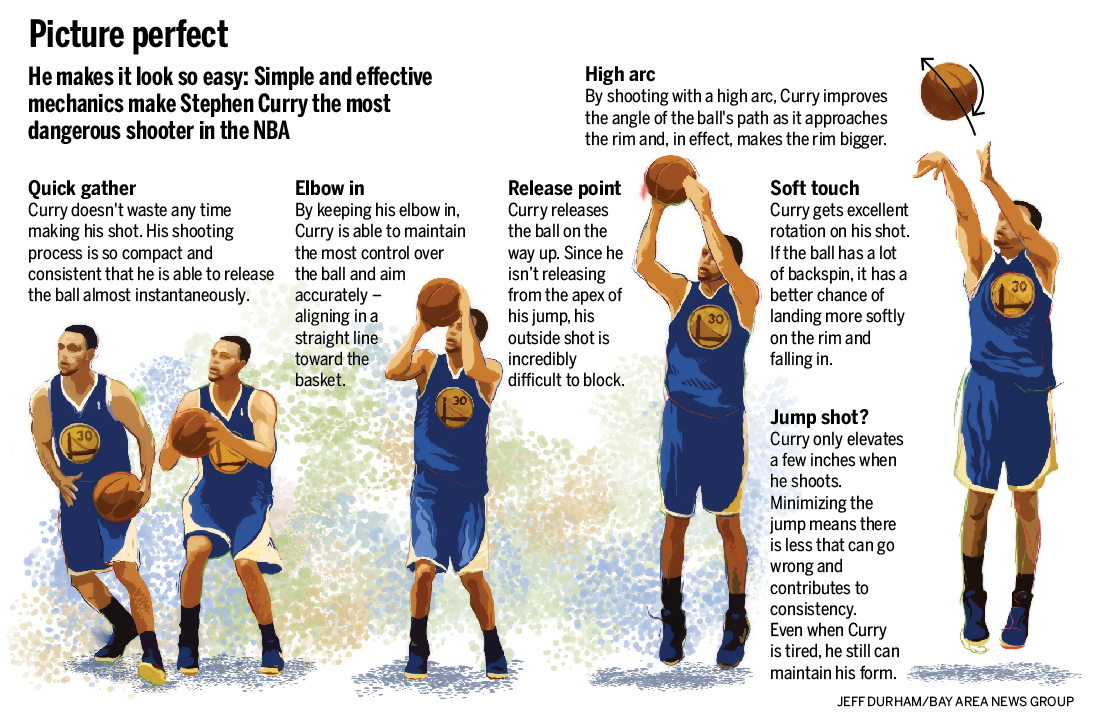
To improve basketball jumping, train leg strength, explosive power, jumping technique, mobility, and recovery together. A higher jump comes from improving how your body creates and transfers force, not from practicing jumps alone.
Deal
Today's Exclusive Deals
Limited-time Exclusive Deals. Check current discount on Amazon.
Across basketball courts in the United States, players at youth, high school, college, and recreational levels often look for ways to jump higher for rebounds, blocks, finishes, and jump shots. A stronger vertical jump can help a player reach the ball earlier, create space, and perform skills with more confidence.
Improving basketball jumping requires a balanced approach. The legs, hips, core, and upper body must work together through a fast movement pattern. Strength exercises build force, plyometric drills improve quick power, and proper technique helps convert that power into upward movement.
A better vertical jump is usually built over weeks and months rather than overnight. Players should focus on consistent training, quality movement, and injury prevention instead of chasing extreme workouts that ignore recovery.
Source: roundballguide.com
Understand What Creates A Higher Basketball Jump
A basketball jump is a combination of force production and movement speed. When a player bends down, loads the hips and legs, then pushes into the floor, the body creates force that sends the player upward.
The main muscles involved include the quadriceps, hamstrings, glutes, calves, and core muscles. Stronger muscles can produce more force, but strength alone does not guarantee a higher jump. The athlete must also learn to use that force quickly.
A vertical jump also depends on coordination. The arm swing, knee bend, foot position, and timing of the takeoff all affect how efficiently a player leaves the ground.
Source: www.pinterest.com
Strength
Builds the ability to produce force during takeoff.
Power
Helps convert strength into fast explosive movement.
Technique
Improves efficiency so less energy is wasted during jumping.
Why Jump Technique Matters
Many players try to jump higher by simply jumping more often. However, poor technique can limit progress. A controlled dip, strong arm swing, and powerful extension through the hips and legs create a more efficient movement pattern.
Use the arms
A strong upward arm drive can contribute to better jumping mechanics.
Build Lower Body Strength For Basketball Jumping
Strength training is one of the foundations of improving basketball jumping. Stronger muscles allow athletes to create more force during takeoff and maintain control during landing.
Common strength exercises include squats, lunges, step-ups, and deadlift variations. These movements train the muscles used during basketball actions such as jumping, sprinting, and changing direction.
Players should focus on proper form before increasing weight. A controlled movement pattern is more useful than lifting heavier loads with poor technique.
Source: storage.googleapis.com
Squats
Train the hips and legs used during the jumping motion.
Lunges
Improve single-leg strength and balance for basketball movements.
Calf training
Supports ankle strength and final push during takeoff.
Create A Balanced Training Routine
A balanced routine should include strength days, jump training days, skill practice, and recovery time. Training the same muscles with maximum effort every day may reduce performance and increase fatigue.
Progress slowly
Increase difficulty over time instead of making sudden large changes.
Use Plyometric Exercises To Develop Explosive Power
Plyometric training focuses on fast, explosive movements. These exercises teach the body to produce force quickly, which is a key part of jumping higher in basketball.
Examples include box jumps, tuck jumps, and repeated jump drills. The goal is not only to jump high but also to maintain control and quality movement with every repetition.
Players should start with basic drills and increase intensity gradually. High-impact exercises require good landing skills and enough recovery between sessions.
Source: blogspot.com
Box jumps
Help practice explosive upward movement with controlled landings.
Tuck jumps
Train quick power and coordination.
Jump practice
Connect training improvements with basketball-specific movement.
Improve Landing Mechanics
Landing safely is part of becoming a better jumper. Players should land with bent knees, balanced hips, and control rather than allowing the knees to collapse inward.
Soft landing
Reduces unnecessary impact on the joints.
Improve Mobility And Recovery For Better Performance
Mobility and recovery affect how well a player can perform jumping movements. Tight muscles or poor recovery may limit movement quality and reduce training consistency.
Players should include warm-ups before training and allow enough rest between demanding sessions. Sleep, nutrition, hydration, and recovery habits all support athletic improvement.
Stretching and mobility exercises can help maintain movement range, especially around the hips, ankles, and legs.
Source: basketballfundamentals.com
Warm up
Prepare muscles and joints before explosive activity.
Recover
Allow the body time to adapt after training.
Signs Your Training Needs Adjustment
If jump height decreases for several sessions, soreness continues, or movement quality becomes worse, the training load may be too high. Reducing intensity and improving recovery can help restore performance.
Persistent pain
Seek qualified medical guidance when pain does not improve or affects normal activity.
How long does it take to improve a basketball jump?
The timeline depends on training consistency, starting ability, age, strength level, and recovery. Many players notice improvements after several weeks of focused practice, while larger changes usually require longer-term training.
Q
Can jumping every day make me jump higher?
Jumping practice can help, but doing maximum jumps every day may create excessive fatigue. A structured plan with rest days is usually more effective.
Q
What muscles help you jump higher in basketball?
The glutes, quadriceps, hamstrings, calves, and core all contribute to jumping. Strong coordination between these areas helps create an efficient takeoff.
Q
Do I need weights to improve my vertical jump?
Weights are not required, but strength training can help many athletes develop the force needed for better jumping. Bodyweight exercises can also support improvement.
Q
Why am I not jumping higher despite training?
Common reasons include poor technique, insufficient recovery, lack of progressive training, or focusing on only one part of jumping ability instead of strength, power, and skill together.
✦ Wrapping Up
Conclusion
Improving basketball jumping requires more than performing random jump exercises. Players need a complete approach that combines strength training, explosive drills, good technique, mobility, and recovery.
A higher vertical jump develops through steady practice and smart training choices. Focus on movement quality first, then gradually increase difficulty as your body adapts.
💡 Key Takeaway
Start with a simple weekly plan that includes lower-body strength work, explosive jump drills, basketball practice, and recovery. Track progress over time and adjust training when your body shows signs of fatigue.