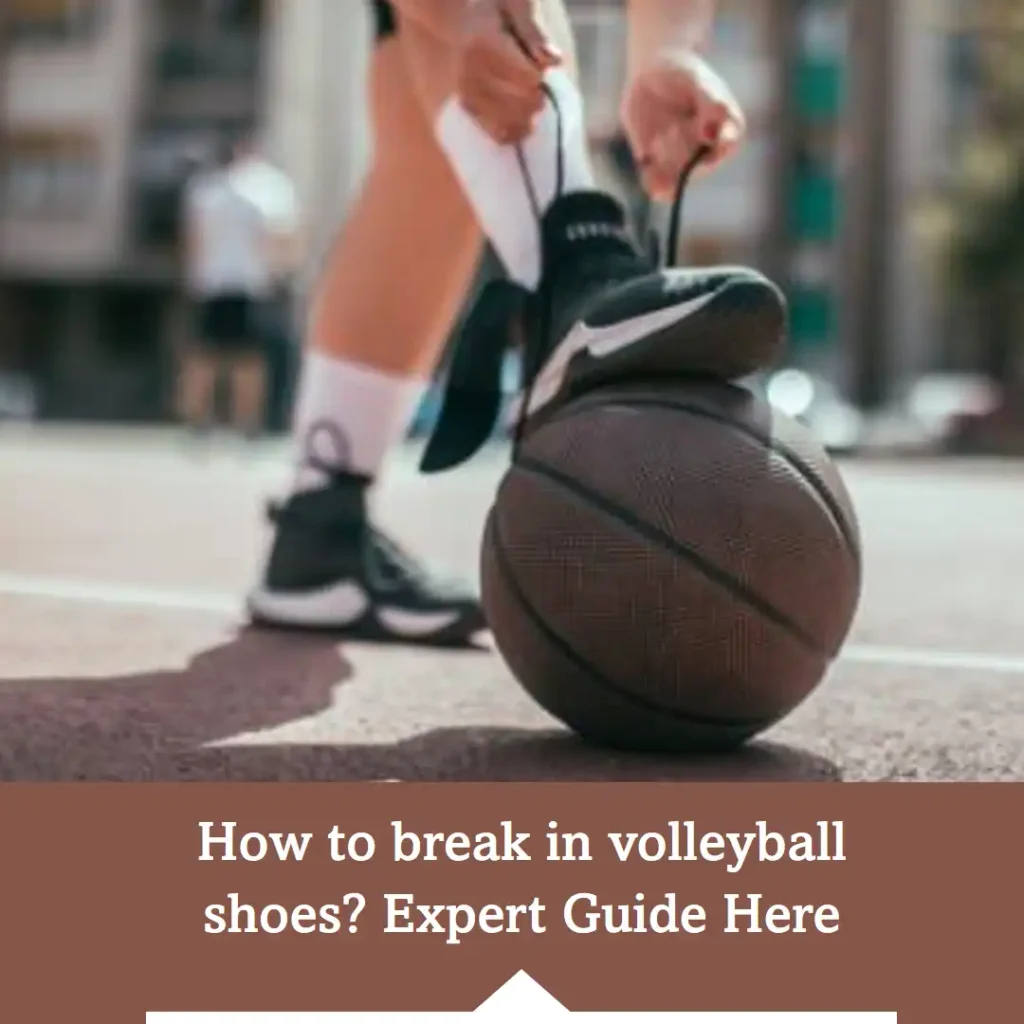
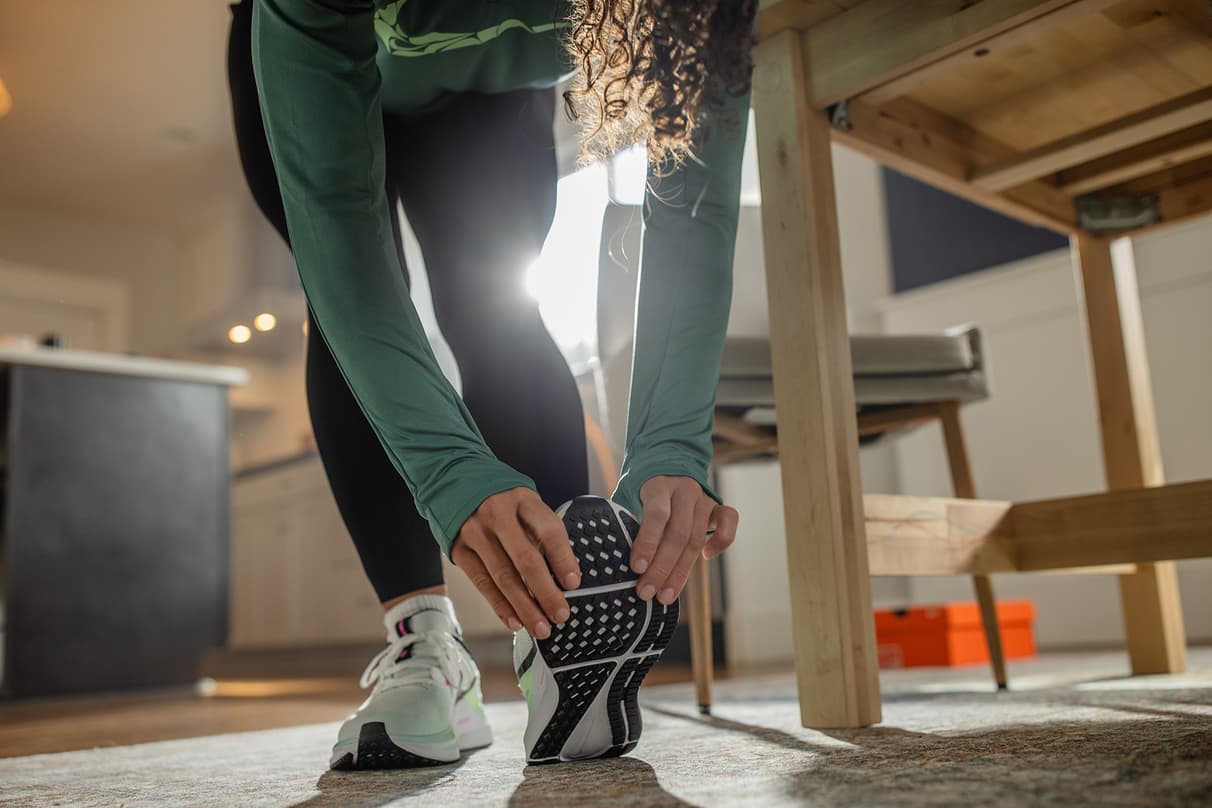
The safest way to break in sports shoes is to wear them for short periods, increase use gradually, and adjust the fit before intense workouts or competition.
Deal
Today's Exclusive Deals
Limited-time Exclusive Deals. Check current discount on Amazon.
Across the United States, athletes, runners, gym users, and recreational players often buy new sports shoes before a season, race, or training goal. A new pair may feel supportive at first but can also feel stiff around the heel, upper, or sole because the materials have not adapted to regular movement.
Learning how to break in sports shoes helps reduce discomfort caused by a sudden change from old footwear to new footwear. The process is not about forcing shoes to stretch quickly. It is about allowing materials, your feet, and your movement patterns to adjust together.
Most modern athletic shoes are designed to perform correctly when they fit well from the start. Breaking them in should improve comfort and confidence, not fix a shoe that is the wrong size or shape for your feet.
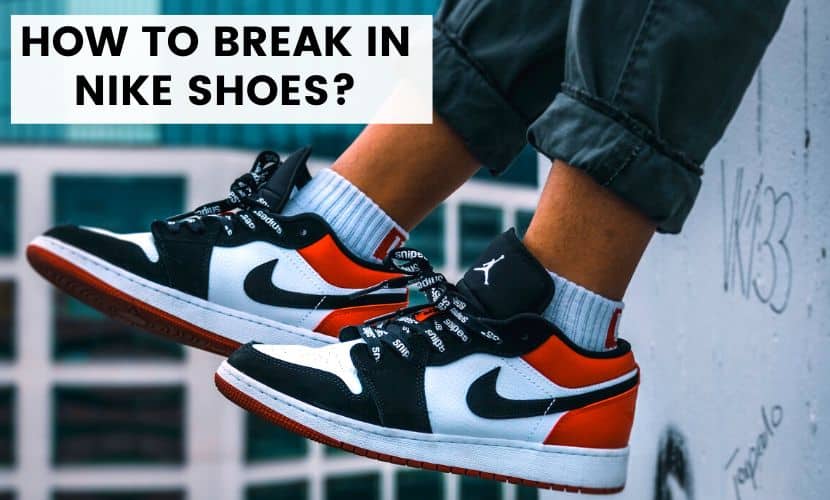
Source: shoesmatrix.com
What Does Breaking In Sports Shoes Mean?
Breaking in sports shoes means gradually using new athletic footwear until the materials become more comfortable and the shoe feels natural during movement. The upper fabric, cushioning materials, and sole structure may become more flexible after repeated wear.
A break-in period is different from stretching a shoe several sizes. Good sports shoes should already provide the needed length and width when purchased. The goal is comfort and adaptation, not changing the basic dimensions of the shoe.
Running shoes, basketball shoes, volleyball shoes, soccer cleats, and training shoes can all have different break-in needs. A lightweight running shoe may feel comfortable quickly, while a stiff court shoe may need more gradual use.
Synthetic materials, mesh panels, leather sections, and foam components may become more flexible with normal use.
Movement adjustment
Your feet also adapt to differences in cushioning, support, traction, and shoe height.
Why New Shoes Can Feel Different
New sports shoes often feel different because the cushioning has not been compressed through use and the upper has not shaped around your foot. Even a correctly fitted shoe may feel unfamiliar during the first few sessions.
Common sensations
Mild stiffness or unfamiliar pressure can occur, but sharp pain or repeated rubbing is a warning sign.
How To Break In Sports Shoes Step By Step
The best break-in method is gradual use. Start with easy activities and slowly increase time, intensity, and sport-specific movements. This allows you to identify problems before they affect training or competition.
Avoid wearing brand-new sports shoes for a full game, race, or long workout unless you have already confirmed that they feel comfortable. A short adjustment period can help reveal fit issues early.
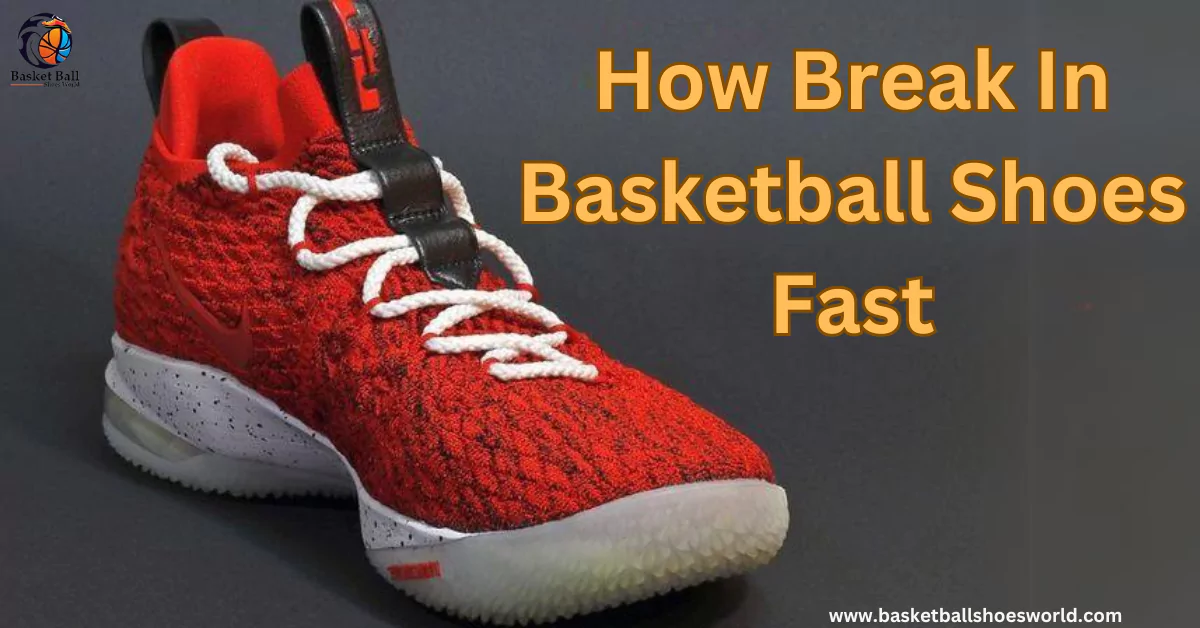
Source: basketballshoesworld.com
Step 1: Check the fit first
Try the shoes with the socks you normally wear for your sport. Make sure your toes have room, your heel stays secure, and there are no painful pressure points.
Step 2: Wear them indoors
Use the shoes around your home for a short time. This lets you notice discomfort without committing to a long outdoor session.
Step 3: Start with short workouts
Begin with light walking, easy drills, or shorter training sessions before increasing duration.
Step 4: Increase gradually
Add more time and intensity only when the shoes remain comfortable during normal movement.
Signs Your Sports Shoes Are Successfully Broken In
A properly adjusted pair should feel stable and comfortable during normal movement. The shoe should support your activity without distracting pressure or rubbing.
The upper and sole move naturally with your foot during sport-specific motions.
Consistent comfort
You can wear the shoes for your normal activity without developing new discomfort.
How Long Does It Take To Break In Sports Shoes?
The time needed depends on the shoe design, materials, sport, and how the shoe fits. Some athletic shoes feel comfortable after a few short wears, while others may need more gradual adjustment.
There is no universal break-in period for every sports shoe. A shoe that feels uncomfortable after several normal uses may have a sizing or design problem rather than simply needing more time.
Source: fcvolleyball.com
Running shoes
Many modern running shoes are designed to feel comfortable quickly, but runners should still test them before long-distance events.
Court shoes
Basketball and volleyball shoes may feel stiffer because they provide support for quick cuts and side-to-side movement.
Training shoes
Cross-training shoes may need adjustment because they combine different types of support and stability.
A Simple Break-In Schedule
A practical approach is to wear new shoes for 15 to 30 minutes at first, then increase use if they remain comfortable. Before a major event, complete at least a few normal sessions in them.
First sessions
Use easy activity and focus on comfort.
Later sessions
Add sport-specific movements and longer wear time.
Common Mistakes When Breaking In New Sports Shoes
Many people try to speed up the process, but aggressive methods can damage shoes or hide important fit problems. A gradual approach is usually safer and more reliable.
Breaking in should never involve ignoring pain. Discomfort from unfamiliar materials may improve, but pain that changes your movement should be addressed.
Source: shoesonic.com
Wearing them for a major event immediately
A race or game is not the best time to discover rubbing, pressure, or poor fit.
Using extreme stretching methods
Heat, excessive force, or improper stretching can affect shoe materials and structure.
Ignoring the wrong size
A shoe that is too small, too large, or unsuitable for your foot shape usually will not become comfortable through breaking in.
Changing everything at once
Avoid switching shoes, socks, and training intensity at the same time because it makes problems harder to identify.
When To Stop Using New Sports Shoes
Stop and reassess the shoes if you experience persistent pain, numbness, unusual pressure, or repeated blisters. These signs may indicate a fit issue rather than a normal adjustment period.
Possible solution
Check sizing, try different socks, adjust lacing, or consider whether another shoe design better matches your needs.
Tips For Different Types Of Sports Shoes
The best break-in method depends on how the shoe is used. Sports with repeated forward motion may require a different adjustment approach than sports with sudden stops and side movements.
Test them with short runs before using them for races or long training sessions.
Basketball shoes
Practice jumps, stops, and direction changes gradually because court movements place high demands on fit.
Soccer and field shoes
Use controlled practice sessions before full matches because fit problems can affect comfort during long play.
How Socks And Lacing Affect Break In
The same shoe can feel different depending on socks and lacing. Athletic socks can change friction and padding, while lacing adjustments can improve heel hold or reduce pressure.
Use normal gear
Break in shoes with the socks and inserts you expect to use during activity.
Frequently Asked Questions
Q
Can you break in sports shoes in one day?
You can make shoes feel more familiar in one day by wearing them briefly, but a full break-in is usually better done gradually. A long first session may create discomfort.
Q
Should new sports shoes hurt at first?
New shoes may feel different or slightly stiff, but they should not cause strong pain. Pain, numbness, or repeated blisters may indicate a poor fit.
Q
Can I use a hair dryer to stretch sports shoes?
Heat-based stretching methods are not recommended as a general solution because heat can affect some shoe materials. Gradual wear is usually safer.
Q
How do I know if my sports shoes are too small?
Signs include cramped toes, pressure on the sides, numbness, or discomfort that continues during normal movement. A different size or shape may be needed.
Q
Should I break in shoes before a sports season starts?
Yes. Testing shoes before regular games or events helps you identify comfort and fit issues before performance matters.
✦ Wrapping Up
Conclusion
Breaking in sports shoes is a gradual adjustment process that helps new footwear feel natural before demanding activity. The safest method is simple: check the fit, wear the shoes briefly, increase use slowly, and pay attention to your feet.
A good sports shoe should become comfortable through normal use, not through painful forcing or extreme stretching. If discomfort continues, the issue may be the shoe choice rather than the break-in process.
💡 Key Takeaway
Wear new sports shoes during short practice sessions before important events, and replace the plan with a fit check if pain continues.