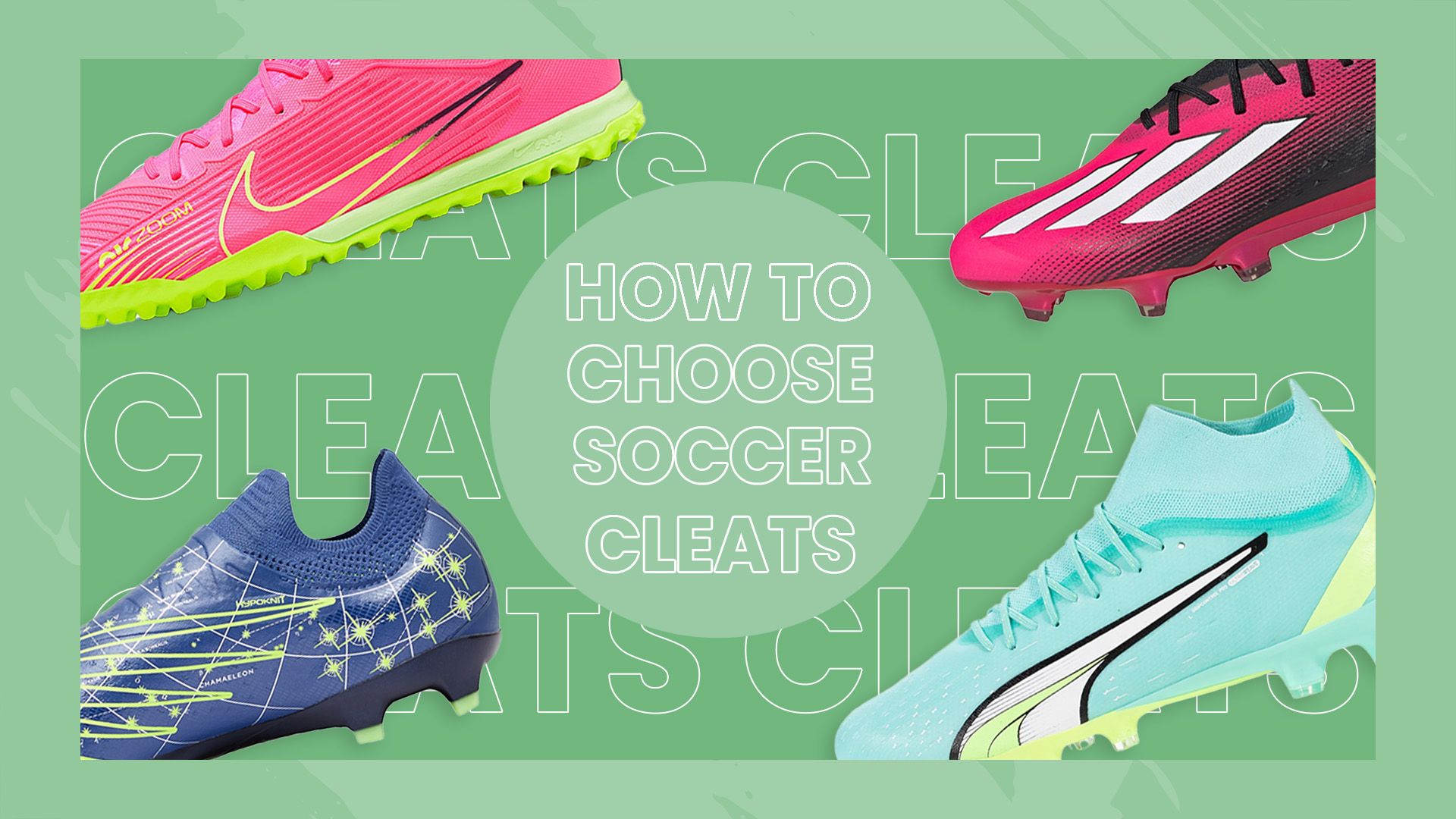
Choose soccer cleats based on your playing surface, fit, position, foot shape, and comfort. The right pair should support your movement without causing pressure points or limiting control.
Deal
Today's Exclusive Deals
Limited-time Exclusive Deals. Check current discount on Amazon.
Across youth leagues, high school fields, college programs, and adult recreational soccer in the United States, players need cleats that match the way they actually play. A fast winger on artificial turf has different needs from a defender playing on a natural grass field, even if both wear the same sport.
The best soccer cleats are not simply the most expensive or the ones used by professional players. A proper choice starts with understanding the field surface, stud pattern, fit, materials, and personal playing style. This guide explains the factors that matter most so players can make a practical decision before buying.
Soccer cleats affect traction, stability, comfort, and ball feel. A poor match can lead to discomfort, reduced confidence, or less effective movement. A good match allows players to focus on passing, shooting, defending, and reacting instead of thinking about their footwear.
Source: www.goal.com
Understand The Different Types Of Soccer Cleats
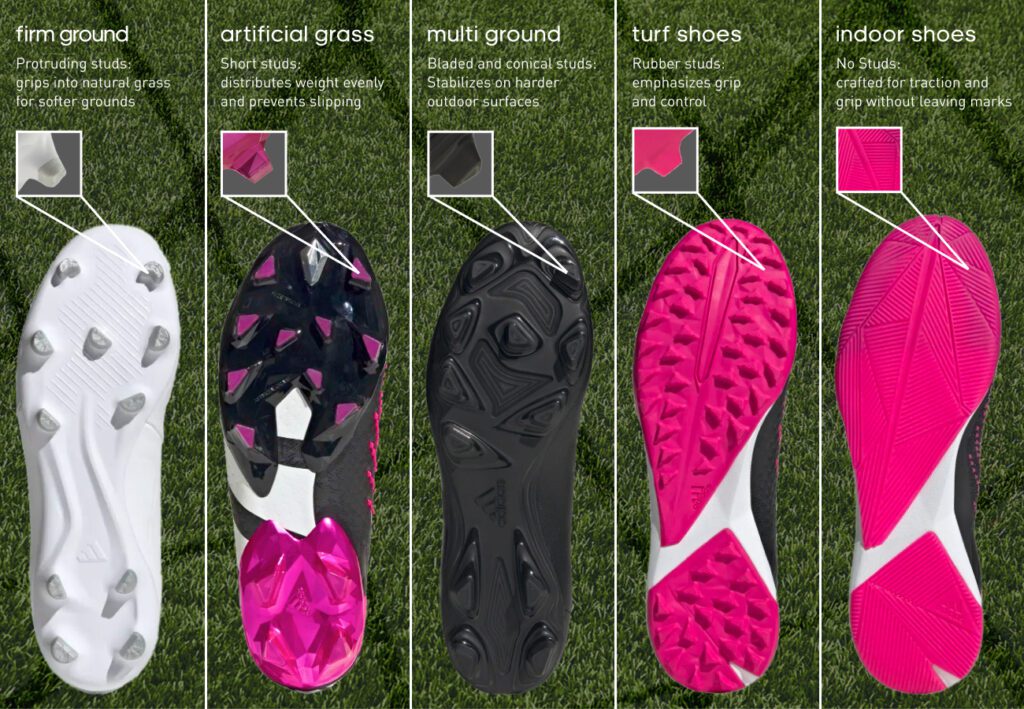
Soccer cleats are designed for specific playing surfaces. The first decision should be where you will use them most often. Using the wrong outsole can reduce traction and may increase the chance of slipping or discomfort.
Manufacturers label cleats by surface type, such as firm ground, artificial grass, turf, soft ground, and indoor. Each category uses a different stud arrangement to interact with the playing surface.
Source: moderndadtopics.com
Firm Ground (FG)
Firm ground cleats are made for natural grass fields that are usually dry or slightly firm. They typically use molded studs that provide balanced grip and stability.
Artificial Grass (AG)
Artificial grass cleats are designed for synthetic fields. They often use more studs distributed across the outsole to spread pressure and improve traction.
Turf (TF)
Turf shoes use many small rubber studs for older artificial turf surfaces and training areas where traditional cleats may not perform well.
Soft Ground (SG)
Soft ground cleats are intended for wet, muddy natural grass fields. They commonly use removable studs that can be adjusted for conditions.
Indoor Soccer
Indoor soccer shoes use flat rubber soles instead of studs because indoor courts require grip through surface contact rather than penetration.
A soccer cleat outsole works by interacting with the ground below it. Firm ground studs are meant to grip grass, while turf patterns are meant to provide many contact points on artificial surfaces. Choosing the correct type improves comfort and movement control.
Check Your Regular Field
Choose based on the surface you play on most often rather than the field you use only occasionally.
Find The Right Soccer Cleat Fit
Fit is one of the most important parts of choosing soccer cleats. A cleat should hold the foot securely while allowing natural toe movement. Too much space can reduce control, while excessive tightness can create pressure points.
Soccer players often prefer a close fit because the game requires quick changes of direction and precise contact with the ball. However, the correct fit depends on foot shape, comfort preference, and playing needs.
Source: footballtale.com
Measure Your Feet
Measure both feet because one foot is often slightly larger. Use the larger foot when selecting size.
Check Toe Room
Your toes should not be crushed against the front of the cleat. Small movement space helps maintain comfort during play.
Consider Width
Players with wider feet may need models designed with a roomier upper or a more flexible material.
How To Test Soccer Cleat Fit Before Playing
Try cleats with the socks you normally wear for soccer. Walk, jog, and make quick movements if possible. A good fit should feel stable without painful pressure.
Signs Of A Good Fit
Your heel stays in place, your foot does not slide inside the shoe, and you can move comfortably.
Signs Of A Poor Fit
Blisters, numb toes, heel slipping, or strong pressure points indicate the cleat may not be suitable.
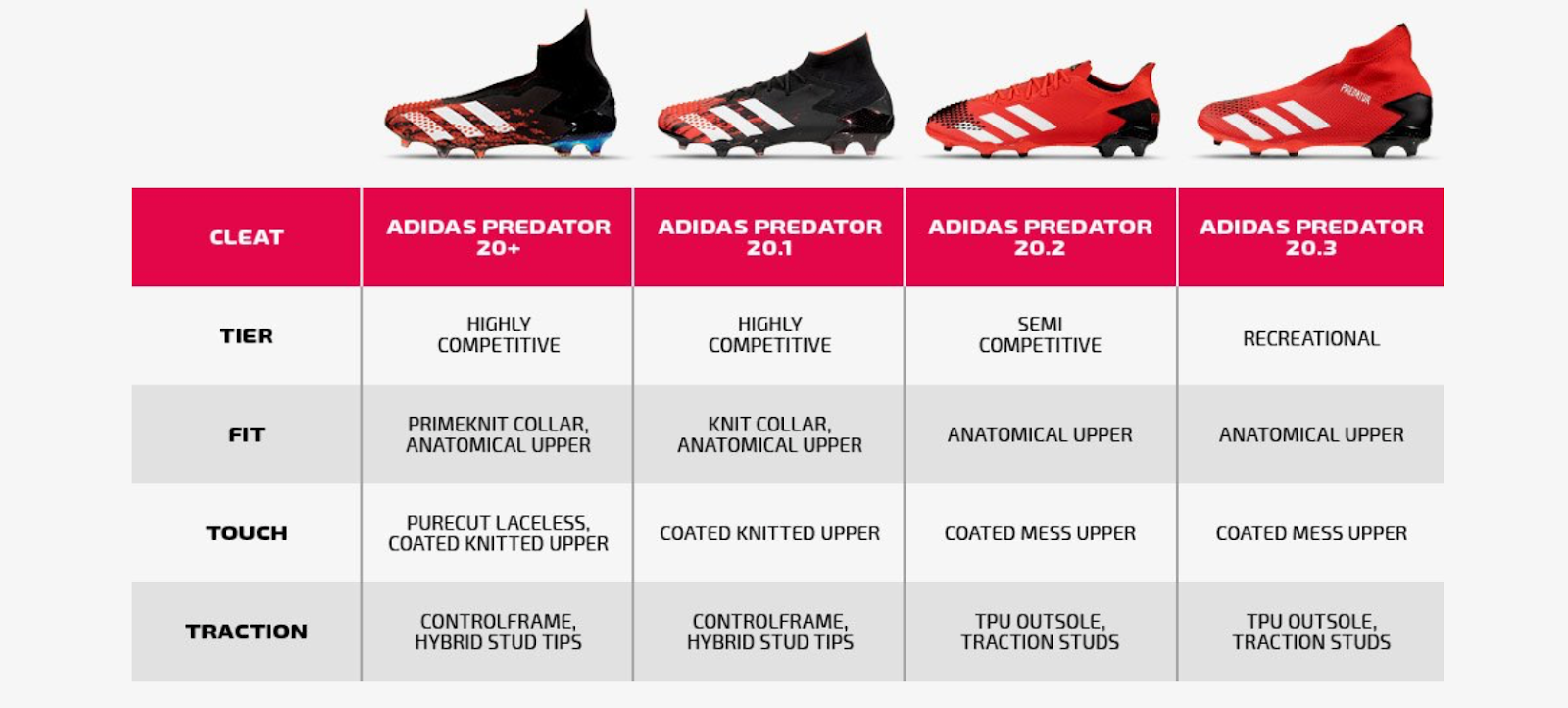
Soccer cleats are commonly made from leather, synthetic materials, or combinations of both. Each material changes how the shoe feels and how much maintenance it requires.
Material choice is a personal decision. Some players prefer a softer touch, while others prioritize lighter weight and easier care.
Source: buysoccercardsonline.com
Leather Cleats
Leather models are known for a soft feel and natural comfort. They may require more care and can absorb moisture more easily than synthetic options.
Synthetic Cleats
Synthetic materials are often lighter, easier to clean, and designed to maintain shape with regular use.
Hybrid Designs
Some cleats combine materials to balance comfort, touch, durability, and weight.
Material Does Not Replace Proper Fit
A premium material cannot fix an incorrect size or unsuitable shape. Fit and surface compatibility usually have a greater effect on daily comfort than material alone.
Match Cleats To Your Playing Position And Style
Your position can influence which cleat features feel most useful. Soccer requires different movements depending on whether you attack, defend, create chances, or control the midfield.
Position-based recommendations are general guidelines, not strict rules. A comfortable cleat that matches your surface and foot is usually more important than choosing a model based only on position.
Source: progressivesoccertraining.com
For Forwards
Attackers often value lightweight designs that support acceleration and quick movement.
For Midfielders
Midfield players may prefer balanced cleats that provide comfort for frequent running and ball control.
For Defenders
Defenders may prioritize stability and dependable traction during physical challenges.
For Goalkeepers
Goalkeepers often need reliable grip for explosive movements in different directions.
Consider Your Playing Frequency
A player training several times each week may benefit from durability and comfort, while a casual player may focus more on value and general performance.
Frequent Players
Look for durable construction and a fit that remains comfortable during long sessions.
Occasional Players
Prioritize correct surface type and comfort without paying for features you may not use.
Common Soccer Cleat Buying Mistakes To Avoid
Many players choose cleats based on appearance, brand popularity, or professional player endorsements. These factors may matter, but they should not replace practical requirements such as fit and field compatibility.
Avoiding common mistakes can help you get better value and reduce discomfort during play.
Source: idasports.com
Buying Only For Looks
A stylish design does not guarantee the right traction, comfort, or fit.
Ignoring Field Type
Using the wrong outsole can affect grip and comfort.
Choosing A Size Too Small
A tight cleat may feel secure at first but can become uncomfortable during matches.
Assuming Expensive Means Better
Higher prices often reflect materials or features, but the best choice depends on your needs.
Frequently Asked Questions
Q
Should soccer cleats be tight or loose?
Soccer cleats should fit snugly but should not cause pain. The foot should feel secure inside the shoe while allowing comfortable movement.
Q
How long do soccer cleats usually last?
The lifespan depends on material, playing frequency, field type, and maintenance. Players who train often may replace cleats sooner than occasional players.
Q
Can I use firm ground cleats on artificial turf?
Firm ground cleats may not provide the ideal experience on artificial turf. Turf or artificial grass models are designed specifically for synthetic surfaces.
Q
Are expensive soccer cleats worth it?
Expensive cleats can include premium materials or lighter construction, but they are not automatically the best choice. Fit and correct specifications matter more.
Q
How do I know when soccer cleats need replacement?
Replace cleats when studs are worn, the upper is damaged, the sole separates, or the shoes no longer provide comfortable support.
✦ Wrapping Up
Conclusion
Choosing soccer cleats starts with matching the shoe to your playing surface, foot shape, and style of play. The right pair should feel secure, comfortable, and suitable for the conditions where you compete or train.
A thoughtful choice does not require the most expensive model. Focus on the features that directly affect your game, including traction, fit, material, and durability.
💡 Key Takeaway
Before buying soccer cleats, identify your main field surface, test the fit with your soccer socks, and choose the features that support your actual playing needs.