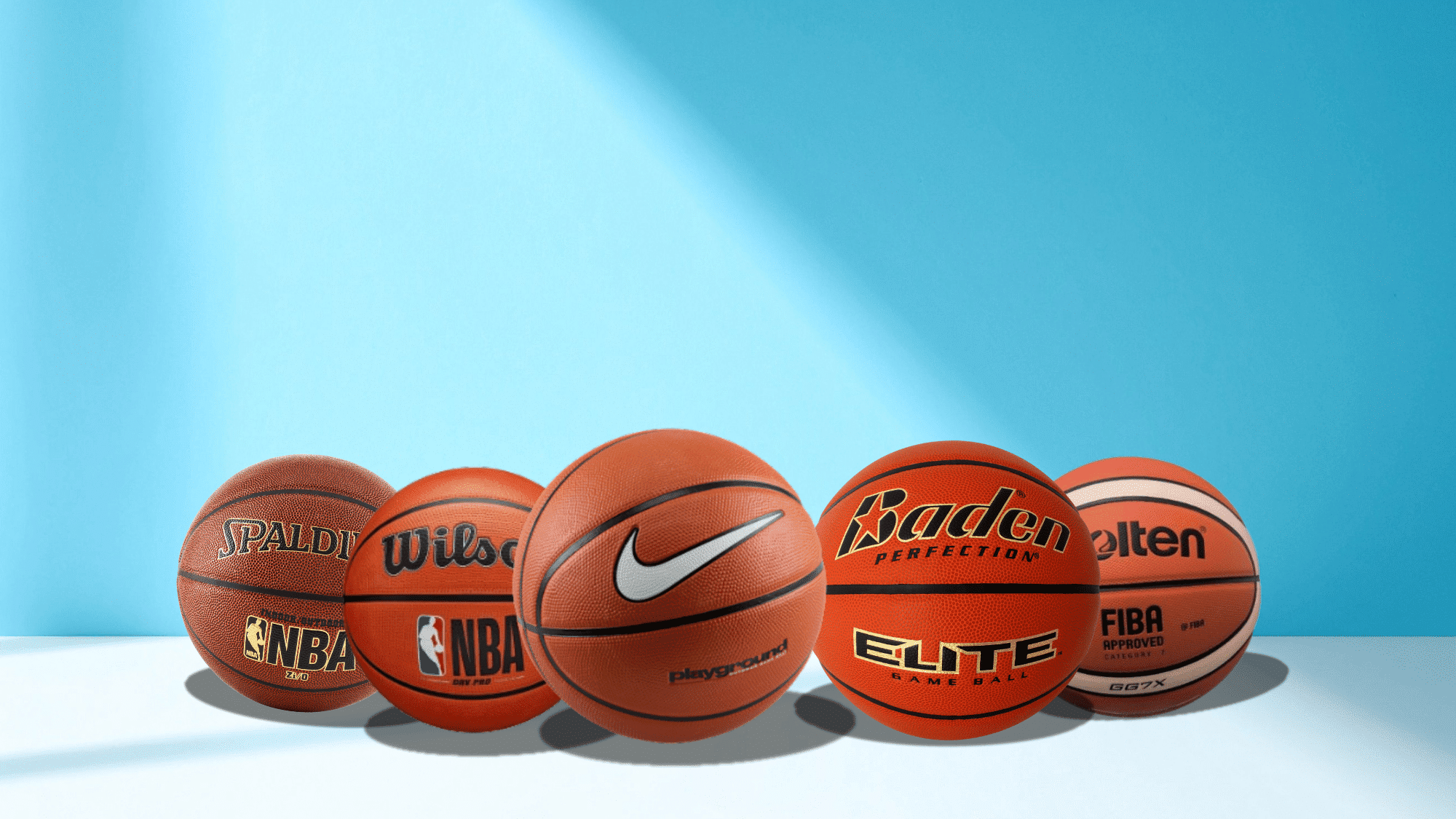
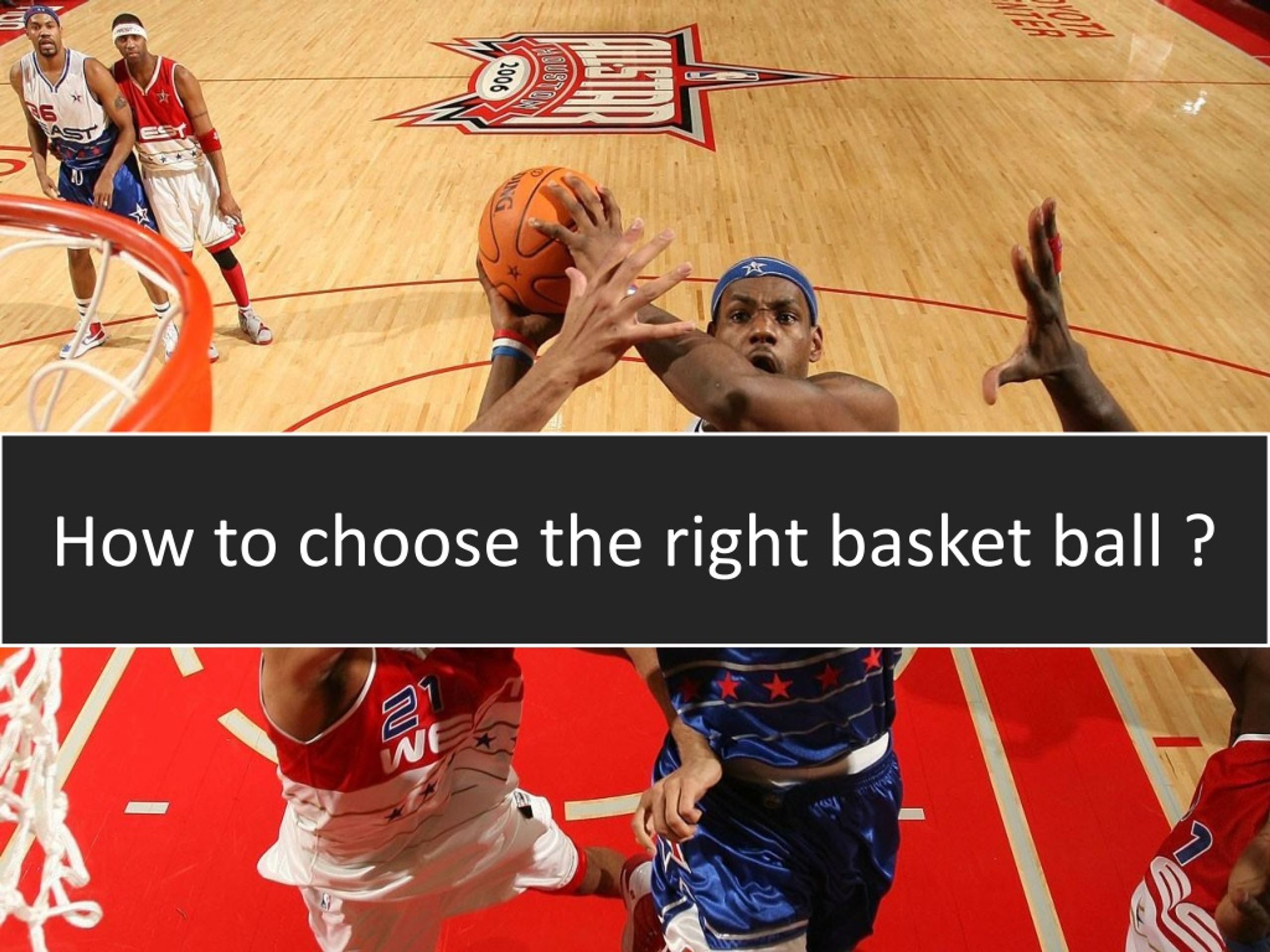
Choose a basketball based on where you play, your age, your hand size, and the ball size required for your level. Indoor players usually need composite or leather balls, while outdoor players often need durable rubber or composite covers.
Deal
Today's Exclusive Deals
Limited-time Exclusive Deals. Check current discount on Amazon.
In the United States, basketball players use different types of balls for school gyms, community courts, driveways, leagues, and professional training. The right basketball depends less on the most expensive option and more on matching the ball to the playing surface, player needs, and competition rules.
A good basketball should feel comfortable in your hand, provide predictable bounce, and match the conditions where it will be used. Choosing the wrong size or cover material can make shooting, passing, and ball control harder, especially for younger players who are still developing skills.
This guide explains how to choose a basketball by size, material, construction, and intended use. It also covers common buying mistakes and the details players and parents should check before purchasing.
Source: outdoorbasketballguide.com
Understand The Different Basketball Sizes
The correct basketball size depends mainly on player age, league rules, and competition level. A ball that is too large can reduce control for younger players, while a ball that is too small may not prepare advanced players for official games.
Basketball sizes are standardized, but exact recommendations can vary by league or organization. Players should always check local rules before buying a game ball.
Source: concordp2c.com
Size 7 Basketball
A regulation men’s basketball size with a circumference of about 29.5 inches. It is commonly used in high school boys, college, professional men’s games, and adult recreational play.
Size 6 Basketball
A smaller ball with a circumference of about 28.5 inches. It is commonly used in women’s basketball, many youth leagues, and players who need a slightly easier grip.
Size 5 Basketball
A youth basketball generally around 27.5 inches in circumference. It is designed for younger players who are developing basic handling and shooting skills.
Age is a useful starting point, but hand size and skill level also matter. A young player who struggles to control a larger ball may benefit from a smaller size until their skills improve.
The goal is to choose a ball that allows proper shooting form, comfortable dribbling, and confident passing.
Children
Younger players usually need smaller basketballs that are easier to grip and control.
Teen Players
Teen players should follow their school or league rules because requirements often change with competition level.
Adults
Adults should normally choose the official size required for their league or preferred style of play.
Choose The Right Basketball Material
Basketball cover material affects grip, feel, durability, and price. The main choices are genuine leather, composite leather, and rubber.
The best material depends on where the ball will be used. A premium indoor ball may perform poorly outdoors because rough surfaces can wear down softer covers faster.
Source: hartsport.com.au
Leather Basketballs
Genuine leather balls offer a traditional feel and are commonly used in high-level indoor play. They often require a break-in period before reaching their best grip.
Composite Leather Basketballs
Composite balls provide a softer feel than rubber and are widely used for indoor and indoor-outdoor play. They usually require less break-in time.
Rubber Basketballs
Rubber balls are durable and affordable. They are often chosen for outdoor courts, school recreation, and casual driveway games.
Indoor Versus Outdoor Basketballs
Indoor courts usually have smooth surfaces that allow softer materials to maintain their texture. Outdoor courts create more friction, which means durability becomes a higher priority.
Some basketballs are labeled indoor-outdoor because they use materials designed to balance grip and resistance to wear.
Indoor Use
Prioritize grip, touch, and consistent feel for shooting and passing.
Outdoor Use
Prioritize stronger covers that can handle concrete and asphalt surfaces.
Consider Where You Will Play
The playing environment should guide your basketball choice. A ball designed for a polished gym floor may not last long on outdoor pavement.
Think about your most common playing location before buying. If you regularly switch between surfaces, an indoor-outdoor basketball may offer a practical balance.
Choose a ball with strong grip and good handling characteristics for controlled indoor play.
Outdoor Courts
Choose a durable cover that can resist rough surfaces and frequent use.
Driveways And Parks
A rubber or durable composite basketball is often more suitable for casual outdoor sessions.
Check The Basketball Surface Feel
Grip is important because players rely on fingertip control for dribbling, passing, and shooting. A ball should not feel slippery or difficult to handle.
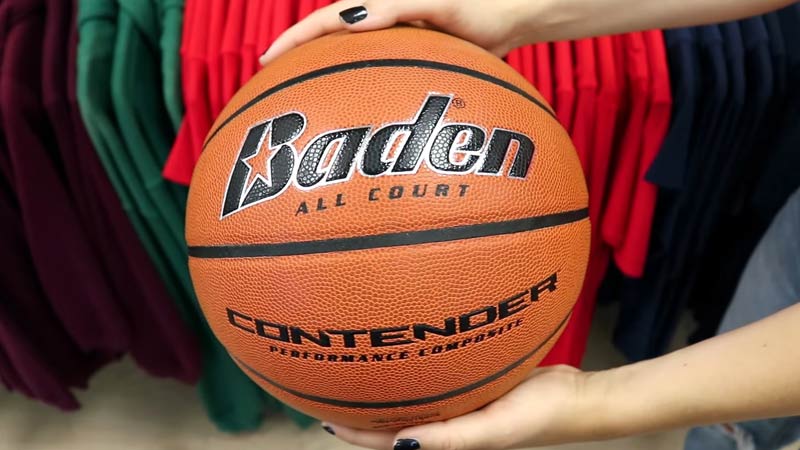
Try holding the basketball with one hand if possible. The surface should provide enough texture for confident control without feeling rough or uncomfortable.
Good Grip
The ball feels secure during normal handling and does not require excessive force to control.
Poor Fit
The ball feels too large, too smooth, or difficult to manage during basic movements.
Check Basketball Construction And Quality
A basketball is made from more than just its outer cover. The bladder, winding, channels, and panel design all influence how the ball feels and performs.
Quality construction helps a basketball maintain its shape, bounce, and air retention during regular use.
Source: metroleague.org
Panel Design
Panels and channels affect how the ball sits in the hand and how players control rotation.
Air Retention
A well-made basketball should maintain proper inflation when stored and used correctly.
Bounce Consistency
A quality ball should provide predictable bounce rather than uneven reactions.
Basketball Inflation And Maintenance
Even a high-quality basketball will perform poorly if it is overinflated or underinflated. Follow the manufacturer’s recommended pressure range, which is often printed near the valve area.
Store the ball away from extreme heat, cold, and moisture. Regular cleaning can also help preserve the surface texture.
Before Playing
Check inflation and make sure the surface is clean and dry.
After Playing
Store the basketball indoors when possible to reduce unnecessary wear.
Common Mistakes When Buying A Basketball
Many basketball buyers focus only on price or appearance and overlook size, material, and playing conditions. These mistakes can lead to a ball that feels uncomfortable or wears out quickly.
A thoughtful choice usually provides better value because the basketball matches how it will actually be used.
Source: slideserve.com
Choosing The Wrong Size
A ball that is too large or too heavy can make skill development harder for younger players.
Using Indoor Balls Outdoors
Softer indoor materials may wear faster when repeatedly used on rough outdoor courts.
Ignoring League Rules
Competitive players should confirm required basketball size and specifications before purchasing.
Before buying, answer four questions: Who will use the ball? Where will it be played? What size is required? What material fits the budget and conditions?
This short checklist prevents most common buying errors and helps players select a basketball that supports their goals.
Player Level
Beginner, recreational, school, or competitive use can change the best choice.
Playing Surface
Indoor and outdoor courts require different durability priorities.
Frequently Asked Questions
Q
What size basketball should adults use?
Most adult men’s basketball leagues use a size 7 basketball, while many women’s leagues use size 6. Recreational players should choose the size that matches their league rules and comfort level.
Q
Is a rubber basketball good for beginners?
Yes. Rubber basketballs are durable and affordable, making them suitable for beginners, outdoor play, and casual practice. Players who move to competitive indoor play may prefer composite or leather options.
Q
Can I use an indoor basketball outside?
An indoor basketball can be damaged faster on rough outdoor surfaces. If outdoor use is frequent, choose a ball designed for outdoor durability.
Q
How much should I spend on a basketball?
The right budget depends on how often the ball will be used. Casual players may be satisfied with affordable rubber or composite models, while serious players may benefit from higher-quality materials.
Q
How long does a basketball last?
Basketball lifespan depends on material, playing surface, frequency of use, and care. Outdoor use generally creates more wear than indoor play.
✦ Wrapping Up
Conclusion
Choosing a basketball starts with matching the ball to the player and the court. Size, material, and construction all affect control, comfort, and durability.
The best basketball is not always the most expensive one. It is the ball that fits your age, skill level, playing surface, and goals.
💡 Key Takeaway
Before buying a basketball, check the required size, decide where you will play most often, and choose a material that matches your conditions.