For tennis players across the United States, choosing the right racket can make practice sessions more comfortable and help develop better technique. A racket that fits your hand and swing is easier to control than one chosen only because it looks advanced or is used by a professional player.
The best tennis racket depends on the player, not just the equipment. Beginners often benefit from lighter rackets with larger heads because they provide more forgiveness, while experienced players may prefer different weight and balance choices for precision, stability, and shot control.
Source: i.pinimg.com
Understand What Makes a Tennis Racket Different
A tennis racket is a combination of several design choices that affect how the ball feels when it leaves the strings. The frame shape, materials, weight, balance, and string setup all influence power, control, and comfort.
Before buying, identify your current playing level, how often you play, and what you want the racket to improve. A recreational player who plays occasionally may need a different racket from a competitive player who trains several times each week.
Source: 4.bp.blogspot.com
Player level
Beginners usually need easy handling and forgiveness, while advanced players often prioritize control and stability.
Playing style
Power players, defensive players, and aggressive baseline players may prefer different racket characteristics.
Physical comfort
The racket should feel manageable throughout a match without causing unnecessary strain.
Beginner, Intermediate, and Advanced Racket Needs
Beginners often benefit from rackets with larger heads and lighter frames because these features create a bigger hitting area and make it easier to return shots. Intermediate players may want more balance between power and control. Advanced players often select rackets based on very specific preferences developed through experience.
Beginner choice
Look for comfort, forgiveness, and easier swing speed.
Intermediate choice
Consider a balanced racket that supports both improvement and consistency.
Advanced choice
Focus on precise specifications that match an established technique.
Racket weight affects how easy the racket is to move and how stable it feels when hitting the ball. A lighter racket is usually easier to swing, while a heavier racket can provide more stability when returning powerful shots.
Weight should be considered with balance. A head-heavy racket may feel more powerful, while a head-light racket can feel quicker around the net. The right choice depends on strength, technique, and comfort.
Source: imgv2-1-f.scribdassets.com
Light rackets
Often easier for beginners, juniors, and players who want faster swings.
Medium weight rackets
Provide a common balance between maneuverability and stability.
Heavy rackets
Can offer stability but require stronger technique and timing.
How Weight Changes Your Game
A racket that is too heavy may slow your swing and make long matches tiring. A racket that is too light may feel unstable when facing fast shots. The goal is not to find the heaviest racket you can handle, but the one you can control comfortably.
Sign of a good fit
You can swing naturally and maintain control during extended play.
Sign of a poor fit
Your arm feels tired quickly or your timing becomes inconsistent.
Select the Correct Head Size and Grip Size
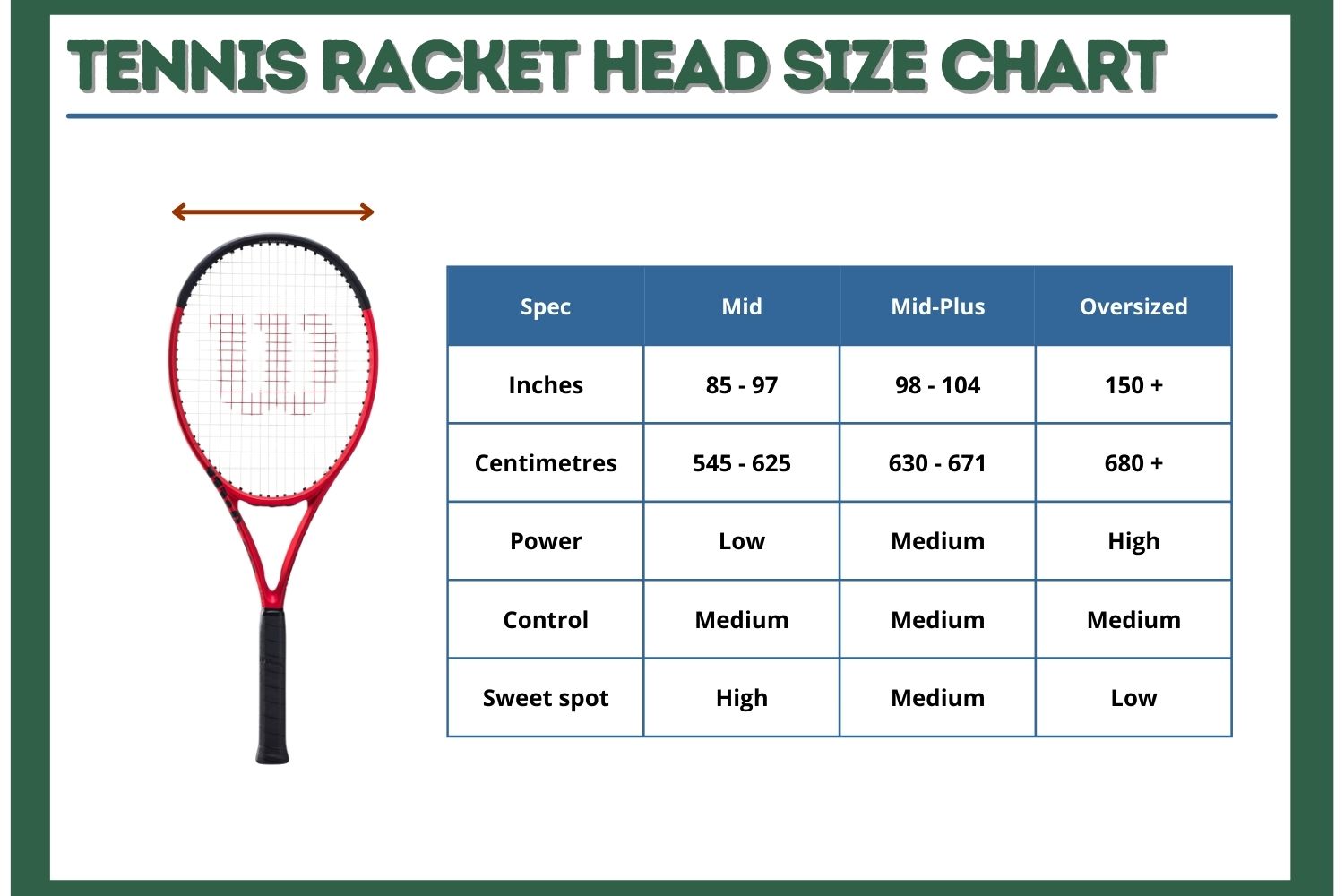
Head size affects the sweet spot, which is the area of the strings that produces a more consistent response. Larger heads generally provide more forgiveness, while smaller heads can offer more precise control.
Grip size is equally important because the handle must fit your hand comfortably. A grip that is too small or too large can make control harder and may contribute to discomfort.
Source: tennisracketball.com
Larger head size
Helpful for beginners because missed center hits are less punishing.
Smaller head size
Often preferred by skilled players who want precise feedback.
Correct grip
Allows a relaxed hold while maintaining control of the racket.
Hold the racket as you would during a normal forehand. There should be enough space for a finger between your fingertips and palm when holding the handle naturally. This is only a basic guide, and players should test different sizes when possible.
Too small
May require extra squeezing to keep control.
Too large
May make quick changes of direction more difficult.
Consider Strings, Balance, and Playing Style
The racket frame is only part of the setup. Strings influence how the racket feels, including power, spin potential, and comfort. Different string materials and tensions create different playing experiences.
Players who hit with heavy topspin may prefer setups that support spin, while players focused on control may prefer a firmer response. There is no single string choice that works for every player.
Source: yumo.ca
Power-focused players
May prefer a setup that helps generate easier depth.
Control-focused players
May prefer a response that rewards accurate technique.
Comfort-focused players
May need softer materials or suitable tension choices.
Common Mistakes When Buying a Tennis Racket
Many players choose a racket because a professional athlete uses it or because it promises more power. Professional equipment is designed around professional technique and may not suit recreational players.
Another common mistake is ignoring grip size and comfort. A racket that performs well on paper may not feel right in your hand.
Copying professionals
A professional player’s racket setup may not match your ability or swing.
Ignoring testing
Trying a racket before buying can reveal comfort issues.
How to Test a Tennis Racket Before Buying
The best way to choose a tennis racket is to test how it feels during actual swings. Product descriptions can explain specifications, but they cannot fully show how a racket feels in your hand.
During testing, pay attention to comfort, swing speed, control, and whether you can maintain your normal technique. A good racket should support your game instead of forcing you to change your natural movement.
Source: i.pinimg.com
Test several options
Comparing different weights and balances helps identify your preference.
If a racket feels difficult to control, causes discomfort, or makes your swing feel unnatural, consider changing specifications rather than forcing yourself to adapt. Small differences in weight or grip can create noticeable changes.
Too difficult to swing
Try a lighter or more balanced option.
Not enough stability
A slightly heavier frame may provide more support.
Frequently Asked Questions
Q
What tennis racket is best for a beginner?
Beginners often benefit from a lighter racket with a larger head size because it can provide easier handling and a larger hitting area. The best option still depends on comfort, strength, and playing frequency.
Q
How much should I spend on a tennis racket?
A suitable budget depends on how often you play and how long you expect to use the racket. New players should focus on correct fit and comfort before paying more for advanced features.
Q
Does a heavier tennis racket make you play better?
Not automatically. A heavier racket can provide stability, but only if the player can swing it comfortably and maintain good technique.
Q
How often should I replace a tennis racket?
Replacement depends on playing frequency, frame condition, and personal preference. Players who notice cracks, reduced performance, or changing comfort may need a new racket.
Q
Should beginners choose a bigger racket head?
Many beginners find larger heads easier because they provide more forgiveness. As skills improve, some players move toward different head sizes for more control.
✦ Wrapping Up
Conclusion
Choosing a tennis racket is about finding the right match between your skill level, body, swing style, and goals. The most expensive racket is not always the best option if it does not feel comfortable or support your technique.
Start with the basics: select a suitable weight, comfortable grip size, practical head size, and string setup that matches your needs. Testing different rackets can help you make a confident decision.
💡 Key Takeaway
Before buying a tennis racket, identify your skill level, test comfortable options, and choose the specifications that help you swing naturally and play consistently.