Choose a fitness tracker by matching its features to your goals, phone, activities, comfort needs, and budget rather than buying the device with the longest feature list.
Deal
Today's Exclusive Deals
Limited-time Exclusive Deals. Check current discount on Amazon.
In the United States, fitness trackers have become common tools for people who want a clearer picture of daily movement, workouts, sleep habits, and general wellness trends. The right device can help you notice patterns and stay consistent, but the best choice depends on how you plan to use it.
A fitness tracker is not a replacement for medical care or a guarantee of better health. It is a personal data tool that can record activity and provide estimates based on sensors and software. A good buying decision starts with understanding what information matters to you and which features you will actually use.
Source: i.pinimg.com
What Is A Fitness Tracker And Who Needs One
A fitness tracker is a wearable electronic device designed to collect information about physical activity and related habits. Most trackers use sensors such as accelerometers to detect movement. Many models also include heart rate sensors, GPS features, sleep monitoring, and workout tools.
The best fitness tracker is the one that supports your personal routine. A person training for a marathon needs different features than someone who mainly wants reminders to move more during the workday. More features do not always create more value if you never use them.
Before shopping, define your main reason for buying. This simple step prevents paying for advanced tools that do not match your lifestyle.
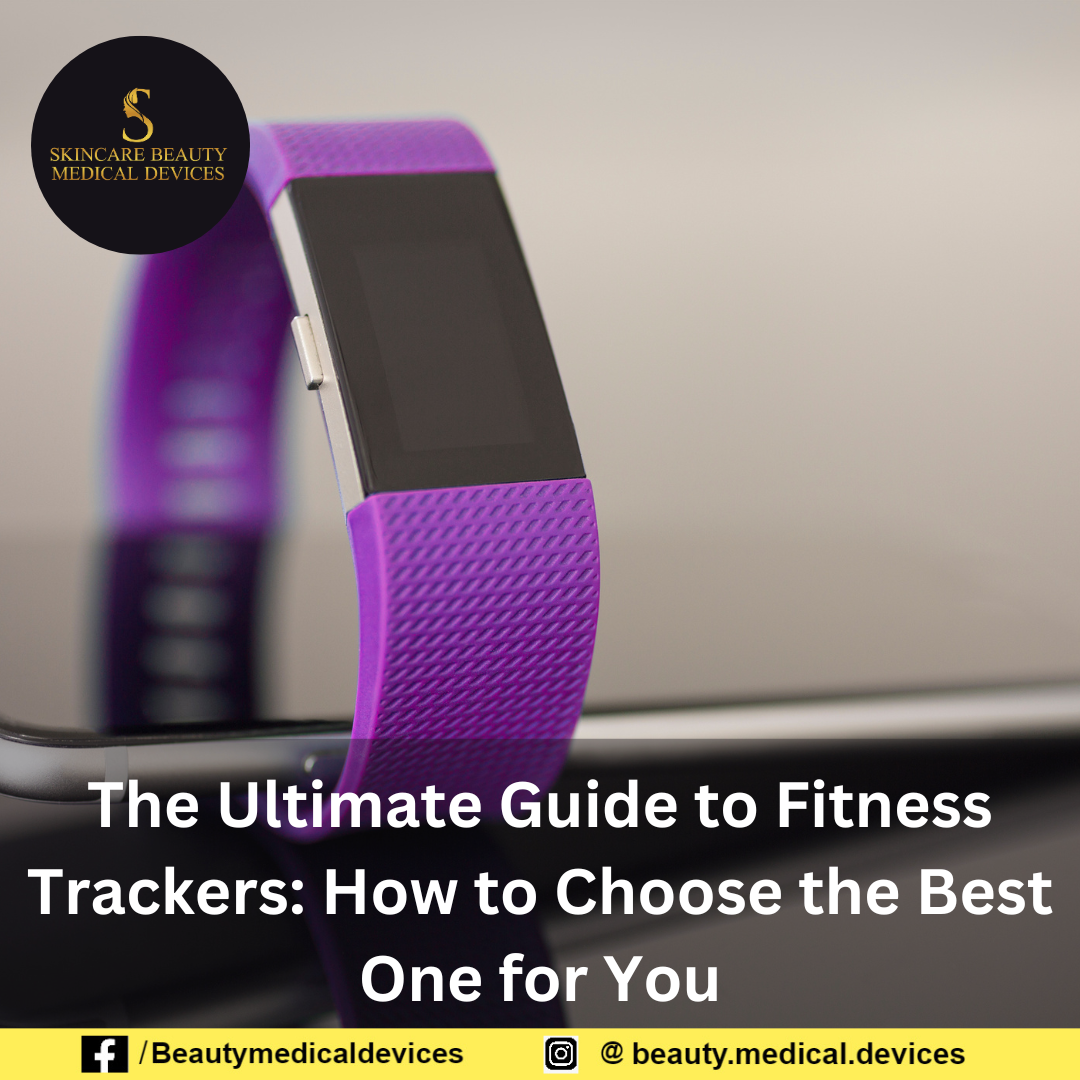
Source: beautymedicaldevices.com
Daily activity goals
Basic trackers can help monitor steps, movement time, and activity patterns.
Workout tracking
Active users may need exercise modes, heart rate data, GPS, and training information.
Wellness awareness
Sleep and recovery features can help users understand personal habits over time.
Define Your Fitness Goal First
Your goal should guide your purchase. Someone focused on walking may value comfort and battery life more than advanced training metrics. A runner may prefer built-in GPS and detailed workout records.
Think about the next six to twelve months, not only your current routine. A device should support realistic future use without adding unnecessary complexity.
Simple goal
Choose fewer features and prioritize ease of use.
Training goal
Look for activity-specific tools and accurate workout recording options.
Compare The Features That Matter Most
Fitness trackers differ widely in sensors, software, battery life, and design. Compare features based on usefulness instead of choosing the longest specification list.
Heart rate monitoring is one of the most common features. It can help users view exercise intensity and activity trends. However, readings may vary depending on movement, device placement, skin contact, and the activity being measured.
GPS is another important choice. Built-in GPS can record outdoor routes without carrying a phone, while connected GPS uses a smartphone connection. The better option depends on your preferred activities.
Source: i.pinimg.com
Battery life
Longer battery life reduces charging interruptions and may suit travelers or outdoor users.
Display
A clear screen improves visibility during workouts, but larger displays can affect size and comfort.
Water resistance
Check the manufacturer’s rating if you swim or regularly use the tracker around water.
Consider Health And Safety Features Carefully
Some fitness trackers offer features related to heart rhythm notifications, blood oxygen estimates, or other wellness measurements. Availability and function vary by model and region.
These tools may provide helpful information, but they should not be treated as a diagnosis. If a device shows a concerning result or you have health concerns, discuss them with a qualified healthcare professional.
Use trends
Long-term patterns are often more useful than a single reading.
Check Compatibility Comfort And Cost
A fitness tracker only works well if it fits into your daily life. Before buying, confirm that the device works with your smartphone operating system and that the required app supports your phone version.
Comfort is often overlooked. A tracker worn every day should feel natural on your wrist. Heavy devices, uncomfortable bands, or poor fit may cause people to stop using them.
The total cost includes more than the purchase price. Some devices may require optional subscriptions for advanced features, while replacement bands or accessories can add expense over time.
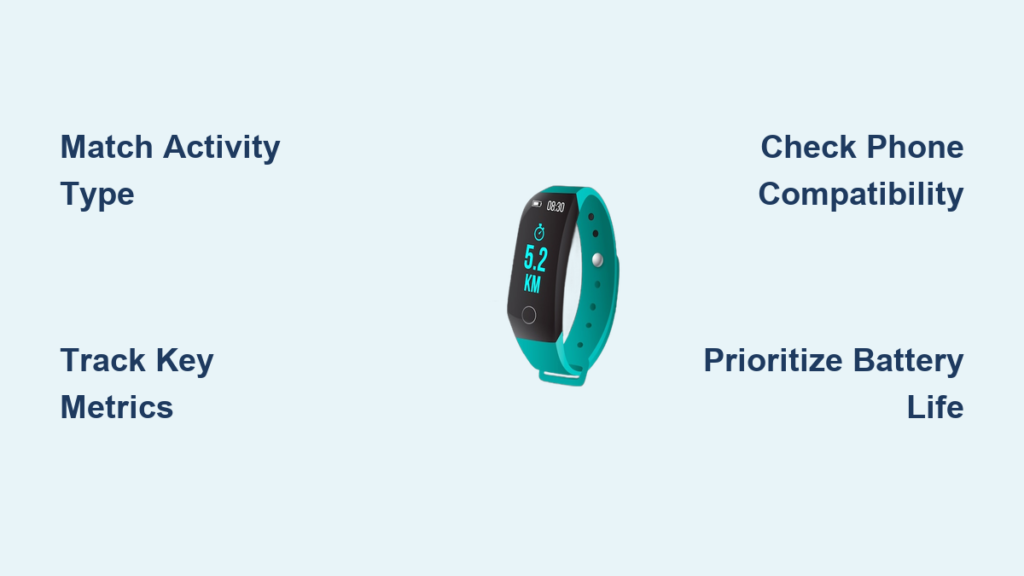
Source: ninjachoice.blog
Phone support
Verify compatibility before purchase because not every tracker works with every phone.
Wearing comfort
Consider size, weight, band material, and whether you want to wear it while sleeping.
Long-term cost
Include subscriptions, accessories, and replacement needs in your budget.
A checklist helps reduce confusion when many models appear similar. Write down your must-have features before comparing products.
A practical checklist should include your phone type, preferred battery length, favorite activities, comfort expectations, and maximum budget.
Must have
Features required for your daily use.
Nice to have
Extra features that are useful but not necessary.
Understand Accuracy Limits And Common Mistakes
Fitness tracker data can be useful, but every measurement has limits. Step counts, calorie estimates, sleep stages, and heart rate readings are calculated using sensors and algorithms. Results can differ between devices and situations.
One common mistake is buying based only on advertised features. A tracker with advanced tools may not help if it is uncomfortable or too complicated to wear regularly.
Another mistake is treating every number as exact. Use your tracker as a guide for habits and patterns rather than a perfect measurement system.
Source: wearablefitnesstracker.com
Ignoring fit
A loose or uncomfortable tracker may collect less useful data and reduce daily use.
Overvaluing calories
Calorie estimates are approximate and should not replace professional nutrition advice.
Skipping updates
Keeping software and apps updated can improve reliability and security.
What To Do If Your Tracker Does Not Work Well
If readings seem unusual, start with simple checks. Make sure the tracker fits correctly, the sensors are clean, the software is updated, and the device is paired properly.
If problems continue, review the manufacturer’s support information or contact customer service. A hardware issue may require repair or replacement.
Check setup
Confirm account settings, permissions, and device connections.
Choose The Right Fitness Tracker For Your Lifestyle
Different users need different features. A useful comparison starts by matching the device category to the activity rather than searching for a universal winner.
For beginners, simplicity often matters most. A lightweight tracker with reliable basic features may encourage regular use. For athletes, detailed workout information and location tracking may provide more value.
The final choice should balance function, comfort, cost, and trust in the brand’s software support.
Source: media.theeverygirl.com
Walkers and beginners
Focus on comfort, simple activity tracking, and long battery life.
Runners and cyclists
Consider GPS, workout tools, and data export options.
Wellness-focused users
Look for sleep tools and habit tracking features that match personal goals.
Start by choosing your top three needs. Remove devices that fail those requirements. Then compare comfort, cost, battery life, and extra features among the remaining options.
This method keeps the decision focused and prevents unnecessary spending on features that do not improve your daily experience.
Step one
Identify your primary use.
Step two
Check compatibility and essential features.
Step three
Choose the device you will actually wear consistently.
Frequently Asked Questions
Q
What is the most important feature in a fitness tracker?
The most important feature is the one that supports your goal. For many users, comfort and reliable daily tracking matter more than having every available sensor.
Q
Are fitness trackers accurate?
Fitness trackers can provide useful estimates and trends, but accuracy varies by device, activity, fit, and measurement type. They should not be considered medical instruments unless specifically designed and approved for that purpose.
Q
Should I buy a fitness tracker or a smartwatch?
A fitness tracker may be better for users who want activity and wellness tools with a simpler design. A smartwatch may suit people who want more phone-related features and apps.
Q
How much should I spend on a fitness tracker?
The right budget depends on required features. A higher price does not automatically mean a better match. Focus on useful features and long-term costs.
Q
Can I wear a fitness tracker while sleeping?
Many trackers are designed for sleep monitoring. Check comfort, battery needs, and manufacturer guidance before wearing one overnight.
✦ Wrapping Up
Conclusion
Choosing a fitness tracker is easier when you start with your own needs instead of a feature list. The best device is the one that fits your routine, works with your phone, feels comfortable, and provides information you can use.
Compare the features that affect your daily experience, understand measurement limits, and choose a tracker that supports realistic goals. A simple device used consistently can be more valuable than an advanced device that stays in a drawer.
💡 Key Takeaway
Before buying, write down your top three fitness goals, required features, phone compatibility needs, and budget. Use that list to choose a tracker that you will actually wear and use.