
Strength training is a form of exercise that uses resistance to build muscular fitness and skeletal strength. It isn't just for bodybuilders, as it provides a foundation for functional movement throughout your entire life.
As of 2026, research from the National Institutes of Health confirms that regular resistance exercise improves bone density and metabolic function. Whether you use durable starter equipment or simple bodyweight movements, the physiological benefits are consistent across all age groups.

Today's Exclusive Deals
Limited-time Exclusive Deals. Check current discount on Amazon.
Check Price on Amazon As an Amazon Associate I earn from qualifying purchases.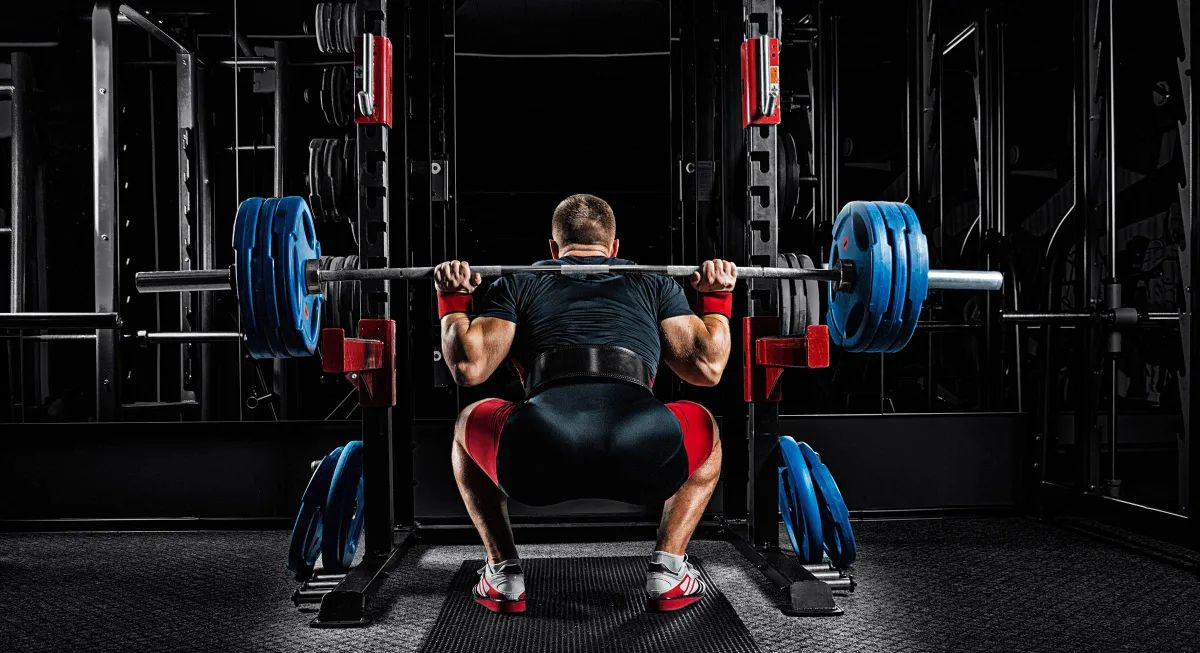
Quick Answer
What is strength training? It is any movement against external or bodyweight resistance. You perform these exercises to challenge your muscles and nervous system.
Consistent effort forces your body to adapt and grow stronger. Most people aim for two to three sessions per week. It improves bone density, metabolic health, and daily functional ability.
Why Strength Training Is Essential for Your Long-Term Health
Strength training serves as a primary tool for longevity and independence. Beyond the aesthetic changes that many expect, the internal shifts are far more significant for your long-term health. Your muscles function as an endocrine organ, releasing compounds that support brain health and metabolic regulation.
When you challenge your muscles, you also stress your bones. This signals the body to deposit more minerals into the bone matrix, which is vital for preventing age-related density loss. If you want a reliable gear configuration to start your journey, focus on movements that feel stable and controllable.
According to guidelines from the World Health Organization, adults should engage in muscle-strengthening activities at least two days a week. This frequency is enough to maintain basic functional capacity. It also helps manage body composition by increasing your resting metabolic rate.
The Physiological Reality: How Muscles Actually Adapt
Muscles adapt to stress through a process called motor unit recruitment. When you lift a load that is challenging for your current state, your nervous system learns to fire more muscle fibers simultaneously. This is the primary driver of strength gains in the first few weeks of any new routine.
Once your nervous system becomes efficient, the muscle fibers themselves begin to thicken. This process, known as hypertrophy, requires adequate protein intake and sufficient recovery time. If you’re looking for optimal muscle-growth gear, choose items that allow for a full range of motion.
It is important to remember that muscle growth is a slow process. You won't see massive changes overnight, but consistent training ensures steady progress. Your body essentially views strength training as a signal that it needs to be more resilient for the next encounter with heavy resistance.
Moving Beyond the Basics: Understanding Resistance and Progressive Overload
Progressive overload is the most important concept in all of strength training. It means you must gradually increase the difficulty of your workouts over time to keep seeing results. Without this, your body has no reason to adapt further once it reaches a baseline level of fitness.

You can achieve overload by increasing the weight, adding more repetitions, or reducing your rest time between sets. Using versatile training tools makes it easier to track these small changes. If you track your lifts in a simple logbook, you'll see your progress clearly over weeks and months.
| Method | Application | Impact |
|---|---|---|
| Load Increase | Add more weight | Boosts pure strength |
| Volume Increase | Add more sets/reps | Enhances work capacity |
| Tempo Shift | Slow down movement | Increases muscle tension |
If you feel stuck, try shifting your focus to the quality of your movement. Improving your technical foundation for olympic lifting can often unlock new strength potential without needing to add extra weight.
Safe Practice: Mastering Form and Preventing Common Injuries
Safety starts with understanding how to stabilize your joints. A neutral spine is the cornerstone of almost every effective lift, meaning your back should maintain its natural curves rather than rounding or arching excessively. Always prioritize learning the movement patterns before you move to heavy weights.
If you have limited workout space, ensure your environment is clear of obstacles before you start. Many injuries occur because people trip or lose balance while focusing on the weight rather than their surroundings. Good form reduces the stress on ligaments and tendons.
Always listen for sharp, shooting pain. This is different from the dull, aching "burn" you feel in your muscles during a hard set. If you experience sharp pain, stop immediately, reset your position, and try again with less resistance.
The Practical Toolkit: Choosing Your Equipment and Training Method
You do not need a commercial gym to see significant results. Many people start with a simple starter barbell system and find they never need more than that. The best tool is one that you can use safely and consistently within your home or local environment.
When selecting your gear, think about your primary goals. If you want to focus on serious powerlifting development, look for equipment with high weight ratings and sturdy construction. If you are on a budget, affordable weight options often offer the same utility for basic strength movements.
- Bodyweight: Ideal for beginners and mastering mechanics.
- Dumbbells: Excellent for fixing muscular imbalances between sides.
- Barbells: Best for moving heavy, multi-joint loads.
- Kettlebells: Useful for dynamic, full-body movements.
Consistency beats intensity every single time. A moderate workout performed three times a week is far superior to a "perfect" one-hour session that leaves you too sore to move for five days. Pick equipment that fits your lifestyle, not the other way around.
Optimizing Your Recovery and Long-Term Results
Recovery is where the actual muscle building happens. Your workout provides the stimulus, but your downtime provides the opportunity for your body to repair damaged fibers and increase their cross-sectional area. Without enough sleep and nutrition, you essentially waste your effort in the gym.
Aim for seven to nine hours of quality sleep each night. This is when your body releases the bulk of its growth hormones, which are essential for tissue repair. If you are struggling with finding a routine that balances effort, remember that your recovery capacity dictates how much volume you can handle.
Nutrition also plays a massive role in your progress. You need adequate protein to provide the amino acids required for repair, alongside a balance of carbohydrates to fuel your next training session. Stay hydrated throughout the day, as even mild dehydration can significantly decrease your performance and recovery speed.
Consider scheduling a "deload week" every four to six weeks. This involves intentionally reducing your training intensity and volume for a few days to let your nervous system catch up. It prevents burnout and often leads to a new performance peak when you return to your regular intensity.
If you find yourself plateauing, don't just add more weight. Look at your sleep quality, your stress levels, and your overall caloric intake. Small adjustments in these lifestyle factors are often more effective than simply pushing harder during your sets.
Frequently Asked Questions About Starting Your Journey
How many days per week should I train?
Most beginners see excellent results with two to three full-body sessions per week. This leaves plenty of room for rest between workouts. If you prefer to train more often, you can split your routine into specific muscle groups.
However, for longevity and general health, three days of total-body work remains the gold standard.
Should I lift until failure on every set?
Lifting to absolute failure is rarely necessary and can increase your injury risk. Instead, aim for "repetitions in reserve." This means you should stop when you feel you could only perform one or two more clean reps. This approach allows you to challenge your muscles while maintaining perfect form.
How do I know if my weight is too heavy?
Your weight is too heavy if your form breaks down during the set. If you cannot complete a repetition without swinging, arching your back, or using momentum, you have lost control. Reduce the weight until you can perform every rep with a smooth, controlled tempo.
Quality movement always dictates your success.
Can I strength train if I have joint pain?
Strength training can actually help joint pain when performed correctly, but you must start conservatively. Focus on low-impact, controlled movements that strengthen the muscles surrounding the joint. If you experience sharp pain, stop the exercise and consult a professional.
Always work within a pain-free range of motion.
How long does it take to see results?
You will likely notice strength gains within four to eight weeks, thanks to nervous system adaptations. Visible muscle changes usually take three to six months of consistent effort. Everyone responds differently based on genetics and nutrition.
Stay focused on your long-term consistency rather than looking for immediate transformation in the mirror.

