
Knowing how to recover after cardio is the primary difference between hitting your goals and hitting a wall. You aren't just resting; you are giving your biological systems the time they need to repair muscle fibers and replenish energy. As of 2026, exercise physiology research confirms that proper recovery is just as critical as the workout itself for long-term health.
Following a standardized approach helps you manage systemic stress, improve performance, and stay consistent with your top-rated brewers or other movement routines.

Today's Exclusive Deals
Limited-time Exclusive Deals. Check current discount on Amazon.
Check Price on Amazon As an Amazon Associate I earn from qualifying purchases.Quick Answer
Proper recovery requires active cooling and targeted nutrition. Aim to lower your heart rate gradually after exercise. Replenish your glycogen stores within one hour.
Prioritize seven to nine hours of quality sleep daily. Monitor your resting heart rate to track systemic fatigue. Avoid high-intensity training if your soreness is excessive.
Why Recovery is the Hidden Half of Your Cardio Training
Recovery is the period where your body actually adapts to the stress you placed on it during your session. Without this phase, your muscles remain in a state of breakdown rather than building back stronger. When you exert yourself, you create microscopic tears in your tissue and deplete the fuel stored in your cells.
Think of your workout as the stimulus and recovery as the adaptation. You won’t see progress if you only focus on the stimulus part of the equation. This holds true whether you are using a sturdy, high-capacity machine or simply running outdoors.
Consistent recovery helps lower the risk of overuse injuries and hormonal imbalances. If you want to maintain a high level of performance, you must treat your rest days with the same level of discipline as your hard training days.
The Biology of Post-Exercise Repair
Your body operates on a cycle of energy depletion and replenishment. During cardio, you primarily rely on glycogen, which is the stored form of glucose in your muscles. Once that supply drops, your body needs time to restock it through dietary intake.
The National Institutes of Health emphasizes that adequate nutrition and rest are required to restore physiological function after physical stress. This process involves protein synthesis to repair torn muscle fibers. It also involves nervous system regulation to shift you from a sympathetic state, which is your fight-or-flight mode, to a parasympathetic state, which is your rest-and-digest mode.
| Phase | Purpose | Biological Focus |
|---|---|---|
| Immediate | System stabilization | Blood flow and cooling |
| Short-term | Nutrient replenishment | Glycogen and protein intake |
| Long-term | Tissue adaptation | Sleep and nervous system repair |
The Immediate Post-Cardio Workflow: Cooling Down and Refueling
You should never stop moving abruptly after a vigorous session. Sudden cessation can cause blood to pool in your lower extremities, which might lead to lightheadedness or dizziness. Instead, spend five to ten minutes moving at a significantly reduced intensity.

Image source: Web (Bing) / storage.googleapis.com (Web image (fair-use with source credit))
After your cool-down, focus on the 60-minute nutrient window to maximize absorption. Aim for a combination of carbohydrates and protein to kick-start the recovery process. This simple intake helps move you toward routine upkeep by stabilizing your blood sugar levels.
- Hydrate with water and electrolytes to replace fluids lost through sweat.
- Consume a small snack like Greek yogurt with berries or a protein-rich shake.
- Avoid highly processed, heavy meals immediately, as they may slow down digestion.
Balancing Your Nervous System: Thermal Therapy and Rest Protocols
Your central nervous system often feels the strain of intense cardio just as much as your muscles do. If you notice your heart rate remains elevated for hours, your nervous system is likely struggling to down-regulate. Thermal therapy can provide a quick, effective way to help your body shift gears.
If you are dealing with significant inflammation or joint pain, a cold shower or ice bath for ten minutes can help constrict blood vessels. This technique is often used to manage swelling and soreness after high-impact sessions. Conversely, if you feel stiff and tight, a warm bath can promote vasodilation and increased blood flow to the affected areas.
Consider your schedule and incorporate these shifts as needed to stay consistent. If you find your current routine feels taxing, it might be time to look into a reliable machine that allows for easier, low-impact recovery days. Always listen to your body, as thermal therapy is a tool, not a mandatory requirement for every session.
Common Recovery Mistakes That Stunt Your Progress
Many people accidentally sabotage their results by skipping recovery protocols because they feel "fine" in the moment. The most common error is failing to differentiate between light active recovery and another hard workout. If your "active recovery" day leaves you breathless, you have actually added more stress instead of facilitating repair.
Another major mistake is neglecting hydration until you feel thirsty. By the time you notice thirst, your physiological performance is already impaired. You should track your fluid intake consistently, especially if you live in a warm climate or train at high altitudes.
- Over-stretching cold, tight muscles can lead to small tears rather than improved flexibility.
- Ignoring small aches often leads to larger, chronic injuries over time.
- Skipping sleep causes a spike in cortisol, which actively breaks down muscle tissue.
If you struggle with a clogged intake of nutrients or lack a structured plan, you will likely plateau. Avoid these pitfalls by staying consistent with your sleep schedule and keeping your intensity in check. Proper recovery is just as much about what you don't do as what you do.
How to Monitor Your Body for Overtraining
You should track your morning heart rate to identify systemic fatigue before you start your next session. A sustained increase of 5 to 10 beats per minute above your typical resting baseline often indicates that your nervous system has not fully recovered.
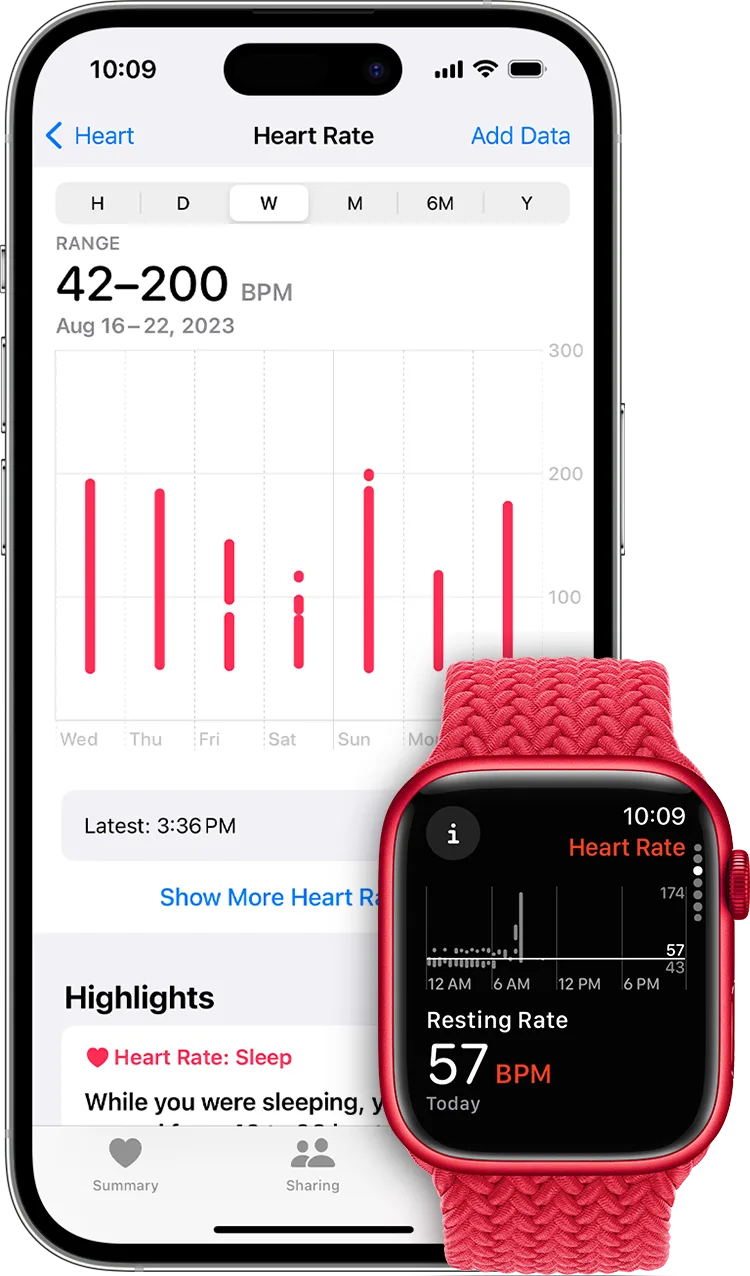
Image source: Web (Bing) / support.apple.com (Web image (fair-use with source credit))
Beyond pulse rates, keep a simple log of your subjective effort levels. If a workout that usually feels moderate now feels like a struggle, your body is likely signaling a need for an extra rest day. Tracking these metrics helps you adjust routine upkeep of your training load before you hit total burnout.
- Pay attention to persistent muscle soreness that lasts more than 48 hours.
- Monitor your mood and quality of sleep, as both often dip during overtraining.
- Use these markers to inform your choice of top-rated brewers for the day, opting for recovery instead of intensity.
If you find that your performance is consistently declining despite your best efforts, consult with a professional. Overtraining syndrome is a serious condition that may require a complete reset of your activity levels.
Frequently Asked Questions
Should I stretch immediately after cardio?
Skip deep static stretches for the first ten minutes. Your muscles are fatigued and prone to strain immediately after high-intensity work. Focus on light, dynamic movement to keep blood flowing.
Perform your deep, static work later in the day when your body is fully cooled.
How much water do I need to drink?
You should replace lost fluids as soon as you stop moving. A good rule is to weigh yourself before and after a session. Drink roughly 16 to 24 ounces of water for every pound of body weight lost through sweat.
Electrolytes are also important if you have been sweating heavily for more than an hour.
Is it okay to take a complete rest day?
You absolutely should take a full day off when your body demands it. Rest days are when your tissues actually repair and strengthen. If you are feeling constant fatigue, muscle soreness, or lack of motivation, a day of total inactivity is often the most productive thing you can do for your progress.
Does cold water immersion actually help?
Cold exposure can help manage acute inflammation and swelling. It is most effective shortly after a high-impact or very intense session. Avoid prolonged cold exposure if your goal is muscle hypertrophy, as some research suggests it may blunt the adaptive response.
Stick to short bursts of ten minutes or less.
Expert Verdict: Building a Sustainable Recovery Habit
Recovery is not an optional add-on to your training. It is the fundamental process that dictates how much progress you see from your hard work. By treating your cool-down, nutrition, and sleep as non-negotiable pillars, you build a foundation that supports your goals for years.
Most athletes find that consistency is better than intensity. You will see far more growth by training steadily for months than by training at 100% capacity for a few weeks before burning out. Use the tools we've discussed to listen to your body, manage your systemic load, and ensure that your next session is even better than the last.
Whether you are using a reliable machine or heading out for a trail run, the principles remain the same. Respect the process of adaptation. Give your body the time it needs to rebuild, and you will stay ahead of the curve.
Consistency in your recovery is the ultimate competitive advantage.

