
Knowing how to calculate target heart rate for cardio is the smartest way to ensure you're training effectively without overdoing it. By keeping your exertion within specific zones, you can tailor every session to your exact fitness goals.
As of 2026, exercise physiology research consistently demonstrates that training based on individual heart rate data helps avoid burnout. Understanding these metrics allows you to adjust your intensity on machines like a compact cardio unit or when using a silent walking device at home.

Today's Exclusive Deals
Limited-time Exclusive Deals. Check current discount on Amazon.
Check Price on Amazon As an Amazon Associate I earn from qualifying purchases.Quick Answer
Target heart rate is a specific beats-per-minute range for training. Calculate it using your age to find your estimated maximum heart rate. Multiply that maximum by 0.5 to 0.85 for your zones.
This helps you track intensity during any aerobic workout. Adjust the range based on your current physical fitness level.
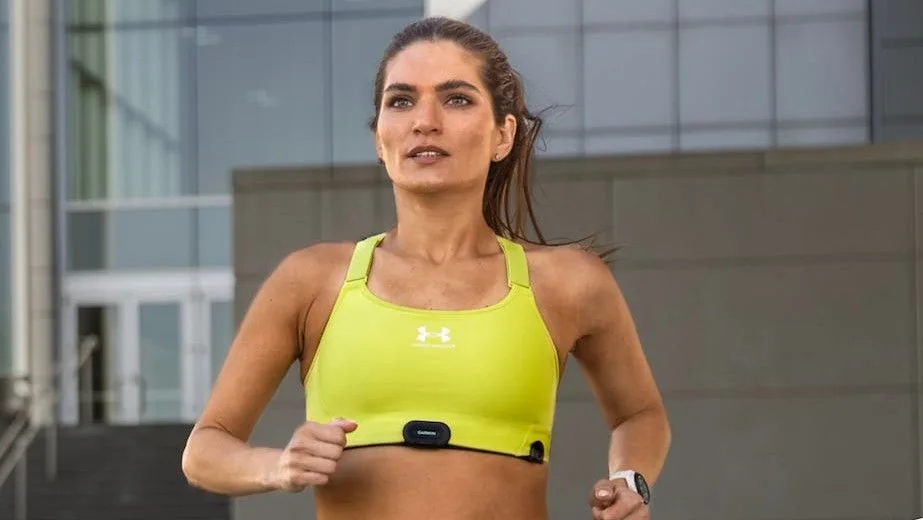
Why Your Heart Rate Is the Best Gauge for Progress
Your heart rate provides an objective look at how hard your cardiovascular system is working during exercise. While feelings of fatigue can be subjective, your pulse tells the real story. When you monitor this metric, you can track performance gains over time with actual data.
If you are using a durable trainer for heavier users, heart rate feedback ensures you stay in the right zone to build stamina. It prevents you from spending an entire workout in a zone that doesn't align with your goals. Using a high-quality machine for your daily routine makes tracking this data simple and consistent.
You can observe your progress by watching how quickly your heart rate returns to a resting state after activity. A faster recovery time is a strong indicator of improved cardiorespiratory health. Relying on this data removes the guesswork from your frequent cardio sessions.
The Science of Intensity: Understanding Your Zones
Exercise intensity is typically broken down into five distinct zones based on percentages of your maximum heart rate. Each zone places a different demand on your body and yields unique physiological adaptations. Moving between these zones allows you to target everything from fat oxidation to peak power output.
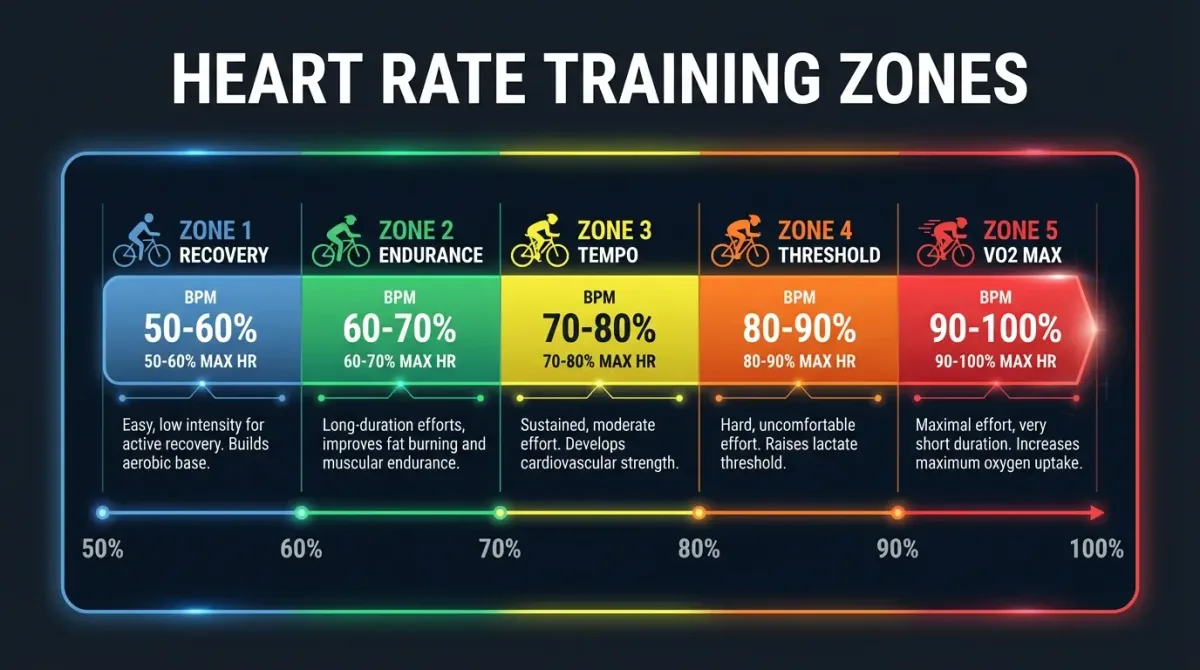
Zone 2 is where most endurance building occurs. In this range, your body becomes highly efficient at using fat as a primary fuel source. If you’re walking for consistent health benefits, you'll likely spend most of your time here.
Higher zones, such as Zone 4 and Zone 5, demand much more from your system. These are best used for short intervals to improve speed. Using a flexible treadmill for incline training is an excellent way to safely reach these higher heart rate ranges without needing to run at full sprint speeds.
Calculating Your Numbers: From Formulas to Personalization
The most common starting point for finding your maximum heart rate is subtracting your age from 220. While this estimate is a useful baseline, it doesn't account for your specific physiology. For a more personalized number, many experts suggest the American Heart Association guidelines which factor in your resting heart rate.
| Metric | Purpose |
|---|---|
| Max HR | The theoretical top limit of your heart rate. |
| Resting HR | Your pulse when fully at rest. |
| HR Reserve | The difference between your max and resting heart rate. |
The Karvonen formula is often considered more precise than the basic 220-age method. It uses your heart rate reserve to calculate your training zones based on your specific aerobic baseline. This formula accounts for your current fitness level by incorporating your resting pulse into the math.
Balancing Math with Real-World Metrics like RPE
Math is only part of the equation because external factors change how your heart responds to exercise. Things like high temperature, humidity, or high altitude will naturally push your heart rate higher at the same physical pace. Relying solely on numbers can lead to overtraining if you ignore these environmental cues.
Rate of Perceived Exertion (RPE) is your subjective measure of how hard you are working. If your watch shows you are in the correct heart rate zone, but you feel like you are at a 9 out of 10, trust your body first. RPE provides a crucial reality check against your digital readouts.
If you are adjusting to a new walking pad or setting up a foldable treadmill, use the talk test alongside your monitor. You should be able to hold a conversation in Zone 2, but not in Zone 4. This simple check ensures you are truly hitting your intended intensity.
Navigating Risk Factors and Safety Precautions
Always consult with a healthcare professional before beginning a rigorous exercise regimen, especially if you have a history of cardiovascular concerns. Per National Institutes of Health guidance, individuals with pre-existing conditions or those taking specific medications may require a medically supervised stress test to determine safe heart rate limits. Never attempt to push into maximum intensity zones without clinical clearance.
If you are using a device to track your vitals, ensure it is calibrated according to the manufacturer's manual. Medical-grade equipment is the only accurate way to monitor heart rate for individuals with diagnosed arrhythmias or heart conditions. Consumer-grade wearables provide useful trends, but they are not diagnostic tools and should never replace professional medical advice.
Respect your body's recovery periods and listen for physical cues that signal distress. If you experience lightheadedness, nausea, or localized pain while exercising, stop immediately and rest in a seated position. Over-reliance on electronic heart rate targets can lead to dangerous situations if you ignore these physiological warning signs.
Your safety is the primary metric for any training program.
Common Pitfalls in Cardio Intensity Management
The most frequent mistake beginners make is training too hard, too often. Many people assume that if they aren't gasping for air, they aren't working hard enough to see results. In reality, constant high-intensity training prevents proper recovery and leads to burnout.
You should reserve your highest effort for intentional, short-duration sessions.
Ignoring your resting heart rate over time is another missed opportunity. As your fitness improves, your resting rate should gradually drop, reflecting a more efficient heart. If you notice your resting pulse rising, or if you feel exceptionally tired before your workout even begins, you are likely overtrained.
Take a recovery day to allow your systems to reset properly.
Finally, relying on inaccurate equipment ruins your data accuracy. Optical wrist sensors can struggle during high-intensity intervals or if the device is worn too loosely. If you find your readings are erratic, ensure the band is snug and sits slightly above your wrist bone.
For the highest level of precision, many athletes prefer chest-strap monitors that provide a direct electrical reading of heart activity.
Frequently Asked Questions About Target Heart Rate
Is the 220 minus age formula accurate for everyone?
It is a population average rather than a precise medical standard. It works well as a general starting point, but it ignores significant individual differences in health, genetics, and fitness. Use it to establish a baseline, but remain flexible as you learn how your specific body responds to different exercise intensities.
How often should I check my heart rate during a workout?
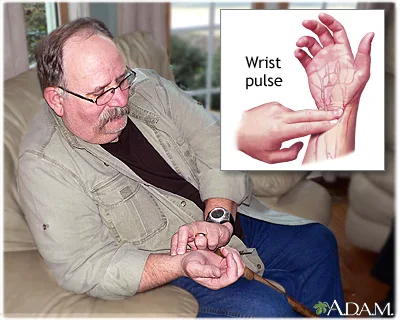
Check it periodically to ensure you are staying within your desired training zone. If you have an automated device, look at it every few minutes to confirm you haven't drifted too far up or down. If you are training without a monitor, stop briefly to check your pulse manually every fifteen minutes.
What should I do if my heart rate stays too high during exercise?
Slow your pace until your heart rate drops back into your target range. If it remains high even after stopping for a full minute, your intensity level was likely too high for your current conditioning. Focus on building endurance at lower intensities before attempting longer or harder cardio sessions.
Can I train in multiple zones during one workout?
Yes, this is common in interval training and provides excellent cardiovascular benefits. You might spend time in Zone 2 for base building before performing short bursts in Zone 4 for speed. Always ensure your transition between these zones is controlled and that you allow for adequate recovery time between harder intervals.
Why does my heart rate fluctuate so much at the same speed?
External variables like heat, dehydration, and poor sleep significantly impact your heart rate. Your heart must work harder to cool the body in hot environments or compensate for fatigue. When your heart rate feels elevated at an easy pace, listen to your body and focus on finishing the session comfortably.
Final Recommendation for Cardio Heart Rate Success
Start by establishing your baseline resting heart rate and using the age-based formula to find your target zones. Treat these zones as flexible ranges rather than absolute fixed points. If you are just beginning your fitness journey, focus on consistency in Zone 2 to build a strong cardiovascular foundation.
Gradually introduce intensity over several weeks as your stamina improves.
Invest in a reliable heart rate monitor if you want consistent, actionable data. Optical sensors on wrists are convenient for casual tracking, but a chest strap is the gold standard for accuracy during intense interval work. Pairing this data with your subjective RPE ensures you remain in the "sweet spot" for your personal fitness goals.
Adjust your training plan based on real-world feedback rather than just the numbers on a display. If external stressors like heat or lack of sleep make a standard workout feel like a struggle, honor that reality by scaling back. Fitness is a long-term pursuit.
By tracking your progress and training within safe limits, you'll maximize your results while minimizing the risk of injury.

