
Building endurance feels like an impossible task when you first start, but you can learn how to increase cardiovascular endurance through a strategic, steady approach. Your heart is a muscle, and like any other muscle, it thrives on consistent, progressive demand.
As of 2026, health guidelines from the National Institutes of Health emphasize that regular aerobic activity strengthens your heart, lungs, and blood vessels. By focusing on your aerobic base, you’ll find that activities which used to leave you breathless suddenly feel manageable.

Today's Exclusive Deals
Limited-time Exclusive Deals. Check current discount on Amazon.
Check Price on Amazon As an Amazon Associate I earn from qualifying purchases.
Quick Answer
You increase cardiovascular endurance through consistent, low-intensity aerobic training. Aim for steady sessions where you can still hold a conversation. Follow this with short, infrequent bouts of higher intensity effort.
Always prioritize gradual increases in weekly exercise duration. Avoid sudden jumps in intensity to prevent injury or overtraining.
Why Cardiovascular Endurance Isn't Just "Getting Tired"
Many people confuse being tired with being fit. Endurance isn't about pushing until you collapse, but about improving your body’s ability to transport and utilize oxygen over time. When your cardiovascular system is efficient, your heart pumps more blood per beat.
This is known as stroke volume.
Increased stroke volume means your heart doesn't have to work as hard during daily life. Your muscles also become better at pulling oxygen out of the bloodstream. This physiological change allows you to perform work for longer periods without hitting a wall.
You aren't just teaching your lungs to breathe better. You are physically changing how your body fuels its own movement.
If you are just starting, consider using top-rated brewers or a solid machine to keep your training consistent regardless of weather. A base of movement is the goal, not instant speed. You are building a system that can handle stress, not just burning calories for an hour.
The Science of Aerobic Efficiency: How Your Heart and Lungs Adapt
Your body has two main energy systems: aerobic and anaerobic. Aerobic endurance relies on oxygen to fuel movement, which is the system you use for walking, jogging, or cycling. Anaerobic systems kick in during short, explosive bursts, like sprinting.
To build endurance, we focus almost entirely on the aerobic side.
When you train aerobically, your body builds more capillaries around your muscles. These tiny vessels deliver oxygenated blood exactly where it is needed. Your mitochondria, the power plants inside your cells, also multiply and become more efficient at burning fat for fuel.
This means you stop relying as much on quick-burning sugar stores.
You’ll notice that after a few weeks, your resting heart rate drops. This is a direct measurement of your improved cardiac efficiency. If you find your equipment is loud or distracting, look for silent picks to help you focus on your breathing rhythm.
Your body is undergoing a structural upgrade, provided you give it enough time to recover between sessions.
The 80/20 Rule: Balancing Intensity for Sustainable Gains
The 80/20 rule is the gold standard for endurance athletes. It dictates that 80% of your training should be low-intensity and 20% should be high-intensity. Many beginners do the opposite, going too hard every single day.
This leads to burnout and injury rather than progress.
Low-intensity work builds your foundation. High-intensity work, like interval training, forces your heart to pump at near-maximum capacity. You need both to become truly fit.
If you are struggling with form, reading through expert reviews and buying guide content might help you identify a tool that fits your stride.
| Intensity Level | Effort Description | Typical Goal |
|---|---|---|
| Low (Zone 2) | Conversational pace | Build aerobic base |
| Moderate | Heavy breathing | Increase stamina |
| High | Cannot speak | Boost VO2 max |
When you practice high-intensity sessions, keep them short. A few minutes of intervals are enough to stimulate your system. If you want to check your progress over time, using a reliable machine can help you track your speed and heart rate metrics consistently.
Step-by-Step: Designing Your Personal Endurance Progression
Progression needs to be incremental. Don't increase your duration by more than 10% per week. If you ran 30 minutes last week, do 33 minutes this week.
This slow approach gives your tendons and ligaments time to catch up with your heart’s capabilities.
First, establish a consistent schedule of 3 to 4 days per week. Use your low-intensity sessions to find a rhythm. Focus on posture and breathing instead of speed.
If you are a taller individual, finding top picks for tall people can keep your stride natural and reduce joint strain during long sessions.
Finally, integrate recovery into your workflow. Your muscles don't grow while you exercise. They grow while you sleep and rest between workouts.
If you skip recovery, you'll reach a plateau. Remember that routine upkeep of your training tools ensures you have one less excuse to skip a session.
Avoiding Common Pitfalls: Injury, Overtraining, and Plateaus
The biggest mistake is inconsistency. Skipping two weeks of training often undoes your aerobic gains. If you hit a wall, don't increase intensity.
Instead, go back to shorter, lower-intensity sessions to build your confidence again.
Shin splints and joint pain are common warning signs. If you experience them, stop running immediately and switch to a low-impact option like cycling or walking on an incline. Many users find that a reliable machine provides enough cushioning to keep them moving safely.
Listen to your body. If your resting heart rate is higher than usual in the morning, you are likely overtrained. Take an extra rest day.
It isn't a failure, it’s a necessary part of the engine servicing your body requires. Proper rest prevents long-term injury and keeps you on the path to improved health.
Essential Safety Checks and Monitoring Your Metrics
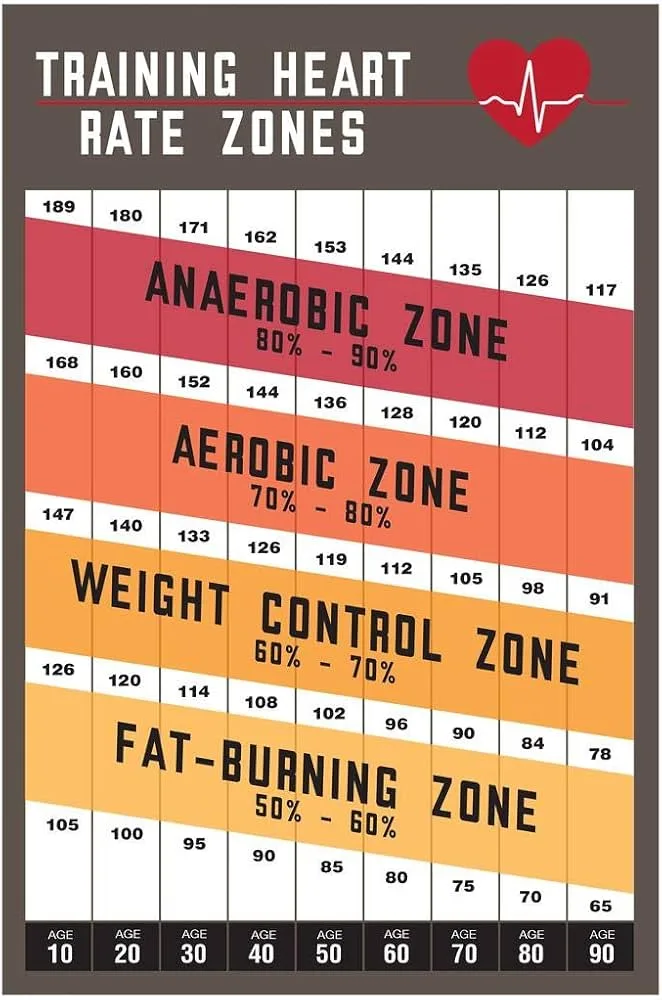
You should start by calculating your estimated maximum heart rate to establish a safe training range. A common, simple method is to subtract your age from 220, though individual variation is normal. If you are ever unsure about your physical readiness, consult with a qualified healthcare provider before beginning a new regimen.
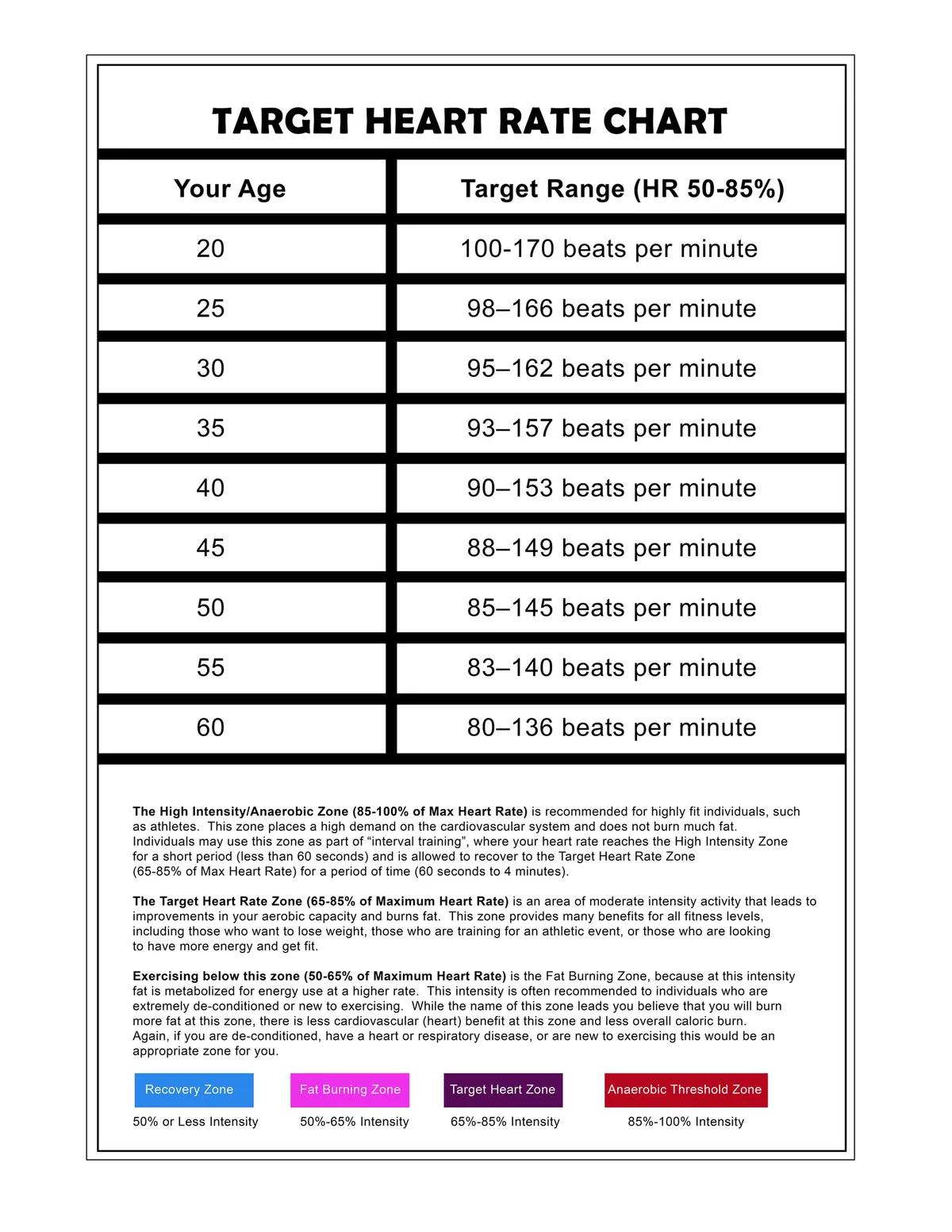
Monitoring your effort allows you to stay within effective zones without risking overexertion. A heart rate monitor or even a fitness watch provides immediate feedback during your sessions. If you cannot maintain a conversation while exercising, you are likely working above your aerobic threshold.
When you track these metrics, you’ll notice patterns in how quickly your heart rate returns to normal after exertion. This recovery speed is a key indicator of your improving fitness level. If your heart rate stays elevated long after you stop, you may need to reduce your intensity.
Safety standards from the American College of Sports Medicine emphasize that consistency is the primary driver of cardiovascular improvement.
Frequently Asked Questions About Building Endurance
How long does it take to see improvements?
Most individuals notice improvements in breathing and recovery after about four weeks of consistent, moderate training. Lasting physiological changes, such as a lower resting heart rate, typically require eight to twelve weeks of dedicated effort. Patience is essential, as the body requires time to adapt its internal systems.
Can I train every single day?
You should incorporate rest days to allow for tissue repair and hormonal balance. Overtraining often results in decreased performance, fatigue, and a higher risk of injury. Aim for four or five days of activity per week to start, focusing on quality over volume.
Is walking enough to build endurance?
Walking is an excellent way to build an aerobic base if you are just starting or recovering from an injury. To increase the demand, you can increase your pace, find routes with hills, or wear a weighted vest. As you get fitter, you may find that incorporating intervals or transitions into light jogging improves your results.
What should I do if I feel dizzy during a workout?
Stop your activity immediately and sit down in a safe, shaded area. Dizziness may indicate dehydration, low blood sugar, or overexertion, and you should not attempt to "push through" the feeling. If the sensation persists, seek medical advice, as your health is the highest priority throughout this process.
Does heart rate monitoring matter for beginners?
Heart rate monitoring is a helpful tool, but it is not strictly required to achieve better endurance. Learning to listen to your body’s signals, such as your breathing rate, is a vital skill. If you choose to use technology, treat the numbers as guidance rather than rigid rules that dictate your every move.

