Choosing between HIIT vs steady state cardio often feels like picking between two different languages when both aim to help you get into shape. HIIT stands for High-Intensity Interval Training, which uses short bursts of max effort followed by recovery. Steady-state cardio involves keeping a constant, moderate pace for a longer duration.
As of 2026, research from the American College of Sports Medicine highlights that both methods improve cardiorespiratory health but place different demands on your metabolism. Selecting the right approach depends on your current fitness level, time availability, and long-term wellness goals.
Today's Exclusive Deals
Limited-time Exclusive Deals. Check current discount on Amazon.
Check Price on Amazon As an Amazon Associate I earn from qualifying purchases.
Quick Answer
HIIT uses short, intense bursts to improve speed and power. Steady-state cardio maintains a constant pace for heart and endurance health. HIIT saves time.
Steady-state cardio aids easier daily recovery. Most people benefit from combining both methods.
Why the HIIT vs. Steady-State Debate Matters for Your Results
The confusion between these two methods usually stems from marketing hype that suggests one is a magic bullet for fat loss. In reality, both are effective tools that serve distinct physiological functions. If you choose a method that doesn't match your current recovery capacity, you risk hitting a plateau or sustaining an injury.
Understanding how your body handles stress is the key to progress. HIIT is an anaerobic activity, meaning it relies on short-term energy stores. Steady-state cardio is aerobic, utilizing oxygen to sustain movement over longer periods.
When you look for top-rated brewers or workout equipment, consider how your chosen tool supports your intensity needs.
Using the wrong method for your specific goal can lead to burnout. If you are training for endurance, focusing only on HIIT will leave you lacking the aerobic base needed for distance. Conversely, relying solely on steady-state will not help you develop the explosive power required for sports.
Core Differences: How Your Body Responds to Intensity vs. Volume
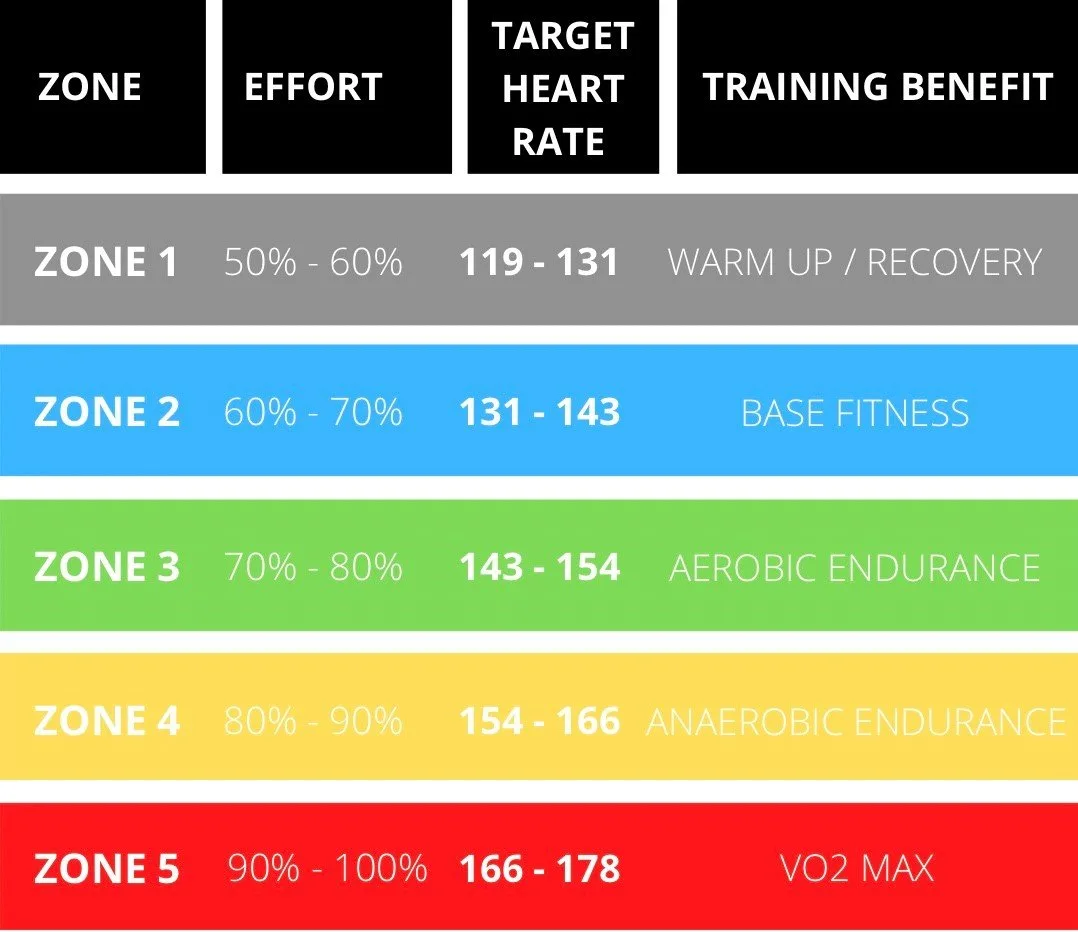
HIIT pushes your heart rate into the 85 to 95 percent range of your maximum capacity during work intervals. This spike forces your body to adapt quickly to high stress. It’s an efficient way to improve your VO2 max, which is the measure of how much oxygen your body can utilize during exercise.
Steady-state cardio typically keeps your heart rate in a lower zone, often referred to as Zone 2. This intensity is low enough that you can breathe through your nose and carry a conversation. It builds the foundation of your heart health, similar to how routine upkeep ensures a machine runs smoothly over years of use.
While HIIT acts like a quick charge for your battery, steady-state acts like an expansion of the battery capacity. You need both to maximize your physical potential. When picking equipment like a reliable machine, check if the console allows you to track your heart rate accurately.
Benefits and Drawbacks: Balancing Metabolic Kick and Heart Health
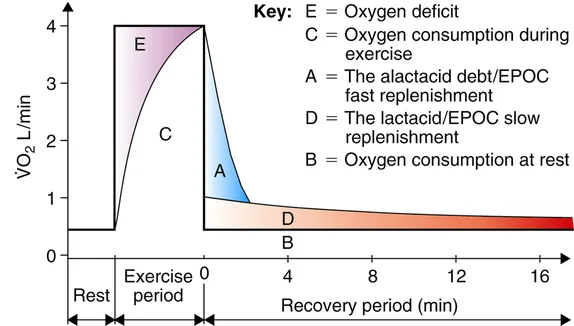
HIIT provides the benefit of the afterburn effect, known as EPOC. This means your body continues to expend extra energy after you finish your session. However, this intensity puts significant strain on your joints and central nervous system.
You cannot perform HIIT every day without inviting fatigue.
Steady-state cardio offers a much higher degree of sustainability. Because the impact is usually lower, you can perform it more frequently to improve your metabolic health. Expert solutions for recovery often include low-impact movement like walking to flush out toxins.
- HIIT Pros: Highly time-efficient, improves peak power.
- HIIT Cons: Requires long recovery, high injury risk.
- Steady-State Pros: Improves endurance, easy on joints.
- Steady-State Cons: Requires large time commitment.
Which Method Fits Your Current Fitness Goals?
If you are short on time, HIIT is your most efficient option. A 20-minute HIIT session can be as effective as 45 minutes of moderate running. If you are a beginner, however, it is better to prioritize steady-state to build your aerobic base.
Athletes looking to gain speed should use HIIT. If you are focused on longevity or preparing for a marathon, steady-state should make up the bulk of your programming. When you need to assess your progress, the correct fluid level of effort can be measured by your ability to recover between sessions.
Always match your choice to your current energy levels. If you have had a stressful week, a gentle steady-state walk is better than a high-stress interval session. Overtraining is a real risk for those who try to maintain maximum intensity every single day.
Common Mistakes That Lead to Burnout and Injury
The most common mistake is performing HIIT too often. Many people believe that if a little is good, more must be better. Your body needs at least 48 hours to recover from a truly intense HIIT session.
Treating every workout like a competition often leads to inflammation and reduced performance.
Another frequent error is ignoring warm-up protocols. High-intensity work requires your muscles to be fully primed to avoid strains. If you are interested in our favourite picks for home gyms, make sure you choose one that offers a gradual incline or speed adjustment to facilitate a proper transition.
- Doing HIIT daily: This will quickly degrade your central nervous system performance.
- Skipping base work: Without a steady-state foundation, your HIIT sessions will plateau.
- Ignoring RPE: If you aren't tracking your perceived exertion, you may be working too hard or not hard enough.
- Poor form: Fatigue usually causes form to break down during HIIT, which is where most injuries occur.
Safety First: Knowing When to Push and When to Pace
Safety begins with a reality check regarding your own physical readiness. Before you introduce high-intensity intervals, complete a standard screening like the Physical Activity Readiness Questionnaire (PAR-Q). This tool helps identify any hidden risks that might make intense, all-out efforts dangerous for your heart.
If you have pre-existing cardiovascular conditions, you must clear any change in intensity with your physician first. Steady-state exercise is generally considered safer for those starting out, as it puts less acute pressure on your vascular system. It allows your body to build resilience gradually without the shock of sudden spikes in demand.
Listen to your body signals rather than just following a stopwatch. If you experience dizziness, sharp pain, or extreme lightheadedness during an interval, stop immediately and reduce your intensity to a light walk. Overtraining manifests as persistent fatigue, poor sleep, or an elevated resting heart rate when you wake up.
When you notice these signs, shift your routine back to low-intensity recovery days. Even the most seasoned athletes know that progress is only possible when you can actually recover from the work you've put in. Think of your fitness as a long-term project rather than a race to hit a specific metric by tomorrow.
FAQs: Answering Your Burning Fitness Questions
How many times a week should I do HIIT?
Limit your HIIT sessions to one or two days per week to allow for proper recovery. Your body requires significant time to repair muscular and neural fatigue following these intense bursts. If you feel sluggish or your performance drops, add another day of rest or switch to a light, active recovery session.
Can I do steady-state cardio every day?
You can perform steady-state cardio almost daily if the intensity remains low. Because this method minimizes joint impact and central nervous system stress, it functions as a form of active recovery. Just ensure you take occasional full rest days to let your body perform its natural tissue repair processes.
Does HIIT burn more fat than steady-state cardio?
HIIT burns more calories per minute, but steady-state often allows for a longer total duration of work. While HIIT offers a metabolic boost through EPOC, steady-state cardio is easier to maintain for longer stretches, which adds up significantly. Focus on the total volume of work you achieve rather than the caloric burn of a single session.
Which method is better for improving my VO2 max?
Both methods contribute to VO2 max gains, but HIIT is typically more effective at pushing this ceiling higher. By forcing your heart to work at its maximum capacity, you challenge your body to become more efficient at oxygen utilization. Incorporate both, but use HIIT for the specific purpose of increasing your peak aerobic ceiling.
The Verdict: Building a Sustainable Hybrid Routine
The best way to reach your goals is to stop viewing your training as a binary choice. Most effective programs utilize a hybrid model that captures the unique physiological benefits of both approaches. You can build a powerful, resilient body by layering these two modalities throughout your week.
Start by dedicating two days to intensity and three days to volume. Use your HIIT sessions to push your boundaries in short, focused windows of time. Use your steady-state days to build your aerobic base, improve your heart health, and manage your overall stress levels effectively.
Flexibility is the hallmark of a long-term fitness strategy. If you have an incredibly busy week, opt for a quick interval session to keep your momentum going. When you have more time and want to clear your head, choose a longer, steady-state session to lower your cortisol levels.
This balanced approach prevents the burnout often caused by excessive high-intensity work. It also ensures you aren't leaving potential power gains on the table by focusing only on long, slow movement. Listen to how you feel each morning, adjust your intensity to match your recovery, and keep moving consistently.