
Understanding how does HIIT cardio work begins with recognizing that it is essentially a metabolic shortcut. Instead of relying on a steady flow of oxygen to fuel your muscles, you shift into an anaerobic state that forces your body to adapt to rapid changes in intensity.
As of 2026, research from the National Institutes of Health confirms that short bursts of intense activity followed by brief rest improve cardiovascular markers faster than moderate-intensity training. This efficiency is why so many people incorporate high-intensity interval training into their weekly routines.

Today's Exclusive Deals
Limited-time Exclusive Deals. Check current discount on Amazon.
Check Price on Amazon As an Amazon Associate I earn from qualifying purchases.Quick Answer
High-intensity interval training cycles between hard effort and brief rest. This method pushes your heart rate into a high-intensity zone. Your body then switches to burning stored energy sources quickly.
It improves heart health and metabolic rate in less time. You achieve results with shorter, more intense exercise sessions.
The Reality of HIIT: Beyond the Marketing Hype
Many fitness enthusiasts treat HIIT as a magic pill for weight loss, but it is actually a highly specific training tool. If you aren't breathless and struggling to hold a conversation during your work interval, you aren't doing HIIT. You're just doing moderate cardio with inconvenient breaks.
The effectiveness of this method stems from its ability to disrupt your homeostasis. By repeatedly forcing your body to recover from high-output phases, you stimulate adaptations that steady-state cardio simply cannot trigger.

If you’re limited on time, this is an excellent way to maintain your aerobic base. For those who need to fit a session into a busy day, a quiet and compact machine can provide the foundation for these bursts. Just keep in mind that the intensity, not the equipment, drives the physiological change.
Physiological Mechanisms: How Your Body Handles the Stress
When you push your heart rate to 80% of its maximum or higher, your body cannot deliver oxygen to the muscles fast enough. This triggers anaerobic metabolism. Your muscles must rely on stored glycogen to bridge the energy gap.
This rapid fuel consumption results in a buildup of lactate and other metabolic byproducts. During your recovery phase, your body goes into overdrive to clear these byproducts and replenish its oxygen debt. This process, often called EPOC, is why your heart rate remains elevated for a short time after the session concludes.
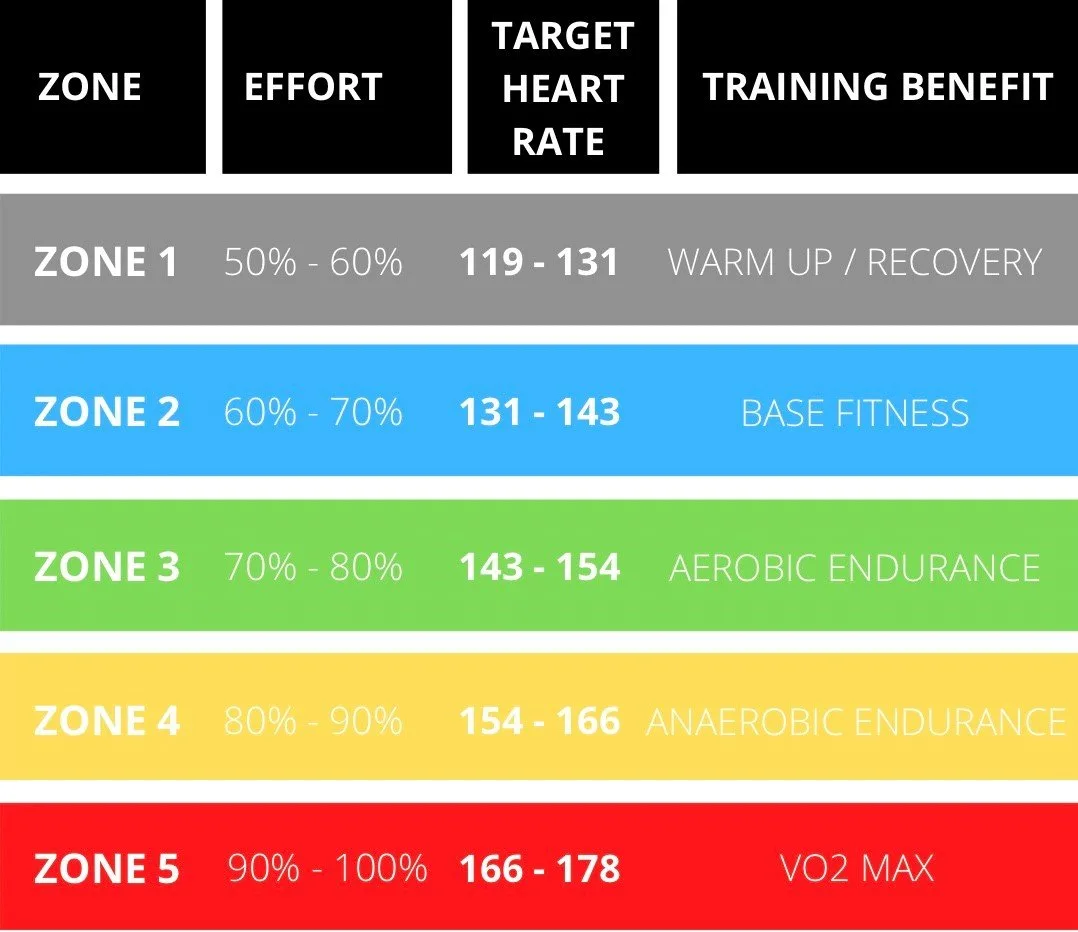
Think of it as training your body to be more resilient to stress. Over time, your cardiovascular system recovers faster between these intervals, which is a primary marker of improved fitness. Whether you use a robust gym-grade unit or a simple outdoor track, the mechanism remains the same.
You are teaching your heart to recover efficiently under pressure.
Balancing Intensity and Safety: Managing the Risk
HIIT is inherently high-stress. The intensity required to trigger anaerobic responses places significant load on your heart, joints, and tendons. If you skip a proper warm-up, you’re inviting an injury before the workout even begins.
Always prioritize your physical baseline before attempting advanced protocols. If you're currently in a recovery phase or dealing with limited joint mobility, look for equipment designed for comfort and safety. You can achieve significant gains without sprinting if you use incline settings strategically.
| Safety Consideration | Action Required |
|---|---|
| Pre-workout | Perform 5-10 minutes of dynamic movement |
| During work phase | Focus on form over pure speed |
| Recovery | Never sit down immediately; keep walking |
| Frequency | Limit sessions to 2 per week initially |
Never ignore warning signs like sharp pain or extreme lightheadedness. HIIT pushes your limits, but it shouldn't push you into a medical emergency. Use a heart rate monitor to ensure you stay in your target zone rather than redlining until you collapse.
Designing Your Protocol: From Work-to-Rest Ratios to Progressions
The secret to success with this method is the work-to-rest ratio. Beginners should aim for a 1:2 or 1:3 ratio, meaning you rest for twice as long as you work. As you get fitter, you can decrease the rest time to push your aerobic capacity even further.
If you are using a versatile folding machine at home, make sure you know how to adjust the speed quickly. You need to transition from a light walk to a sprint almost instantly. Fumbling with buttons during your work interval kills your intensity.
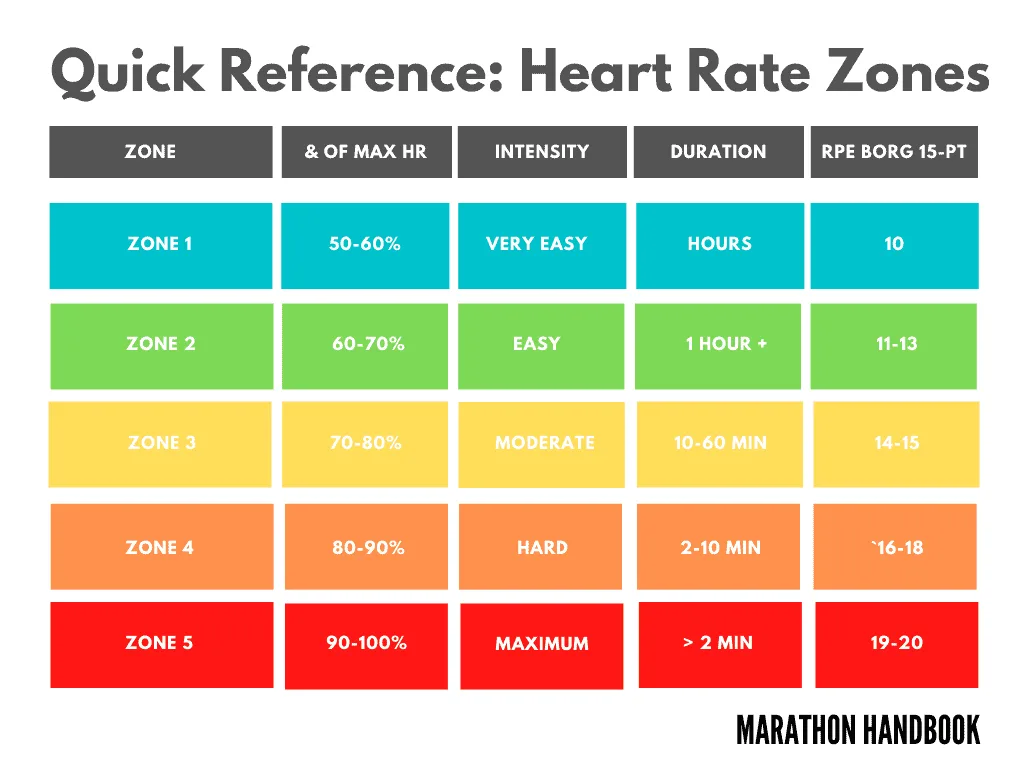
A common progression strategy is to increase the duration of the work interval while keeping the rest constant. For example, start with 30 seconds of work and 60 seconds of rest. Once that feels manageable, move to 45 seconds of work with 60 seconds of rest.
Always keep the intensity high enough to ensure you're actually training in the anaerobic zone.
Essential Mistakes to Avoid for Sustained Results
The most frequent error is neglecting the high-intensity requirement. If you spend the whole 30 minutes in a medium-effort zone, you’ve done a moderate workout, not a HIIT workout. You won't get the same adaptive benefits.
Another major mistake is overtraining. Your central nervous system takes much longer to recover from high-intensity work than your muscles do. Adding HIIT into a schedule that already includes heavy strength training or endurance runs can lead to burnout.
Check the recommended duration for your sessions to ensure you are leaving enough room for your body to repair itself.
- Junk Intensity: Moving at a pace you could maintain for 30 minutes.
- Neglecting Recovery: Skipping active rest periods between intervals.
- Poor Technique: Forgetting your form because you're focused on speed.
- Frequency Overload: Attempting HIIT daily instead of allowing for rest days.
If you’re training in a limited area, keep your environment clear of hazards. When you are operating at peak intensity, your coordination can suffer. You need a safe, uncluttered space to perform your work intervals with total focus.
Comparative Landscape: HIIT vs. Steady-State Cardio
Choosing between high-intensity intervals and steady-state cardio depends entirely on your training goals and recovery capacity. Steady-state cardio, often called LISS, involves maintaining a consistent, moderate heart rate for an extended period. This approach is superior for building base aerobic endurance and allowing your nervous system to recover fully between harder training days.
HIIT focuses on efficiency and metabolic speed. While you might burn a similar amount of calories during a 30-minute moderate run as you would in a 15-minute HIIT session, the hormonal and cardiovascular adaptations differ. Research indicates that HIIT creates a more potent stimulus for mitochondrial density in muscle cells.
| Feature | HIIT | Steady-State Cardio |
|---|---|---|
| Primary Energy System | Anaerobic | Aerobic |
| Time Required | 10–20 minutes | 30–60 minutes |
| Recovery Need | High | Low |
| Best For | Power, speed, metabolism | Endurance, active recovery |
If you are just starting your fitness journey, focus on building a foundation with steady-state work first. You can integrate a reliable entry-level treadmill to keep your intensity controlled. Once your joints and heart are accustomed to regular movement, you can begin layering in short, controlled interval bursts.
Advanced athletes often use a hybrid approach to maximize results. They might perform two sessions of high-intensity work per week while filling the rest of their schedule with low-impact walking or cycling. This ensures they don't overtrain while still pushing their anaerobic threshold.
Frequently Asked Questions About High-Intensity Training
How many times a week is it safe to do HIIT?
Most experts recommend limiting HIIT to two sessions per week. This intensity requires significant recovery time for your central nervous system and muscles. Performing it more often increases the risk of overtraining, fatigue, and potential injury to tendons or ligaments.
Do I need special equipment for these workouts?
You do not need specialized gear to perform these intervals. Running, jumping, or bodyweight exercises like burpees are highly effective tools. If you prefer to train at home, a machine with good cushioning helps manage the impact of your work intervals on your joints.
Can I do HIIT if I have limited space at home?
High-intensity work is perfectly suited for small areas. You can perform stationary movements like high knees, mountain climbers, or sprints in place. If you are using a compact folding unit, ensure the track is long enough to support your full running stride comfortably during your sprint phases.
Why do I feel so exhausted after short sessions?
The intensity of these intervals depletes your muscles of stored glycogen very quickly. This high rate of energy expenditure causes rapid fatigue compared to lower-intensity activities. It is a sign that your body is working hard to meet the oxygen demand and clearing metabolic waste products efficiently.
Is HIIT suitable for weight loss?
This training method supports weight management by increasing your metabolic rate and improving insulin sensitivity. However, it is only one component of a healthy lifestyle. You should pair it with balanced nutrition and consistent activity to see sustained changes in your body composition.

