
Starting a new exercise habit shouldn't feel like a chore or a punishment. Determining what is the best cardio for beginners often comes down to picking an activity you actually enjoy, rather than the one that sounds most intense.
As of 2026, health authorities like the Centers for Disease Control and Prevention recommend at least 150 minutes of moderate-intensity activity per week for adults. This consistency matters far more than intensity, especially when you are just building your aerobic base.

Today's Exclusive Deals
Limited-time Exclusive Deals. Check current discount on Amazon.
Check Price on Amazon As an Amazon Associate I earn from qualifying purchases.
Quick Answer
The best cardio for beginners is any consistent, rhythmic movement. Walking is the most accessible and sustainable starting point. Cycling offers a low-impact alternative for joint comfort.
Swimming provides full-body conditioning with zero impact stress. Aim for twenty minutes of activity three times a week.
Why Beginners Overcomplicate Cardio and How to Keep it Simple
You might think you need a high-tech gym setup or a rigorous training plan to see results, but that is rarely the case. Beginners often fall into the trap of over-researching complex routines while skipping the actual movement. Keeping it simple is the most effective way to ensure you do not quit after the first week.
If you struggle to stay motivated, consider choosing a compact unit that fits into your home layout. You do not need to commit to an hour of intense effort to improve your heart health. Short, frequent bursts of movement often build better habits than occasional, exhausting sessions.
Focus on your why instead of the how. Are you looking to boost your energy, improve your mood, or just get more active? When your goals are clear, the specific modality becomes less important than the act of showing up.
Remember that every minute spent moving counts toward your weekly activity targets.
The Talk Test: How to Find Your Ideal Intensity
The talk test is a reliable, zero-cost way to gauge your exertion levels during any exercise. If you can carry on a normal conversation while moving, you are likely in a moderate-intensity zone. This is the sweet spot for beginners because it builds endurance without causing excessive strain or burnout.

If you find yourself gasping for air and unable to complete a full sentence, you are moving too fast. Dial back the pace until your breathing feels controlled. Some people prefer monitoring their pace with modern displays, but your own breath is the most intuitive gauge you have.
- Low Intensity: You can sing or hum while moving.
- Moderate Intensity: You can talk, but you cannot sing.
- High Intensity: You can only say a few words before needing a breath.
Staying in that middle zone is essential for long-term progress. If you push into high intensity too early, your body will need significantly longer recovery periods. That fatigue is the primary reason many new exercisers stop within the first month.
Low-Impact vs. High-Impact: Choosing the Right Modality for Your Joints
Understanding how your joints respond to movement is critical for a sustainable routine. High-impact exercises, like jogging on concrete, put significant force through your ankles, knees, and hips. Low-impact movements, like using a flat-surface belt, allow you to work your heart without the harsh shock.
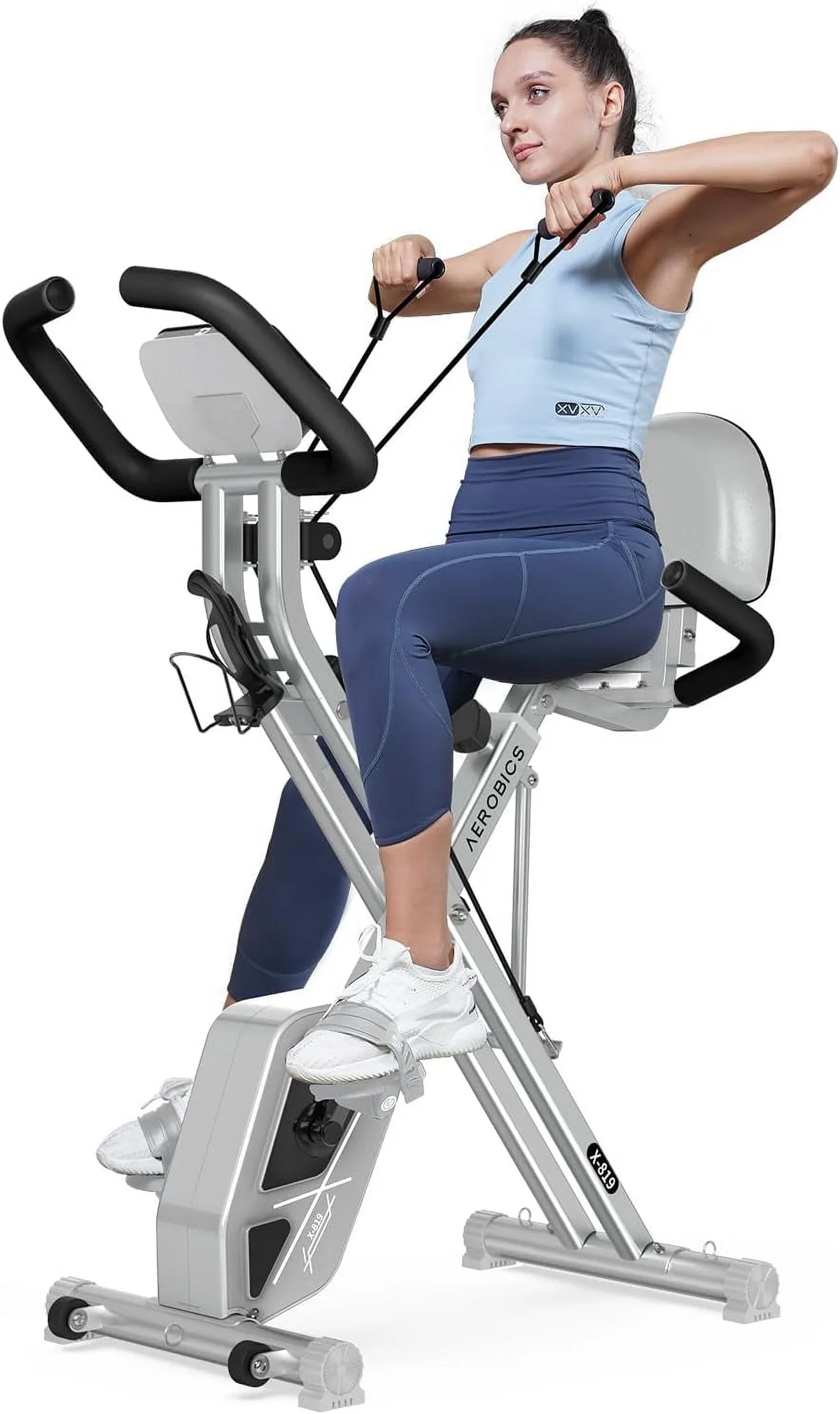
If you have a history of joint sensitivity or are currently carrying extra weight, low-impact options are almost always safer. They let you train longer and more frequently without risking common overuse injuries like shin splints or tendonitis. You can still reach a high heart rate on a stationary bike or elliptical trainer without the pounding associated with road running.
| Activity Type | Joint Impact | Best For |
|---|---|---|
| Walking | Very Low | Building a base, habit consistency |
| Cycling | Low | Sustained endurance, knee comfort |
| Swimming | Zero | Full-body, zero-gravity feel |
| Jogging | High | Bone density, faster conditioning |
When selecting your activity, look for options that minimize discomfort. If you are interested in a versatile piece of equipment, ensure it offers adequate cushioning for your specific stride. The goal is to finish your session feeling energized, not depleted or painful.
Building Your Weekly Routine: A Simple Decision Workflow
A simple routine begins with a predictable schedule rather than random workouts. Consistency is the secret ingredient to long-term success. If you are struggling with finding a routine that fits, try scheduling your workouts at the same time every day.
Follow this logic to build your initial plan:
- Select Your Day: Choose three days per week that you can realistically commit to.
- Define Your Modality: Pick one form of cardio you genuinely do not mind doing.
- Set the Duration: Start with 15 to 20 minutes to prevent overwhelming your body.
- Evaluate: After two weeks, add 5 minutes to each session if you feel recovered.
If you enjoy variety, you can mix and match modalities. Finding a quiet machine for indoor use can help you stay consistent even during bad weather. Do not worry about hitting high performance marks in the first month.
Your primary metric of success is simply showing up.
Safety First: Preventing Common Beginner Injuries
Injury prevention starts with a proper warm-up and a gradual increase in volume. Never jump straight into a high-intensity session without letting your muscles and tendons adjust to the movement. A simple five-minute dynamic stretch or a slow-paced walk is enough to prepare your body for the primary effort.
Pay close attention to your equipment as well. Wearing properly fitted footwear provides the support your arches and heels need to absorb impact. If you notice persistent pain that lasts longer than a day or two, give yourself extra rest.
- Listen to your body: Sharp pain is a red flag to stop immediately.
- Check your form: Slouching or tense shoulders can lead to unnecessary strain.
- Stay hydrated: Water intake remains essential for muscle function and temperature regulation.
- Progress slowly: Never increase your total weekly time by more than 10 percent.
If you have underlying health concerns, always talk to a doctor before starting a new regimen. They can provide specific guidelines based on your health history. Safety is the foundation that allows you to remain active for years to come.
Optimizing Your Progress: From Habit Building to Endurance
Building true endurance is a game of patience, not raw effort. Once you have established a consistent routine of three sessions per week, you can slowly begin to increase your workload. Avoid the temptation to double your time or intensity all at once.
Small, incremental changes are far more effective at preventing burnout and keeping your heart healthy.
Consider tracking your progress using a simple calendar or a journal. If you are using a sturdy piece of equipment, note your duration and intensity level after every session. Seeing your consistency on paper can be a powerful motivator when you feel like skipping a day.
Most people find that their endurance naturally improves within four to six weeks of regular activity.
When your current sessions start to feel easy, you have two primary ways to level up. You can increase the time by 5 minutes per session, or you can add a small amount of resistance or incline. Avoid doing both at the same time.
If you struggle with the technical side of your gear, check your user manual to ensure you are utilizing the settings correctly for your fitness level.
Eventually, you might want to try fartlek training, which is Swedish for speed play. This involves mixing short bursts of faster movement into your usual, steady-state pace. It keeps the workout engaging and helps your body adapt to different intensity levels.
Just keep your focus on the process, not the finish line.
Frequently Asked Questions
How do I know if I am doing too much?
You are likely doing too much if you feel persistent fatigue or soreness that lasts more than 48 hours. Other signs include poor sleep quality, irritability, or a sudden decrease in your resting heart rate. Listen to your body and prioritize extra rest days when these symptoms appear.
Recovery is just as important as the workout itself.
Can I do cardio every single day?
While it is possible to move every day, beginners should start with three days per week to allow for full recovery. High-frequency training increases the risk of repetitive strain injuries if your body is not conditioned for it. Once your base endurance improves, you can gradually add active recovery days, like light walking or gentle stretching.
What should I eat before a cardio workout?
Eat a small, easily digestible carbohydrate snack about 30 to 60 minutes before you start. A banana, a piece of toast, or a small handful of oats can provide the energy you need without feeling heavy. Avoid high-fat or high-fiber foods immediately before moving, as these can cause discomfort.
Focus on proper hydration by drinking water throughout the day.
Should I prioritize walking over running?
Walking is generally the better choice for beginners because it carries a lower risk of injury and is easier to maintain long-term. It provides similar cardiovascular benefits when performed at a brisk pace that challenges your heart rate. Running requires more joint strength and conditioning that takes time to build safely.
Start with walking and consider adding intervals if you feel ready.
How do I keep my home workout area safe?
Ensure your exercise space is clear of furniture, cords, and loose rugs to prevent tripping. If you are setting up a machine in a small room, make sure it is placed on a level surface. Proper ventilation and good lighting can also make a big difference in your overall comfort.
A dedicated, clean space makes it much easier to start your workout on time.

