
The home gym trend is stronger than ever. Many people want to work out at home, but space, money, and equipment choices can be confusing. The Bells of Steel Cable Tower Squat Stand claims to solve these problems with one compact, multifunctional product. But is it really worth your money and space? In this guide, you’ll discover how this unique equipment works, its real-world advantages, and a few things beginners might miss. We’ll compare it to other options and help you decide if it fits your goals and home gym plans.
What Is The Bells Of Steel Cable Tower Squat Stand?
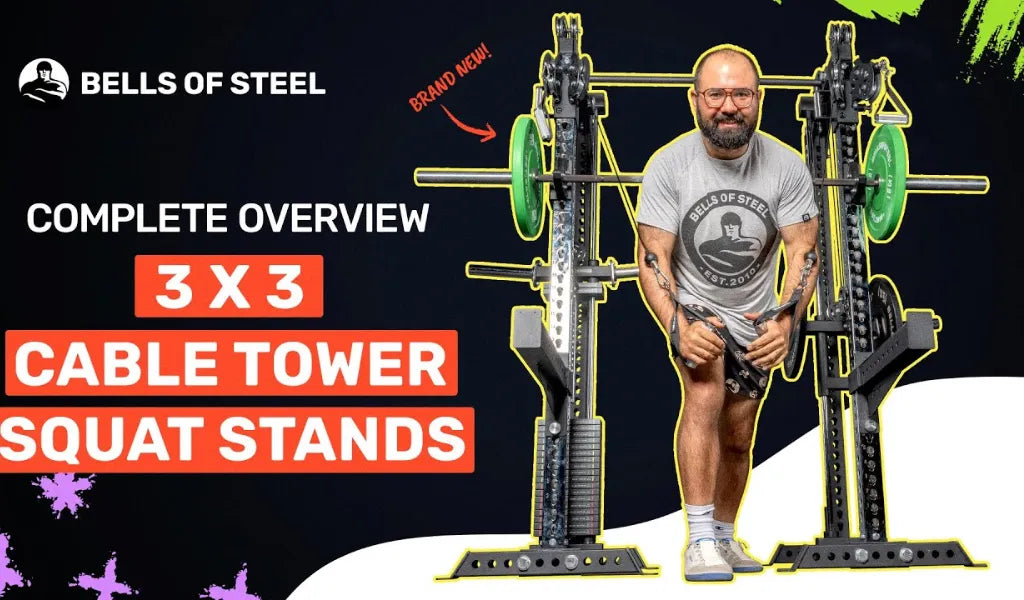
The Cable Tower Squat Stand by Bells of Steel is a special type of squat rack. It combines a sturdy squat stand with a built-in cable system. This means you can do heavy barbell lifts, like squats or bench presses, and also use cables for exercises like lat pulldowns or triceps pushdowns—all with one piece of equipment.

Today's Exclusive Deals
Limited-time Exclusive Deals. Check current discount on Amazon.
Check Price on Amazon As an Amazon Associate I earn from qualifying purchases.The main features include:
- Adjustable squat uprights for holding a barbell
- Integrated plate-loaded cable system (lat/low row style)
- Small footprint—takes up less space than a full power rack with a cable attachment
- High weight capacity (up to 700 lbs on uprights, 250 lbs on cable system)
- Optional add-ons like pull-up bars or dip handles
This combination is meant for people who want a compact, versatile gym setup without buying several separate machines.
Key Features And Build Quality
When buying gym equipment, safety and durability are critical. The Cable Tower Squat Stand is designed to be both robust and space-saving. Here’s what sets it apart:
Today's Exclusive Deals
Limited-time Exclusive Deals. Check current discount on Amazon.
Check Price on Amazon As an Amazon Associate I earn from qualifying purchases.Sturdy Construction
- Made with 11-gauge steel, which is considered very strong in the fitness world
- Uprights are 2.3” x 2.3”—thicker than most budget racks, which means less wobble
- The total weight of the stand is over 150 lbs, so it feels solid even under heavy use
Adjustable And Modular Design
- Uprights have multiple height holes for J-cups and safety spotter arms
- Cable system height can be adjusted for different exercises (high/low pulley)
- Compact size: About 4 feet wide, 6.5 feet tall—fits in most rooms or garages
Plate-loaded Cable System
- Uses standard or Olympic weight plates for resistance—no special weight stack needed
- Smooth pulley action with a 2: 1 or 1:1 weight ratio (model dependent)
- Handles and attachments can be swapped for different exercises
Real-world Example
A user with a small garage gym switched from a bulky full power rack and a separate lat pulldown machine to this squat stand. They freed up over 20 square feet and could still perform 90% of their normal workouts.
What Can You Do With The Cable Tower Squat Stand?
Versatility is the main selling point. Here’s what you can actually do with this equipment:
Barbell Exercises
- Squats
- Bench presses
- Overhead presses
- Rack pulls
- Barbell rows
Cable Exercises
- Lat pulldowns
- Seated rows
- Triceps pushdowns
- Face pulls
- Cable curls
- Cable lateral raises
Bodyweight And Accessory Options
- Attach a pull-up bar for chin-ups and pull-ups
- Add dip handles for dips
- Use resistance bands with the frame for even more exercise options
This range covers almost all major muscle groups. For most people, this is enough to build muscle, get stronger, and stay fit at home.
Is It Really Space-saving?
A key question for home gym owners is, “Will it fit?” The Bells of Steel Cable Tower Squat Stand is designed for small spaces. It’s not as compact as a doorway pull-up bar, but it’s much smaller than a commercial power rack plus separate cable machine.
Today's Exclusive Deals
Limited-time Exclusive Deals. Check current discount on Amazon.
Check Price on Amazon As an Amazon Associate I earn from qualifying purchases.Size Comparison
| Equipment | Footprint (W x D) | Height |
|---|---|---|
| Bells of Steel Cable Tower Squat Stand | 47″ x 44″ | 78″ |
| Full Power Rack with Cable Attachment | 50″ x 60″ | 85″ |
| Separate Squat Stand + Lat Pulldown | 100″ x 44″ (combined) | 85″ |
As you can see, the Cable Tower Squat Stand takes up about half the space of buying both a regular squat stand and a separate cable machine.
Ceiling Height Matters
One thing beginners often overlook: ceiling height. The stand is just under 6.5 feet tall, but you need a bit more clearance for exercises like pull-ups or overhead presses. If your ceiling is under 7 feet, you may have trouble using all the features comfortably.
How Does It Compare To Other Solutions?
You might be wondering if the Cable Tower Squat Stand is better than buying a regular squat rack, a full power cage, or other home gym options. Here’s a side-by-side look.
Feature Comparison
| Feature | Bells of Steel Cable Tower Squat Stand | Standard Squat Stand | Power Rack + Lat Pulldown |
|---|---|---|---|
| Barbell lifts | Yes | Yes | Yes |
| Cable exercises | Yes | No | Yes |
| Space needed | Low | Low | High |
| Cost | Medium | Low | High |
| Weight capacity | Up to 700 lbs | Up to 600 lbs | Up to 1,000 lbs |
| Modular add-ons | Yes | Some | Yes |
| Portability | Medium | High | Low |
Price Point
At the time of writing, the Bells of Steel Cable Tower Squat Stand costs between $600–$1,000 depending on configuration and accessories. That’s less than most full commercial power racks with cable systems, which can run $1,500–$3,000 or more. However, it is more expensive than a basic squat stand (around $200–$400).
Non-obvious insight: If you’re building a gym from scratch, the squat stand plus cable tower is often cheaper than buying two separate machines. But if you already own a squat rack, adding a cable attachment (if compatible) might be more cost-effective.
Who Should Buy The Cable Tower Squat Stand?
Not every home gym needs this combo unit. Here’s who benefits the most:
- Home gym owners with limited space: If you’re training in a small garage, spare room, or basement, the compact footprint is a big advantage.
- People who want full-body workouts: You get both heavy barbell and isolation cable movements.
- Beginners who want to avoid ‘paralysis by analysis’: Instead of buying 3–4 machines, you can do almost everything with one.
- Lifters who value versatility: If you like to change your routine or train different muscle groups, the modular design helps.
- Those with moderate budgets: It’s not the cheapest option, but it’s a good value for what you get.
Who Might Not Need It?
- Serious powerlifters: If you regularly squat or bench over 700 lbs, a full power rack is safer.
- People with very low ceilings: The unit may not fit or allow for full-range movements.
- Those who already own a squat rack and lat machine: Buying this might be redundant.

Assembly And Ease Of Use
Setting up the Bells of Steel Cable Tower Squat Stand is easier than most commercial gym equipment, but it still takes some time and patience.
Assembly Experience
Most users report 2–4 hours for a full build, depending on your tools and skill level. You need:
- Basic wrenches and socket set
- A helper is recommended for stability during assembly
- Clear instructions are included, but watching a setup video can help
Tip: Double-check that all bolts are tight, especially before using heavy weights. Some users miss this and experience wobble later.
Day-to-day Use
Changing from a squat setup to cable exercises is fairly quick. Moving the cable pulley height takes under a minute. Loading plates for resistance is easy if you have Olympic plates (standard plates work, but may be less smooth).
Non-obvious insight: If you do a lot of “supersets” (quick exercise switches), you’ll need to plan your workout flow, as moving between barbell and cable exercises takes a little time.
Durability And Maintenance
The Bells of Steel Cable Tower Squat Stand is designed for long-term home use. But like all gym equipment, it needs some care.
Longevity
- The steel frame is powder-coated to resist rust
- Cables are nylon-coated aircraft cable, rated for hundreds of pounds
- Pulleys are smooth but should be checked for wear every few months
Simple Maintenance
- Wipe down sweat and dust after use to keep the frame looking new
- Lubricate pulleys every 6 months (a drop of silicone lubricant works well)
- Inspect cables for fraying; replace if any damage is found
Most owners report years of use with minimal problems. Bells of Steel offers a limited lifetime warranty on the frame, which adds confidence.

Real Customer Feedback
Looking at user reviews and fitness forums, most people are satisfied with the Cable Tower Squat Stand. Here are some highlights:
Positive Experiences
- Space savings are often praised—“I fit a full gym in my bedroom.”
- Users like the smoothness of the cable system.
- Many enjoy the “all-in-one” feeling—“I do everything from heavy squats to triceps pushdowns.”
Common Complaints
- Assembly instructions could be clearer for beginners.
- Plate storage: You need to buy a separate holder, or plates sit on the floor.
- A few mention minor cable stretch over time (normal for home cable systems).
- Tall users (over 6’3”) find some cable exercises less comfortable.
Example Testimonial
“I’ve owned my Bells of Steel stand for a year. It replaced both my squat rack and old lat machine. I train five days a week and it still feels new. My only regret is not buying the plate holders—they keep the gym tidier.
”
What’s Missing? Limitations To Consider
No gym equipment is perfect. Here are some limitations that might matter:
- No full cage: There’s no four-post enclosure, which some people prefer for heavy lifts.
- Plate-loaded cables: You need to manually load/unload weights, which takes time.
- No built-in seat: For exercises like seated rows, you’ll need a bench or box.
- Limited accessories included: Handles, bars, and storage must often be bought separately.
- Not as stable as a full power rack: Fine for most lifts, but extreme lifters may notice some movement.
Beginner tip: Many users forget to measure their space carefully. Measure both the footprint and height, and leave room around the stand for moving and loading plates.
Value For Money: Is It Worth It?
The Bells of Steel Cable Tower Squat Stand lands in the “sweet spot” between budget and premium equipment. Here’s a breakdown:
- Saves money vs. buying both a squat stand and cable machine
- Lasts for years, making the investment worthwhile for regular users
- Holds its value well—used models resell quickly if you upgrade later
If you plan to train at home for years and want maximum exercise options in a small space, it’s a smart buy. If you only do a few basic lifts or already have some equipment, it may not be necessary.
Pro insight: Home gym gear like this can also help you stay consistent. When you have both barbells and cables ready in one place, there are fewer excuses to skip training.
Where To Buy And What To Watch For
You can buy directly from the Bells of Steel website or trusted fitness retailers. Always check:
- Shipping costs: This unit is heavy; shipping may be $100–$200 depending on location.
- Warranty and return policy: Bells of Steel offers a strong warranty, but read the details.
- Accessory bundles: Sometimes it’s cheaper to buy the stand with add-ons (pull-up bar, dip handles) as a package.
For more details and in-depth specs, you can visit the Bells of Steel official product page.
Frequently Asked Questions
How Much Weight Can The Bells Of Steel Cable Tower Squat Stand Hold?
The uprights can handle up to 700 lbs for barbell lifts. The cable system is rated for 250 lbs. This is enough for most lifters, but very advanced athletes might need more.
Can I Use Standard Weight Plates With The Cable System?
Yes, both standard (1”) and Olympic (2”) plates are compatible. However, Olympic plates tend to move more smoothly on the loading pin.
Is The Squat Stand Stable For Heavy Lifts?
For most exercises, the stand is very stable. However, it doesn’t have the four-post design of a full power rack. If you lift very heavy or do “racking” movements aggressively, consider anchoring it to the floor or adding weight storage for extra stability.
What Accessories Are Recommended For The Best Experience?
Many users add a pull-up bar, dip handles, and weight plate storage. A solid bench is also useful for presses and seated cable work. Handles for the cable system (like rope or bar attachments) expand exercise options.
How Does It Compare To Similar Products From Other Brands?
The Bells of Steel stand is known for high build quality and a smooth cable system. Some brands offer cheaper options, but often with lower weight limits or less stability. It competes well with options from REP Fitness and Titan Fitness, but usually costs less for similar features. For a broader comparison of home gym equipment, check out this independent resource.
Final Thoughts
The Bells of Steel Cable Tower Squat Stand offers a clever solution for anyone wanting a full gym experience in a small home space. It combines the most important features of a squat stand and cable machine, saving money and floor space. While it’s not the only option, its solid build, smooth operation, and flexibility make it a strong choice for most home gym owners.
If you value versatility, space savings, and plan to use both barbell and cable exercises, this stand is likely worth the investment. Just remember to measure your room, consider your training style, and plan for some accessory purchases. With the right setup, you’ll enjoy years of safe, effective workouts at home.

