
Choosing the right trail running shoe can be overwhelming. With so many options, how do you know which one will actually support your adventures? The Xero Shoes Mesa Trail II is gaining attention among runners, hikers, and outdoor enthusiasts who want a barefoot feel without sacrificing protection. But is it really worth the investment, or just another trendy shoe? In this article, you’ll get a deep dive into the Mesa Trail II—what it offers, where it shines, and where it might fall short. Whether you’re new to barefoot-style shoes or looking to upgrade, you’ll find practical insights to help you decide if this minimalist trail runner is the right match for your feet and your wallet.
What Makes Xero Shoes Mesa Trail Ii Special?
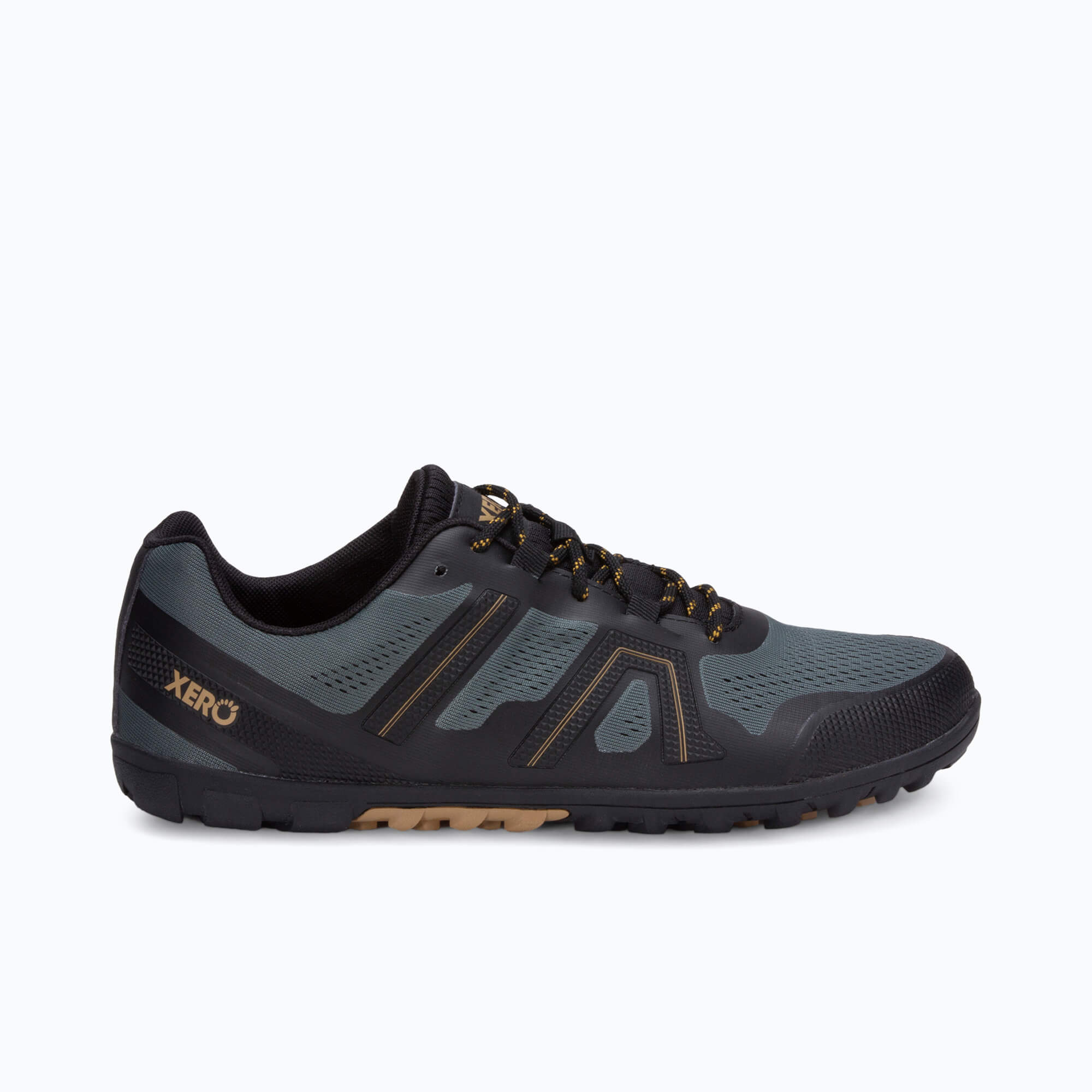
The Mesa Trail II stands out because it brings a true minimalist design to trail running. Unlike traditional trail shoes, it offers a barefoot-like experience. This means less cushioning, more ground feel, and a lightweight build. Here’s what makes it unique:

Today's Exclusive Deals
Limited-time Exclusive Deals. Check current discount on Amazon.
Check Price on Amazon As an Amazon Associate I earn from qualifying purchases.- Flexible sole: Lets your foot move naturally.
- Zero-drop design: The heel and forefoot are level, promoting better posture and natural running form.
- Wide toe box: Gives your toes space to splay, which can improve balance and comfort.
- Lightweight build: Each shoe weighs about 7.6 ounces (men’s size 9), much lighter than most trail runners.
The shoe aims to give protection from rocks and roots while keeping you connected to the trail. For those who believe less is more, the Mesa Trail II promises a pure, unfiltered running experience.
Key Features And Technical Specs
Understanding the technical side can help you judge if the Mesa Trail II fits your needs. Let’s break down the main features and specifications:
| Feature | Details |
|---|---|
| Weight | Approx. 7.6 oz (men’s size 9) |
| Stack Height | 5.5 mm outsole + 3.5 mm removable insole |
| Drop | Zero-drop (heel and toe at same level) |
| Upper Material | Breathable mesh, welded overlays for durability |
| Outsole | Dual chevron lug pattern for grip |
| Toe Box | Wider than average for toe splay |
| Vegan Friendly | Yes |
The removable insole lets you adjust ground feel, while the mesh upper keeps feet cool. The outsole has a lug pattern for solid grip, but it’s not as aggressive as some heavy-duty trail shoes.
Today's Exclusive Deals
Limited-time Exclusive Deals. Check current discount on Amazon.
Check Price on Amazon As an Amazon Associate I earn from qualifying purchases.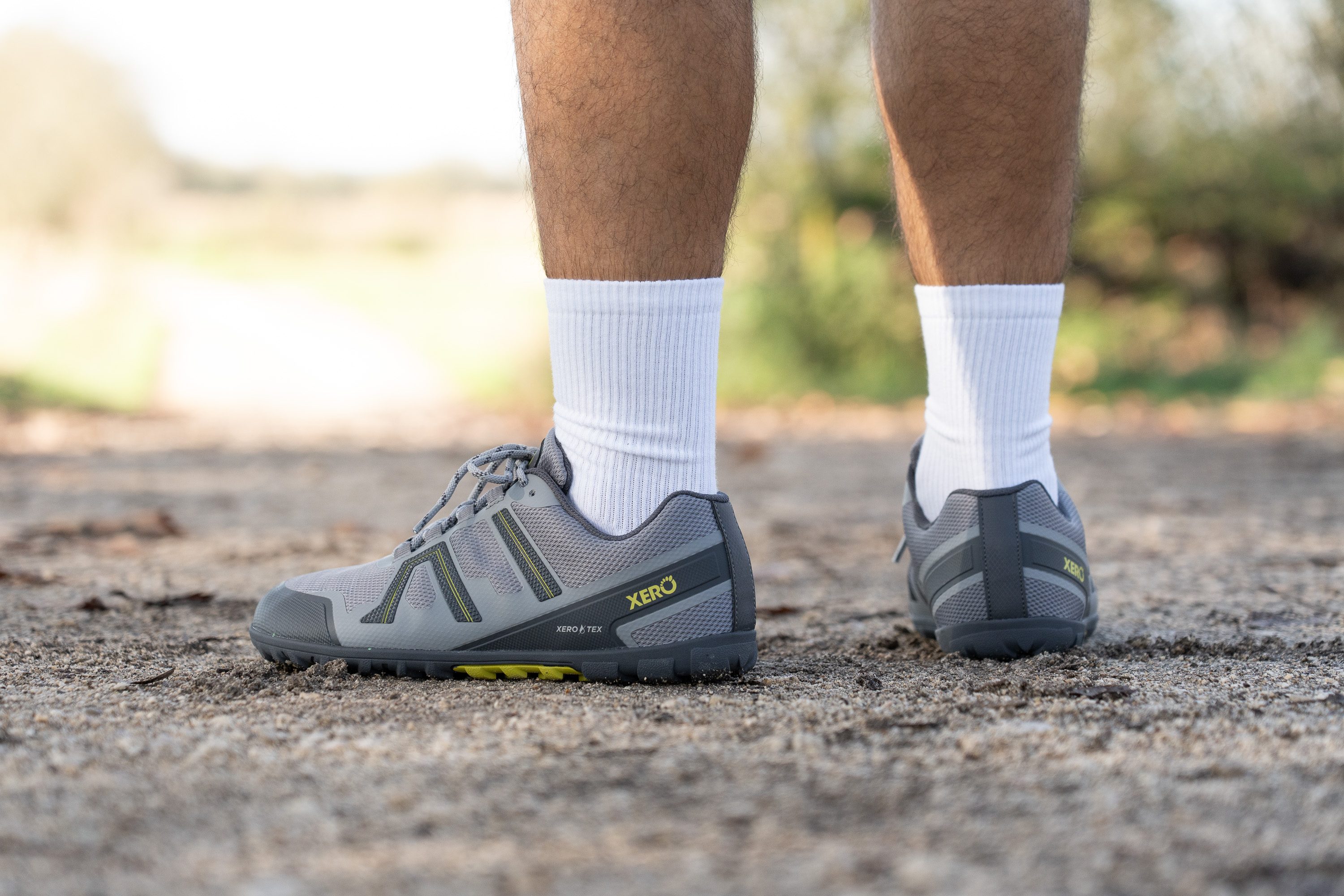
Performance: On The Trail And Off
How does the Mesa Trail II actually perform when you hit the dirt? Let’s look at real-world experiences.
Trail Running
The first thing most people notice is the ground feel. You sense rocks, roots, and dips in the trail. For runners used to plush cushioning, this can be a shock. However, fans of barefoot-style shoes love this feedback, saying it helps them run with better form.
The traction is good for most dry to moderately technical trails. The chevron lugs provide grip on gravel, dirt, and even some light mud. On very muddy or rocky trails, though, the grip can be less secure than shoes with deeper, stickier lugs.
Protection is decent for a minimalist shoe, thanks to a thin but tough outsole. Sharp rocks are noticeable, but not painful. If you run on very rugged terrain, you’ll need to watch your step more than with a traditional trail shoe.
Today's Exclusive Deals
Limited-time Exclusive Deals. Check current discount on Amazon.
Check Price on Amazon As an Amazon Associate I earn from qualifying purchases.Hiking And Everyday Use
The Mesa Trail II isn’t just for running. Many wearers use it for hiking, walking, or even daily errands. The flexible, lightweight build makes it comfortable for hours on your feet. The wide toe box can be a relief if you have bunions or wide feet.
However, the minimal cushioning means it’s not the best choice for people who want a soft, plush step. Also, it’s less ideal for backpacking with heavy loads, as your feet might get tired from repeated impacts.
Pros And Cons
Every shoe has strengths and weaknesses. Here’s a clear look at what you gain—and what you might miss—with the Mesa Trail II:
Pros:
- Natural foot movement: Flexible sole and wide toe box encourage healthy foot mechanics.
- Lightweight: Feels barely-there on your feet.
- Breathable mesh: Keeps feet cool, dries fast after river crossings or rain.
- Vegan materials: No animal products used.
- Removable insole: Adjusts ground feel for personal preference.
- Good for wide feet: Roomy fit reduces risk of blisters.
Cons:
- Less protection: Minimal cushioning, so you feel more of the trail.
- Limited grip on mud/rocks: Lugs are good, but not as aggressive as some rivals.
- Not for everyone: Takes time to adapt if you’re used to traditional running shoes.
- Durability questions: Some users report faster wear on the outsole compared to thick-soled shoes.
- Less support: Not ideal for people needing arch support or who carry heavy packs.
How The Mesa Trail Ii Compares To Other Trail Shoes
To understand if the Mesa Trail II is worth it, it helps to compare it with other popular trail running shoes.
Mesa Trail Ii Vs Altra Lone Peak 7
Altra’s Lone Peak 7 is a favorite among trail runners who want a wide toe box and zero drop, but with more cushioning.
| Feature | Xero Mesa Trail II | Altra Lone Peak 7 |
|---|---|---|
| Weight | 7.6 oz | 10.6 oz |
| Stack Height | 5.5 mm | 25 mm |
| Cushioning | Minimal | Moderate |
| Toe Box | Wide | Wide |
| Grip | Good, not aggressive | More aggressive lugs |
The Mesa Trail II is lighter and offers more ground feel, while the Lone Peak 7 provides more comfort over long distances. If you want maximum feedback and minimal weight, go with the Mesa Trail II. If you prefer extra protection and cushion, the Lone Peak 7 is better.
Mesa Trail Ii Vs Merrell Trail Glove 7
The Trail Glove 7 is another minimalist shoe, but with a different fit and feel.
| Feature | Xero Mesa Trail II | Merrell Trail Glove 7 |
|---|---|---|
| Weight | 7.6 oz | 7.0 oz |
| Stack Height | 5.5 mm | 14 mm (including insole) |
| Drop | Zero-drop | Zero-drop |
| Toe Box | Wide | Narrower |
| Upper | Mesh, durable overlays | Mesh, synthetic overlays |
The main difference is the toe box. Xero’s is much wider, which can feel more comfortable for some. The Trail Glove 7 offers a bit more underfoot protection, but less room for toes to spread.
Who Should Consider The Mesa Trail Ii?
The Mesa Trail II is not for everyone, but it’s perfect for certain users:
- Minimalist runners: If you want a barefoot feel with just enough protection, it’s a top choice.
- Trail walkers and hikers: For those who hike light and prefer ground connection, it’s ideal.
- People with wide feet: The roomy toe box is a rare find in trail shoes.
- Fans of zero-drop: Anyone used to zero-drop shoes will feel at home.
- Vegan buyers: The materials are animal-free.
If you need lots of arch support, heavy cushioning, or plan to carry a heavy backpack, another shoe may suit you better.
What Does The Science Say About Barefoot Trail Running?
Barefoot-style shoes like the Mesa Trail II are popular, but do they really help? Research gives mixed but interesting results.
- Injury risk: Some studies show that switching to minimalist shoes too quickly increases risk of injuries like stress fractures. Transitioning slowly is key.
- Foot strength: Minimalist shoes can strengthen foot muscles over time, which might reduce some injuries.
- Running form: Many runners shift to a forefoot or midfoot strike, which can lower impact on knees and hips.
- Performance: There’s no clear proof that barefoot shoes make you faster, but many users say they feel more agile and balanced.
One insight beginners often miss: Minimalist shoes demand strong, healthy feet and ankles. If you’re recovering from injury, or have flat feet or high arches, check with a professional before switching.
For more in-depth information about the science behind minimalist shoes, see this review from the Wikipedia Barefoot Running page.
How To Transition To Minimalist Shoes Safely
A common mistake is jumping into minimalist shoes and running your usual distance right away. This can lead to pain and injury. Here’s how to switch safely:
- Start slow: Begin with short walks or runs (10-15 minutes) in your new shoes.
- Listen to your body: If you feel pain, stop and rest. Some soreness is normal, but sharp pain is not.
- Strengthen your feet: Do exercises like toe curls, calf raises, and balance drills.
- Increase gradually: Add 5-10 minutes to your runs every week.
- Mix with old shoes: Alternate between your regular shoes and the Mesa Trail II during the transition.
A second insight that’s easy to miss: Terrain matters. Start on soft trails or grass, not pavement or rocky paths. This reduces stress on your feet as they adapt.
Durability And Maintenance
Minimalist shoes usually wear faster than thick-soled shoes, so what about the Mesa Trail II?
- Outsole: The rubber holds up well for hundreds of miles on trails. On pavement or sharp rocks, you’ll see wear faster.
- Upper: The mesh and overlays are tough and resist tearing, even after scrapes and mud.
- Laces and eyelets: These are reinforced, but as with any lightweight shoe, be gentle when pulling tight.
Washing is simple—remove the insoles and laces, wash gently with mild soap and air dry. Avoid high heat or sunlight to keep the materials strong.
Price: Is It Good Value?
The Mesa Trail II usually sells for around $120–$130 in the US. This puts it in the middle of the trail running shoe market—not the cheapest, but not the most expensive either.
What you get for the price:
- Quality vegan materials
- A unique fit and feel
- Good durability for a minimalist shoe
- A 5,000-mile sole warranty from Xero Shoes (rare in this category)
If you want a classic, cushioned trail runner, you might feel it’s expensive for so little shoe. But if you value minimalist design and a natural feel, the price is fair. Many users say the shoe outlasts other barefoot styles, making it a good investment.
Real User Experiences
Looking at reviews and feedback, most users highlight the comfort and natural feel as top strengths. Some examples:
- Long-distance hikers: Several report hiking 10+ miles per day with no blisters or hot spots, thanks to the roomy toe box.
- Trail runners: Many say their foot strength and balance improved after switching, though the adjustment period was tough.
- Wide footed users: Often mention relief after years of cramped toes in traditional shoes.
- Casual wearers: Appreciate the lightweight feel for travel or daily errands.
Negative feedback is mostly about the adaptation curve and occasional durability issues on rough terrain.
Sustainability And Ethical Factors
More buyers care about how their shoes are made. The Mesa Trail II scores well here:
- Vegan materials: No animal products used.
- Minimal packaging: Xero Shoes uses simple, recyclable materials.
- Direct-to-consumer model: Cuts down on shipping and storage, reducing environmental impact.
While not perfect, the brand makes an effort to reduce its footprint—an extra plus if you want to support ethical companies.
Frequently Asked Questions
How Long Does It Take To Adjust To The Mesa Trail Ii?
Most people need 4–8 weeks to fully adapt. Start with short walks or runs, and add time gradually. Your feet and calves may get sore as they strengthen.
Are The Mesa Trail Ii Shoes Waterproof?
No, they are not waterproof. The mesh upper is breathable and dries quickly, but your feet will get wet in heavy rain or when crossing streams.
Can I Use Mesa Trail Ii For Road Running?
You can, but it’s best on trails, grass, or dirt. The thin sole means you’ll feel every crack and pebble on pavement, which can be uncomfortable for some.
Is The Mesa Trail Ii Good For People With Flat Feet?
It depends. The shoe has no built-in arch support. People with flat feet may need to add orthotics or choose a different shoe. Always check with a professional if you have foot issues.
How Does Sizing Run For The Mesa Trail Ii?
Most users find it runs true to size, but some with very wide feet go up half a size. Xero Shoes offers a detailed fit guide on their website for best results.
Final Thoughts: Is Xero Shoes Mesa Trail Ii Worth It?
The Xero Shoes Mesa Trail II offers a unique take on trail running. For those who want a truly minimalist, barefoot-like experience with just enough protection, it stands out. The wide toe box, flexible sole, and lightweight build are hard to find elsewhere. If you value ground feel, natural movement, and ethical materials, it’s a solid choice. However, it’s not for everyone—especially if you need cushioning or strong arch support. Transition slowly, listen to your body, and you might discover a new way to enjoy the trail. For many, the Mesa Trail II is more than worth it—it’s a game changer.


