Is Altra Olympus 6 Worth It? In-Depth Guide for Trail Runners
When it comes to trail running shoes, the Altra Olympus series stands out for its unique design and comfort. But with the release of the Altra Olympus 6, many runners are asking: Is it really worth the investment? The price is not low, and with so many options available, choosing the right trail shoe can be confusing. This article dives deep into what makes the Altra Olympus 6 different, how it performs, and whether it is the right choice for your needs. If you are a serious trail runner, a hiker, or just want maximum comfort for long walks, this guide will help you decide if the Olympus 6 deserves a spot on your feet.
Today's Exclusive Deals
Limited-time Exclusive Deals. Check current discount on Amazon.
Check Price on Amazon As an Amazon Associate I earn from qualifying purchases.What Is The Altra Olympus 6?
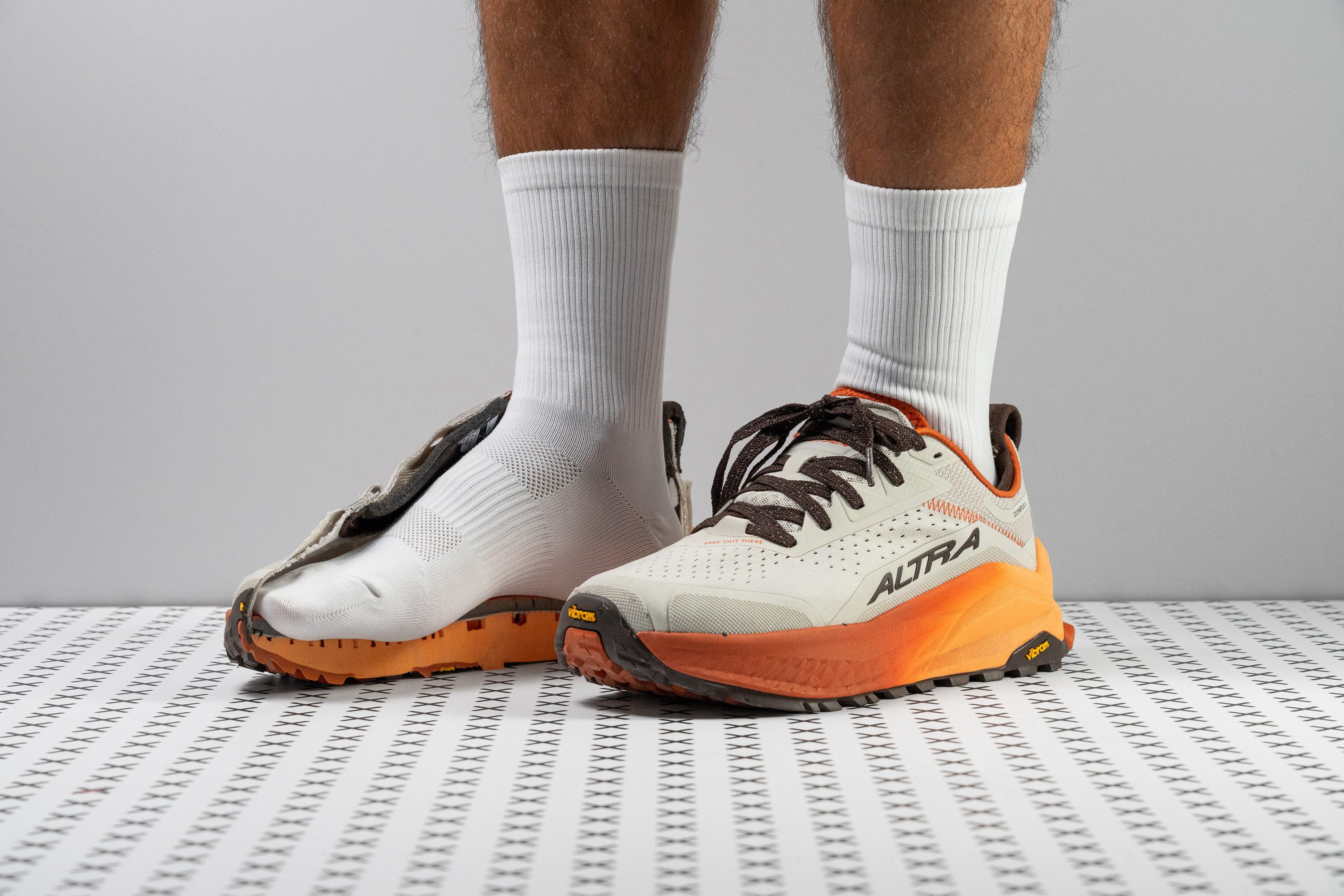
The Altra Olympus 6 is the latest version in Altra’s well-known line of max-cushion trail running shoes. Altra is famous for its zero-drop platform and wide toe box, which many runners say create a more natural foot position and reduce injury risk. The Olympus series is designed for people who want a lot of underfoot protection and comfort on rough trails.
The Olympus 6 continues this tradition with a few updates. It is built for long-distance trail running, hiking, and any adventure where comfort over many miles is key. The shoe’s thick midsole, aggressive grip, and roomy fit make it a favorite for ultramarathon runners and hikers with wider feet.
But does the latest Olympus really improve on the older models? And is it worth the high price tag?
Let’s break down the six most important features of the Altra Olympus 6, see how it performs in real life, and compare it to other leading trail shoes.
1. Max Cushioning And Comfort
One of the biggest selling points of the Olympus series is maximal cushioning. The Olympus 6 is no exception. The midsole is made from a thick layer of Altra’s EGO MAX foam, which gives a plush and soft feeling underfoot.
How Does It Feel On The Trail?
If you spend hours on rough terrain, you quickly notice the difference. The Olympus 6 soaks up sharp rocks and roots, reducing fatigue in your legs and feet. Many users say it feels like “running on clouds,” especially compared to firmer trail shoes.
The stack height (the thickness of the sole) is about 33 millimeters, which is among the highest in the trail running world.
Is It Too Soft?
Some runners worry that too much cushioning can make a shoe unstable. However, the Olympus 6 uses a wide platform to keep you steady. The base of the shoe is broad and flat, so your foot sits deep inside the foam, giving a stable ride. This makes it suitable even for technical trails, where you need both comfort and control.
Practical Insights
- Non-obvious insight: The thick cushioning not only protects from rocks but also helps reduce joint pain after long runs or hikes.
- What beginners miss: The shoe’s softness can feel unusual at first, especially if you are used to minimal shoes. Give yourself a few runs to adapt.

2. The Signature Footshape Toe Box
Altra is famous for its FootShape toe box, and the Olympus 6 keeps this feature. This design gives your toes extra room to spread out naturally, which is different from the pointed toe boxes in many other brands.
Why Does Toe Room Matter?
On long runs, your feet swell and need space. A narrow shoe can lead to blisters, black toenails, or even injuries. The Olympus 6 lets your toes splay out, improving balance and comfort, especially on descents.
Is It Too Wide?
Some runners with narrow feet feel the shoe is a bit loose. If you have a standard or wide foot, you’ll likely love the fit. For very narrow feet, consider trying the shoe on before buying.
Practical Insights
- Non-obvious insight: Having more space in the toe box can help prevent bunions and hammertoes over time.
- What beginners miss: If you have never worn Altra shoes, the wide toe box will feel different—but this is a design choice, not a sizing mistake.
3. Vibram Megagrip Outsole
The grip of a trail shoe is critical. The Olympus 6 uses a Vibram MegaGrip outsole, which is one of the most trusted rubber compounds in the outdoor world. Vibram is known for its durability and grip on wet and dry surfaces.
How Well Does It Grip?
The outsole features deep, multi-directional lugs (the rubber “teeth” on the bottom of the shoe). These lugs bite into mud, gravel, and rocks, giving reliable traction even on steep slopes or loose terrain. Many runners say the Olympus 6 gives them more confidence on tricky downhills.
Durability Over Time
Vibram outsoles are famous for lasting a long time. Even after hundreds of miles, the grip remains strong. This can be a big money-saver compared to shoes that wear out quickly.
Practical Insights
- Non-obvious insight: The MegaGrip rubber works well even in cold, wet conditions where other outsoles can get hard and slippery.
- What beginners miss: Clean your outsole regularly to keep the lugs working at their best, especially after running in thick mud.
4. Zero Drop Platform
All Altra shoes, including the Olympus 6, have a zero-drop platform. This means the heel and forefoot are at the same height from the ground. In contrast, most traditional running shoes have a raised heel.
Why Zero Drop?
Zero drop encourages a more natural stride and helps some runners avoid injuries caused by high-heeled shoes. It can also strengthen your lower leg muscles over time.
Who Should Use Zero Drop?
If you already run in zero-drop shoes, the Olympus 6 will feel natural. If you are switching from a traditional shoe, start slowly. Your calves and Achilles tendons may need time to adjust.
Practical Insights
- Non-obvious insight: Zero drop can help with posture and lower back alignment, especially on long hikes.
- What beginners miss: The transition to zero drop should be gradual. Don’t switch right before a big race or hike.
5. Improved Upper And Breathability
The upper part of the Olympus 6 has been redesigned for better breathability and durability. The mesh is softer, more flexible, and lets air move through the shoe, keeping your feet cooler on hot days.
Does It Keep Out Dirt?
The upper is strong enough to block out most dust and small debris, but it is not fully waterproof. For wet conditions, you may need a gaiter or a waterproof sock.
Comfort Improvements
The tongue and heel collar have extra padding, which helps prevent hot spots and blisters. The new design also adapts better to different foot shapes, making it more comfortable over long distances.
Practical Insights
- Non-obvious insight: The softer upper can help reduce pressure on the top of your foot if you have a high arch or high instep.
- What beginners miss: Mesh breathability is important even in cool weather, as sweaty feet can lead to blisters and odor.
6. Weight And Overall Performance
With so much cushioning and a thick sole, you might think the Olympus 6 is heavy. Surprisingly, the shoe is lighter than many other max-cushion trail shoes. A men’s size 9 weighs about 11 ounces (312 grams), which is quite reasonable for this class.
Is It Fast Enough For Racing?
While the Olympus 6 is not the lightest trail shoe, it is built for endurance rather than speed. If you run ultramarathons or spend hours hiking, the comfort and protection outweigh the extra weight.
Handling Different Terrains
The Olympus 6 is at home on rocky, rooty, and muddy trails. It is less ideal for very fast, technical racing or for those who want a “barely there” feeling. But for most people, the balance of comfort and grip is hard to beat.
Practical Insights
- Non-obvious insight: The slightly heavier weight can actually help with stability on rough ground.
- What beginners miss: Don’t compare the Olympus 6 to road racing shoes—trail shoes are built for different priorities.
Side-by-side Comparison With Previous Olympus Models
To see if the Olympus 6 is really worth it, it helps to compare it to the previous version, the Olympus 5. Here’s a quick look at the main changes:
| Feature | Olympus 5 | Olympus 6 |
|---|---|---|
| Midsole Foam | Standard EVA | EGO MAX |
| Upper Material | Stiffer Mesh | Softer, More Breathable Mesh |
| Outsole | Vibram MegaGrip | Vibram MegaGrip |
| Weight (Men’s 9) | 12 oz (340g) | 11 oz (312g) |
| Toe Box | Wide | Wide (More Refined Shape) |
How The Altra Olympus 6 Compares To Other Leading Trail Shoes
It’s also important to consider how the Olympus 6 stacks up against other top trail running shoes. Here’s a comparison with two popular competitors: the Hoka Speedgoat 5 and the Salomon Ultra Glide 2.
| Shoe | Cushioning | Drop | Weight (Men’s 9) | Toe Box | Best Use |
|---|---|---|---|---|---|
| Altra Olympus 6 | Max | 0mm (Zero Drop) | 11 oz | Wide | Ultras, Hiking, All-Day Comfort |
| Hoka Speedgoat 5 | High | 4mm | 10.3 oz | Medium | Racing, All-Terrain |
| Salomon Ultra Glide 2 | High | 6mm | 9.7 oz | Medium-Narrow | Mixed Trails, Long Runs |
Who Should Buy The Altra Olympus 6?
The Olympus 6 is not for everyone. Here’s who will get the most value from this shoe:
- Ultramarathon runners: If you race or train for distances over 50k, the cushioning and comfort reduce fatigue and injury risk.
- Long-distance hikers: The shoe’s grip and underfoot protection make it ideal for thru-hikers and backpackers.
- Trail runners with wide feet: The FootShape toe box is a game-changer for anyone who struggles with tight shoes.
- Runners with joint pain: The soft midsole can help absorb shock and reduce joint discomfort.
- Anyone who spends hours on their feet: Even for walking or standing, the Olympus 6 offers unmatched comfort.
Who Should Look Elsewhere?
The Olympus 6 may not be the best choice if:
- You prefer a very light, fast shoe for short races.
- You have very narrow feet and dislike a roomy fit.
- You want a waterproof shoe for deep mud or snow (the Olympus 6 is not waterproof).
- You are new to zero drop and do not want to adapt gradually.
Price And Value For Money
The Olympus 6 is priced higher than many trail shoes, often around $180–$200 at launch. Is it worth the cost?
What You Get For The Price
- Durability: With Vibram MegaGrip and a tough upper, it usually lasts longer than average trail shoes.
- Comfort: The cushioning and toe box design reduce risk of injury and discomfort over long distances.
- Unique Features: Zero drop and FootShape are hard to find together in other shoes.
Cost Per Mile
Many runners find the Olympus 6 outlasts cheaper shoes by several hundred miles. If you divide the price by total miles, it often becomes a better value over time.
Discounts And Deals
Older models often go on sale when a new version launches. If price is your main concern, consider waiting for a discount or checking for sales from trusted retailers like REI.

Real-world User Reviews And Common Feedback
To get a clear picture, it’s important to look at what real runners say about the Olympus 6.
Positive Feedback
- “The most comfortable trail shoe I’ve ever worn. My feet don’t hurt even after 30 miles.” — Trail marathon finisher
- “The grip is amazing, especially on wet rocks and mud.” — Appalachian Trail hiker
- “Roomy toe box saved my toenails on long descents.” — Ultra runner
Negative Feedback
- “A little too roomy for my narrow feet, even with thick socks.”
- “Took some time to get used to the zero drop.”
- “Wish it was more water-resistant for winter runs.”
What Stands Out
Many users are repeat buyers of the Olympus series, saying that no other shoe offers the same mix of comfort, grip, and toe room. Complaints are usually about fit for narrow feet or needing time to adjust to the zero-drop platform.
Common Mistakes When Choosing The Olympus 6
When buying a high-end trail shoe like the Olympus 6, avoid these mistakes:
- Not considering foot shape: If you have a very narrow foot, try the shoe on before buying.
- Ignoring the zero-drop transition: Don’t use the Olympus 6 for a big race right away if you have never used zero-drop shoes.
- Expecting it to be waterproof: The mesh upper is breathable but not waterproof.
- Comparing only price, not durability: Cheaper shoes may wear out faster, costing more over time.
How To Get The Best Fit And Performance
- Try the Olympus 6 on with the socks you plan to use for trail running or hiking.
- Lace the shoes tightly around the ankle but leave the toe area a bit loose to let your toes move freely.
- Break in the shoes on shorter runs or walks before using them for big adventures.
- Clean the outsole after muddy runs to keep the grip strong.
Key Takeaways: Is The Olympus 6 Worth It?
The Altra Olympus 6 is a top choice for trail runners and hikers who value maximum cushioning, a wide toe box, and a zero-drop platform. Its combination of comfort, grip, and durability is hard to match, especially for people with wider feet or those who run very long distances. While the price is on the higher side, the shoe’s long life and unique features make it a strong value for many users.
However, it is not the perfect shoe for everyone. If you want a lightweight racing shoe or have narrow feet, you may want to consider other options. And remember, switching to zero drop takes some adjustment time.
Overall, if you need a trail shoe that can handle the toughest terrain while keeping your feet happy all day, the Olympus 6 is definitely worth considering.
Frequently Asked Questions
Is The Altra Olympus 6 Good For Road Running?
The Olympus 6 is designed mainly for trails. Its thick lugs and cushioning are best on dirt, rocks, and uneven ground. It can be used for short stretches on roads, but if you run mostly on pavement, a dedicated road shoe will feel smoother and lighter.
How Does The Sizing Compare To Other Brands?
Altra shoes generally fit true to size, but the FootShape toe box makes them feel roomier than many brands. If you have worn Altras before, use your usual size. If you are switching from a brand with a narrow fit, you may want to try them on first.
Can I Use The Olympus 6 For Hiking And Backpacking?
Yes, the Olympus 6 is popular among hikers and backpackers for its comfort and grip. Many thru-hikers use Altras for long trails like the Pacific Crest Trail. Just remember, the shoe is not waterproof, so plan accordingly for wet conditions.
How Long Does The Olympus 6 Last?
With its Vibram MegaGrip outsole and durable upper, many users report getting 400–600 miles from a pair, sometimes more. The actual lifespan depends on the type of terrain and your running or hiking style.
Is The Olympus 6 Good For People With Plantar Fasciitis?
Many people with plantar fasciitis find relief in shoes with extra cushioning like the Olympus 6. The zero drop can also help by promoting a natural foot position. However, everyone’s feet are different, so it’s best to try the shoe and see how your body responds.
Choosing the right trail shoe is personal, but if you want lasting comfort and performance, the Altra Olympus 6 is a top contender worth your attention.