
Yes, the Kabuki Strength Transformer Bar is worth it for serious lifters who need a versatile, joint-friendly squat bar.
The Kabuki Strength Transformer Bar is not a must-have for every home gym, but it can be a smart upgrade for lifters with shoulder pain, limited mobility, or changing squat goals. After looking at its design, use cases, comfort, cost, and limits, this guide will help you decide if the premium price fits your training.

Today's Exclusive Deals
Limited-time Exclusive Deals. Check current discount on Amazon.
Check Price on Amazon As an Amazon Associate I earn from qualifying purchases.What Is the Kabuki Strength Transformer Bar?
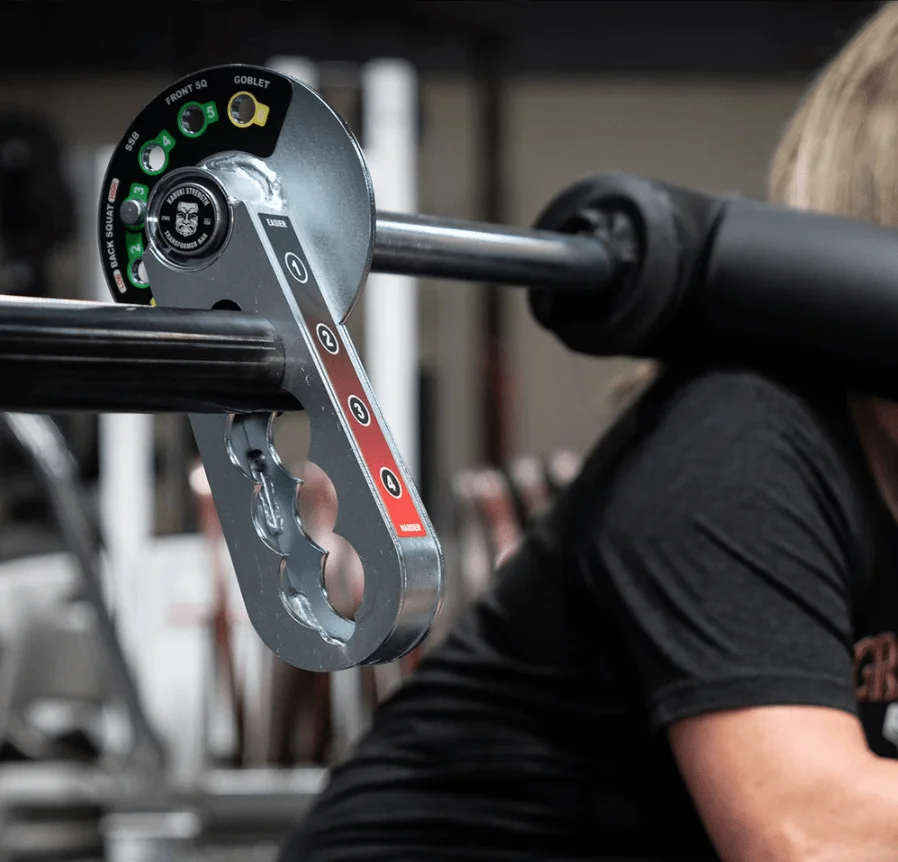
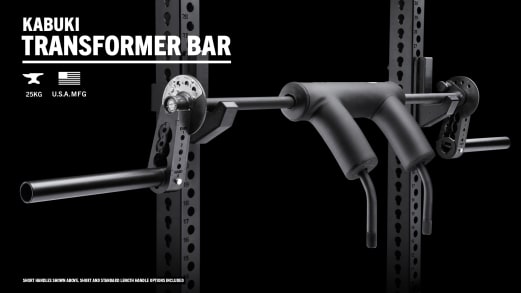
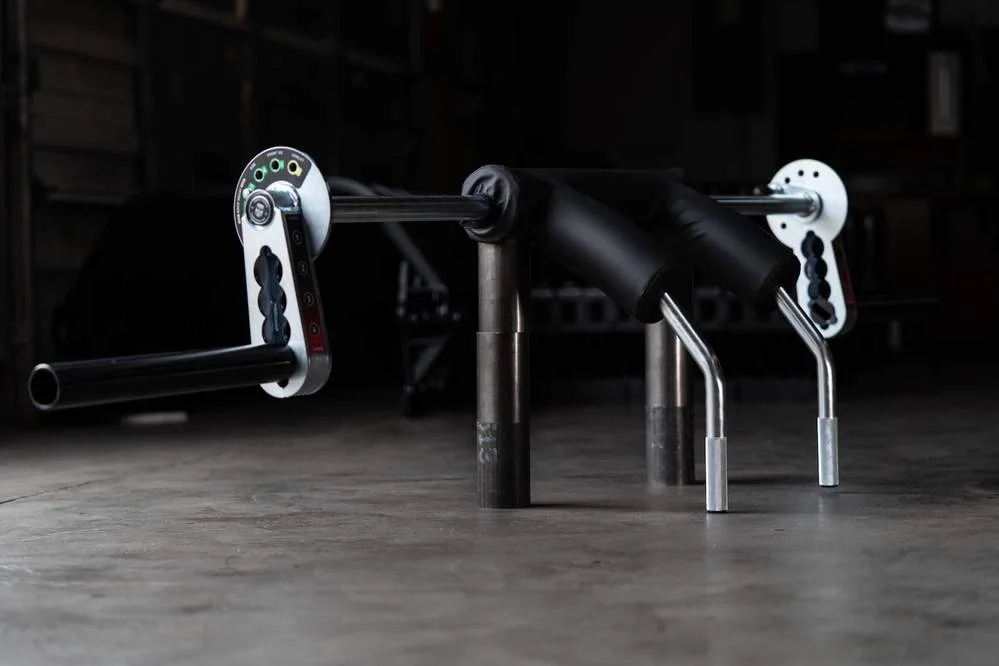
The Kabuki Strength Transformer Bar is an adjustable specialty squat bar made by Kabuki Strength. It lets you change the bar’s camber, handle position, and loading feel to create different squat variations with one bar.
A standard bar gives you one fixed setup. The Transformer Bar works more like a toolbox. You can change how the weight sits on your back and how your body responds to the load.
Its main features include:
Today's Exclusive Deals
Limited-time Exclusive Deals. Check current discount on Amazon.
Check Price on Amazon As an Amazon Associate I earn from qualifying purchases.• Adjustable camber for different squat positions
• Multiple handle and grip options
• Padding designed to improve comfort
• A squat-focused bar shape
Today's Exclusive Deals
Limited-time Exclusive Deals. Check current discount on Amazon.
Check Price on Amazon As an Amazon Associate I earn from qualifying purchases.• Heavy-duty construction for strength training
• Compatibility with standard Olympic weight plates
The exact settings can vary by model and generation. Check the current product listing before buying, especially if you are comparing the original bar with a newer version.
The Kabuki Strength Transformer Bar is built for more than novelty. Each adjustment can change your torso angle, balance, shoulder demand, and hip or knee loading. That makes it useful for athletes who need more than a normal straight bar can offer.
How the Kabuki Strength Transformer Bar Works
The bar changes the squat through two main ideas: camber and bar position.
Camber describes how far the weight hangs below the bar’s center line. A more pronounced camber can make the bar feel less stable. Your core and upper back must work harder to keep the load balanced.
The bar also offers different handle and yoke positions. These changes affect where the weight rests and how much shoulder movement you need. A high position may feel closer to a traditional high-bar squat, while another setup may create a more forward torso angle.
This matters because small changes in bar design can alter the demands of the squat. Research on resistance training shows that body position, load placement, and joint angles affect muscle activity and movement demands. The Transformer Bar uses those principles in a practical way.
The Kabuki Strength Transformer Bar does not magically fix poor squat form. It simply gives you more ways to find a safe and useful position.
Key Benefits of the Kabuki Strength Transformer Bar
1. It can reduce shoulder and wrist stress
Many lifters struggle with a straight bar because they must rotate their shoulders and wrists into a fixed position. This can be hard for people with tight shoulders, past injuries, or limited upper-body mobility.
The Transformer Bar uses handles that can reduce the need to force your hands into a narrow grip. You can keep your elbows and wrists in a more natural position.
That does not mean the bar is pain-proof. Pain can have many causes, and serious pain needs professional assessment. Still, changing the bar position may help you train around a mobility limit.
2. It offers many squat variations
One bar can support several useful patterns, including:
• High-bar squat variations
• Low-bar squat variations
• Safety squat-style movements
• Front-loaded squat patterns
• More upright squat positions
• More forward-leaning squat positions
This variety can help during long training cycles. You may use one position for strength, another for quad work, and another during recovery from an upper-body issue.
The Kabuki Strength Transformer Bar is especially useful when you want variation without buying several specialty bars.
3. It can improve training comfort
Comfort matters more than many lifters admit. If a bar digs into your neck, forces your wrists back, or irritates your shoulders, you may avoid training or change your form to escape the discomfort.
The Transformer Bar spreads contact across a larger area than a thin straight bar. Its padding and handle system may also make the squat feel more secure.
A comfortable setup can help you focus on bracing, depth, and control. It is not a replacement for good technique, but it can remove a needless distraction.
4. It can help you train through limitations
The bar may help lifters who cannot use a normal back squat due to:
• Shoulder surgery recovery
• Elbow or wrist discomfort
• Limited shoulder rotation
• Upper-back mobility issues
• Difficulty holding a low-bar position
• Discomfort from a standard barbell
The key word is may. You should test the movement with light weight first. A specialty bar can change stress, but it cannot diagnose an injury.
5. It provides a strong stimulus with moderate load
The Transformer Bar can make a familiar squat feel harder without adding more plates. Cambered and safety-style positions often require more balance and trunk control.
That can be useful during a deload, technique block, or hypertrophy phase. For example, a lifter may use the bar with 20% less weight than a straight-bar squat while still getting a demanding session.
This can reduce total spinal loading while keeping the movement challenging. The result depends on the bar position, your skill, and your body structure.

Is the Kabuki Strength Transformer Bar Good for Building Strength?
Yes, but it depends on the type of strength you want to build.
The Kabuki Strength Transformer Bar can build lower-body and trunk strength. It can also improve your ability to control awkward or shifting loads. These qualities transfer well to general strength and athletic training.
However, it may not replace a straight bar if your main goal is competitive powerlifting. Powerlifting competitions use a specific bar setup and technique. You still need to practice the competition squat with the equipment used in your federation.
A smart approach is to use both bars:
Use a straight bar for competition practice and strength testing.
Use the Transformer Bar for accessory work and variation.
Use different settings to target weak positions.
Track your load, reps, and recovery.
The Kabuki Strength Transformer Bar is best viewed as a supplement to your main training tools, not a complete replacement for them.

Kabuki Strength Transformer Bar vs. a Standard Barbell
A standard Olympic barbell is cheaper, simpler, and more versatile for a full home gym. You can use it for squats, deadlifts, presses, rows, cleans, and many other exercises.
The Transformer Bar is more specialized. It costs much more, takes up more space, and does not replace a standard bar for most lifts.
Here is a simple comparison:
| Feature | Transformer Bar | Standard Barbell |
|---|---|---|
| Squat comfort | Excellent for many users | Depends on mobility and technique |
| Adjustment options | Several squat positions | One fixed position |
| General exercise use | Mostly squat-focused | Very broad |
| Price | Premium | Low to moderate |
| Learning curve | Higher | Lower |
| Best for | Specialty squat training | General strength training |
For a new lifter, a quality standard bar is usually the better first purchase. For an experienced lifter with specific squat needs, the Kabuki Strength Transformer Bar may offer much more value.

Is the Kabuki Strength Transformer Bar Worth the Price?
The Kabuki Strength Transformer Bar is expensive. Its value depends on how often you will use its special features.
It is more likely to be worth the price if:
• You squat several times each week
• You have shoulder or wrist limitations
• You coach many lifters
• You want several squat variations in one bar
• You already own a quality power rack and standard bar
• You train for strength, powerlifting, or sports performance
It may not be worth the price if:
• You are new to barbell training
• You have a limited equipment budget
• You rarely squat
• You only want one bar for every exercise
• You have no mobility or comfort problems
• You cannot use the bar safely in your rack
A useful way to judge the cost is by use. If you use the bar twice each week for five years, the cost per session becomes far lower than the upfront price suggests. If it sits in a corner after three workouts, even a well-made bar is a poor investment.

Drawbacks to Consider Before Buying
The price is high
The biggest concern is cost. You may be able to buy a rack, plates, and a good barbell for the price of one specialty bar.
The Transformer Bar makes sense after you have covered the basics. It should not take money away from safety equipment, plates, or coaching.
It has a learning curve
The bar can feel strange at first. The load may move in a way that you do not expect, especially with a more aggressive camber setting.
Start with an empty bar or very light weight. Learn one setting at a time. Do not switch settings and add heavy weight during the same session.
It is not ideal for every exercise
This is a squat bar first. You may use it for good mornings, lunges, or carries, but it is not a practical replacement for a general-purpose barbell.
A home gym still needs a standard bar for deadlifts, bench presses, overhead presses, and rows.
It may not fit every rack perfectly
Specialty bars can be wider, longer, or shaped differently from a standard bar. Check your rack width, J-cup size, bar storage, and ceiling height before ordering.
Also check whether the handles or plates interfere with your rack. Small fit issues can become frustrating during every workout.
It can hide weak technique
A more comfortable bar can make it easier to train, but it can also hide movement problems. You still need to brace well, control the descent, keep your feet stable, and use a safe range of motion.
Comfort should support good technique, not replace it.

My Practical Take on Using the Transformer Bar
When I review specialty equipment, I look at more than build quality. I ask whether the tool solves a real problem and whether people will use it often.
The biggest lesson with the Kabuki Strength Transformer Bar is to avoid chasing the most extreme setting. A difficult setting may look impressive, but the best setting is the one that lets you train hard with stable form.
A simple way to begin is:
Set the bar in its most familiar position.
Use a light load for three to five controlled reps.
Check your shoulder, wrist, hip, knee, and back comfort.
Record the setting and your stance width.
Increase weight slowly over several sessions.
One common mistake is assuming that a specialty bar automatically means more weight. In practice, the bar may reduce your load at first because your body must learn a new balance pattern.
That is normal. Treat the first few workouts as practice, not a test of maximum strength.

Who Should Buy the Kabuki Strength Transformer Bar?
The best buyers are experienced lifters who want more squat options or need a more comfortable bar position.
It can be a strong choice for:
• Powerlifters who need accessory squat work
• Strongman athletes who train with varied loads
• Coaches who work with many body types
• Lifters returning from an upper-body injury
• Home gym owners who value premium equipment
• Athletes who need strong legs and trunk control
It may also help taller lifters or people with unusual limb proportions. Still, body structure alone does not prove that you need the bar. Try different squat styles first if possible.
Beginners should usually build skill with a standard bar. Once you understand bracing, stance, depth, and progressive overload, a specialty bar becomes easier to use well.
How to Get the Most From the Transformer Bar
Use the bar with a clear plan. Do not change settings at random every workout.
A practical four-week approach could look like this:
• Week 1: Learn one comfortable position with light weight.
• Week 2: Add small amounts of weight while keeping the same position.
• Week 3: Try a second position for lighter accessory sets.
• Week 4: Compare comfort, reps, and recovery between both setups.
Keep notes on:
• Bar setting
• Stance width
• Load and reps
• Depth
• Perceived effort
• Joint comfort
• Recovery after training
If your knees, hips, or back hurt, reduce the load and review your technique. If pain continues, speak with a qualified physical therapist or sports medicine professional.
The Kabuki Strength Transformer Bar works best when it supports a measured training plan. It is not a shortcut. It is a flexible tool.
Frequently Asked Questions About the Kabuki Strength Transformer Bar
Is the Kabuki Strength Transformer Bar good for beginners?
It can be used by beginners, but it may be more bar than they need. New lifters often gain more from learning basic squat technique with a standard bar and qualified instruction.
Can the Transformer Bar replace a safety squat bar?
It can perform many safety squat-style movements, but it is not identical to every safety squat bar. The feel depends on the selected setting, camber, handles, and your body position.
Is the Kabuki Strength Transformer Bar suitable for powerlifting?
Yes, it is useful for accessory work, variation, and training around mobility limits. It should not fully replace a competition-style bar if you compete in powerlifting.
Does the Transformer Bar reduce back pain?
It may reduce discomfort for some lifters by changing the load position and reducing shoulder demands. It cannot treat the cause of back pain, so ongoing pain should be assessed by a qualified health professional.
How much weight can the Kabuki Strength Transformer Bar hold?
The capacity depends on the model and manufacturer specifications. Check the current product information and follow your rack, plate, and collar safety limits before loading it heavily.
Is the Kabuki Strength Transformer Bar worth it for a home gym?
It can be worth it when you already own the basics and will use the bar often. If your budget is limited, a standard barbell usually offers better value at the start.
Conclusion
The Kabuki Strength Transformer Bar is worth it for the right lifter. Its adjustable design can improve squat comfort, create useful variations, and help you train when a straight bar does not feel right.
It is not the best first barbell for most beginners. It is also not a replacement for a standard bar in a complete home gym. The high price makes sense only when you will use its features on a regular basis.
Before buying, check your budget, rack fit, training goals, and mobility needs. If the bar solves a clear problem and you plan to use it for years, the Kabuki Strength Transformer Bar can be a valuable investment. Explore the current specifications, compare alternatives, and share your experience with this specialty squat bar.

