
Running shoes are more than just footwear—they’re an investment in your health, comfort, and performance. If you’re searching for reliable, high-quality running shoes, you’ve likely come across the Mizuno Wave Rider and the Asics Gel Cumulus. Both are favorites among runners around the world, but when it comes to choosing between them, many find the Wave Rider has a clear edge. Why do so many runners and experts prefer the Mizuno Wave Rider? This article explores the differences, advantages, and subtle details that set the Wave Rider apart from the Gel Cumulus, helping you decide which shoe is truly better for your needs.
Key Features: Mizuno Wave Rider Vs. Asics Gel Cumulus
Before breaking down why the Mizuno Wave Rider stands out, it’s important to understand what both shoes offer. Here’s a side-by-side look at their main features:

Today's Exclusive Deals
Limited-time Exclusive Deals. Check current discount on Amazon.
Check Price on Amazon As an Amazon Associate I earn from qualifying purchases.| Feature | Mizuno Wave Rider | Asics Gel Cumulus |
|---|---|---|
| Cushioning Technology | Wave Plate + Enerzy Foam | Gel Cushioning + FlyteFoam |
| Weight (Men’s 9 US) | ~9.7 oz (275 g) | ~9.9 oz (280 g) |
| Drop (Heel to Toe) | 12 mm | 10 mm |
| Flexibility | Moderate – Responsive | Moderate |
| Upper Material | Engineered Mesh | Engineered Mesh |
| Outsole Grip | X10 Carbon Rubber | AHAR Rubber |
| Price Range | $130–$150 | $120–$140 |
Both shoes are designed for neutral runners and are great for daily training. However, the Wave Rider’s technology, ride, and build quality offer subtle but important differences.
Superior Cushioning: The Wave Plate Advantage
The biggest reason the Mizuno Wave Rider is often seen as better is its unique Wave Plate technology. Unlike the Gel Cumulus, which relies mainly on soft foam and gel inserts, the Wave Rider uses a plastic plate shaped like a wave, sandwiched between layers of foam.
This plate absorbs impact and spreads it across a wider area, giving two main benefits:
- Smoother Transitions: Each step feels more natural and less “slappy.” Runners often describe the ride as “springy but stable.”
- Long-Lasting Support: The plate resists flattening, so cushioning feels new much longer—especially for heavier runners or those who run high mileage.
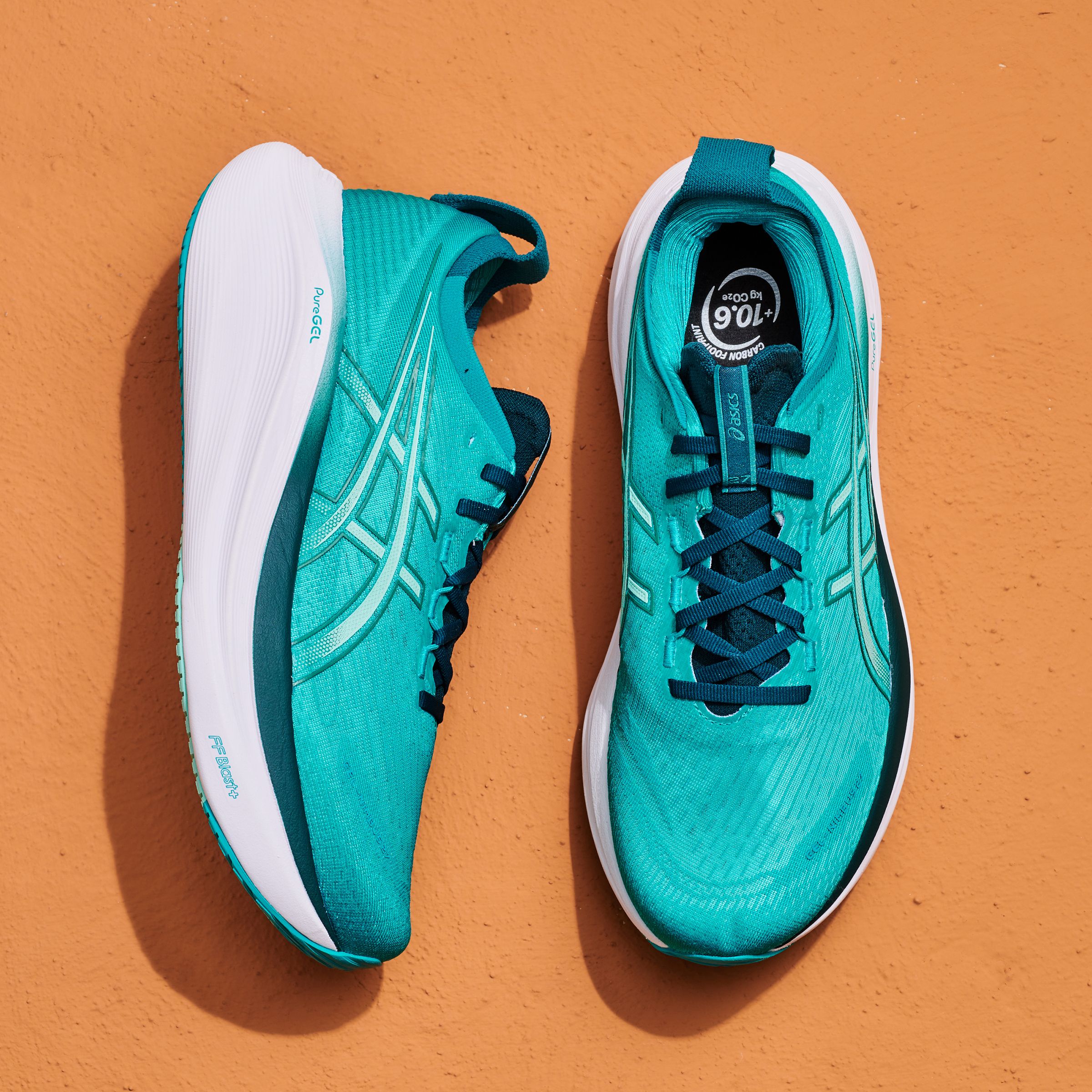
While the Asics Gel Cumulus offers good shock absorption with its gel pods, these can start to feel mushy after several hundred miles, especially if you run on hard surfaces. The Wave Rider keeps its structure and bounce for longer, offering better value over time.
Responsiveness And Energy Return
When you run, you want your shoes to not only protect your feet but also help you move forward. This is where energy return matters.
- Mizuno Wave Rider: The combination of the Wave Plate and Enerzy foam means you get a “pop” with every step. Many runners say they feel less tired after long runs, because the shoe gives back some energy.
- Asics Gel Cumulus: While FlyteFoam is light, the Gel Cumulus feels softer and more cushioned, but less lively. The energy return is decent, but not as noticeable as in the Wave Rider.
This difference is especially obvious if you do tempo runs or speed workouts. The Wave Rider feels more “ready to go,” while the Cumulus is better for easy, relaxed runs.
Fit, Comfort, And Upper Design
How a shoe fits and feels is deeply personal. However, there are some clear differences between these two shoes:
- Mizuno Wave Rider: Known for its “snug but not tight” fit, the Wave Rider hugs the foot without squeezing. The engineered mesh upper is soft, but also supportive. There’s enough room in the toe box for splay, yet the midfoot feels secure.
- Asics Gel Cumulus: The Cumulus runs a little wider, especially in the forefoot. Some runners with narrow feet may find it too roomy. The upper is comfortable, but less structured, which can lead to sliding inside the shoe during sharp turns.
Another detail: the Wave Rider’s heel counter is firmer, which means less heel slip and better lockdown, especially for runners with narrow heels.
Durability And Outsole Performance
Nobody wants to replace their shoes every few months. Durability is where the Wave Rider often wins.
- Outsole Material: The Wave Rider uses X10 carbon rubber in high-wear areas. This is one of the hardest-wearing rubbers on the market. The Cumulus uses AHAR rubber, which is also good, but tends to wear down a bit faster, especially at the heel.
- Midsole Longevity: The Wave Plate doesn’t compress as much as foam or gel. Many runners report getting 400–600 miles from the Wave Rider before the cushioning feels “dead.” The Gel Cumulus, while durable, often loses its initial softness by 300–400 miles.
Here’s how durability compares in real-world use:
| Aspect | Mizuno Wave Rider | Asics Gel Cumulus |
|---|---|---|
| Expected Mileage | 400–600 miles | 300–450 miles |
| Outsole Wear Pattern | Even, slow wear | Quicker heel wear |
| Midsole Compression | Resists flattening | Softens over time |
While both shoes last longer than cheap running shoes, the Wave Rider’s construction means you’ll likely get more miles before needing a new pair.
Versatility For Different Runners And Runs
Not every runner has the same needs. Some run on roads, others on tracks, and some mix surfaces. Here’s where the Wave Rider shines:
- All-Rounder: The Wave Rider feels comfortable at slow paces, but also holds up for faster efforts. It transitions well between easy runs, tempo runs, and even light intervals.
- Stability Without Bulk: Thanks to the Wave Plate, you get mild stability without extra weight or stiff posts. This is great for runners who sometimes pronate mildly but don’t want a “stability shoe.”
- Wet and Dry Grip: The outsole design and rubber compound provide excellent grip, even on wet roads. The Cumulus can be a bit slippery on painted lines or tiles when wet.
One insight many beginners miss: as you become a more experienced runner, you may want shoes that can do more than just one thing. The Wave Rider is a true “do-it-all” shoe—perfect for runners who don’t want to own multiple pairs for different workouts.

Weight And Ride Feel
Even small differences in shoe weight can matter during long runs or races. While both shoes are lightweight, the Wave Rider often feels lighter on the foot, thanks to its design and balance.
- Mizuno Wave Rider: 9.7 oz (Men’s US 9)
- Asics Gel Cumulus: 9.9 oz (Men’s US 9)
This may seem like a tiny difference, but the Wave Rider’s firmer cushioning means less energy is absorbed with each step, giving a sensation of “quickness. ” Over a marathon, that sensation can make a big difference in how fresh your legs feel at mile 20.
Breathability And Temperature Management
Running in hot weather can be tough, and shoes that trap heat make things worse. The Wave Rider’s mesh upper is finely engineered, with larger pores in key areas for airflow. This means:
- Cooler Feet: Less risk of blisters from sweat buildup.
- Faster Drying: If you run in the rain or step in a puddle, the shoe dries quicker.
In contrast, some versions of the Gel Cumulus have thicker overlays and a denser mesh, which can hold heat and moisture. This makes the Wave Rider a better choice for summer or tropical climates.
Injury Prevention And Foot Health
One area that’s often overlooked is how shoes affect injury risk. Both models are designed for neutral runners, but the Wave Rider’s support system can help in subtle ways.
- Wave Plate: Spreads shock across the foot, reducing pressure on any one spot. This is useful for runners prone to plantar fasciitis or shin splints.
- Structured Upper: Minimizes unwanted foot movement, lowering the risk of blisters or black toenails.
- Consistent Ride: As the cushioning doesn’t “bottom out” quickly, your running form stays more stable over time.
In contrast, the Gel Cumulus, while soft and comfortable, doesn’t guide the foot as much. Over long runs, especially if you get tired and your form slips, this can lead to minor aches.
Real-world Runner Feedback
Expert reviews are useful, but regular runners’ opinions are just as important. Looking at hundreds of reviews across forums and running groups, a few patterns appear:
- Wave Rider: Praised for its durability, “just right” cushioning, and secure fit. Many marathoners use it as their main training shoe. Some say it even feels fast enough for racing.
- Gel Cumulus: Loved for its comfort and soft feel underfoot. Beginners and those who prefer a “plush” ride tend to like it, but some complain it gets too soft after a few months.
A common insight from experienced runners is that the Wave Rider works for a wider range of foot shapes and running styles. If you’re not sure what you need, it’s the safer bet.

Cost Effectiveness And Value
With running shoes, price isn’t everything—but when you’re paying $120–$150, you want your money’s worth.
- Mizuno Wave Rider: Typically costs $130–$150. Because it lasts longer (often by 20–30% more miles), the cost-per-mile is lower. You may replace it less often, saving money over the years.
- Asics Gel Cumulus: Slightly cheaper at $120–$140. However, if you run a lot, you may need to buy new pairs more often.
One mistake beginners make is buying shoes based only on the price tag. Over time, a more durable shoe like the Wave Rider actually costs less per mile, and you avoid the frustration of worn-out cushioning too soon.
Common Mistakes When Choosing Between The Two
Many first-time buyers make these mistakes:
- Focusing Only on Initial Comfort: The Gel Cumulus feels softer out of the box. But after 100 miles, the Wave Rider stays more consistent.
- Ignoring Foot Shape: If you have a very wide forefoot, the Cumulus may fit better. But most runners find the Wave Rider’s fit more secure, which helps with longer runs.
- Overlooking Long-Term Value: A shoe that lasts longer and supports your form reduces injury risk and saves money.
- Not Considering Running Goals: If you want to run faster or do races, the Wave Rider’s energy return helps more than the plushness of the Cumulus.
Who Should Choose The Mizuno Wave Rider?
The Wave Rider is especially good for:
- Runners doing more than 15 miles per week
- People training for races (5K, 10K, half marathon, marathon)
- Heavier runners who need durable, supportive cushioning
- Anyone who wants one shoe for all types of runs
If you prefer a firmer, responsive ride over pure softness, the Wave Rider is the better pick.
Who Might Prefer Asics Gel Cumulus?
The Gel Cumulus is a good option if:
- You want a very soft, plush feel underfoot
- You have a wide forefoot and need extra space
- You mostly do short, easy runs and don’t mind replacing shoes more often
Some walkers and casual runners love the Cumulus for its immediate comfort.
Summary Comparison: Which Is Really Better?
For most runners, the Mizuno Wave Rider offers a superior balance of durability, support, responsiveness, and versatility. The Gel Cumulus is a solid shoe, especially for those who like a soft, cushioned ride, but it can’t match the long-term value and all-round performance of the Wave Rider.
Here’s a final head-to-head look:
| Category | Mizuno Wave Rider | Asics Gel Cumulus |
|---|---|---|
| Cushioning Feel | Responsive, springy | Soft, plush |
| Durability | High | Moderate |
| Fit | Secure, adaptable | Roomy, especially forefoot |
| Best For | All types of runs, high mileage | Short, easy runs, casual use |
| Value | Better cost per mile | Good initial price |
For more technical specs and reviews, you can visit the official Mizuno Wave Rider page.
Frequently Asked Questions
Why Is The Mizuno Wave Rider More Durable Than The Asics Gel Cumulus?
The Wave Rider uses a Wave Plate and X10 carbon rubber, which both resist wear and flattening. The Cumulus, while durable, relies more on foam and gel, which compress faster over time.
Is The Mizuno Wave Rider Good For Beginners?
Yes, the Wave Rider is an excellent choice for beginners. It offers a balance of cushioning, support, and durability, making it forgiving for new runners who may not know their stride yet.
Can I Use The Wave Rider For Long-distance Races?
Absolutely. Many marathoners and half-marathoners use the Wave Rider for both training and racing. Its cushioning stays consistent, and the energy return helps keep your legs fresh over long distances.
How Does The Fit Compare Between The Two Shoes?
The Wave Rider fits snugly but adapts to different foot shapes. The Gel Cumulus runs wider in the forefoot, which may suit some, but can feel loose to others, especially during faster runs.
Which Shoe Is Better For Injury Prevention?
Both shoes are safe for neutral runners, but the Wave Rider’s Wave Plate spreads impact and supports your stride, which can reduce stress on your feet and legs over time.
Choosing the right shoe can make a big difference in your running experience. By understanding the subtle but important differences between the Mizuno Wave Rider and the Asics Gel Cumulus, you’re better equipped to pick the shoe that will support your goals, keep your feet healthy, and help you enjoy every mile.

