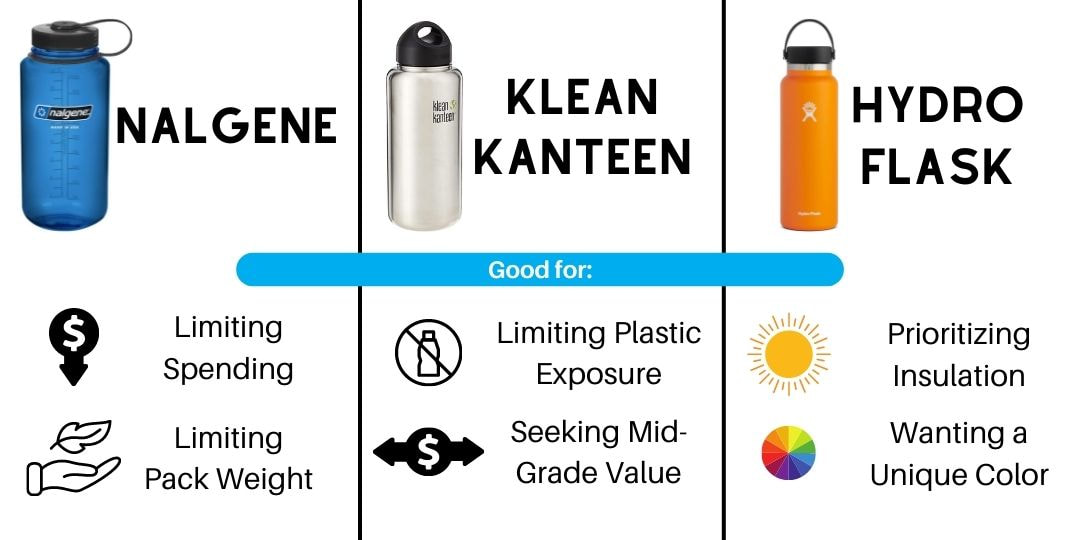
Camelbak and Nalgene are two of the most recognized names in the world of reusable water bottles. If you’ve ever shopped for a bottle for hiking, gym, or daily use, you’ve probably seen both brands. But many people ask: Why is Camelbak better than Nalgene? The answer isn’t as simple as “one is good, one is bad.” Instead, it comes down to design, usability, innovation, and a few key features that make Camelbak stand out. Let’s dive deep and see why Camelbak often gets the edge, especially for active users and those who value convenience.
The Origins And Philosophy: Why It Matters
Camelbak started with a simple but powerful idea: make hydration easier for people on the go. The brand’s roots are in biking and adventure sports, where quick, hands-free drinking is crucial. In contrast, Nalgene has its origins in laboratory equipment, later moving into outdoor bottles known for durability and simplicity.

Today's Exclusive Deals
Limited-time Exclusive Deals. Check current discount on Amazon.
Check Price on Amazon As an Amazon Associate I earn from qualifying purchases.This difference in origins affects how each brand approaches bottle design. Camelbak focuses on innovation and user experience, adding features that make drinking easier, cleaner, and more efficient. Nalgene sticks to robust, reliable basics.
Key Design Differences: Camelbak’s Winning Features
When comparing Camelbak and Nalgene, you need to look at the details. Here are the main design elements that give Camelbak an advantage.
1. Bite Valve And Spill-proof Technology
Camelbak’s most famous feature is the bite valve. You simply bite and sip, making it nearly impossible to spill. With Nalgene, you must unscrew the lid and drink directly, which can lead to spills, especially while moving.
Today's Exclusive Deals
Limited-time Exclusive Deals. Check current discount on Amazon.
Check Price on Amazon As an Amazon Associate I earn from qualifying purchases.Example
Imagine you’re jogging or biking. With a Camelbak, you can drink without stopping or worrying about spills. With a Nalgene, you’ll likely need to slow down, use both hands, and pay attention to avoid splashing.
2. Hands-free Hydration Packs
Camelbak revolutionized hydration with their hydration packs—backpacks with built-in bladders and hoses. This allows truly hands-free drinking. Nalgene doesn’t offer this option.
Data Point
According to a survey by Outdoor Gear Lab, 72% of hikers prefer hydration packs for long treks, and Camelbak holds a majority market share in this category.
3. Ergonomic Bottle Shapes
Camelbak bottles are designed with curves and grips that fit comfortably in your hand. Many Nalgene bottles are straight, wide, and can be awkward to hold, especially for small hands or children.
Today's Exclusive Deals
Limited-time Exclusive Deals. Check current discount on Amazon.
Check Price on Amazon As an Amazon Associate I earn from qualifying purchases.4. Leak-proof Lids And Safety Locks
Camelbak bottles often have locking mechanisms that prevent accidental leaks, even if the bottle tips over in your bag. Nalgene bottles rely mostly on screw-top lids, which can loosen over time.
5. Integrated Straw Systems
Many Camelbak bottles include built-in straws, so you don’t need to tip the bottle. This makes drinking easier while driving, working, or exercising.
User Experience: Real Life Matters
Design is just one part of the story. Let’s look at how these features translate to real-world use.
Camelbak For Active Lifestyles
If you’re someone who moves a lot—biking, hiking, or working out—Camelbak’s hands-free systems and spill-proof valves are game-changers. You can drink without distraction, keep your focus, and stay hydrated without pausing.
Nalgene For Simplicity And Durability
Nalgene bottles are famous for their toughness. Drop them, freeze them, leave them in the sun—they survive. But their simplicity means you must handle the bottle carefully, especially when drinking in motion.
Non-obvious Insight
Many beginners think all bottles are similar, but the way you drink (hands-free vs. direct sip) can change your hydration habits. Camelbak users tend to drink more water during activities because it’s so easy.
Material And Safety: Comparing Quality
Both brands use BPA-free materials now, but there are differences in feel, weight, and safety.
| Brand | Main Material | BPA-Free | Weight (32oz) | Dishwasher Safe |
|---|---|---|---|---|
| Camelbak | Tritan, Stainless Steel | Yes | ~10 oz | Yes |
| Nalgene | Tritan | Yes | ~6 oz | Yes |
Camelbak offers more material options, including insulated stainless steel, which keeps drinks cold longer. Nalgene mainly uses Tritan plastic, which is lighter but doesn’t insulate as well.
Insulation Options
Camelbak bottles come in insulated versions, keeping drinks cold for up to 24 hours (according to manufacturer data). Nalgene does not offer true insulation—your drink warms up quickly.
Cleaning And Maintenance
Both brands are dishwasher-safe. However, Camelbak’s complex valves and hoses need extra cleaning attention. It’s easy to miss hidden spots if you don’t disassemble properly, which can lead to mold. Nalgene bottles are simpler and easier to clean thoroughly.
Price And Value: Is Camelbak Worth The Extra Cost?
Camelbak bottles and packs tend to cost more than Nalgene. But are you really paying for quality and convenience?
| Product | Average Price (USD) | Key Features |
|---|---|---|
| Camelbak Eddy+ 32oz | $20–$25 | Bite valve, straw, insulation |
| Nalgene Tritan 32oz | $10–$15 | Wide mouth, tough plastic |
| Camelbak Hydration Pack | $50–$120 | Hands-free, large capacity, backpack |
| Nalgene Hydration Pack | N/A | No equivalent product |
Camelbak’s higher price reflects its advanced features and materials. For users who value ease, spill-proof drinking, and insulation, Camelbak delivers more.
Value For Money
If you use your bottle daily, or in demanding situations, the extra cost pays off. You get fewer spills, more comfortable use, and better temperature control.
Durability And Longevity: Which Lasts Longer?
Nalgene is legendary for durability. Many outdoor enthusiasts still use bottles bought 10 years ago. Camelbak bottles are also durable, but the extra parts—valves, straws, locks—can wear out or need replacement.
Real-world Example
A backpacker who dropped a Nalgene bottle off a cliff found it intact hours later. Camelbak bottles can survive similar drops, but the valves and straws might crack or break.
Practical Advisor Tip
If you need a bottle for extreme environments, Nalgene’s simple, tough design is reliable. But if you value convenience and use the bottle in everyday situations, Camelbak’s features outweigh the risk of small parts wearing out.
Environmental Impact: Which Is Greener?
Both brands promote reusable bottles to reduce single-use plastic waste. However, Camelbak’s complex products use more parts and materials, which can be harder to recycle.
Non-obvious Insight
Many people forget that insulation (double walls, metal) in Camelbak bottles uses more energy to produce. Nalgene’s simple Tritan bottles are easier to recycle and have a lower manufacturing footprint.
Sustainability Efforts
Camelbak and Nalgene both have recycling programs and use recycled materials in some products. Camelbak’s focus on innovation sometimes means more waste from broken valves or hoses, while Nalgene bottles rarely break.
Customization And Accessories: Personalizing Your Bottle
Camelbak offers a wide range of accessories—replacement valves, cleaning kits, carrying straps, and color options. Nalgene is more limited, but you can buy different lids and stickers.
Camelbak Customization
- Replaceable bite valves
- Cleaning brushes for hoses
- Insulated sleeves
- Color and size choices
Nalgene Customization
- Different lids (wide, narrow, sip)
- Stickers for personalization
Camelbak’s accessories make it easy to keep your bottle working and looking new. Nalgene’s simplicity means fewer parts to lose or replace.
Health And Hygiene: Drinking Safely
Camelbak’s valves keep your drinking area protected from dirt and germs. If you drop your bottle, the valve stays clean. Nalgene’s open mouth is exposed to the environment, which can lead to contamination.
Common Mistake
Many people forget to clean Camelbak valves and hoses. Mold can build up fast if you neglect them. Nalgene bottles are easier to rinse, but the wide mouth can let in more germs if you use it outdoors.
Comparing Camelbak And Nalgene: The Most Important Factors
Let’s review the main differences in a clear, side-by-side format.
| Feature | Camelbak | Nalgene |
|---|---|---|
| Spill-Proof | Yes (bite valve) | No |
| Hands-Free | Yes (hydration packs) | No |
| Insulation | Yes (up to 24 hrs) | No |
| Durability | High, but more parts | Very high |
| Cleaning | More complex | Simple |
| Price | Higher | Lower |
| Customization | Many options | Limited |
| Environmental Impact | More parts, harder to recycle | Simple, easy to recycle |
| Market Share (Hydration Packs) | Majority | N/A |
Who Should Choose Camelbak?
Camelbak is best for:
- Athletes: The hands-free, spill-proof drinking is perfect for runners, bikers, and gym users.
- Commuters: Drink safely while driving, thanks to the bite valve and straw system.
- Parents and kids: Less mess, easier grip, safer hydration.
- Outdoor enthusiasts: Hydration packs make long hikes and treks much easier.
If you value convenience, clean drinking, and advanced features, Camelbak is the clear winner.
Where Nalgene Still Wins
Nalgene is best for:
- Extreme durability: If you need a bottle that can survive anything, Nalgene is reliable.
- Simple cleaning: Easy to wash, fewer parts, less risk of mold.
- Budget shoppers: Lower price, fewer extras.
- Eco-conscious users: Less material, easier recycling.
If you don’t need fancy features, and just want a tough, basic bottle, Nalgene is hard to beat.
The Camelbak Advantage: Deeper Insights
Camelbak’s Focus On Innovation
Camelbak invests heavily in research and development, constantly releasing new products and features. For example, their Podium series uses a self-sealing cap that prevents leaks even when squeezed.
User Reviews And Satisfaction
Online reviews show that Camelbak users report higher satisfaction, especially for hydration packs and insulated bottles. According to OutdoorGearLab, Camelbak hydration packs receive an average rating of 4.5/5 compared to Nalgene’s 4/5 for bottles.
Practical Advisor Guidance
For most people, the convenience of Camelbak outweighs the risks of extra parts or higher price. If you spend time outdoors, exercise, or just want a mess-free bottle, Camelbak’s design pays off every day.
Frequently Asked Questions
Is Camelbak Really Spill-proof?
Yes, thanks to the bite valve and self-sealing caps, Camelbak bottles are almost impossible to spill unless the valve is damaged. This makes them safe for bags, cars, and kids.
Can Camelbak Bottles Keep Drinks Cold Longer Than Nalgene?
Camelbak’s insulated bottles can keep drinks cold for up to 24 hours, while Nalgene bottles do not offer real insulation. If you need cold drinks for long periods, Camelbak is better.
Are Camelbak Bottles Harder To Clean Than Nalgene?
Camelbak bottles have more parts—valves, straws, locks—which need careful cleaning. Nalgene bottles are simple and easier to wash, but both are dishwasher-safe.
Is Camelbak Worth The Higher Price?
If you value convenience, hands-free drinking, and insulation, Camelbak is worth the extra cost. For basic use and durability, Nalgene is cheaper and reliable.
Which Is Better For Hiking: Camelbak Or Nalgene?
For long hikes, Camelbak’s hydration packs are much better, allowing you to drink without stopping. Nalgene bottles are great for short trips or as backup, but not for hands-free hydration.
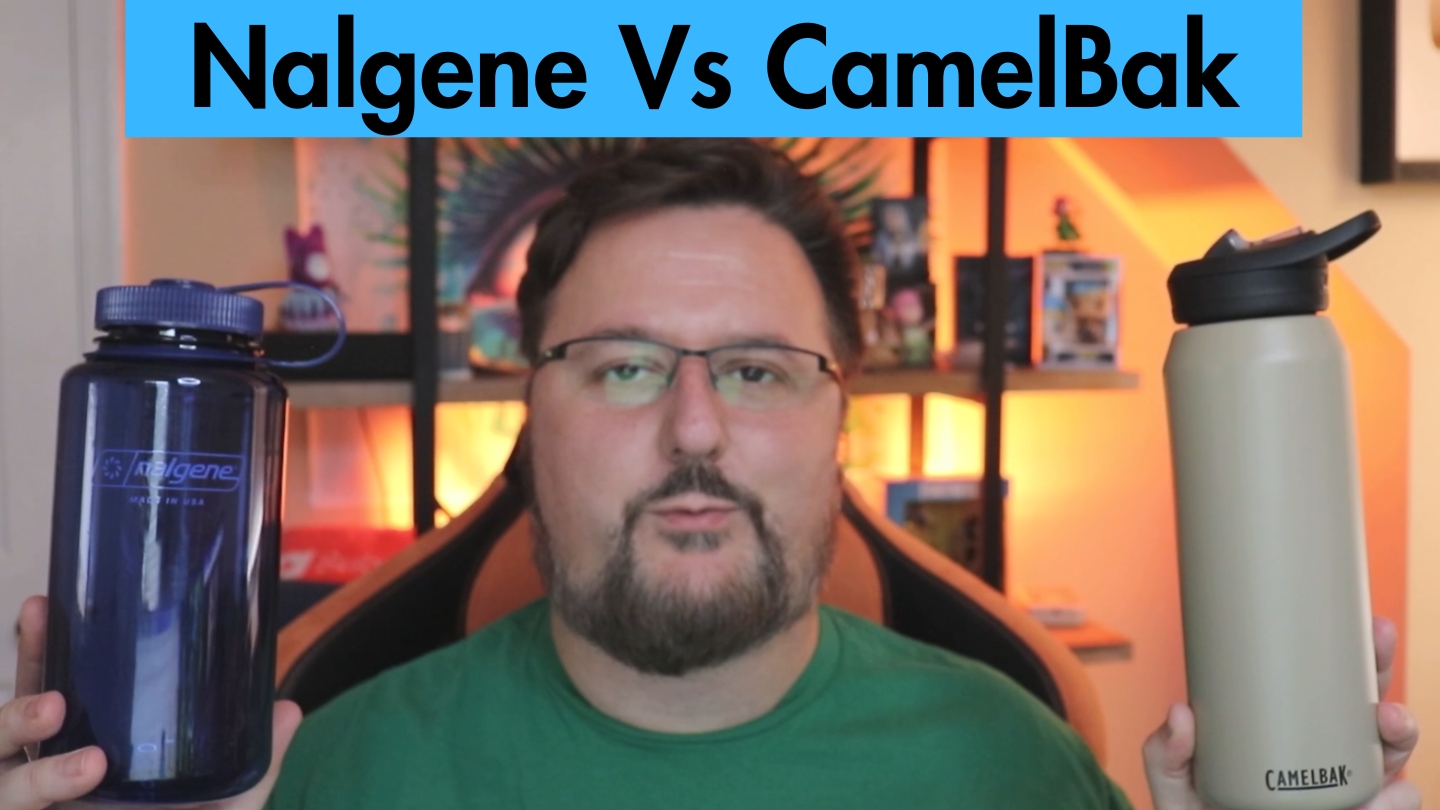
Camelbak and Nalgene both have their strengths, but Camelbak’s focus on innovation, spill-proof technology, and hands-free hydration make it the better choice for most users who want convenience and smart design. If you need a bottle that fits your active life, Camelbak is the clear winner.