
The world of running watches is full of choices, but two models catch the eyes of many runners: the Garmin Forerunner and the Polar Pacer. Both brands are trusted, but if you look closer, the Forerunner stands out. Many runners ask: *Why is Garmin Forerunner better than Polar Pacer?* Let’s dive deep into the features, real-world use, and practical differences. You’ll find clear reasons why the Forerunner is often the better pick for both beginners and experienced runners.
Design And Build Quality
When you first hold a running watch, the feel and look matter. The Garmin Forerunner has a more modern and refined design. The case is slim but sturdy. It fits comfortably, even during long runs or sleep.

Today's Exclusive Deals
Limited-time Exclusive Deals. Check current discount on Amazon.
Check Price on Amazon As an Amazon Associate I earn from qualifying purchases.The Forerunner uses high-quality materials that resist scratches and sweat. The screen is bright, easy to read in sunlight, and protected by durable glass. In contrast, the Polar Pacer is lightweight and simple, but its plastic case feels less premium. The screen is less vibrant, especially under strong sunlight.
Another difference is the button layout. The Forerunner’s buttons are tactile, easy to press, and well-placed. This makes it easier to use with sweaty hands or gloves. The Polar Pacer’s buttons are sometimes harder to press, which can slow you down.
Display And User Interface
The screen is your main way to interact with any running watch. Garmin has invested heavily in their display technology. The Forerunner’s transflective memory-in-pixel (MIP) display is clear, colorful, and readable in all conditions. You can see your pace, heart rate, and maps even in bright daylight.
The interface is simple but powerful. You can scroll through menus quickly and change settings without confusion. The Forerunner also supports custom watch faces, letting you personalize your screen.
Polar Pacer’s screen is more basic. It is readable indoors, but in direct sunlight, it fades. The menus are less intuitive. Changing settings takes more steps, and customization is limited.
Here’s a quick comparison:
| Feature | Garmin Forerunner | Polar Pacer |
|---|---|---|
| Display Type | MIP Color | Basic LCD |
| Brightness | High | Medium |
| Customization | Advanced | Limited |
| Ease of Use | Smooth | Basic |
Gps Accuracy And Performance
Accurate GPS is the heart of any running watch. It tracks your route, speed, and distance. The Garmin Forerunner uses multi-band GPS, which means it gets signals from different satellite systems (GPS, GLONASS, Galileo). This results in more precise tracking, even in cities or forests.
Independent tests show Forerunner’s GPS error is often less than 1%. It locks onto satellites quickly, so you start your run without waiting. The route maps are smooth, and splits are accurate.
Polar Pacer uses standard GPS. It works well in open areas, but in challenging locations (urban, wooded), the error can go over 5%. Sometimes, it takes longer to lock onto satellites, which delays your run.
Many runners miss how much GPS accuracy affects their training data. If your route is off, your pace and distance will be wrong. This leads to poor decisions about your running plan.
Heart Rate Monitoring And Health Metrics
Heart rate data helps you train smarter. The Forerunner uses Elevate™ optical heart rate sensor. It tracks your heart rate 24/7, during exercise, sleep, and stress. The sensor is known for its accuracy, even during interval workouts.
Garmin also tracks advanced metrics like VO2 Max, recovery time, and training load. These help you understand your fitness and when to rest.
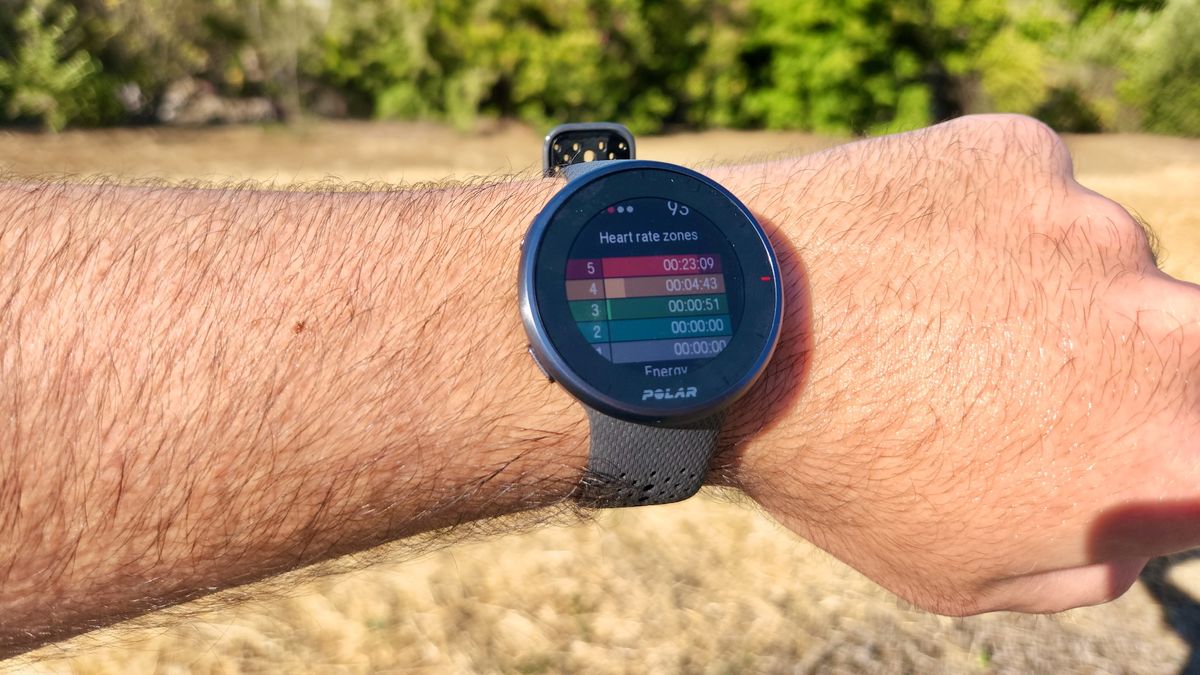
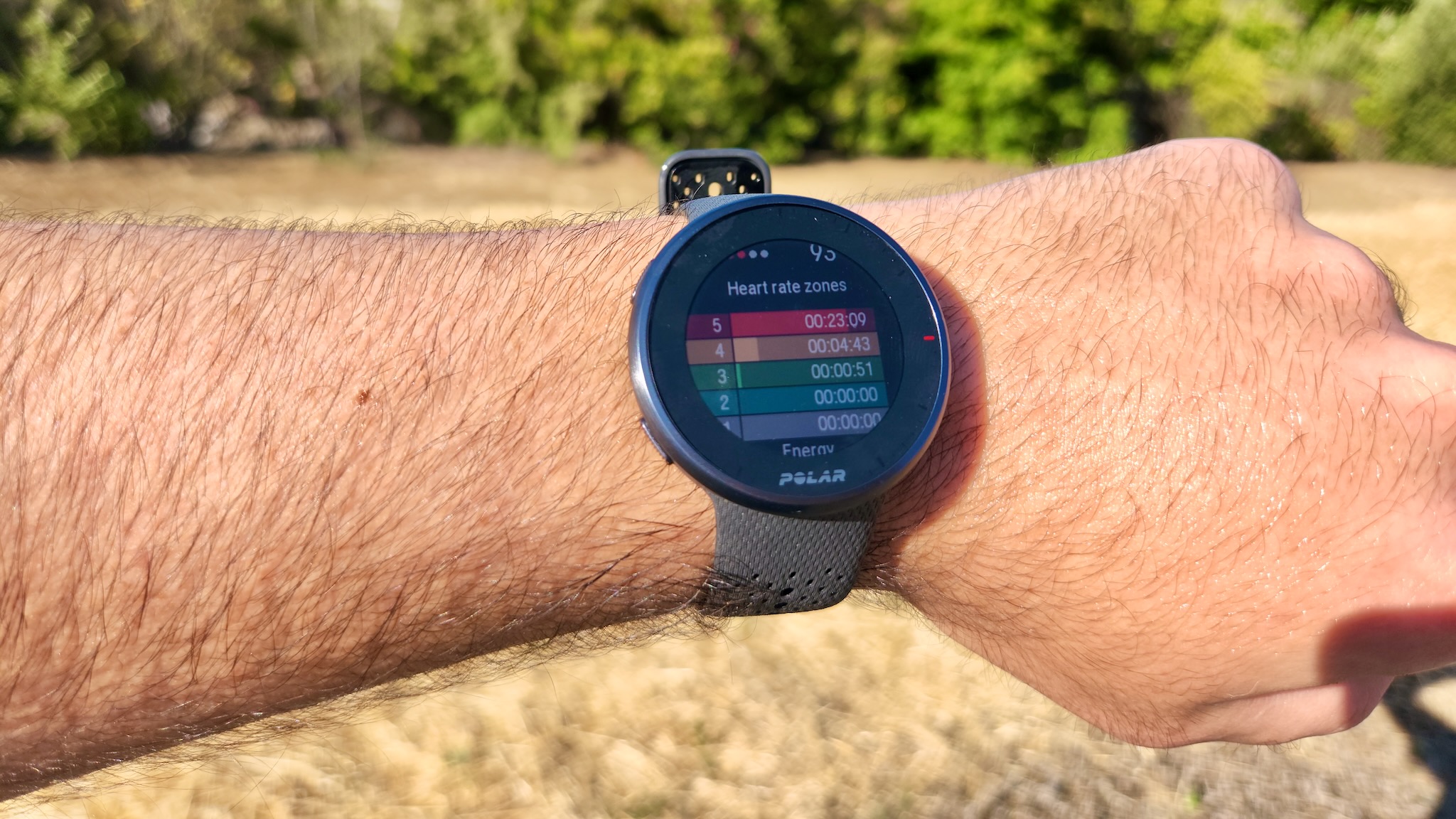
Polar Pacer has a reliable heart rate sensor, but it’s less advanced. The data is good during steady runs, but less accurate during intense intervals. Polar offers basics like heart rate zones, but misses out on VO2 Max and recovery advice.
One thing beginners often miss is the value of advanced health metrics. These numbers help you avoid overtraining and injuries. Forerunner’s deeper insights give you a smarter way to plan your training.
Battery Life And Charging
Long battery life means more freedom. The Forerunner lasts up to 14 days in smartwatch mode and up to 36 hours in GPS mode (varies by model). You can go days without charging.
Polar Pacer’s battery lasts up to 7 days in watch mode and 30 hours in GPS mode. This is good, but not as impressive as Garmin.
Charging is another point. Forerunner uses a fast, easy charging cable. You get a full charge in under two hours. Polar Pacer’s cable is less sturdy and charging takes longer.
Here’s a battery comparison:
| Battery Mode | Garmin Forerunner | Polar Pacer |
|---|---|---|
| Smartwatch | Up to 14 days | Up to 7 days |
| GPS | Up to 36 hours | Up to 30 hours |
| Charge Time | ~2 hours | ~3 hours |
Training Features And Smart Functions
Forerunner offers many training tools. It supports intervals, virtual pacer, race prediction, and adaptive training plans. You can set goals and get daily suggested workouts based on your fitness.
The Forerunner also tracks cadence, stride length, vertical oscillation, and ground contact time. These are advanced running dynamics. They help you improve your form and reduce injury risk. Few watches in this price range offer this depth.
Polar Pacer has basic training features. It supports intervals and heart rate zones. But it does not offer adaptive plans or advanced running metrics. This limits its usefulness for runners who want to improve technique.
A non-obvious insight: Many runners think they don’t need advanced metrics. But even beginners benefit from training suggestions and running dynamics. They help avoid common mistakes, like starting too fast or running with poor form.
Navigation And Mapping
Navigation is key for trail runners and city explorers. Garmin Forerunner offers turn-by-turn navigation, breadcrumb trails, and route planning. You can load routes, follow them, and get alerts if you go off track.
Polar Pacer does not support maps or navigation. You cannot upload routes or get directions. This is a big gap for runners who like new paths or travel often.
Garmin’s navigation is user-friendly. You can plan routes on your phone and sync them to the watch. If you get lost, the watch guides you back. Polar Pacer only records your route but does not help you find your way.
Smartwatch Features
Today’s runners want more than fitness tracking. Forerunner acts as a smart companion. It supports notifications, music controls, weather, calendar, and app downloads. You can get texts, control music, and check the forecast without your phone.
Garmin’s Connect IQ store lets you add apps and widgets. You can customize your watch to fit your lifestyle.
Polar Pacer has basic smartwatch features. It shows notifications, but you cannot reply or control music. There is no app store or extra widgets.
This makes Forerunner better for daily use. You can wear it everywhere and enjoy smart features, not just during runs.
App Ecosystem And Connectivity
Garmin’s Connect app is one of the best fitness apps. It syncs your data, shows detailed stats, and connects with other services like Strava, MyFitnessPal, and TrainingPeaks. You can analyze your workouts, set goals, and join challenges.
Garmin Connect is user-friendly, with clear charts and easy sharing. You can see your progress over time, compare runs, and get feedback.
Polar uses the Flow app. It syncs your data and offers basic charts. But it is less detailed and has fewer connections. Sharing workouts or joining challenges is harder.
A key insight: The app matters as much as the watch. Good data analysis helps you see improvement and stay motivated. Garmin’s ecosystem is richer and more helpful.
Price And Value For Money
Both watches are priced for runners who want value. The Forerunner costs more, but offers more features. For example, the Forerunner 245 averages $299, while the Polar Pacer costs about $199.
But the extra cost brings:
- Better GPS and heart rate
- More training features
- Smartwatch functions
- Longer battery life
Polar Pacer is cheaper, but you get fewer features. For serious runners, the extra investment in Forerunner pays off in better training and daily use.
Real-world User Feedback
Runners around the world share their experiences. Most say the Forerunner is reliable, durable, and easy to use. It helps them improve their running and avoid injuries. The navigation and training plans are especially popular.
Polar Pacer users praise its light weight and simple design. But many wish it had better GPS, more training features, and smarter functions.
One common mistake: Some buyers focus only on price. They later regret missing out on features that help them train smarter. Real-world feedback shows Forerunner users are more satisfied over time.
Advanced Insights: What Beginners Overlook
- Training Load and Recovery Advice: Forerunner tracks your effort and tells you when to rest. This prevents overtraining, a common cause of injury. Polar Pacer does not offer this advice.
- Running Dynamics: Forerunner measures stride and ground contact. These help you improve form. Beginners often ignore form, but it makes a big difference in performance and injury prevention.
- Route Navigation: Being able to follow a planned route or find your way back is crucial for safety. Forerunner’s navigation gives peace of mind on unfamiliar paths.
- App Integration: Garmin’s app connects with many services. This lets you share progress, join challenges, and get expert advice.
- Smart Features: Notifications and music controls help you stay connected without carrying your phone. This is handy during races or long runs.
Comparison Table: Feature Highlights
Let’s see the main features side by side:
| Feature | Garmin Forerunner | Polar Pacer |
|---|---|---|
| GPS Accuracy | Multi-band, <1% error | Standard, up to 5% error |
| Heart Rate Sensor | Advanced, 24/7 tracking | Basic, exercise-only |
| Training Plans | Adaptive, daily suggestions | Basic intervals |
| Running Dynamics | Stride, cadence, vertical oscillation | None |
| Navigation | Maps, turn-by-turn | None |
| Smartwatch Features | Apps, music, notifications | Basic notifications |
| Battery Life | Up to 14 days | Up to 7 days |
| App Ecosystem | Connect, rich integration | Flow, limited integration |
| Price | $299 | $199 |
Practical Tips For Choosing
If you are deciding between these watches, ask yourself:
- Do you need accurate GPS for running in cities or forests?
- Will you use training plans and recovery advice?
- Do you want smartwatch features like music and notifications?
- Are advanced running metrics important for your progress?
- Do you run new routes and need navigation?
If you answer “yes” to any, the Forerunner is the better choice.
Forerunner also suits runners who grow over time. As you improve, you will use more features. Polar Pacer suits simple needs, but does not support growth as much.

Common Buyer Mistakes
- Ignoring GPS Accuracy: Poor GPS leads to bad data. Always check the accuracy before buying.
- Skipping Advanced Metrics: Even if you are a beginner, advanced metrics help you improve safely.
- Focusing Only on Price: Cheap watches save money but may miss features you need later.
- Underestimating Battery Life: Short battery means more charging and missed data.
- Overlooking App Ecosystem: Good apps help you analyze and share your progress.
Who Should Choose Garmin Forerunner?
- Serious runners: Want deeper training insights and advanced features.
- Beginners aiming to improve: Benefit from adaptive plans and recovery advice.
- Trail and city runners: Need strong GPS and navigation.
- Tech lovers: Enjoy smart features and app integration.
- Anyone valuing durability: Want a watch that lasts, even in tough conditions.
Polar Pacer is good for:
- Casual runners: Simple tracking, basic features.
- Budget buyers: Lower price.
- Lightweight fans: Prefer simple, light design.
Expert Recommendation
After comparing all key points, it’s clear the Garmin Forerunner is better than the Polar Pacer for most runners. The extra cost brings more value, smarter training, and daily convenience. Even if you start as a beginner, you grow into the Forerunner’s features.
If you want to read more about the science behind GPS accuracy in sports watches, visit Wikipedia.
Frequently Asked Questions
Is Garmin Forerunner Worth The Higher Price Compared To Polar Pacer?
Yes. The Forerunner offers better GPS accuracy, advanced training features, and longer battery life. These help you train smarter and avoid injuries, making the extra cost worthwhile.
Can I Use Garmin Forerunner For Other Sports Besides Running?
Definitely. Forerunner supports cycling, swimming, hiking, and more. It tracks different metrics for each sport and adapts to your activity.
How Accurate Is The Heart Rate Sensor On Garmin Forerunner?
The Elevate™ sensor is very accurate, especially during steady runs and daily use. For intense workouts, it’s still reliable but may have slight errors, which is common in wrist-based sensors.
Does Polar Pacer Have Route Navigation?
No. Polar Pacer records your route but does not offer navigation or maps. If you need to follow planned routes or find your way back, Forerunner is the better choice.
Is The Garmin Connect App Easy For Beginners?
Yes. The app is clear, user-friendly, and offers helpful charts. Beginners can see progress, set goals, and get guidance without confusion.
Final Thoughts
Choosing the right running watch is important for your training and daily life. The Garmin Forerunner stands out with better GPS, smarter training tools, and more useful features. It helps you run safer, track progress, and enjoy daily convenience. While the Polar Pacer is good for simple needs, the Forerunner is the best choice for runners who want to grow and get the most from their watch. With strong user feedback and advanced technology, Forerunner is the clear winner for anyone serious about running.

