
Cricket is a game rich in tradition, yet it has always found ways to evolve with the times. One of the most exciting changes in recent decades is the introduction of the Powerplay. If you’re new to cricket or only watch occasionally, the term “Powerplay” might sound confusing. Yet for fans and players alike, Powerplay overs can decide matches, turn the momentum, and showcase both daring batting and clever bowling. This article will help you understand exactly what Powerplay means in cricket, how it works, why it matters, and the strategies behind it. You’ll also discover some surprising facts that even regular viewers may miss.
What Is Powerplay In Cricket?
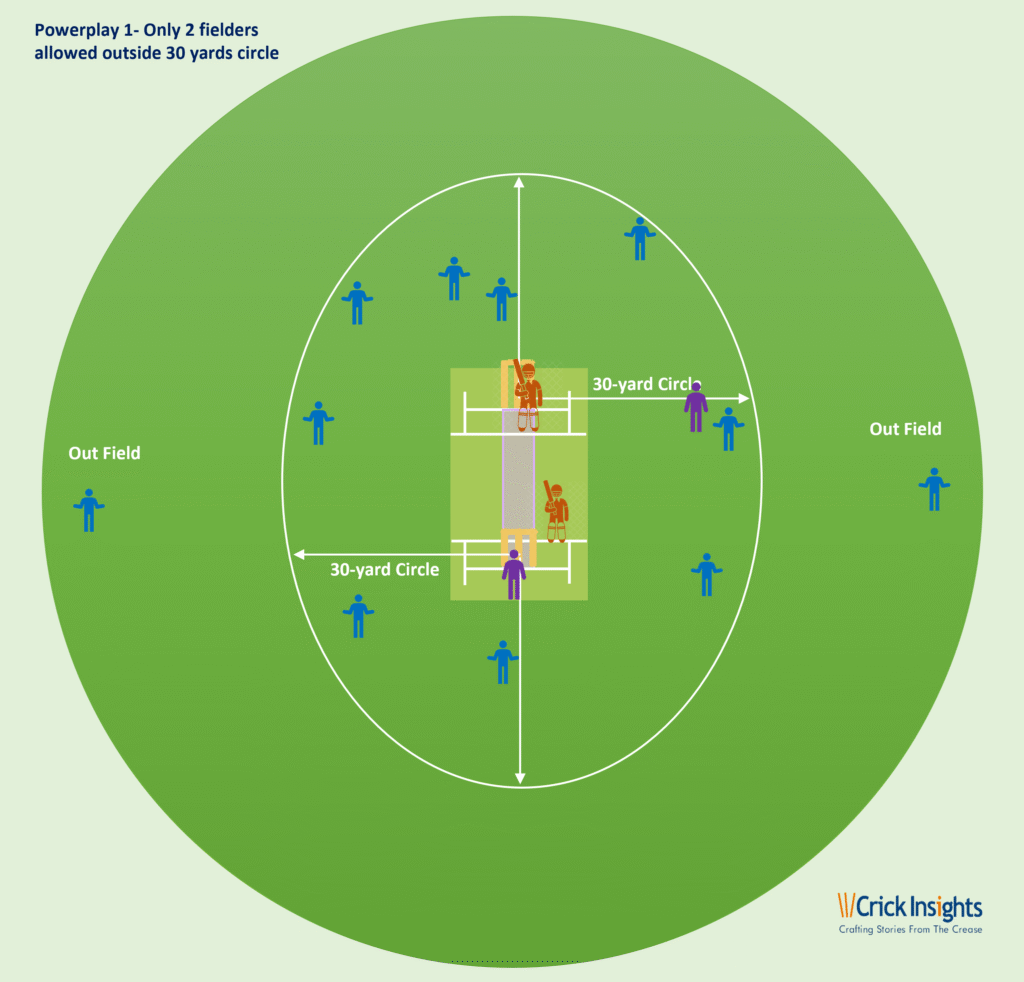
The Powerplay is a set period during a limited-overs cricket match when fielding restrictions apply. This means only a certain number of fielders are allowed outside the inner circle (a marked area on the field) for a fixed number of overs. The idea is to make the game more exciting, encouraging batsmen to play attacking shots and score quickly while giving bowlers a chance to outwit them with smart deliveries.

Today's Exclusive Deals
Limited-time Exclusive Deals. Check current discount on Amazon.
Check Price on Amazon As an Amazon Associate I earn from qualifying purchases.Powerplay is used in both One Day Internationals (ODIs) and Twenty20 (T20) matches, but the rules and duration are different for each format. Test cricket does not use Powerplay.
The History Of Powerplay
Powerplay is a relatively modern invention in cricket terms. It was introduced to make limited-overs matches more dynamic and entertaining. The first fielding restrictions appeared in 1980, but the word “Powerplay” was officially used from 2005 onwards. Over the years, the rules have changed multiple times, reflecting feedback from players, fans, and officials.
Initially, fielding restrictions were simple: for the first 15 overs of an ODI, only two fielders could be outside the circle. The concept of a “batting Powerplay” (chosen by the batting team) and a “bowling Powerplay” (chosen by the fielding team) was also tried, but dropped later for clarity.
Powerplay Rules In Different Formats
Understanding Powerplay means knowing how it works in each format. Let’s break it down:
One Day Internationals (odis)
In ODIs (50 overs per side), there are three Powerplay phases:
| Powerplay | Overs | Fielding Restrictions |
|---|---|---|
| First Powerplay | 1-10 | Only 2 fielders outside the 30-yard circle |
| Second Powerplay (Middle) | 11-40 | Maximum 4 fielders outside the circle |
| Third Powerplay (Death) | 41-50 | Maximum 5 fielders outside the circle |
Twenty20 (t20) Matches
T20 cricket is more explosive, and the Powerplay reflects that:
- First 6 overs: Only 2 fielders outside the 30-yard circle
- After 6 overs: Up to 5 fielders outside the circle for the rest of the innings
There are no “multiple” Powerplays in T20s, making the first six overs crucial for both teams.
The Inner Circle And Fielding Positions
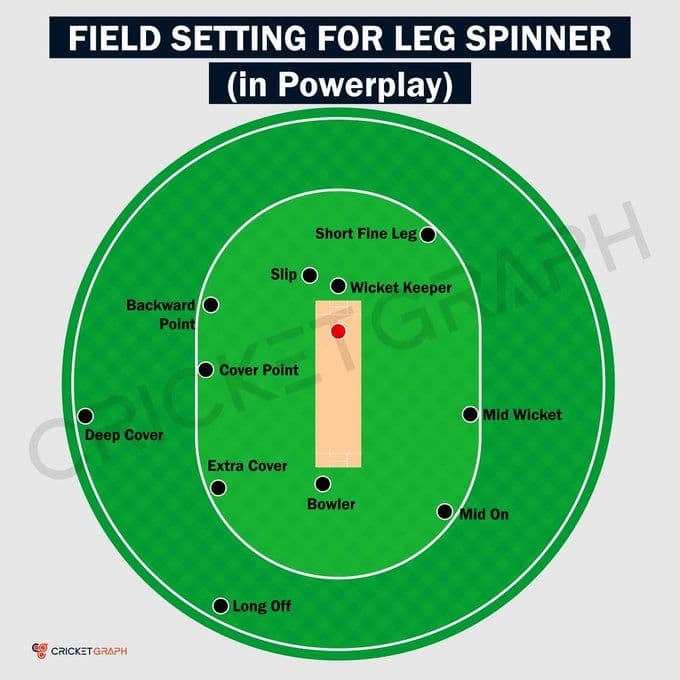
The 30-yard circle is marked on the field and is used to define fielding restrictions. During Powerplay, only a set number of fielders are allowed outside this circle. This means captains must place more fielders close to the batsman, creating scoring opportunities but also chances for catches.
Why Was Powerplay Introduced?
Cricket, especially ODIs, was becoming predictable. Teams played defensively for long periods, leading to slow scoring rates and less excitement. Powerplay was introduced to change this pattern. The aim was to:
- Encourage attacking batting early in the innings
- Prevent defensive fielding for too long
- Give bowlers and fielders more chances for wickets with catches inside the circle
- Make matches more engaging for fans
An important insight: Powerplay also makes teams think more strategically, not just play aggressively. A good Powerplay can set the tone for an entire innings.
How Powerplay Changes The Game
The Powerplay isn’t just a rule; it shapes the entire game. Here’s how:
- Fast Scoring: With fewer fielders outside the circle, batsmen can hit boundaries more easily, especially in the first 10 (ODI) or 6 (T20) overs.
- Risk and Reward: Batsmen often take more risks, but mistimed shots lead to catches in the infield.
- Bowler Strategies: Bowlers focus on swing, seam, and variation to take wickets early, knowing fielders are closer.
- Captain’s Role: Setting the right field and bowling changes becomes critical during Powerplay.
- Match Momentum: A good or bad Powerplay often decides who controls the match.
Common Powerplay Strategies
Both teams use specific strategies during Powerplay:
Batting Team
- Aggressive Opening: Openers try to score quickly, using the gaps in the field.
- Pinch Hitter: Sometimes, teams send a hard-hitter to take full advantage of fielding restrictions.
- Minimizing Risk: If early wickets fall, teams may play carefully to avoid collapsing.
Bowling Team
- Attacking Lines: Bowlers aim for wickets, using swing or pace.
- Packed Infield: More fielders are kept inside the circle for catches.
- Variation: Mixing lengths and speeds can confuse batsmen.
A non-obvious insight: In modern cricket, teams sometimes use “anchor” batsmen in the Powerplay to keep wickets safe and attack later, especially if the pitch is difficult.
Powerplay Records And Statistics
Some of the most memorable cricket moments have come during Powerplays. Here are a few examples:
- Highest Powerplay Score in ODIs: England scored 110/0 in the first 10 overs against South Africa in 2016.
- Lowest Powerplay Score in T20Is: Bangladesh once managed only 13/2 in the first 6 overs against New Zealand.
- Most Wickets in Powerplay (T20I): Sri Lanka took 6 wickets in the Powerplay against the Netherlands in the 2014 T20 World Cup.
Powerplay stats often predict the match result. Teams scoring big in the Powerplay win more than 70% of T20 matches, according to recent data.
Impact Of Powerplay In Different Conditions
Powerplay is not the same everywhere. Weather, pitch, and even the type of ball can affect how the Powerplay is played.
| Condition | Impact on Powerplay |
|---|---|
| Green Pitch | Bowlers get more swing; batting is risky |
| Flat Pitch | Batsmen dominate; high scores likely |
| Dew (Night Matches) | Ball slips; harder for bowlers to grip |
| Spinning Track | Batsmen more cautious; spinners used early |
A practical tip: Teams winning the toss in day-night matches often prefer to bowl first, hoping to use early swing and get wickets in the Powerplay.
Powerplay In Women’s Cricket
Women’s cricket uses the same Powerplay rules as men’s cricket for both ODIs and T20s. However, scoring rates can be slightly lower, and teams sometimes use the Powerplay to build a foundation rather than attack from the first ball. The Powerplay remains a critical phase, with many top female players known for dominating these overs.
Powerplay In Domestic Leagues
The Powerplay concept is used in almost all major T20 leagues, including the Indian Premier League (IPL), Big Bash League (BBL), and others. Some leagues experiment with special rules, like “Super Powerplay” or “Surge Overs” (extra Powerplay overs in the middle of the innings, as used in the Big Bash). These changes add more excitement and force teams to adapt.

Common Mistakes During Powerplay
Many teams, even at the highest level, make mistakes during the Powerplay:
- Losing Too Many Wickets: Trying to attack every ball can lead to quick wickets and pressure on the middle order.
- Not Using Best Bowlers: Saving top bowlers for later can allow the opposition to score heavily early.
- Poor Field Placements: Inexperience or lack of planning can give away easy runs.
- Misreading Conditions: Not adjusting strategy to pitch or weather often backfires.
A tip for beginners: Watch how top teams like Australia or England use their best fast bowlers in the Powerplay to break partnerships early.
How To Watch Powerplay Like An Expert
If you want to understand cricket better, focus on the Powerplay. Notice:
- Where fielders are placed and why
- How bowlers change their length and speed
- Which batsmen take risks and which play safe
- How the first 6 or 10 overs affect the rest of the match
You’ll soon see that Powerplay is not just about fast scoring, but about skill, planning, and nerve.
Famous Powerplay Moments
Powerplays have given fans unforgettable moments. In the 2007 T20 World Cup final, India used smart bowling in the Powerplay to dismiss Pakistan’s top order. In the 2015 ODI World Cup, Brendon McCullum of New Zealand attacked from the first ball, scoring 77 runs in the Powerplay against England—a move that changed the match.
The Future Of Powerplay
Cricket keeps evolving. Some experts suggest Powerplay rules may change again, perhaps adding more flexibility or making fielding even harder. Technology like ball-tracking is helping teams analyze Powerplay performance in detail.
If you want to see the official explanation and latest updates about Powerplay, visit the Wikipedia Powerplay page.
Frequently Asked Questions
What Is The Main Aim Of The Powerplay In Cricket?
The main aim is to make the game more exciting by limiting fielders outside the 30-yard circle for a fixed number of overs. This encourages batsmen to score faster and gives bowlers chances for early wickets.
How Many Fielders Are Allowed Outside The Circle During Powerplay?
In ODIs, only 2 fielders are allowed outside the circle for the first 10 overs. In T20s, the rule is the same for the first 6 overs. After the Powerplay, up to 5 fielders can be outside.
Does Test Cricket Have Powerplay?
No, Test matches do not use Powerplay rules. Powerplay is only used in limited-overs formats like ODIs and T20s.
Can The Batting Team Choose When To Take Powerplay?
Currently, Powerplay timings are fixed in both ODIs and T20s. In the past, there was a “batting Powerplay” that teams could choose, but it was discontinued for simplicity.
Why Do Some Teams Play Slowly In The Powerplay?
If early wickets fall or the pitch is tough, teams sometimes play carefully to avoid losing more wickets. This is a strategic choice, especially in big matches.
Cricket’s Powerplay has brought new life to the sport, forcing teams to innovate and entertain. Whether you’re watching or playing, understanding Powerplay adds a deeper layer to your enjoyment. Next time you see fielders clustered inside the circle and batsmen eyeing the boundaries, you’ll know exactly what’s at stake.

