
How Long Does A Round Of Golf Take?
Golf is famous for its beautiful landscapes, fresh air, and the relaxing feeling of walking on green grass. But many people, especially beginners, wonder: how long does a round of golf take? This is an important question, whether you are planning your first game or trying to fit golf into a busy schedule. The answer is not simple, because the time can change based on many factors. Let’s explore everything you need to know about the length of a golf round, what affects it, and how you can enjoy the game without feeling rushed.
What Is A “round” Of Golf?
A round of golf usually means playing 18 holes, which is the standard length for most golf courses. Some courses offer a shorter 9-hole option. For most players, a full round means all 18 holes, but sometimes people play only 9 holes if they have less time.

Today's Exclusive Deals
Limited-time Exclusive Deals. Check current discount on Amazon.
Check Price on Amazon As an Amazon Associate I earn from qualifying purchases.A single round involves walking (or riding) from hole to hole, taking shots, searching for lost balls, waiting for other groups, and sometimes stopping for snacks or bathroom breaks. All of these things add up and affect the total time.
Average Time For Different Types Of Golf Rounds
How long does it really take to play a round? Here’s a summary based on real-world averages:
| Type of Round | Average Time | Number of Players |
|---|---|---|
| 18 Holes (Walking) | 4 – 4.5 hours | 4 |
| 18 Holes (Golf Cart) | 3.5 – 4 hours | 4 |
| 9 Holes (Walking) | 2 – 2.5 hours | 4 |
| 18 Holes (Single Player, No Waiting) | 2.5 – 3 hours | 1 |
As you can see, the average time for 18 holes with a group is about 4 to 4.5 hours. If you use a golf cart, it can be a bit faster. Playing alone is much quicker, but most people play in groups.
Today's Exclusive Deals
Limited-time Exclusive Deals. Check current discount on Amazon.
Check Price on Amazon As an Amazon Associate I earn from qualifying purchases.Main Factors That Affect Round Time
The time it takes to play golf depends on more than just the number of holes. Here are the biggest factors:
1. Number Of Players In The Group
- Single: Fastest, no waiting for others
- Twosome: Slightly slower, but still quick
- Foursome: Standard group, takes longest
With every extra player, you add more shots, more walking, and more time spent waiting.
2. Walking Or Using A Golf Cart
Golf carts help speed up the game, especially on large courses or when players hit shots far apart. Walking is slower, but some courses require it.
3. Skill Level Of Players
Experienced golfers play faster. Beginners may spend more time looking for balls, making practice swings, or thinking about each shot. It’s normal for new players to take longer, so don’t worry if you are just starting.
Today's Exclusive Deals
Limited-time Exclusive Deals. Check current discount on Amazon.
Check Price on Amazon As an Amazon Associate I earn from qualifying purchases.4. Course Difficulty And Layout
A long or challenging course with lots of water, trees, or sand traps (bunkers) will slow things down. Short, open courses are much faster to play.
5. Course Traffic And Tee Time
Busy weekends or tournaments mean more waiting at each hole. Early morning or late afternoon tee times are usually less crowded.
6. Searching For Lost Balls
If you lose a ball in the rough, trees, or water, it adds time. Golf rules allow 3 minutes to look for a lost ball, but sometimes it takes longer.
7. Weather Conditions
Rain, wind, or extreme heat can slow down play. Wet courses are harder to walk and play on, so bad weather can add 30 minutes or more to your round.
8. On-course Breaks
Stopping at the halfway house for a snack, bathroom breaks, or chatting with friends will make the round longer. Some golfers enjoy taking their time, while others prefer to keep moving.
How Each Hole Breaks Down
Let’s look at how much time each hole usually takes. This helps you understand why a round can last several hours.
| Hole Type | Average Time (per group of 4) |
|---|---|
| Par 3 | 10-12 minutes |
| Par 4 | 13-15 minutes |
| Par 5 | 16-18 minutes |
A standard 18-hole course has a mix of par 3, par 4, and par 5 holes. Most courses have 4 par 3s, 10 par 4s, and 4 par 5s.
If you add up the average time for each hole, the total matches the usual 4 to 4. 5 hours for a group.

Real-life Examples: How Long Does It Take?
To make it clearer, here are a few scenarios:
- Two beginners, walking 9 holes on a quiet course: About 2.5 hours. They might play slowly, but with no one ahead, they can relax.
- Four friends, using carts, 18 holes on a busy Saturday: About 4.5 hours. Busy courses mean more waiting at each tee box.
- Single golfer, playing fast with a cart, 18 holes in the evening: As quick as 2.5 hours, especially with no one in front.
- Family with children, walking 9 holes: 3 hours or more. Kids often need more time for each shot and may need extra breaks.
Tips To Play Faster Without Rushing
Golf is not a race, but slow play can be frustrating. Here are some simple ways to keep the game moving without feeling rushed:
- Be ready to play when it’s your turn. Think about your next shot while others are playing.
- Limit practice swings to one or two.
- Use a golf cart efficiently by dropping off each player near their ball, instead of driving everyone to each ball.
- Watch each shot carefully so you don’t lose balls.
- Keep up with the group ahead. If you fall behind, try to catch up.
- Mark your score quickly and move to the next tee before discussing the last hole.
- Pick up your ball after double par (for example, 6 shots on a par 3) if you are slowing down the group.
These habits make golf more enjoyable for everyone on the course.
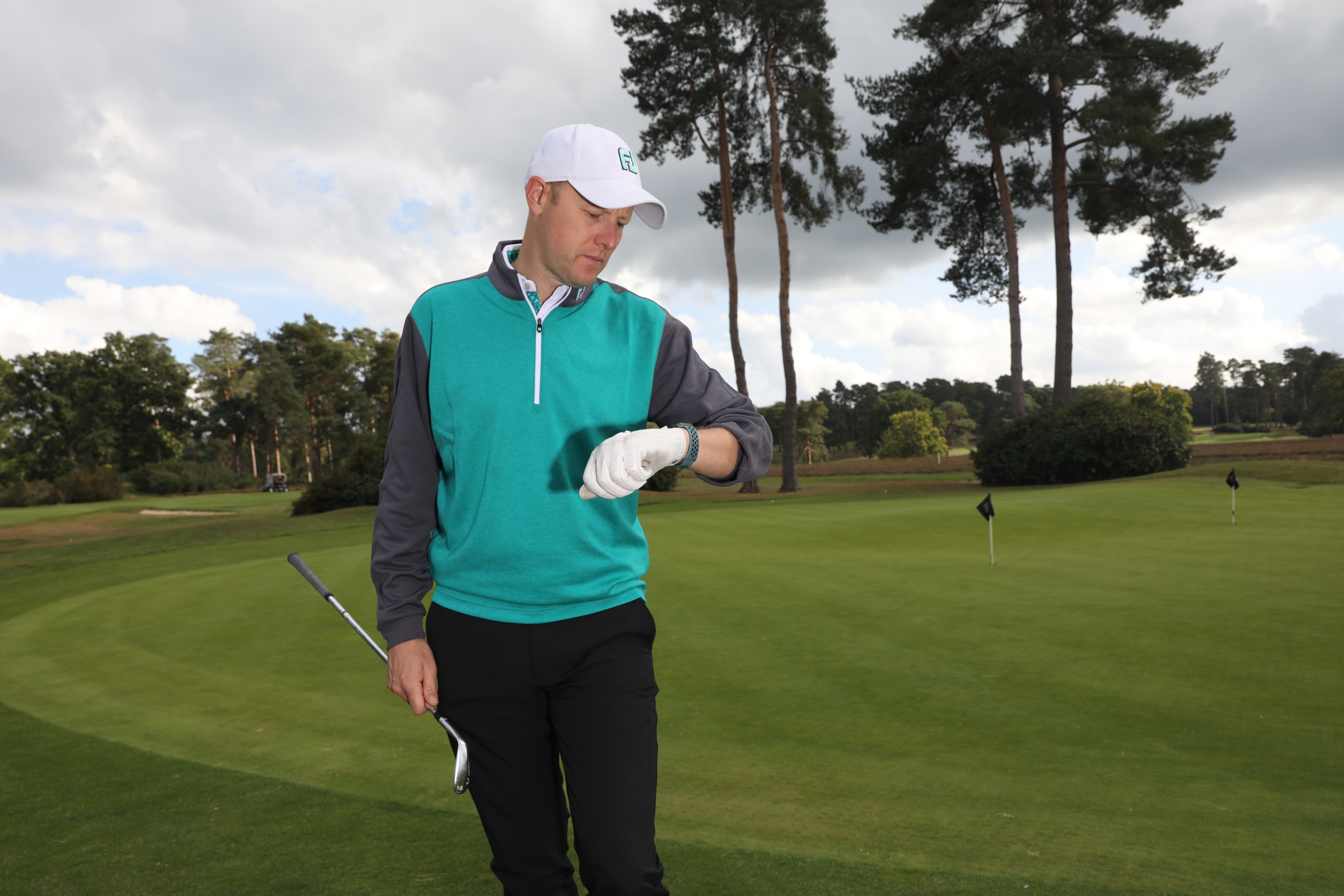
Why Do Some Rounds Take Longer Than Others?
Sometimes, even if you play quickly, you may have to wait for groups ahead of you. This is called “slow play,” and it’s a common problem, especially on busy days. Here are a few reasons:
- Large groups (5 or more people) slow down play
- Beginner-heavy groups who need extra time
- Lost balls or searching in the woods
- Course maintenance (watering greens, mowing)
- Tournaments or special events
If you want a fast round, try to play early in the morning, on weekdays, or at smaller courses.
How Pros Compare To Amateurs
Many people are surprised to learn that even PGA Tour professionals take about 4-5 hours for 18 holes. This is because they are careful, play in groups of 3 or 4, and often have to wait for TV cameras, crowds, and other players.
However, pros also have caddies, spotters, and marshals to keep things moving. Amateurs can be faster, especially in smaller groups or on empty courses.
How Technology Is Changing Golf Pace
Some golf courses now use GPS tracking in golf carts to monitor pace of play. If a group is playing too slowly, staff can send reminders or offer tips. Mobile apps also let golfers see how long each hole is taking.
A few courses have even tested shot clocks or time limits per shot, but these are rare. In the future, technology may help everyone finish their rounds faster.
What To Expect At Different Types Of Courses
Not all golf courses are the same. Here’s a quick comparison:
| Course Type | Typical Round Time | Reason |
|---|---|---|
| Public/Municipal | 4.5-5 hours | Busier, more beginners |
| Private/Member Club | 3.5-4 hours | Fewer players, experienced members |
| Resort Course | 4-4.5 hours | Mixed skill levels, scenic layouts |
| Executive/Par-3 Course | 2-3 hours | Shorter holes, quick play |
If time is short, choosing an executive course or playing 9 holes is a good idea.

Two Insights Beginners Often Miss
- Warm-up and post-round time add up. Many golfers forget to include the time for warming up at the driving range, checking in, or socializing after the round. Plan for an extra 30-60 minutes beyond the round itself.
- Course policies can change your experience. Some courses have strict pace-of-play policies, while others are more relaxed. Always ask about local rules so you are not surprised.
Planning Your Day Around Golf
If you need to fit golf into a busy schedule, here’s what you should do:
- Ask the pro shop for average round times at that course
- Choose off-peak tee times (early morning or late afternoon)
- Book a 9-hole round if you have less than 3 hours free
- Allow extra time for warm-up, travel, and post-round activities
Golf is a great way to relax, but it’s important to know how much time it will take so you don’t feel rushed or stressed.
Frequently Asked Questions
What Is The Fastest Way To Play A Round Of Golf?
Playing alone or as a twosome, using a golf cart, and choosing a quiet time (like early morning or weekday afternoons) is the fastest way. Skipping breaks and being ready for each shot also helps.
Why Do Some Golf Courses Take Longer Than Others?
Some courses are longer, have more obstacles, or are busier. Public courses often have more beginners and groups, which slows things down. Private clubs move faster because most members know the course and rules.
Does Walking Or Riding Make A Big Difference?
Using a golf cart can save 30-45 minutes on most courses, especially if the holes are spread out. On compact courses or with fast walkers, the time difference is smaller.
Can You Play 18 Holes In Under 3 Hours?
Yes, but only in special situations: playing alone or with one friend, with no waiting, using a cart, and moving quickly. Most regular rounds with four people take over 4 hours.
What Is The Official Rule For Slow Play?
Golf’s official rules recommend that players take no more than 40 seconds for each shot and keep up with the group ahead. Courses may ask slow groups to let faster groups “play through.” For more about the rules, you can visit the R&A’s official Rules of Golf.
Golf is a wonderful way to spend time outdoors, enjoy friends, and challenge yourself. Understanding how long a round of golf takes helps you make the most of your day and keeps the game enjoyable for everyone. Whether you play fast or slow, the key is to relax and have fun on the course.

