Golf is more than just a sport for retirees or business professionals. It’s an activity enjoyed by millions worldwide, with benefits stretching far beyond the green fairways and sand traps. Whether you’re a beginner or have played for years, understanding the real advantages of playing golf might surprise you.
This article explores the many ways golf can improve your health, mind, and social life, and even enhance your career.

Today's Exclusive Deals
Limited-time Exclusive Deals. Check current discount on Amazon.
Check Price on Amazon As an Amazon Associate I earn from qualifying purchases.Physical Health Benefits
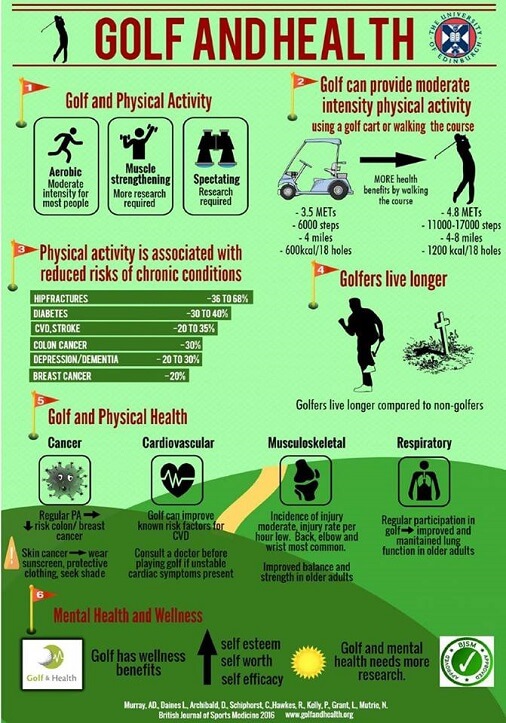
Golf is often seen as a low-intensity sport, but it actually offers a variety of physical health benefits. Even though the game does not require running, players walk several miles per round—often carrying or pulling a golf bag, which adds resistance and burns more calories.
Cardiovascular Exercise
A standard 18-hole round can involve walking five to seven kilometers (about 3 to 4.5 miles). This regular walking, especially on courses with hills, helps:
- Increase heart rate
- Strengthen the heart muscle
- Lower bad cholesterol levels
According to the British Journal of Sports Medicine, an average golfer burns around 1,200 to 1,500 calories during an 18-hole game, similar to a brisk walk. For people who play regularly, this adds up to significant cardiovascular exercise over weeks and months.
Muscle Toning And Strength
Golf swings engage muscles in the arms, shoulders, back, and core. Repeated swinging, bending, and twisting help tone these muscles. Carrying a golf bag (which can weigh around 10-20 pounds) also works the upper body.
Improved Flexibility And Balance
The golf swing is a full-body movement requiring flexibility and good balance. Practicing and playing help:
- Increase joint flexibility
- Improve coordination
- Strengthen stabilizing muscles
Players who focus on proper technique often notice increased flexibility in the hips, shoulders, and spine.
Low Injury Risk
Unlike high-impact sports, golf is gentle on the joints. The slower pace and smooth movements make injury less likely, especially for older adults or those recovering from other injuries. However, poor technique or overuse can still cause problems, so warming up and stretching are important.
Mental Health And Stress Relief
Golf is sometimes called a “mind game. ” It requires concentration, patience, and strategy. These mental demands can actually benefit your brain and emotional well-being.
Stress Reduction
Being outdoors in nature—surrounded by green grass, trees, and fresh air—has a proven calming effect. The quiet environment, away from city noise and daily pressures, helps golfers reduce stress levels. Studies show that being in nature can lower cortisol, the body’s main stress hormone.
Focus And Concentration
Golf requires planning each shot, calculating distance, and adjusting for wind or terrain. This level of focus trains the brain to concentrate and think strategically. Over time, these skills can transfer to other areas of life, such as work or study.
Boosts Mood And Self-esteem
Scoring well, achieving personal goals, or even just hitting a great shot can give a real sense of accomplishment. Golfers often report improved mood after playing, thanks to endorphin release from physical activity and the satisfaction of progress.
Mindfulness And Patience
Golf teaches patience. Rounds can last several hours, and every shot requires careful thought. This encourages players to stay present and practice mindfulness, which can improve emotional control and lower anxiety.
Social And Community Advantages
One of golf’s strongest attractions is its social aspect. Whether you play with friends, join a club, or participate in tournaments, the game offers many chances to meet people and build relationships.
Networking Opportunities
Golf is famous for its role in business networking. Many deals and partnerships start on the golf course. The relaxed pace allows for casual conversation, making it easier to connect with colleagues or potential clients.
Building Friendships
Regular golf outings can lead to lasting friendships. The shared experience of a round—celebrating good shots, laughing at mistakes—brings people together. For retirees or those new to an area, joining a club is a great way to build social circles.
Family Bonding
Golf is one of the few sports where people of all ages and skill levels can play together. Many families use golf as a way to spend quality time, teaching children patience, etiquette, and perseverance.
Community Involvement
Golf clubs often organize charity events, tournaments, and social gatherings. Participating in these activities helps players feel connected to their community and provides opportunities to give back.
Cognitive And Developmental Benefits
Golf is not just for adults. Children and teenagers also gain valuable skills from playing.
Critical Thinking
Every round presents different challenges—changing weather, course layout, or difficult lies. Golfers must make decisions, solve problems, and adapt strategies on the spot. This sharpens critical thinking, which is useful both in and out of school or work.
Discipline And Goal Setting
Golf rewards practice and persistence. Tracking scores and setting goals—like reducing strokes or mastering a tricky hole—teaches valuable life lessons about discipline and long-term improvement.
Etiquette And Respect
Golf has a strong culture of etiquette. Players learn to respect others, follow rules, and show good sportsmanship. These habits often stay with people throughout their lives.
Financial And Career Growth
While golf can be seen as an expensive hobby, it can also offer financial and career benefits, especially for professionals and entrepreneurs.
Business Development
Many business relationships grow on the golf course. The relaxed setting makes it easier to build trust and discuss deals. According to the National Golf Foundation, 54% of business professionals view golf as a valuable business tool.
Learning Money Management
For those who compete in local events, managing entry fees, equipment, and travel costs helps players improve budgeting skills. Even for casual golfers, understanding the cost of gear and club membership can encourage better money habits.
Opportunities For Employment
Golf courses, clubs, and tournaments create jobs for instructors, groundskeepers, event managers, and more. For young people, working at a golf facility can be a first step into the job market.
Golf And Longevity
Several studies show that golfers tend to live longer than non-golfers. The mix of regular exercise, time outdoors, and social connection contributes to this effect.
Research On Longevity
A Swedish study published in the Scandinavian Journal of Medicine & Science in Sports found that golfers have a 40% lower mortality rate compared to non-golfers, which translates to an average of five extra years of life. The reasons include:
- Regular moderate exercise
- Strong social networks
- Stress reduction from nature exposure
Healthy Aging
Golf is suitable for all ages, making it a lifelong sport. Older adults who play golf regularly often maintain better mobility, balance, and mental sharpness compared to their peers.

Environmental And Outdoor Benefits
Golf courses are often located in beautiful natural settings, and playing provides a way to enjoy these environments.
Appreciation For Nature
Spending hours outdoors helps golfers develop a deeper connection with nature. Many courses protect wildlife habitats, lakes, and forests, offering unique views and experiences.
Vitamin D Exposure
Sunlight is a key source of vitamin D, which supports bone health and the immune system. Regular golfers naturally get more sun (with proper skin protection), reducing the risk of vitamin D deficiency.
Environmental Awareness
Some modern golf courses focus on sustainability—using less water, protecting wildlife, and planting native species. Golfers often become more aware of environmental issues and responsible land use.
Comparing Golf With Other Popular Sports
To better understand the benefits of golf, it helps to compare it with other common sports. Here’s a look at how golf stacks up for calorie burn, injury risk, and social opportunities:
| Sport | Calories Burned (18 Holes/1 Hour)* | Injury Risk | Social Interaction |
|---|---|---|---|
| Golf (Walking) | 1200–1500 (18 holes) | Low | High |
| Tennis | 500–700 (1 hour) | Medium-High | Medium |
| Soccer | 600–900 (1 hour) | High | High |
| Swimming | 400–600 (1 hour) | Low | Low |
*Calories for golf are shown per full 18-hole round; other sports are per hour.
Golf stands out for its low injury risk and strong social component, while still delivering significant calorie burn.
Non-obvious Insights And Tips For Beginners
Many newcomers miss out on some important aspects of golf that can make their experience better.
- Walking vs. Riding: Most physical benefits come from walking the course, not riding in a cart. If possible, walk for at least 9 holes to boost exercise and calorie burn.
- Practice Routine: Improvement and enjoyment grow with regular practice. Short sessions at the driving range or putting green often lead to better results than long, infrequent games.
- Pacing Yourself: Trying to play too many holes or swing too hard can lead to fatigue or injury. Start with 9 holes and focus on technique before increasing to 18.
- Playing with Others: Joining a group or club can fast-track learning and make the experience much more enjoyable.
- Course Selection: Some courses are more “beginner-friendly,” with shorter holes and fewer hazards. Starting here can boost confidence and speed up learning.
Typical Costs And How To Save Money
Golf sometimes has a reputation for being expensive. But there are ways to play without breaking the bank. Here’s a comparison of potential costs:
| Item | Average Cost (USD) | Ways to Save |
|---|---|---|
| Golf Clubs (Set) | $300–$1500 | Buy used, rent, or borrow |
| Green Fees (per round) | $20–$100+ | Play off-peak times, find municipal courses |
| Lessons (per hour) | $40–$100 | Group lessons, YouTube tutorials |
| Annual Membership | $1000–$5000 | Public courses, pay-as-you-go |
Choosing public courses, buying used equipment, and sharing costs with friends can make golf more accessible.
Practical Advice For Getting Started
Starting golf doesn’t have to be intimidating. Here are some clear steps for beginners:
- Take a lesson: Even one session with a pro can fix common mistakes early.
- Borrow or rent clubs: No need to buy a full set at first.
- Learn the rules and etiquette: This makes playing with others easier and more fun.
- Start on a par-3 or executive course: These are shorter, less challenging, and less crowded.
- Play with patient friends: A good group will help you learn and enjoy the game.
Frequently Asked Questions

What Equipment Do I Need To Start Playing Golf?
Beginners only need a few basic clubs: a putter, a wedge, an iron, and a wood or hybrid. Many courses offer rentals, so you don’t need to buy a full set. Comfortable clothes, golf shoes (or sneakers), and a few balls are enough to start.
Is Golf Suitable For All Ages?
Yes. Golf is one of the few sports enjoyed by children, adults, and seniors. Courses often have junior programs, and many seniors play well into their 80s or beyond, thanks to the low-impact nature of the game.
How Does Golf Help With Stress And Mental Health?
Golf combines exercise, fresh air, and social interaction, all of which are proven to lower stress. The focus required for each shot also acts as a form of mindfulness, helping players stay present and calm.
Is Golf An Expensive Hobby?
Golf can be costly, but it doesn’t have to be. New players can save by using public courses, buying used clubs, and playing at off-peak times. Many communities have affordable options for beginners.
Where Can I Find More Information About Golf’s Health Benefits?
For more on the science behind golf and health, see this Wikipedia article on golf, which covers recent studies and additional resources.
Golf offers a unique blend of physical exercise, mental challenge, and social connection. Whether you play for health, fun, or business, the benefits reach far beyond the course. Anyone can start, and with a little patience, you might find that golf enriches your life in unexpected ways.