
Ice climbing is one of the most thrilling and challenging adventure sports. The idea of scaling frozen waterfalls or icy cliffs may sound intimidating, but with the right approach, almost anyone can learn. If you’re curious about how to get started with ice climbing, this guide will give you a clear, step-by-step path from your first thoughts to your first climb.
Understanding Ice Climbing
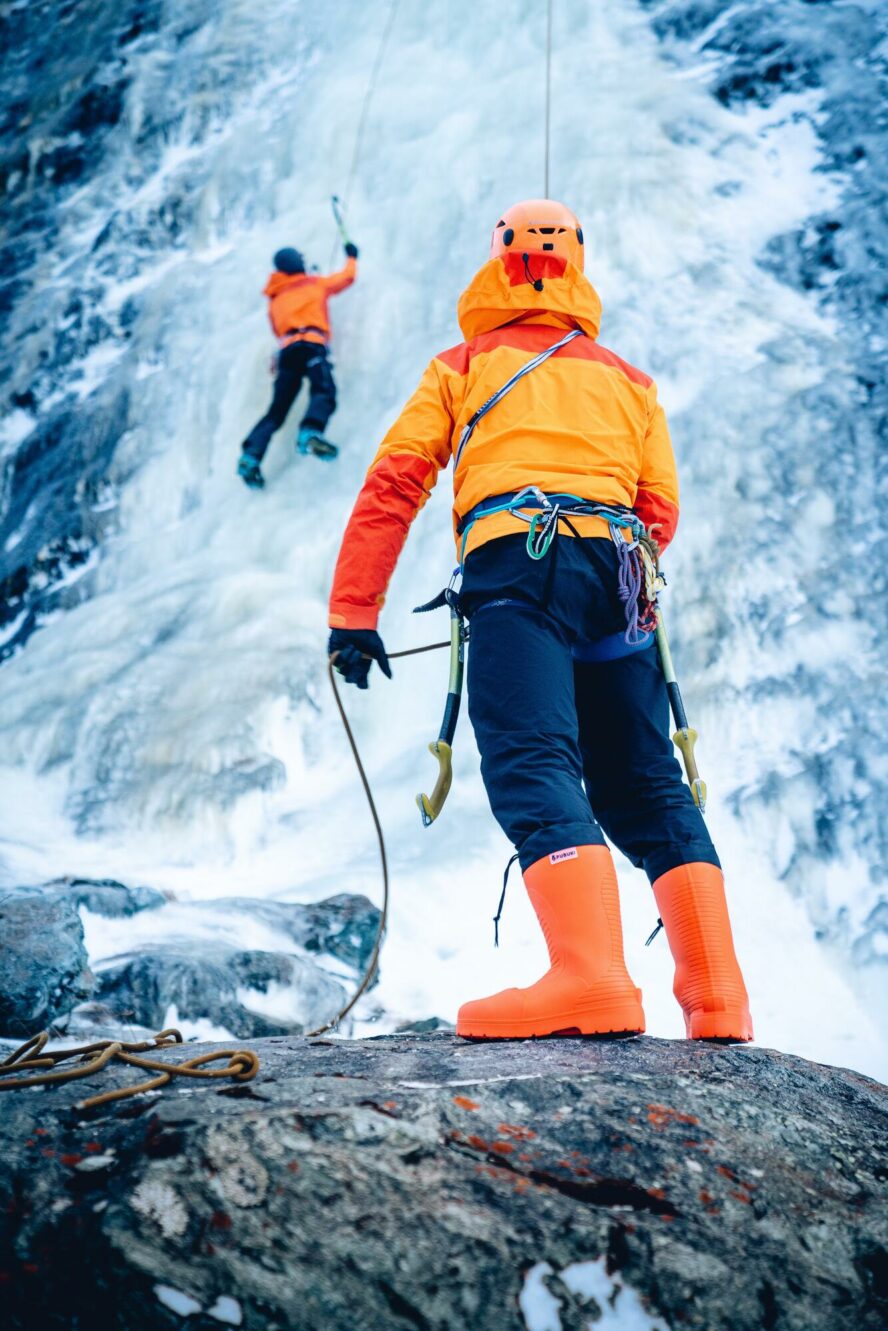
Ice climbing is the activity of ascending frozen surfaces using specialized gear. Most ice climbers start by climbing frozen waterfalls, icefalls, or icy rock faces. What makes ice climbing unique is the environment: cold, often remote, with changing ice conditions that demand skill and attention.

Today's Exclusive Deals
Limited-time Exclusive Deals. Check current discount on Amazon.
Check Price on Amazon As an Amazon Associate I earn from qualifying purchases.Unlike indoor climbing or rock climbing, ice climbing’s surface can change every day. The ice may be brittle, soft, or hard, depending on the weather. This makes the sport dynamic and unpredictable.
Is Ice Climbing For You?
Not everyone will love ice climbing, but you don’t need to be an elite athlete to start. The most important qualities are:
- Basic fitness: You should feel comfortable hiking in cold weather and carrying a backpack.
- No fear of heights: If you are uncomfortable with heights, ice climbing can be tough.
- Interest in cold weather: Climbs happen in winter, often in freezing conditions.
If you enjoy hiking in winter, rock climbing, or want to push your boundaries, ice climbing could be a great next step.
Today's Exclusive Deals
Limited-time Exclusive Deals. Check current discount on Amazon.
Check Price on Amazon As an Amazon Associate I earn from qualifying purchases.
Essential Skills To Learn First
Before you step onto the ice, there are a few core skills you should develop:
- Belaying: Learn how to manage the rope for a partner. This is crucial for safety.
- Basic knots: Master a few simple knots, like the figure-eight and clove hitch.
- Walking with crampons: Practice on flat ground before climbing.
- Using an ice axe: Learn how to swing and place the axe correctly.
Taking a rock climbing or mountaineering course can speed up your learning. Many ice climbing techniques build on these basics.
Gear You Need To Start
Ice climbing uses gear that is different from rock climbing. Here’s a closer look at what you’ll need:
| Gear | Purpose | Beginner Tip |
|---|---|---|
| Crampons | Attach to boots for grip on ice | Check size compatibility with boots |
| Ice axes (2) | For climbing and balance | Choose lightweight, ergonomic models |
| Helmet | Protects from falling ice | Always wear, even on easy climbs |
| Harness | For attaching rope and gear | Must fit over bulky winter clothes |
| Mountaineering boots | Insulated, stiff boots for crampons | Rent or borrow for first climbs |
Other essentials include a belay device, carabiners, warm layered clothing, gloves, and a backpack. Many beginners rent gear for their first few climbs.
Today's Exclusive Deals
Limited-time Exclusive Deals. Check current discount on Amazon.
Check Price on Amazon As an Amazon Associate I earn from qualifying purchases.How To Find A Good Place To Learn
The best way to start ice climbing is with a certified guide or climbing school. You’ll find instruction in many mountain areas in North America, Europe, and Asia. Good places for beginners usually have:
- Easy access (short approach hike)
- Reliable ice conditions
- Multiple routes for different skill levels
Popular beginner locations include Ouray (Colorado), Banff (Canada), and Rjukan (Norway). Local climbing gyms or outdoor clubs often organize winter courses.
Taking Your First Ice Climbing Lesson
Most beginners start with a one-day or weekend course. Here’s what you can expect during your first lesson:
- Gear fitting: Instructors show you how to wear crampons, harness, and helmet.
- Safety briefing: You learn about hazards like falling ice, cold injuries, and rope safety.
- Basic movements: Practice swinging the axe, kicking with crampons, and moving on the ice.
- Climbing: You’ll climb easy ice under supervision, usually on a “top rope” for maximum safety.
You don’t need to buy gear for your first lesson; most schools provide equipment. Focus on learning the feel of the ice and how to move efficiently.
Safety And Common Hazards
Ice climbing is safe when you follow best practices, but it does have risks:
- Falling ice: Always wear a helmet and stay aware of your surroundings.
- Cold injuries: Frostbite and hypothermia are real dangers. Use good gloves and layer your clothing.
- Gear failure: Use only modern, well-maintained equipment.
- Avalanches: Some areas have avalanche risks. Take an avalanche safety course if you climb in the mountains.
One insight many beginners miss: The ice can change suddenly with temperature or sun. Always check the ice’s quality with your guide before climbing.
Building Your Skills: What To Practice
After your first lesson, practice makes perfect. Focus on these areas:
- Footwork: Precise crampon placement is more important than upper body strength.
- Efficient axe swings: Learn to swing from your shoulder, not just your wrist.
- Resting on the ice: Learn to use your legs, not arms, to save energy.
- Reading the ice: Identify safe places for axes and feet. Avoid thin or brittle sections.
Climbing regularly, even just a few times each winter, will build your confidence and skill.
Choosing The Right Clothing For Ice Climbing
Staying warm and dry is key to enjoying ice climbing. Dress in three layers:
- Base layer: Wicks sweat away from your skin (synthetic or wool).
- Insulating layer: Fleece or down jacket for warmth.
- Shell layer: Waterproof jacket and pants to block wind and water.
Your gloves are especially important. Bring two pairs: one for climbing, one for belaying. Cold, wet hands end more climbs than tired muscles.
Comparing Ice Climbing To Other Climbing Sports
Many people wonder how ice climbing is different from other forms of climbing. Here’s a comparison:
| Feature | Ice Climbing | Rock Climbing | Indoor Climbing |
|---|---|---|---|
| Surface | Frozen ice | Natural rock | Artificial holds |
| Gear | Crampons, ice axes | Climbing shoes, chalk | Climbing shoes, chalk |
| Season | Winter only | Year-round | Year-round |
| Weather risk | High (cold, ice change) | Medium (rain, heat) | Low (controlled) |
One thing beginners often miss: Ice climbing can be more mentally demanding than other types because the climbing surface changes constantly.
How To Train For Ice Climbing
You don’t need to be a bodybuilder, but basic fitness helps. Here’s how to prepare:
- Cardio: Running, hiking, or biking builds endurance for long approaches.
- Grip strength: Hang from a pull-up bar or squeeze a tennis ball.
- Core strength: Try planks and leg raises to stabilize your body.
- Practice swinging: Use a rubber mallet to mimic axe swings (carefully, in a safe space).
Training for ice climbing is not only about strength; flexibility and balance are just as important.
Finding Climbing Partners And Community
Climbing is safer and more fun with partners. Here’s how to find them:
- Join a club: Many cities have alpine or climbing clubs.
- Take a course: You’ll meet new climbers at lessons.
- Online forums: Sites like Mountain Project or Facebook groups connect climbers worldwide.
Experienced partners can teach you a lot. Always discuss safety rules before climbing together.

Advancing Beyond The Basics
Once you master top-rope ice climbing, you can explore:
- Lead climbing on ice: Placing your own protection as you climb.
- Mixed climbing: Climbing routes that have both ice and rock.
- Alpine ice climbing: Climbing in remote mountain environments.
These advanced styles require more training, experience, and risk management. Take a course or climb with experts before trying them.
Common Beginner Mistakes To Avoid
Many new ice climbers make similar mistakes:
- Rushing gear purchases: Try rental gear first to learn what you like.
- Ignoring weather: Bad weather can make ice unsafe or miserable.
- Over-gripping: Relax your hands to avoid fatigue.
- Neglecting footwork: Focus on your feet, not just swinging axes.
- Climbing alone: Always climb with partners and let someone know your plans.
Avoiding these mistakes makes your early experiences safer and more enjoyable.
How Much Does It Cost To Get Started?
Starting ice climbing doesn’t need to break the bank. Here’s a quick cost comparison:
| Item | Rent (per day) | Buy (average) |
|---|---|---|
| Crampons | $10–$20 | $150–$250 |
| Ice axes (pair) | $20–$30 | $250–$400 |
| Boots | $20–$30 | $250–$500 |
| Helmet & harness | $10–$20 | $60–$120 |
| Course (1 day) | — | $150–$300 |
Most people rent gear and take a guided course for their first few climbs. Once you’re sure you love ice climbing, you can buy your own equipment over time.
Where To Learn More
The best way to keep improving is to read, watch videos, and practice regularly. Many reputable organizations, such as the American Alpine Club, offer resources and advice for beginners. For more in-depth technical details, see the Wikipedia page on ice climbing.
Frequently Asked Questions
What Is The Best Age To Start Ice Climbing?
There is no strict age limit. Many people start in their 20s or 30s, but teenagers and adults over 40 can learn safely. The main requirements are good health and a willingness to learn.
Is Ice Climbing Dangerous?
Ice climbing has risks, such as falling ice, cold injuries, and rope accidents. With proper training, guides, and equipment, the risk is managed and similar to other outdoor sports.
Can I Try Ice Climbing Without Any Climbing Experience?
Yes, many beginners start with no climbing background. Taking a beginner course with a guide is the safest way to learn the basics.
How Do I Know If The Ice Is Safe To Climb?
A certified guide or experienced climber should check the ice conditions. Factors include temperature, color, thickness, and recent weather. Never climb alone or on unfamiliar ice without guidance.
What Should I Wear For My First Ice Climbing Trip?
Wear warm, layered clothing: a moisture-wicking base layer, an insulating layer, and a waterproof shell. Bring two pairs of gloves, a warm hat, and thick socks. Avoid cotton, as it holds moisture and can make you cold.
Ice climbing opens a new world of adventure, challenge, and beauty. With the right start, you’ll experience frozen landscapes in a completely new way. Take your time, learn from experts, and enjoy every step on the ice.

