
Ice climbing and rock climbing both offer the thrill of scaling vertical surfaces, but they are far from the same sport. Many people see climbers with ropes and helmets and think the activities are similar. In reality, the differences go far beyond the type of wall they climb.
From the gear they use to the skills they require, ice climbing and rock climbing each present their own challenges and rewards. If you’ve ever wondered how these two sports compare, or if you want to decide which is right for you, understanding the details will help you make a smart choice.

Today's Exclusive Deals
Limited-time Exclusive Deals. Check current discount on Amazon.
Check Price on Amazon As an Amazon Associate I earn from qualifying purchases.What Is Ice Climbing?
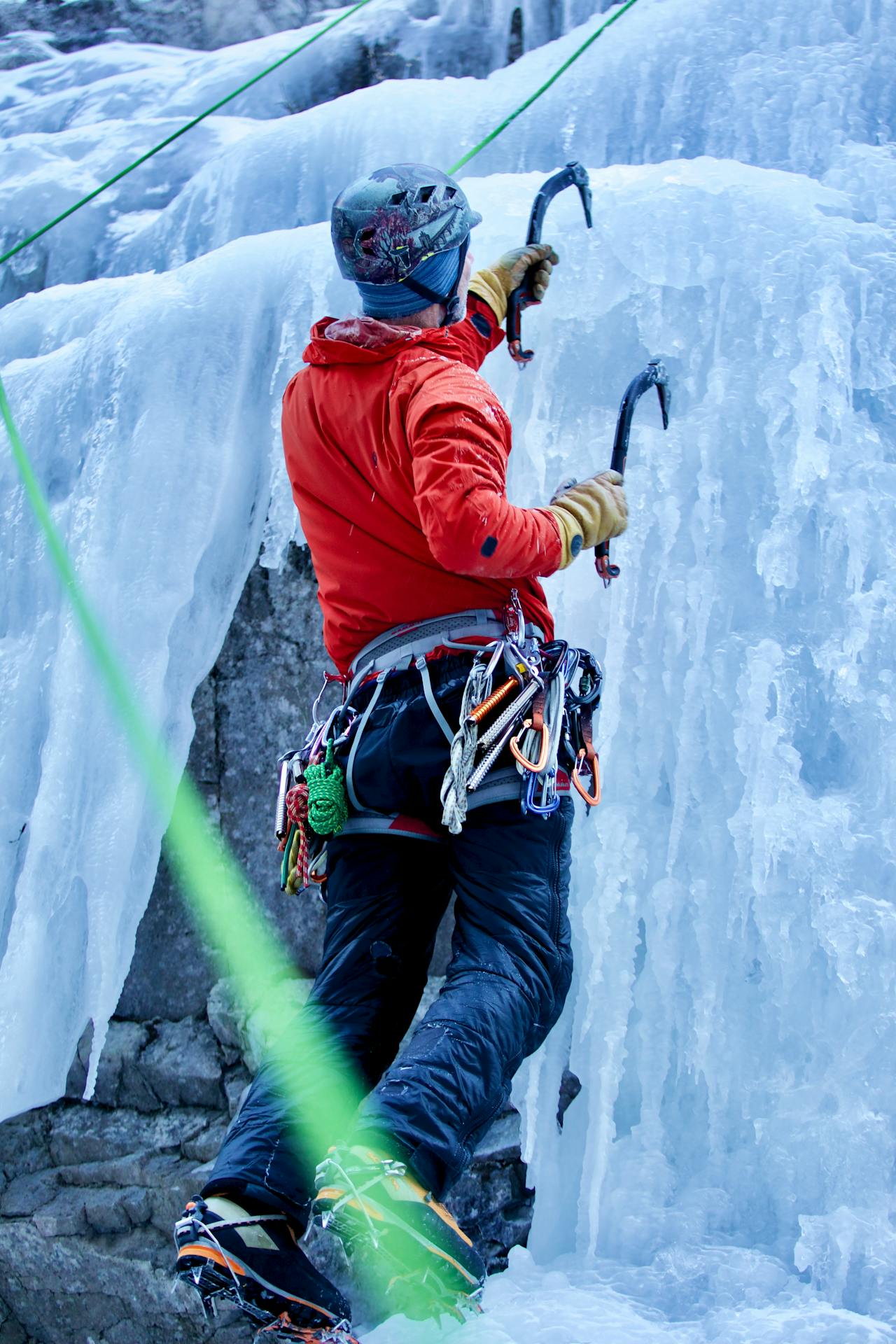
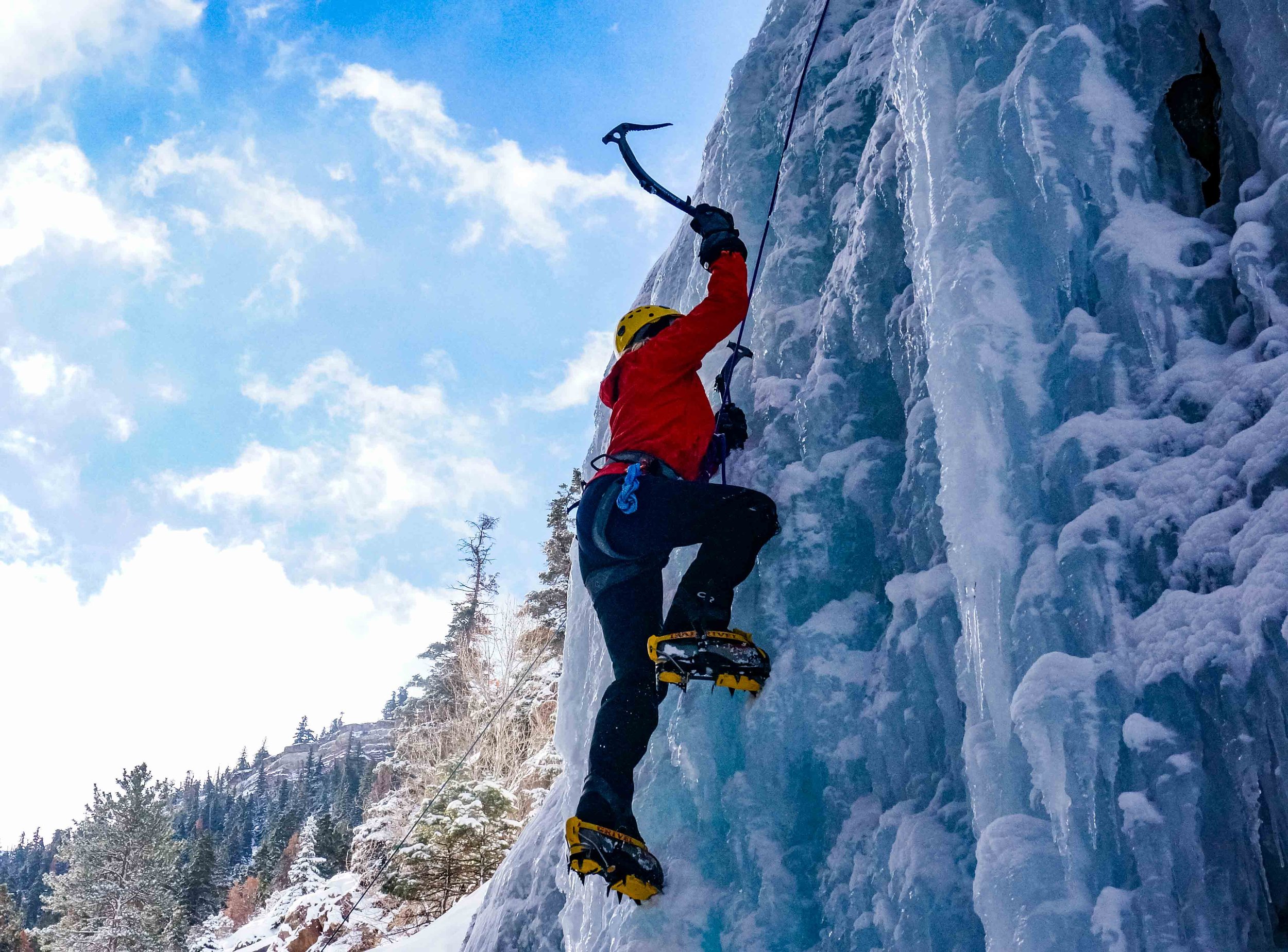
Ice climbing means ascending frozen waterfalls, ice-covered cliffs, and glaciers using specialized gear. Most ice climbers use technical tools like ice axes and crampons (spikes strapped to boots) to find grip on slippery, vertical ice. The cold, the changing ice conditions, and the need for extra safety make this a demanding adventure.
There are a few main types of ice climbing:
- Waterfall ice climbing: Scaling frozen waterfalls, often with vertical or overhanging sections.
- Alpine ice climbing: Found in high mountains, usually part of a longer mountaineering route.
- Mixed climbing: Climbing on both ice and rock using the same gear.
The key to ice climbing is the ever-changing nature of the ice. Conditions can shift daily, even hourly, depending on the weather. The climber must constantly judge the safety and quality of the ice with every move.
What Is Rock Climbing?
Rock climbing is about moving up natural rock faces or indoor climbing walls using your hands, feet, and sometimes ropes or anchors for safety. There are many styles, including:
- Sport climbing: Fixed anchors are used for protection.
- Trad (traditional) climbing: Climbers place their own gear as they go.
- Bouldering: Shorter climbs without ropes but with crash pads below.
- Free climbing: Using only natural rock holds for movement, with ropes for protection.
Rock climbing takes place in a variety of settings, from indoor gyms to famous cliffs like El Capitan in Yosemite National Park. The rock is stable compared to ice, but the physical and mental challenges remain intense.
Key Differences Between Ice Climbing And Rock Climbing
1. Climbing Surface
The most obvious difference is the surface:
- Ice climbing: Climbers ascend frozen waterfalls, ice flows, or glaciers.
- Rock climbing: Climbers scale solid rock formations or artificial walls.
Ice is never the same twice. It can be brittle, soft, or even hollow underneath. Rock, while it can break or crumble, tends to be more predictable in texture and grip.
2. Gear And Equipment
Both sports require ropes, harnesses, and helmets, but the rest of the gear is very different. Here’s a clear comparison:
| Equipment | Ice Climbing | Rock Climbing |
|---|---|---|
| Footwear | Insulated boots with crampons | Climbing shoes with sticky rubber soles |
| Hand Tools | Ice axes (technical tools) | None (hands grip rock directly) |
| Protection | Ice screws (drilled into ice) | Nuts, cams, bolts (placed or fixed in rock) |
| Clothing | Heavy, layered, weatherproof | Light, flexible, often breathable |
Ice climbing equipment is built to handle extreme cold and wet conditions. Rock climbers, on the other hand, focus on maximizing movement and grip.
3. Climbing Techniques
The way you move on ice is not the same as on rock. Ice climbers swing their axes into the surface, kick their crampons for secure steps, and carefully test each hold. Each move must be precise, as ice can break if hit incorrectly.
Rock climbers use hands and feet to search for natural holds—cracks, edges, or pockets. Good balance, body positioning, and footwork are crucial. While ice climbing is often slower, rock climbing can be more dynamic, especially in styles like bouldering.
4. Physical And Mental Demands
Both sports are physically challenging, but the focus is different:
- Ice climbing requires strong forearms, shoulders, and core strength to swing axes and hold positions. The cold can make muscles stiff, and the heavy gear adds weight.
- Rock climbing demands finger strength, grip, flexibility, and balance. Climbers often need to solve movement puzzles on the wall.
Mentally, ice climbing involves constant risk assessment due to changing ice. Rock climbers face mental challenges from exposure, height, and the need to trust their holds.
5. Safety And Risk
Climbing always has risks, but the dangers can differ:
| Risk Factor | Ice Climbing | Rock Climbing |
|---|---|---|
| Falling | Risk of falling with sharp tools | Falls onto rock, usually with rope protection |
| Environment | Avalanches, falling ice, cold injuries | Loose rocks, sun exposure, heat exhaustion |
| Protection Failure | Ice screws can pull out if ice is weak | Gear may not fit all cracks but is more predictable |
Both sports have developed strict safety systems. However, ice climbing’s unpredictable conditions and the use of sharp tools add unique dangers. Rock climbing, especially indoors, is generally safer for beginners.
6. Season And Location
Ice climbing is mostly a winter sport. It requires freezing temperatures and natural ice formations. Popular spots include the Canadian Rockies, Ouray in Colorado, and Norway’s fjords.
Rock climbing can be enjoyed year-round in many locations. From indoor gyms to sunny cliffs in Spain or the USA, there’s always a place to climb.
7. Learning Curve
Many people start rock climbing at an indoor gym. The environment is controlled, and you can progress quickly with coaching. Outdoor rock climbing takes more time to learn, especially for placing gear.
Ice climbing has a steeper learning curve. Beginners must master not only basic climbing but also how to move in cold conditions, use technical gear, and assess ice quality. Many climbers try rock climbing first before moving to ice.
8. Cost And Accessibility
Ice climbing is usually more expensive. The gear is specialized and costly. Locations may require travel to remote, cold areas.
Rock climbing, especially in a gym, is more affordable and accessible. You can rent gear and climb close to home.
9. Environmental Impact
Both sports interact with nature, but in different ways. Ice climbing can damage fragile ice or disturb ecosystems in winter. Rock climbing may cause erosion or harm to rare plants on cliffs.
Responsible climbers follow Leave No Trace principles and respect local rules. Some areas restrict climbing to protect the environment.
Unique Insights Beginners Often Miss
Most new climbers focus on the basics: gear, safety, and technique. However, there are two important points that beginners often overlook:
- Ice changes every day, but rock rarely does. Ice climbers must be ready to adapt their plans—even cancel climbs—if conditions are unsafe. Rock climbers can usually count on their route being the same as before.
- Ice climbing is a team sport. While rock climbing can be solo (like bouldering), ice climbing almost always requires a partner for safety. Communication and trust are critical, especially in harsh weather.
Another non-obvious insight: Learning to read weather and ice reports is just as important as practicing technique. Experienced ice climbers spend hours checking conditions before heading out.
Which Sport Is Right For You?
Choosing between ice climbing and rock climbing depends on your interests, location, and comfort with risk.
- Try rock climbing if you like year-round activity, want to start indoors, or prefer solving movement puzzles.
- Try ice climbing if winter adventure excites you, you enjoy technical gear, and you’re comfortable in cold, changing environments.
Some people eventually do both, using rock climbing skills as a base for ice climbing.
Real-world Examples
- The Ouray Ice Park in Colorado is one of the world’s best ice climbing spots, offering hundreds of routes each winter. The ice is maintained by channeling water over the canyon walls.
- El Capitan in Yosemite is famous for rock climbing. Climbers spend days on the wall, sleeping in hanging tents.
- In Norway, some climbers combine both sports, starting on rock in summer and returning for ice in winter.
Skill Development And Progression
Rock climbing gyms offer structured classes, making it easy to learn the basics. Many climbers reach an intermediate level in a few months. Outdoor climbing takes longer, as you must learn to place gear and manage safety systems.
Ice climbing requires more patience. Progress is slower due to weather, cost, and the need for specialized instruction. Most ice climbers start with guided trips before going out on their own.
Community And Culture
Both sports have strong communities. Rock climbing gyms are social hubs, with events, competitions, and group trips. Ice climbing communities are smaller but close-knit. Winter festivals and gatherings, like the Ouray Ice Festival, bring climbers together to learn and celebrate.
For both, mentorship is important. Beginners who climb with experienced partners progress faster and stay safer.

Comparing Physical Demands
Here is a quick look at how the body works differently in each sport:
| Body Part | Ice Climbing | Rock Climbing |
|---|---|---|
| Forearms & Grip | High (holding tools, swinging axes) | High (gripping small holds) |
| Core | Very important for stability | Essential for balance and movement |
| Legs | Used for kicking and stepping up | Used for precise footwork and pushing up |
| Endurance | Needed for slow, cold climbs | Needed for long routes or multiple climbs |
Getting Started: Practical Tips
If you’re curious about either sport, here’s how to begin:
- Start indoors: Try a rock climbing gym. Learn how to use harnesses, belay, and move on walls.
- Take a course: For ice climbing, sign up for a guided trip or clinic. Never go alone as a beginner.
- Rent gear first: Don’t invest in expensive equipment until you know you enjoy the sport.
- Build fitness: Both sports require basic strength and flexibility. Simple exercises like pull-ups, squats, and stretching help a lot.
- Find a mentor: Climbing with experienced partners is safer and more fun.
- Respect nature: Learn about access rules and environmental care for your local area.
For more in-depth information on climbing gear and techniques, you can visit the Wikipedia page on climbing equipment.
Frequently Asked Questions
What Is More Dangerous: Ice Climbing Or Rock Climbing?
Ice climbing is usually considered more dangerous due to the unpredictable nature of ice, the risk of falling objects, and the use of sharp tools. Rock climbing can also be risky, but conditions are often more stable, especially in gyms or well-traveled routes.
Can Beginners Try Ice Climbing, Or Should They Start With Rock Climbing?
Most people start with rock climbing, especially indoors. It’s safer, more accessible, and less gear-intensive. Beginners can try ice climbing with a qualified guide, but it’s important to have some basic climbing experience first.
Is The Gear For Ice Climbing Much More Expensive?
Yes, ice climbing gear is more specialized and costly. Ice axes, crampons, insulated boots, and technical clothing add up quickly. Rock climbing gear is less expensive, especially for gym climbing where you can rent most items.
Do You Need To Be Very Strong To Start Climbing?
You do not need to be extremely strong to start either sport. Good technique, balance, and flexibility matter more. Strength develops over time as you practice.
Are There Indoor Places To Try Ice Climbing?
Indoor ice climbing gyms are rare. Most people must travel to natural ice formations. However, some cold-weather destinations have artificial ice walls for practice and instruction.
Whether you choose rock or ice, climbing offers a unique way to challenge yourself and explore the outdoors. Understanding the key differences will help you stay safe, make smart choices, and get the most from your experience.