
Ice climbing can look both beautiful and terrifying. Climbers move up frozen waterfalls, icy cliffs, or glacier walls using sharp tools and spiked boots. Every movement matters. What many people do not realize is that balance plays a central role in the safety, efficiency, and success of an ice climber. Whether you are a beginner or an expert, understanding how balance works in ice climbing is key. It is the difference between smooth climbing and dangerous slips.
Balance is not just about standing on your feet. In ice climbing, it means controlling your whole body while dealing with slippery surfaces and heavy gear. It is about using your arms, legs, and core together, and knowing how to shift your weight at the right time.

Today's Exclusive Deals
Limited-time Exclusive Deals. Check current discount on Amazon.
Check Price on Amazon As an Amazon Associate I earn from qualifying purchases.Good balance makes each swing of your ice tool stronger, saves your energy, and reduces your risk of falling. Poor balance, on the other hand, can lead to wasted strength and accidents.
Let’s explore the many ways balance shapes your experience on the ice, the skills you need to develop it, common mistakes, and how to improve your balance for safer, more enjoyable climbs.
Why Balance Matters In Ice Climbing
Balance is the foundation of every move in ice climbing. When you climb ice, you are not just fighting gravity. You are also dealing with cold, unstable surfaces, and sometimes unpredictable ice. Without good balance, even the best gear cannot help you.
First, balance helps you stay upright on narrow ledges or steep slopes. Each step or swing must be controlled, or you risk slipping. Second, balance allows you to use your energy efficiently. Climbing ice is tiring. If you always fight to stay steady, you will burn out quickly. Third, balance gives you control. You can plant your tools and crampons (spiked boots) exactly where you want, making each move safer and more effective.
Many accidents in ice climbing happen when balance is lost, especially when moving fast or tired. Skilled climbers learn to keep their center of gravity over their feet and to adjust smoothly when the ice changes. This is why balance is not just a “nice to have”—it is a must for anyone who wants to climb ice safely.
The Science Of Balance In Ice Climbing
To understand balance in ice climbing, you need to know how your body works with gravity and force. When climbing, your center of gravity should stay close to the ice. If it moves too far away, you lose control. You use your core muscles to stay steady and your legs to support your weight.
Here’s how balance plays out on the ice:
- Footwork: Your crampons must bite into the ice with each step. Good balance helps you place your feet precisely, without slipping.
- Tool Placement: When you swing your ice tool, balance keeps your body from swinging too. This makes every hit more accurate.
- Weight Shifting: You often need to move your weight from one foot to another, especially on steep or uneven sections. Good balance allows smooth shifts without sudden jerks.
Your body acts like a system of levers. The further your weight moves from your feet, the harder your muscles must work. That is why experienced climbers keep their hips close to the ice and move with small, controlled motions.

Key Elements Of Balance In Ice Climbing
Several skills and techniques help climbers keep their balance on ice. Here are the most important:
1. Stable Footwork
Your feet are your base. In ice climbing, you use crampons to grip the ice. Each step must be placed carefully. The “French technique” (flat-footed) and “front-pointing” (using the front spikes) require different types of balance. Good climbers practice both, so they can adjust to the slope.
2. Core Strength
A strong core keeps your body steady. You use your core muscles to hold your hips close to the ice, even on steep climbs. Weak core muscles mean more swaying, which makes tool placements harder.
3. Tool Management
Ice tools (like ice axes) must be swung and placed with control. If you are off-balance, your swings will be wild or weak. Climbers learn to plant tools securely before moving their feet, so they always have three points of contact.
4. Weight Distribution
Shifting your weight smoothly is essential. On vertical ice, you lean into your tools. On lower-angled ice, your weight stays more on your feet. Bad weight distribution can cause crampons to pop out or tools to slip.
5. Mental Focus
Balance is not just physical. It also depends on your mind. Climbers must stay calm, even when tired or scared. Panic leads to rushed moves and lost balance.
Common Balance Mistakes In Ice Climbing
Many beginners struggle with balance because they repeat the same errors. Here are the most common:
- Standing too upright: This pushes your center of gravity away from the ice, making it hard for crampons to grip.
- Over-gripping tools: When you hold your ice tool too tightly, your arms get tired, and your body stiffens. This reduces your ability to adjust your balance.
- Not bending knees: Straight legs make you less stable. Bent knees let you absorb movement and stay closer to the ice.
- Moving too quickly: Fast, jerky moves often lead to slips. Controlled, slow motions are safer.
- Ignoring foot placement: Poor footwork means your crampons may not bite well, so you are always fighting to stay upright.
Awareness of these mistakes helps you focus on what to improve.
How To Improve Your Balance For Ice Climbing
Good balance can be trained. Here are proven ways to develop it for ice climbing:
1. Practice Footwork Drills
Simple drills, like standing on one leg or walking on a curb, can help. On the ice, practice placing your crampons softly and accurately, without looking down.
2. Build Core Strength
Exercises such as planks, side planks, and leg raises make your core stronger. Even a few minutes daily helps. Strong abs and back muscles keep you steady.
3. Use Balance Boards And Bosu Balls
Training on unstable surfaces at home or the gym prepares your body for uneven ice. These tools force you to make small adjustments, just like on a climb.
4. Climb In Controlled Environments
Indoor climbing walls or dry tooling gyms let you practice technique and balance safely, before heading onto real ice.
5. Visualize Your Moves
Before each climb, picture how you will move. Mental practice helps you react calmly and adjust your balance faster.
Comparison: Ice Climbing Balance Vs. Rock Climbing Balance
Although both sports need balance, there are some key differences in how you use it. Here’s a quick comparison:
| Aspect | Ice Climbing | Rock Climbing |
|---|---|---|
| Foot Placement | Relies on crampons biting into ice | Uses friction or footholds on rock |
| Tool Use | Ice axes are essential for balance | Hands grip holds; no tools |
| Center of Gravity | Kept close to ice to prevent swing-outs | Varies depending on overhangs and holds |
| Surface Stability | Ice can break or change suddenly | Rock is generally more stable |
Ice climbers need to be ready for unstable surfaces and changing conditions, making balance skills even more critical.
Real-life Examples: How Balance Saves Energy And Prevents Falls
Let’s look at two real-world situations:
- Climbing a vertical waterfall: An experienced climber keeps their hips close to the ice and stands tall on their front points. Their tools are securely placed before each step. This balance lets them move smoothly and reduces muscle fatigue.
- Crossing a bulge: A beginner leans too far back while swinging their tool. Their crampons pop out, and they slip, hanging on their arms. Poor balance here not only wastes strength but also increases risk.
Studies show that climbers with better balance can climb up to 25% longer before tiring. They also have fewer falls, especially when conditions are difficult.
Advanced Balance Techniques For Ice Climbing
Once you have the basics, you can try more advanced techniques:
Flagging
This means sticking one leg out to the side or behind you, to counterbalance your body. It is useful on uneven ice or when reaching far with your tool.
Drop Knee
By turning your knee inward and dropping it, you can get closer to the ice and keep your center of gravity steady. This is often used to rest or make high steps.
High Stepping
Lifting one foot high and placing it above your waistline lets you move up quickly, but only if you can keep balance while doing it.
Matching
Placing both feet on the same level or hold requires focus and balance, especially when preparing for the next move.
Each of these techniques lets you save energy and move more smoothly, but they all depend on solid basic balance.

Essential Gear That Supports Balance
Your equipment can help or hurt your balance. Here’s how:
- Crampons: Must fit well and be sharp. Dull or loose crampons slip easily.
- Ice Tools: Balanced, lightweight tools are easier to control and place precisely.
- Boots: Stiff, supportive boots help transfer force from your legs to your crampons, making it easier to stay balanced.
- Harness and Clothing: Bulky gear can restrict movement and affect balance. Choose gear that allows free movement of your hips and legs.
Training Balance Off The Ice
You do not need ice to train balance. Here are some exercises:
- Single-leg squats: Build leg and core strength.
- Balance beam walking: Improves stability and focus.
- Yoga: Poses like the tree pose or warrior III teach you to control your center of gravity.
- Slacklining: Walking on a slackline is excellent for dynamic balance.
Consistency matters more than difficulty. Even ten minutes a day brings progress.
How Weather And Ice Conditions Affect Balance
Weather changes ice quality. Hard, clear ice gives better grip, while soft or “rotten” ice breaks easily. Warm conditions make ice unstable, requiring even more careful balance. Climbers must adjust their techniques based on what they find. On thin ice, you might have to spread your weight more or use tools with a lighter touch.
Comparison: Novice Vs. Expert Balance On Ice
Here’s a look at how beginners and experts differ:
| Skill Level | Balance Characteristics | Common Errors |
|---|---|---|
| Novice | Unsteady, frequent slips, tense posture | Leaning back, straight legs, overgripping tools |
| Expert | Controlled, smooth shifts, relaxed movement | Very few, usually adjust quickly |
Experts make balance look easy, but it comes from practice, not talent.
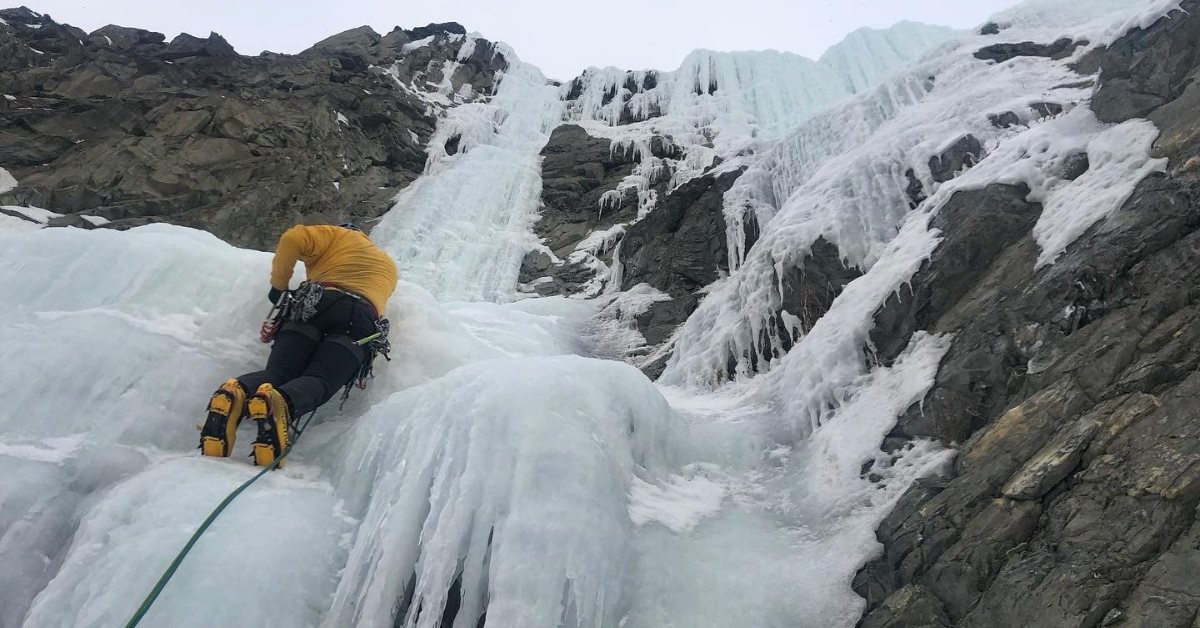
Two Insights Many Beginners Miss
First, balance is dynamic—you must always adjust as you climb. Standing still is never enough, because the ice, weather, and your own body change constantly. Second, mental balance is as important as physical. Staying calm, focused, and confident prevents mistakes that can lead to losing balance.
Final Thoughts
Balance is not just a background skill in ice climbing; it is the core of the sport. It lets you use your tools properly, save energy, and protect yourself from falls. Building balance means training your body, mind, and technique. It is a journey, not a quick fix. With practice, anyone can improve their balance and climb safer and higher. If you want to learn more about the science behind climbing, check out this Wikipedia article on ice climbing.
Frequently Asked Questions
What Is The Most Important Balance Tip For Ice Climbing Beginners?
Keep your hips close to the ice. This helps your crampons grip better and makes every move more stable. Practice bending your knees and standing tall, not leaning back.
How Can I Practice Balance At Home For Ice Climbing?
Try exercises like single-leg stands, balance board drills, and yoga poses. These build the small muscles you use on the ice and help you react faster to changes.
Does Gear Quality Affect My Balance On Ice?
Yes. Sharp, well-fitted crampons and comfortable boots make a big difference. Bad gear can slip or make it hard to move naturally, which hurts your balance.
Why Do I Get Tired So Quickly When Ice Climbing?
Poor balance means you use more energy to stay upright. Improving your balance lets your legs do more work and saves your arms, so you climb longer with less effort.
Is Balance More Important Than Strength In Ice Climbing?
Both are important, but balance often matters more. You can have strong arms and legs, but without balance, you will waste energy and risk falling. Balance helps you use your strength efficiently.

