
Mixed climbing is a thrilling blend of ice climbing and rock climbing. Climbers face both frozen and rocky surfaces, often switching between ice axes and crampons for ice, and their hands or feet for rock. This style challenges both body and mind, combining technical skills, strength, and bold decision-making. If you want to understand mixed climbing in ice climbing, you’ll discover a world that goes beyond just ascending ice walls. It opens up new terrain, demands new techniques, and offers unique rewards and risks.
The Origins And Evolution Of Mixed Climbing
Mixed climbing started as a necessity. Early ice climbers often found sections of bare rock between ice patches, especially in mountain regions where ice flows didn’t cover the whole route. At first, climbers would try to avoid these rocky sections, but as gear improved—especially ice axes and crampons—climbers began to embrace mixed terrain.

Today's Exclusive Deals
Limited-time Exclusive Deals. Check current discount on Amazon.
Check Price on Amazon As an Amazon Associate I earn from qualifying purchases.By the 1990s, mixed climbing became a sport of its own. Specialized competitions and routes appeared, and athletes began to push the boundaries, developing new moves and creating gear for mixed routes. Today, mixed climbing is recognized worldwide, with its own grading systems and famous climbs.
What Defines Mixed Climbing?
In mixed climbing, you face both ice and rock. Sometimes you move from ice to rock within a few meters. You use gear like ice axes and crampons for ice, but also employ special moves to climb rock sections. The real challenge is adapting to different surfaces. Ice is fragile and changes every day, while rock can be solid but slippery or brittle.
Mixed climbing routes are often called “M routes. ” The “M” stands for “mixed,” and grades run from M1 (easiest) to M15 (most difficult). The harder routes include overhanging rock, thin ice, and tricky transitions between surfaces.
Essential Equipment For Mixed Climbing
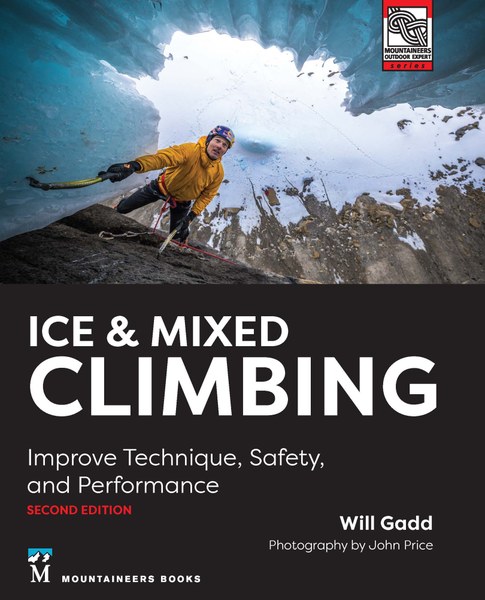
Mixed climbing requires specific gear designed for both ice and rock. Here are the most important items:
- Ice axes: Modern mixed climbing axes are short, curved, and have aggressive picks for both hooking rock and sinking into ice.
- Crampons: These attach to boots. Mixed climbing crampons have sharp front points for both rock and ice, often with mono-point designs for precision.
- Helmet: Protects from falling ice or rock.
- Harness: Standard climbing harness.
- Ropes: Dynamic climbing ropes are used, usually 8–9mm thick.
- Belay device: For safety.
- Gloves: Thin for dexterity, but warm enough for cold conditions.
- Protection gear: Includes ice screws (for ice), rock gear like nuts and cams, and sometimes bolts.
- Climbing boots: Stiff, insulated, and compatible with crampons.
One insight many beginners miss: mixed climbing gear is not one-size-fits-all. For example, ice screws work only in solid ice, while rock protection must fit cracks or features. Planning your gear for each route is essential.
Mixed Climbing Techniques
Mixed climbing demands a mix of skills from both ice and rock climbing. Here are key techniques:
- Dry tooling: Using ice axes on rock. Instead of swinging, you hook or place the pick in cracks or on edges.
- Front-pointing: Using the front points of crampons to stand on small holds or kick into ice.
- Figure four: A move where you hook one arm over the other to gain height or stability on overhangs.
- Mantling: Pressing down with your hands or axes to push yourself up onto a ledge.
- Heel hooking and toe hooking: Using crampons to hook onto rock features.
- Transitioning: Moving smoothly from ice to rock or vice versa, which often requires a quick change in grip, stance, and mindset.
A common mistake: many climbers rely too much on their arms and tire quickly. Mixed climbing rewards efficient movement, using legs for support and keeping arms relaxed whenever possible.
Grading And Difficulty: Understanding Mixed Routes
Mixed climbing uses its own grading system. The “M” grades range from M1 (easy, mostly low-angle terrain) to M15 (extreme, overhanging, very technical). Here is a comparison of mixed grades with other climbing grades:
| Mixed Grade (M) | Rock Grade (YDS) | Ice Grade (WI) | Description |
|---|---|---|---|
| M1 | 5.4 | WI2 | Easy, mostly low-angle, minor rock |
| M5 | 5.8 | WI4 | Vertical, moderate technical moves |
| M10 | 5.12 | WI6 | Overhanging, complex moves, thin ice |
These grades help climbers choose routes matching their skills. However, grading is subjective. Conditions can change grades from day to day. For example, a route graded M6 may feel like M8 if ice is thin or rock is slippery.
Popular Mixed Climbing Destinations
Mixed climbing is famous in cold mountain regions, but also in places with winter freezes. Some of the best-known spots include:
- Ouray Ice Park, Colorado, USA: Famous for its mix of ice and rock routes.
- Rjukan, Norway: Offers classic mixed lines with stable winter conditions.
- Kandersteg, Switzerland: Known for steep, technical mixed routes.
- Canadian Rockies, Alberta, Canada: Home to world-class mixed and ice routes.
Many climbers travel to these areas for competitions or to try famous climbs. Each location has its own style—some are more ice-focused, others have long rock sections.
Safety In Mixed Climbing
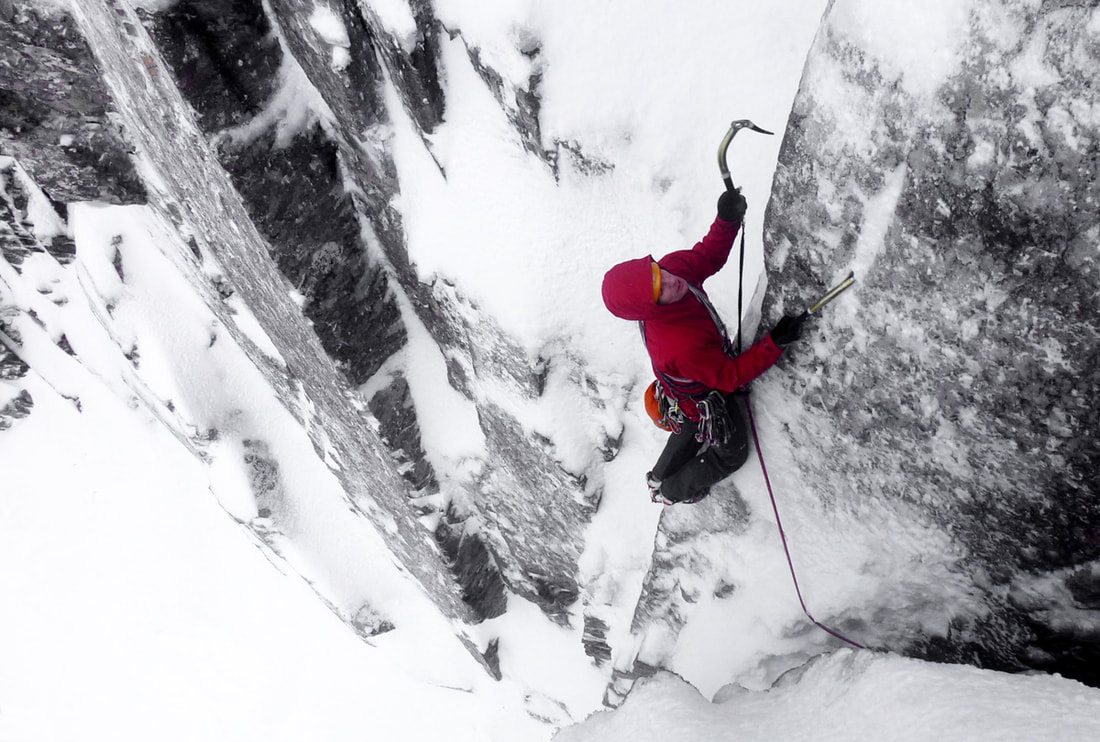
Mixed climbing has unique risks. Both ice and rock can break unexpectedly. Protection is often less secure than in pure rock climbing. Here are key safety tips:
- Check conditions daily: Ice can melt, crack, or be thin. Rock can be loose or covered in snow.
- Use proper protection: Place both ice screws and rock gear carefully. Don’t rely on just one type.
- Wear a helmet: Falling debris is common.
- Communicate clearly: Partners must agree on plans and signals. Bad weather or noise can make communication hard.
- Practice transitions: The most dangerous moments are moving from ice to rock or vice versa.
A non-obvious insight: beginners often ignore the risk of falling ice created by their own axes. Always check above and warn your partner before swinging.
Training For Mixed Climbing
Mixed climbing requires strength, endurance, and technique. Training includes:
- Grip strength: Practice holding axes for long periods.
- Core stability: Helps with balance and figure-four moves.
- Leg power: For standing on small holds and kicking into ice.
- Flexibility: Important for high steps and awkward positions.
- Technique drills: Dry tooling on indoor walls or real rock.
Many gyms now have dedicated dry tooling areas. Practicing there builds skill without the risks of real ice. The best mixed climbers train year-round, not just in winter.
How Mixed Climbing Differs From Ice And Rock Climbing
Mixed climbing is not just “ice plus rock.” It has unique features:
| Aspect | Ice Climbing | Rock Climbing | Mixed Climbing |
|---|---|---|---|
| Gear | Ice axes, crampons | Hands, shoes | Axes, crampons, hands |
| Technique | Kick, swing | Grip, pull, push | Hook, figure-four, transition |
| Surface | Ice only | Rock only | Ice + rock |
| Protection | Ice screws | Cams, nuts, bolts | Screws, cams, nuts |
Mixed climbing requires versatility. You must be ready to switch styles in seconds. This is what makes the sport exciting but also demanding.
Competition And Community
Mixed climbing has grown into a competitive sport. Events like the UIAA Ice Climbing World Cup include mixed routes with artificial ice and rock features. Athletes from around the world compete, bringing new techniques and pushing grades higher.
The mixed climbing community is close-knit. Climbers share tips, train together, and support each other in harsh conditions. Beginners often find mentors willing to help, especially in popular areas.
Common Mistakes And How To Avoid Them
Mixed climbing is complex, and even experienced climbers make mistakes. Here are some common errors:
- Over-gripping: Holding axes too tightly wastes energy. Relax your grip whenever possible.
- Poor gear placement: Ice screws in bad ice or cams in loose rock can fail. Double-check placements.
- Ignoring conditions: Ice and rock change daily. Always inspect before committing.
- Missing transitions: Failing to plan moves from ice to rock can lead to dangerous slips.
- Skipping training: Mixed climbing needs special practice. Don’t rely on just ice or rock experience.
One insight: many new climbers forget to test their gear on both surfaces. Practice placing protection on mixed terrain before attempting big climbs.
The Rewards Of Mixed Climbing
Mixed climbing offers unique satisfaction. You solve puzzles with every move, adapt to changing surfaces, and reach places pure ice or rock climbers can’t. It builds confidence, skill, and endurance. Many climbers say mixed routes are the most memorable, due to their complexity and beauty.
The sport also connects you to nature. You witness frozen waterfalls, icy cliffs, and winter landscapes few people ever see. Mixed climbing is not just a sport—it’s an adventure.
Frequently Asked Questions
What Is The Main Difference Between Mixed Climbing And Ice Climbing?
Mixed climbing involves both ice and rock sections, while ice climbing is only on ice. Mixed climbing uses techniques from both sports and requires switching gear and moves as you climb.
What Skills Are Most Important For Mixed Climbing?
The most critical skills are dry tooling, efficient transitions, and good protection placement. You must be able to use ice axes on rock, move smoothly between surfaces, and protect yourself on both ice and rock.
Is Mixed Climbing More Dangerous Than Ice Or Rock Climbing?
Mixed climbing can be riskier because both surfaces are unstable. Protection may not be as reliable, and transitions are challenging. Good training, careful planning, and clear communication help manage these risks.
Can Beginners Try Mixed Climbing?
Yes, but they should start with easy routes (M1–M4) and climb with experienced partners. Practicing dry tooling and protection placement in safe environments is important before attempting more difficult climbs.
Where Can I Learn More About Mixed Climbing?
You can find resources at climbing gyms, local clubs, and online. The UIAA website offers competition info and safety guidelines. For more details, see Wikipedia.
Mixed climbing is a rewarding challenge. It pushes your limits and teaches you to adapt. If you’re interested, start slow, learn the basics, and explore the unique world where ice and rock meet.