
Scuba diving is an adventure that lets you explore a whole new world beneath the waves. But one thing surprises many beginners: the water can feel much colder than expected, even in tropical places. How cold is the water during scuba diving? The answer depends on many factors, from location to depth and season. Understanding water temperature is important for safety, comfort, and having a great dive experience.
Why Water Temperature Matters In Scuba Diving
Most people notice that water feels colder than air at the same temperature. That’s because water conducts heat away from your body much faster than air—about 25 times faster, in fact. So, even water that seems “warm” can chill you quickly during a dive. Cold water affects your body, your equipment, and your overall enjoyment. It can also change how much energy you use and how long you can stay underwater.

Today's Exclusive Deals
Limited-time Exclusive Deals. Check current discount on Amazon.
Check Price on Amazon As an Amazon Associate I earn from qualifying purchases.Many divers are surprised to feel cold even in places known for warm weather. That’s why understanding water temperature is essential for planning your dives, choosing the right gear, and staying safe.
What Is “cold” Water For Divers?
The idea of “cold” water is different for each person. However, scuba diving organizations often use these categories:
- Tropical: Above 27°C (80°F)
- Temperate: 18–27°C (65–80°F)
- Cold: Below 18°C (65°F)
For many divers, anything below 24°C (75°F) starts to feel cool, especially after 30–60 minutes underwater. Beginners often need more insulation than experienced divers because your body can take time to adapt.
How Water Temperature Changes By Location
Water temperature during a dive depends greatly on where you are in the world.
Tropical Destinations
Places like the Caribbean, Southeast Asia, and the Red Sea are famous for warm diving. Surface temperatures often reach 28–30°C (82–86°F). However, even in these regions, thermoclines—sharp drops in temperature at certain depths—can surprise you.
Temperate Regions
Areas like the Mediterranean, California coast, or South Africa have a wide range of water temperatures. In summer, water can be above 22°C (72°F), but in winter it may drop to 14°C (57°F) or lower. Weather, currents, and recent storms can also change the temperature quickly.
Cold Water Destinations
Colder places, such as Iceland, Alaska, or the North Sea, often have temperatures below 10°C (50°F) all year. Some famous dive spots, like Silfra Fissure in Iceland, stay around 2–4°C (36–39°F) even in summer.
Water Temperature At Different Depths
The temperature you feel on the surface is not always what you feel underwater. As you go deeper, water usually gets colder. This change isn’t always slow and steady; sometimes you hit a thermocline, a layer where the water suddenly feels much colder.
Here’s a simple comparison of how temperature can change with depth in different locations:
| Location | Surface Temp (°C/°F) | 20m Depth (°C/°F) | Thermocline |
|---|---|---|---|
| Caribbean | 29 / 84 | 25 / 77 | Usually mild |
| Red Sea | 27 / 81 | 22 / 72 | Noticeable at 10–15m |
| California | 17 / 63 | 13 / 55 | Strong at 5–10m |
| Iceland (Silfra) | 3 / 37 | 3 / 37 | No change |
As you can see, thermoclines can make the temperature drop sharply. Divers often say it feels like swimming from a bathtub into a refrigerator in just a few kicks.
Seasonal Differences In Water Temperature
Season has a big effect on how cold the water is. In many places, the ocean warms up slowly after summer begins and cools slowly after summer ends. For example, the Mediterranean Sea might reach its warmest in September, even if the air is cooler.
In colder regions, winter brings the chilliest water. In tropical places, the change is smaller but still noticeable. Some dive sites have year-round stable temperatures, especially deep freshwater lakes or springs.
How Water Temperature Affects Your Body
When you dive, your body loses heat faster than on land. This can cause mild discomfort, or in cold water, even dangerous conditions like hypothermia. Here’s what happens at different temperatures:
- Above 27°C (80°F): Most people feel comfortable for long dives.
- 21–26°C (70–79°F): Feels cool after 30–60 minutes; some people start to shiver.
- 16–20°C (61–68°F): Feels cold quickly; you need thermal protection.
- Below 15°C (59°F): Unprotected exposure can be dangerous. A drysuit is often needed.
Even mild chilling can sap your energy, make it hard to focus, and shorten your dive. Beginners sometimes ignore early signs of cold, but shivering, numb fingers, or muscle cramps are warnings to end the dive.
Choosing The Right Exposure Suit
The colder the water, the more insulation you need. The three main types of protection are:
- Wetsuit: Made of neoprene, traps a thin layer of water that your body heats. Best for water above 21°C (70°F).
- Semi-dry suit: Seals better than a wetsuit, keeps more water out, warmer than a standard wetsuit.
- Drysuit: Keeps you completely dry by sealing out water. Essential for water below 15°C (59°F).
Thickness matters, too. Wetsuits come in different thicknesses, usually from 2mm (tropical) to 7mm (cold water). Gloves, hoods, and boots are also important, as you lose a lot of heat from your head and hands.
Here’s a quick guide:
| Water Temperature | Recommended Exposure Suit |
|---|---|
| Above 27°C (80°F) | Shorty wetsuit or rash guard |
| 24–27°C (75–80°F) | 3mm full wetsuit |
| 20–24°C (68–75°F) | 5mm full wetsuit |
| 15–20°C (59–68°F) | 7mm wetsuit or semi-dry suit |
| Below 15°C (59°F) | Drysuit with thermal undergarments |
Non-obvious tip: When in doubt, choose a thicker suit. It’s easier to cool down by letting water in than to warm up once you’re cold.
Special Cases: Freshwater Vs. Saltwater
Freshwater lakes and springs can sometimes be colder than the nearby ocean, especially at depth. For example, diving in a deep mountain lake in summer can mean surface temperatures of 20°C (68°F) but only 6°C (43°F) at 30 meters. In saltwater, the temperature usually drops more slowly with depth.
Non-obvious insight: Freshwater feels colder than saltwater at the same temperature. Saltwater helps insulate you slightly, so adjust your gear if you switch from ocean to lake diving.
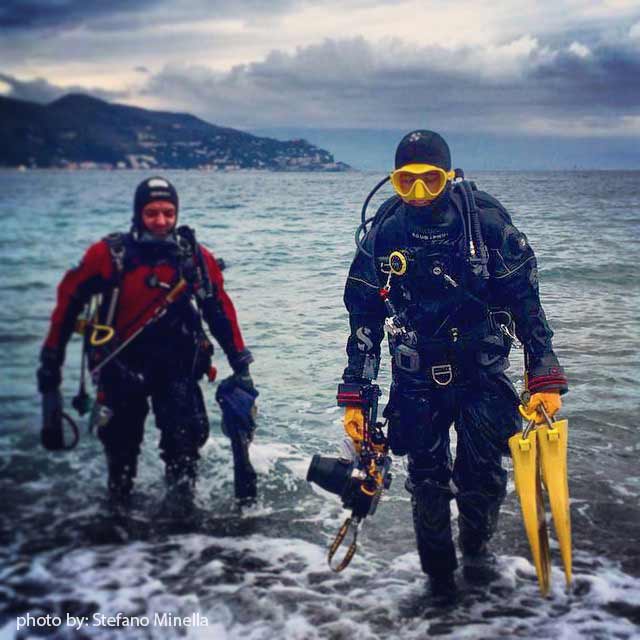
How To Handle Cold Water During A Dive
Staying warm is not just about comfort—it’s about safety. Here are some ways to manage cold water:
- Pre-warm: Wear a hat and warm clothes before you suit up. Start your dive warm.
- Move carefully: Too much movement in cold water makes you burn energy and get cold faster.
- Layer up: In very cold water, use thin layers under your wetsuit or drysuit.
- Eat and hydrate: Warm, high-energy snacks and drinks help your body stay warm.
- Know your limits: If you start to shiver, get numb, or feel tired, end the dive.
Some divers use heated vests or gloves, especially in extreme cold, but these require special training and checks.
Why You Might Feel Colder Than Expected
Many new divers are surprised by how cold they feel after a dive. Here’s why:
- Duration: Even “warm” water can chill you during a long dive.
- Sunlight: The sun may warm your skin at the surface, but there’s no sun at 20 meters.
- Fatigue: Being cold makes you tired, and being tired makes you feel colder. It’s a cycle.
- Body type: Slim people lose heat faster. More body fat offers some insulation.
Insight: Your mind can trick you. Excitement may hide the early signs of cold, but listen to your body and end the dive if you need to.
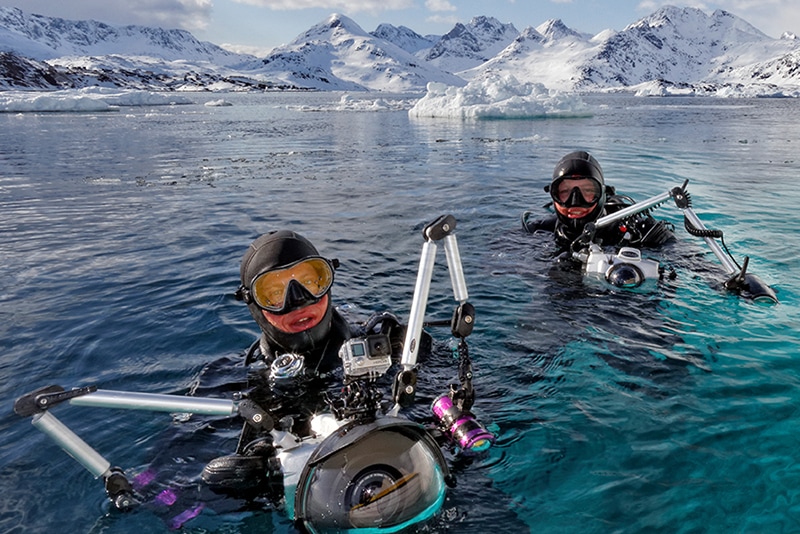
Water Temperature And Dive Safety
Cold water isn’t just uncomfortable—it can be dangerous. Besides hypothermia, cold can cause:
- Impaired thinking: Harder to plan, make decisions, or handle equipment
- Reduced dexterity: Fingers get clumsy, making it hard to operate your gear
- Cramps: Muscles tighten in cold water, increasing the risk of leg cramps
Cold water can also change how your regulator and other gear work. Regulators can sometimes freeze and free-flow in very cold water, so special cold-water gear may be needed.
For more on cold water diving safety, you can visit the Underwater Diving page on Wikipedia.
Common Water Temperatures At Popular Dive Sites
Here’s a quick look at typical water temperatures at well-known scuba diving locations:
| Dive Destination | Peak Water Temp (°C/°F) | Low Water Temp (°C/°F) | Type of Suit Needed |
|---|---|---|---|
| Great Barrier Reef | 29 / 84 | 23 / 73 | 3mm wetsuit |
| Red Sea | 28 / 82 | 21 / 70 | 3–5mm wetsuit |
| Maldives | 30 / 86 | 27 / 81 | Shorty or 3mm wetsuit |
| California | 22 / 72 | 13 / 55 | 7mm wetsuit or drysuit |
| Iceland (Silfra) | 4 / 39 | 2 / 36 | Drysuit |
Frequently Asked Questions
How Cold Is Too Cold For Scuba Diving?
Most divers consider water below 10°C (50°F) very cold. With proper equipment like a drysuit, experienced divers can safely dive in water as cold as 2°C (36°F). For beginners, it’s best to stay above 18°C (65°F) until you gain more experience and confidence.
Why Do I Feel Cold In “warm” Water?
Water removes heat from your body much faster than air. Even in 27°C (80°F) water, you can start to feel cold after a long dive. Thin people or those who don’t move much can feel cold even sooner.
How Do I Choose The Right Wetsuit For The Water Temperature?
Match the wetsuit thickness to the water temperature. For 27°C (80°F) and above, a shorty or thin full wetsuit (2–3mm) is fine. For 20–24°C (68–75°F), pick a 5mm suit. Below 15°C (59°F), you’ll need a 7mm wetsuit or a drysuit.
What Is A Thermocline, And How Does It Affect Divers?
A thermocline is a layer in the water where the temperature drops suddenly. Divers often notice it as a sudden chill at a certain depth. Thermoclines can make you feel cold even in tropical places, so be ready with the right gear.
Can Cold Water Affect My Dive Gear?
Yes. Cold water can cause regulators to freeze and free-flow, especially below 10°C (50°F). Always use regulators rated for cold water if you’re diving in these conditions, and keep your gear well maintained.
Scuba diving is an amazing experience, but understanding how cold the water can be—and preparing for it—makes every dive safer and more enjoyable. With the right knowledge and equipment, you can explore underwater worlds in comfort, no matter the temperature.

